Osanbashi International Passenger Terminal → Nihon-odori Station
Walk from the terminal toward Exits 3 and 4 of Nihon-ōdōri Station on the Minatomirai Line.
Opening CruiseMap…

Japan · Port





Showing the next 12 cruises out of 82 visiting this port.
Previous ports
These ports appear before or after this stop on the same itinerary. The numbers show how often they occur together.
Explore cabin types, dining and deck facilities for each ship.
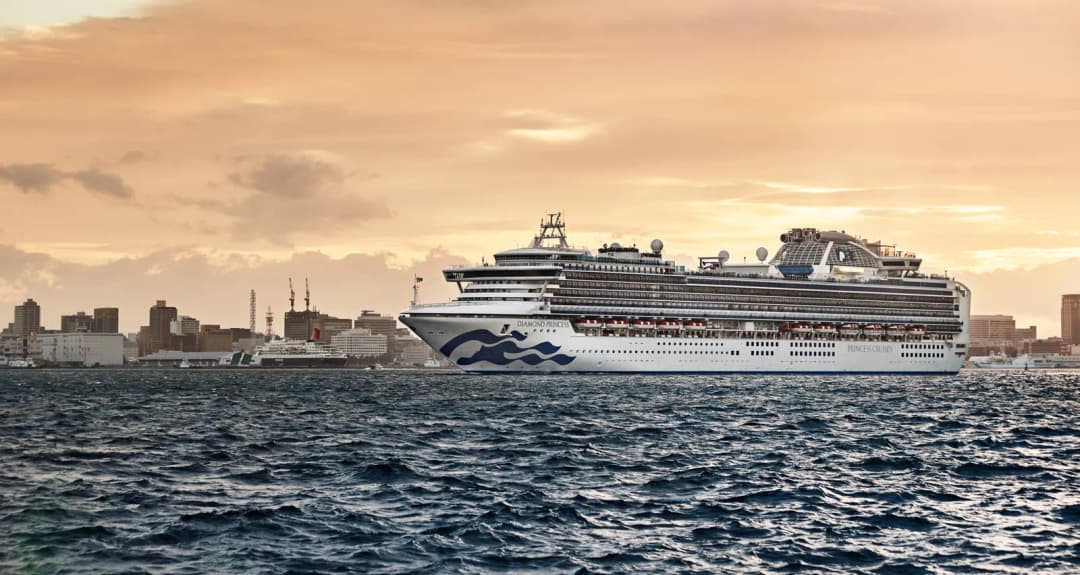
Princess Cruises · 50 sailings
7 cabin types · 17 dining venues · 27 entertainment options · 13 decks
Explore the ship
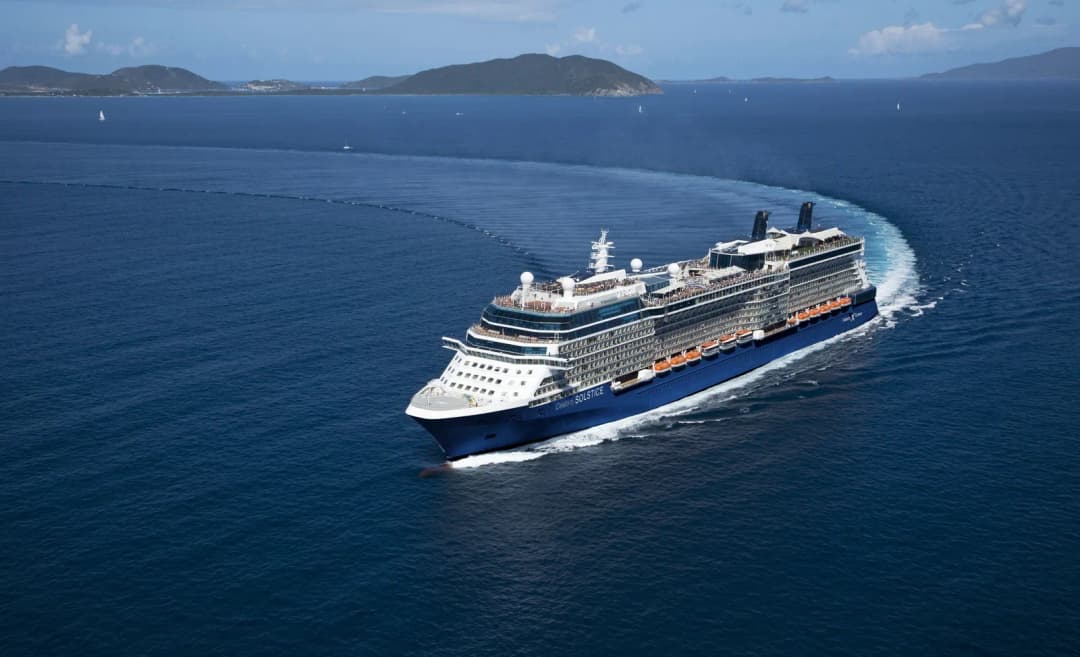
Celebrity Cruises · 20 sailings
33 cabin types · 13 dining venues · 43 entertainment options · 14 decks
Explore the ship
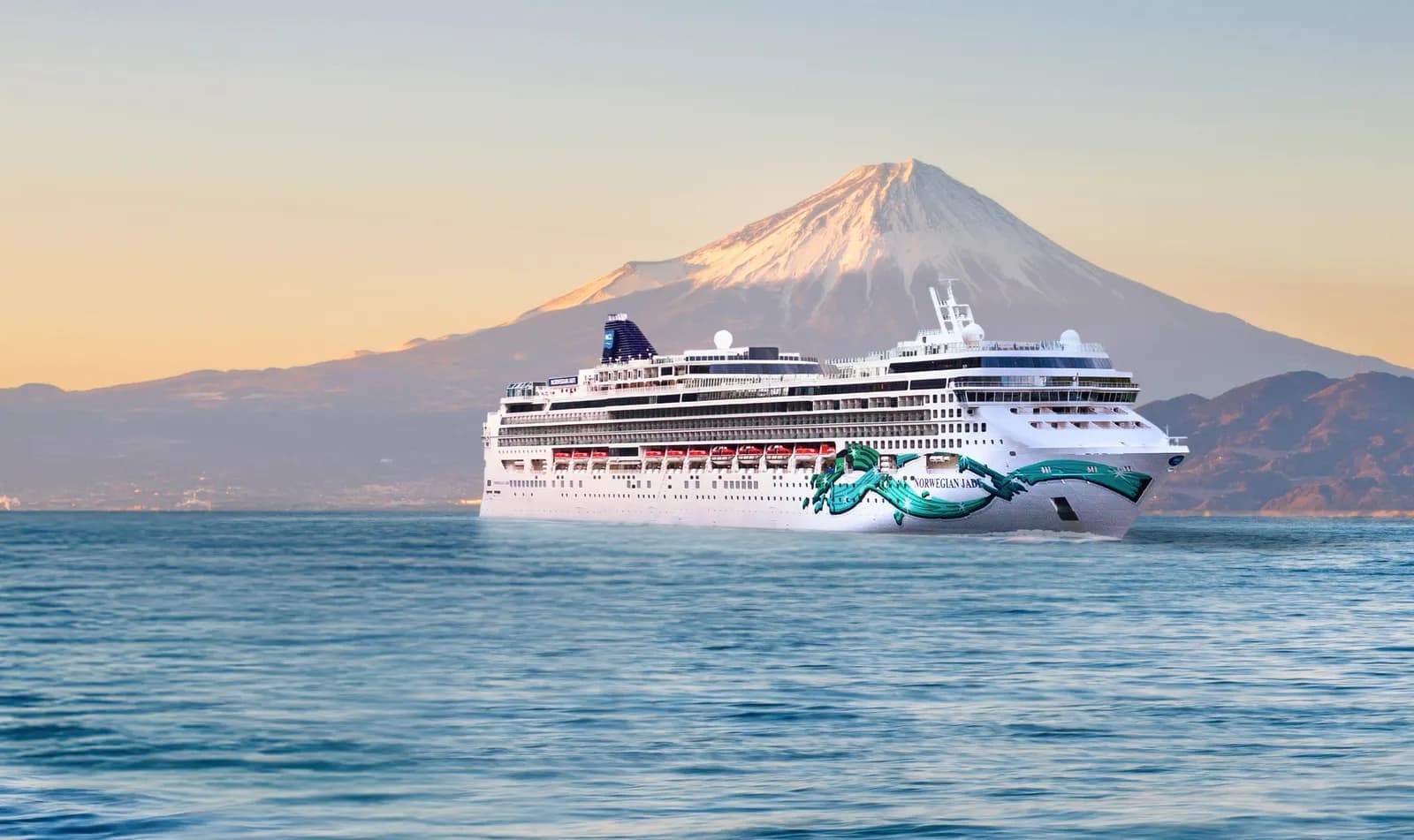
Norwegian Cruise Line · 14 sailings
29 cabin types · 15 dining venues · 35 entertainment options · 12 decks
Explore the ship
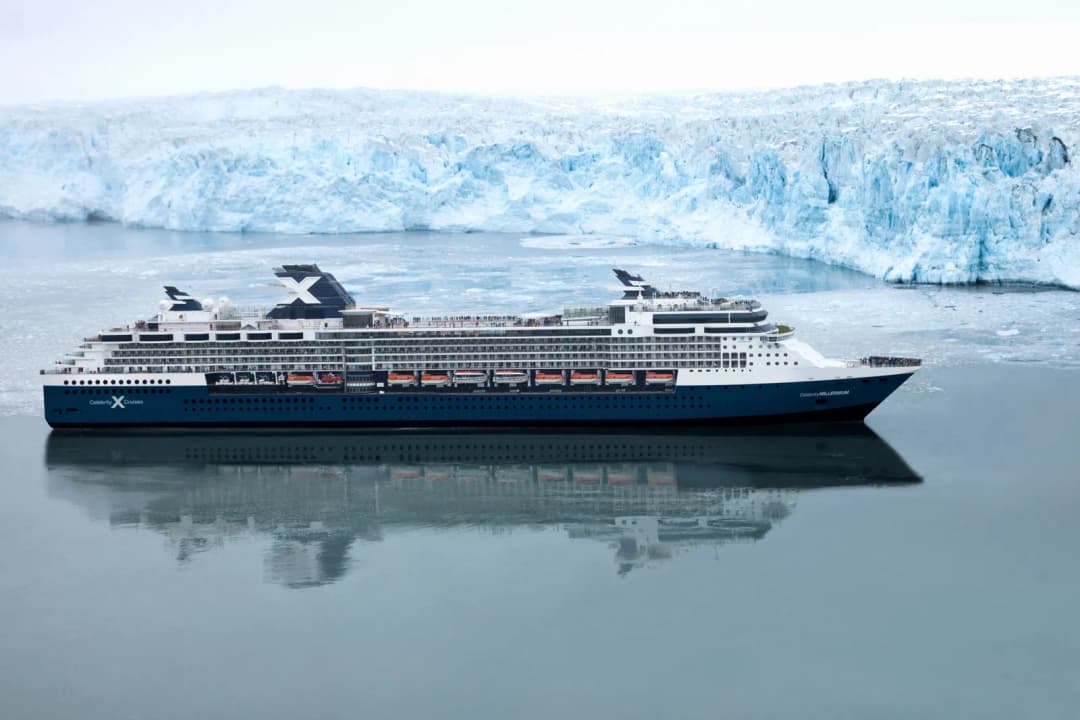
Celebrity Cruises · 9 sailings
26 cabin types · 11 dining venues · 35 entertainment options · 12 decks
Explore the ship
Cruise port in Japan
Explore on foot directly from the pier. Average time in port: 9 hours. 39 places to explore.
Cruise ships dock at Yokohama cruise terminals. Explore on foot directly from the pier.
The assigned dock is one of Osanbashi International Passenger Terminal, Shinko Pier Cruise Terminal, Daikoku Pier Cruise Terminal and varies by sailing.
Yokohama Port has 3 passenger terminals. Check the cruise line or travel agency's instructions and the ship's scheduled arrival to find out which terminal to use.
Time available at the destination after subtracting return travel.
Calculated from the average time in port. Return deadlines vary by sailing; check the daily programme on board.
Travel between the terminal, city center, railway station and airport.
Osanbashi International Passenger Terminal → Nihon-odori Station
Walk from the terminal toward Exits 3 and 4 of Nihon-ōdōri Station on the Minatomirai Line.
Shinko Pier Cruise Terminal → Sakuragicho Station
Walk from the terminal toward the east exit of JR Sakuragichō Station or Sakuragichō Station on the municipal subway.
Osanbashi International Passenger Terminal → Kannai Station
Walk from the terminal toward the south exit of JR Kannai Station or Exit 1 of Kannai Station on the municipal subway.
Daikoku Pier Cruise Terminal → Daikoku Customs Main Gate bus stop
Walk from the terminal to Daikoku Customs Main Gate stop, served by municipal bus route 109 toward Yokohama Station.
Shinko Pier Cruise Terminal → Bashamichi Station
Walk from the terminal toward Exit 4 of Bashamichi Station on the Minatomirai Line.
Haneda Airport → Osanbashi International Passenger Terminal
Buy a ticket at the airport bus ticket office and take a limousine bus to Yokohama Osanbashi. The stated travel time is about 40–50 minutes.
Yokohama Station → Daikoku Pier Cruise Terminal
At platform 14 of the bus terminal at the east exit of Yokohama Station, take municipal bus route 109 and get off at Daikoku Customs Main Gate, then walk 8 minutes to the terminal.
Yokohama Station → Osanbashi International Passenger Terminal
At platform 1 of the bus terminal at the east exit of Yokohama Station, take municipal bus route 26 and get off at Osanbashi Entrance, then walk 3 minutes.
Narita Airport → Osanbashi International Passenger Terminal
Take a direct limousine bus from the airport to Yokohama Osanbashi. The stated travel time is about 2 hours–2 hours 30 minutes.
Explore 13 checked places. Select a pin to see its card, or choose View on map from a card.

This tower has an observation deck, which is said to offer views of Mount Fuji on clear days.

Formerly a private garden of the Hara family, this garden is now open to the public. Visitors can see a Japanese garden that changes with the seasons.
Sankeien is far to walk from the station and the garden has slopes, so consider taking a bus and wearing comfortable walking shoes.
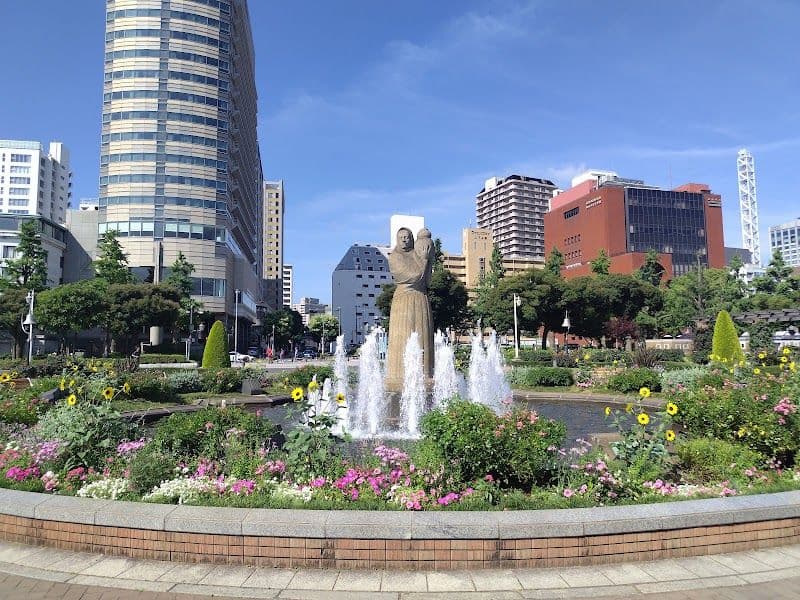
This seaside park offers night views of Minato Mirai and Yokohama Bay Bridge.
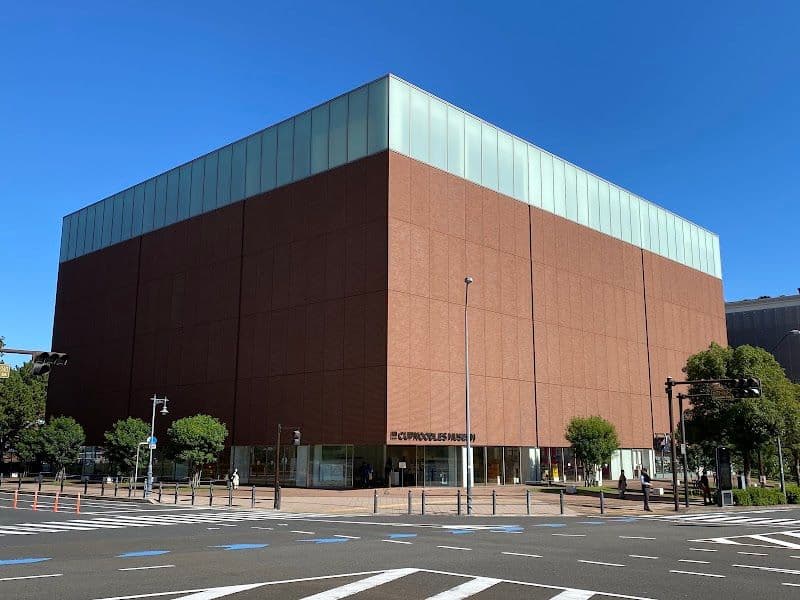
This museum exhibits the development of instant noodles and offers a hands-on activity where visitors create their own cup-noodle container and contents.
Slots for the Cup Noodles-making experience may fill up on weekend afternoons, so secure a time before visiting if you want to participate.
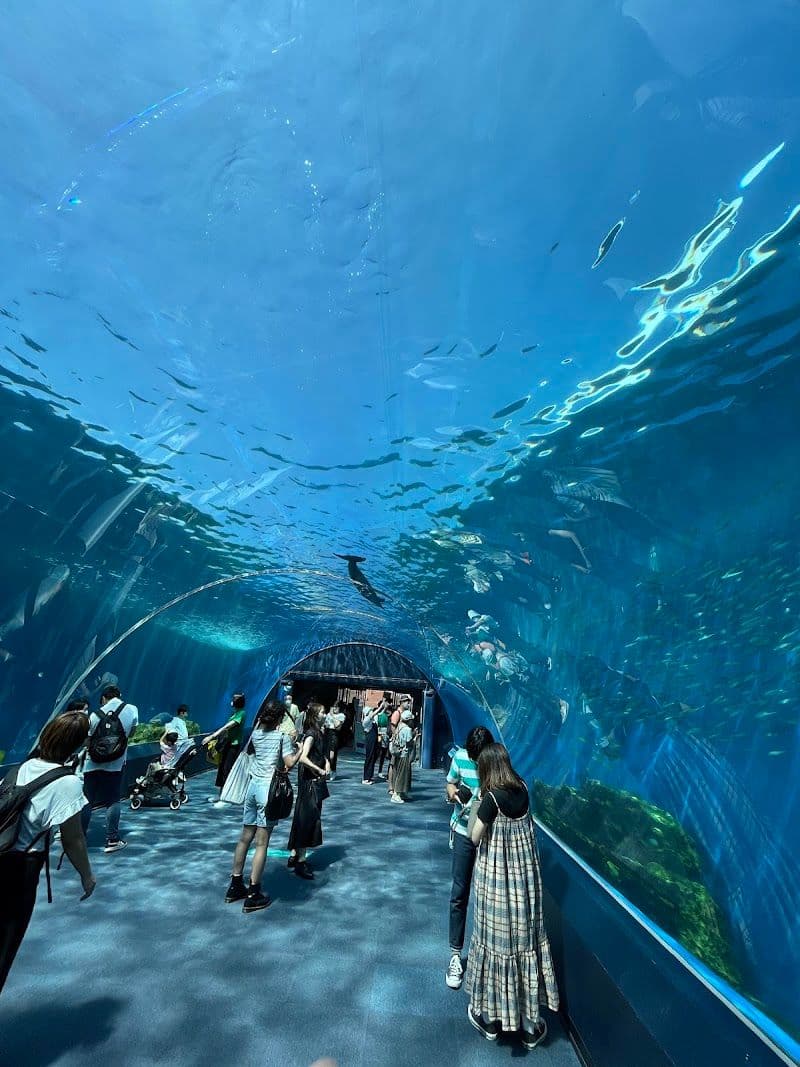
This complex combines an aquarium and an amusement park and is described as a family destination.
Popular facilities may have long waits on holidays, so allow plenty of time if you plan to see both the aquarium and rides.

This amusement park is by the sea and is visited by families and couples. Its Ferris wheel is illuminated at night.
If the ticket machine next to Galaxy is busy, use the ticket counter and machines about 50 m away.
With enough time in port, you can explore beyond the city. One-way times are approximate.

This 634-meter broadcasting tower has observation decks at 350 m and 450 m offering 360-degree views of Tokyo.

This area is lined with shops selling home appliances and also has stores related to games, manga, and anime.

The Imperial family resides here, and traces of the Edo-period castle, including its moats, remain. The East Gardens are open to the public.
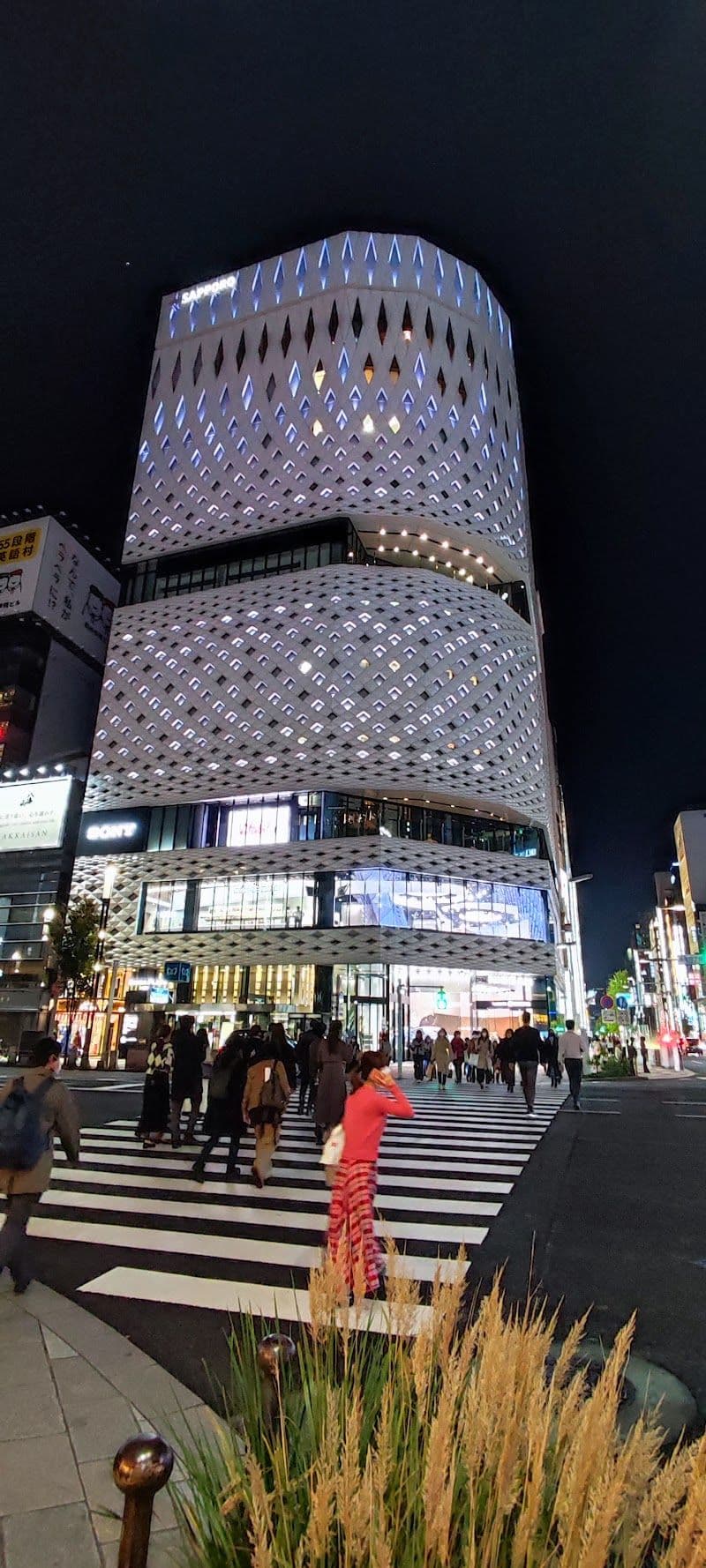
Ginza's streets are lined with department stores, luxury shops, and jewelers. Traditional shops and restaurants are also gathered here.

This shrine enshrines Emperor Meiji and Empress Shoken. A forest spreads across its spacious grounds.
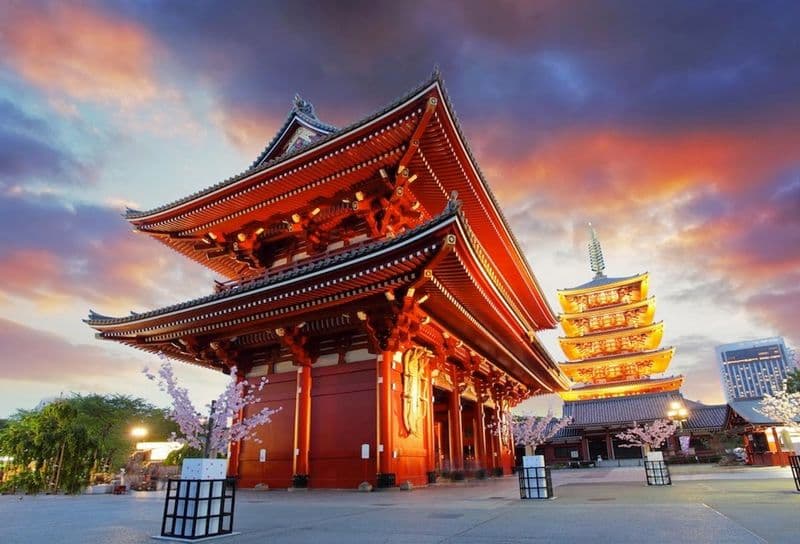
This is Tokyo's oldest temple, with Kaminarimon Gate and Nakamise Shopping Street leading to the main hall. It is illuminated at night.

This intersection near Shibuya Station is one of the places visitors seek out in Shibuya. Nearby are restaurants and department stores.

Reopened on March 31, 2026, after renovation work, this museum exhibits the history and culture of Tokyo from the Edo period to the present through models and videos.

This theater is dedicated to kabuki. Seats for watching just one act are also available.

At least 200 small bars are gathered across six narrow alley areas in Shinjuku. The area comes alive around 8 p.m.
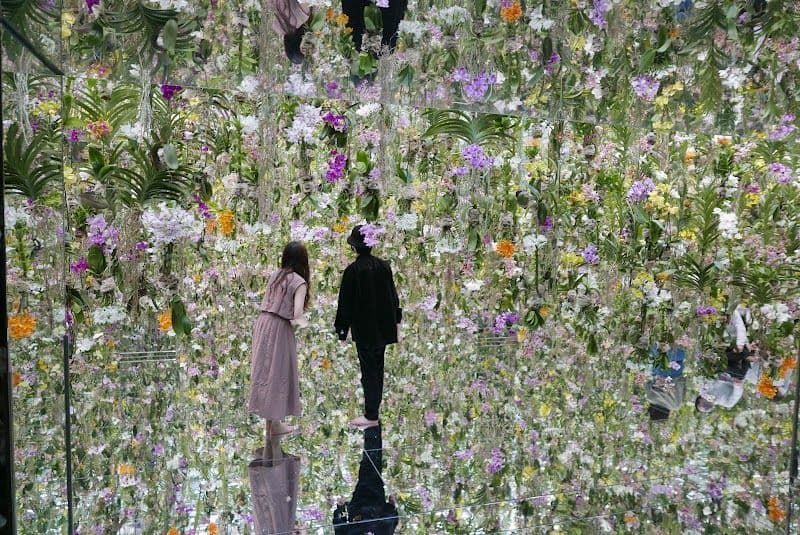
This immersive exhibition uses light, video, and sound. It has an area where visitors walk barefoot through water, as well as a garden and play area.
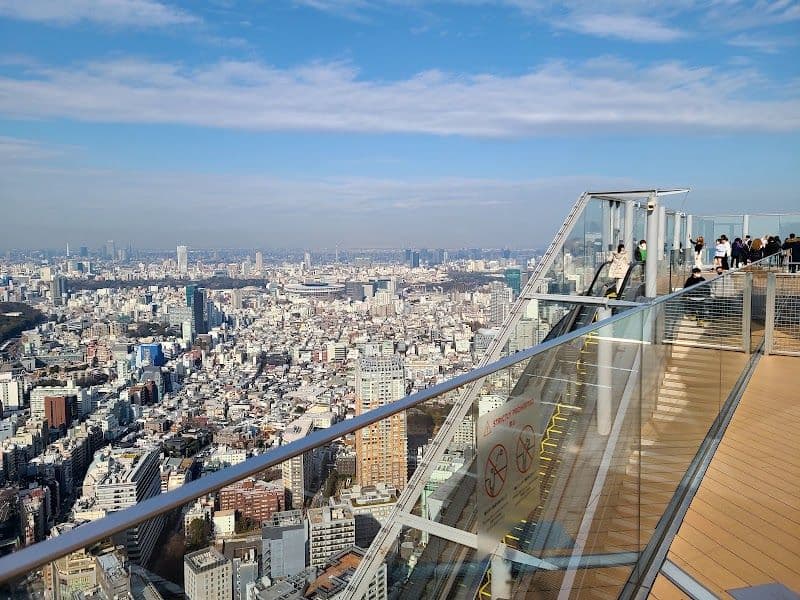
This is a rooftop observation area above Shibuya. Visitors can look down on the Scramble Crossing and Tokyo.

This shop serves monjayaki, a specialty of Tsukishima. Featured options include mentaiko, mochi, cheese, and seafood.

This restaurant serves Edomae tempura rice bowls topped with anago, shrimp, squid, and scallops delivered from Toyosu every morning. The ingredients are fried in high-temperature sesame oil for a light batter and served with the house rice-bowl sauce.

Opened in 1801, this restaurant specializes in loach dishes. It serves dojo-nabe, in which loaches are simmered over charcoal in a shallow iron pot.

This soba shop is described as one of the three great Yabu soba restaurants of Edo. It serves soba with a salty dipping sauce rich in soy sauce.

This restaurant serves Edomae sushi omakase using seasonal ingredients delivered from Tsukiji.

The exterior of this red-brick station building can be seen from the Marunouchi station-front plaza. It is illuminated at night.

This restaurant serves chanko-nabe made with chicken- and pork-bone broth seasoned with soy sauce and miso. The hot pot contains fish, meat, and vegetables.

This restaurant specializes in Fukagawa meshi, a local dish from Fukagawa in Edo. It serves a set combining clams simmered in miso and poured over rice with rice cooked in soy sauce.
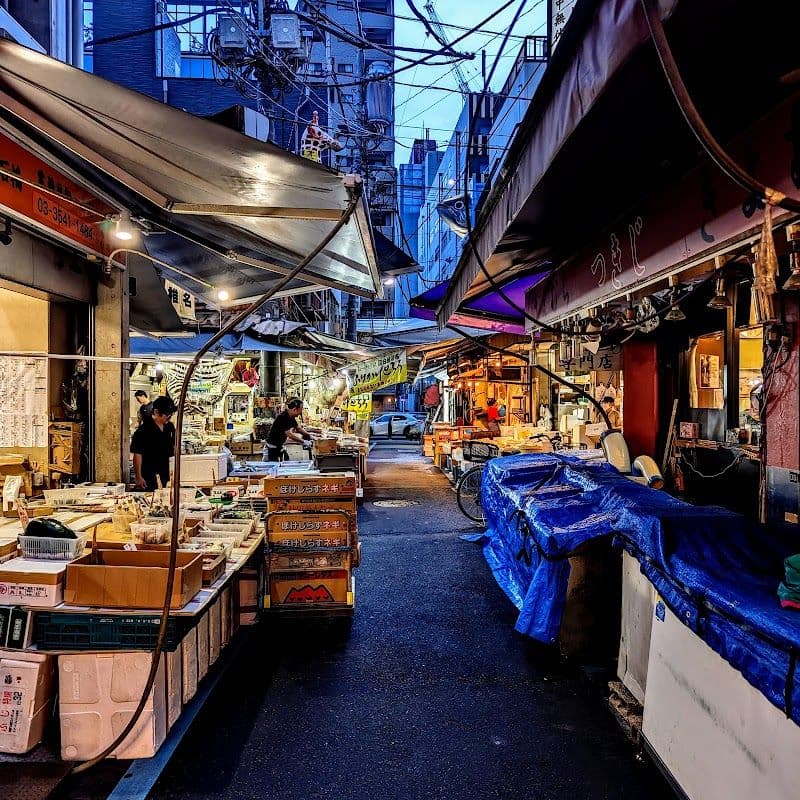
Although the fish market moved to Toyosu, seafood and sushi restaurants, prepared-food shops, and dried-fish stores remain in the outer market.

This Kamakura shrine has cherry and azalea trees along its approach. Plum blossoms and lotus flowers can also be seen on the grounds depending on the season.

This temple enshrines a 9.18-meter-tall wooden statue of the Eleven-Faced Kannon. Various flowers bloom on the grounds, and the upper observation deck offers views of Kamakura and the sea.
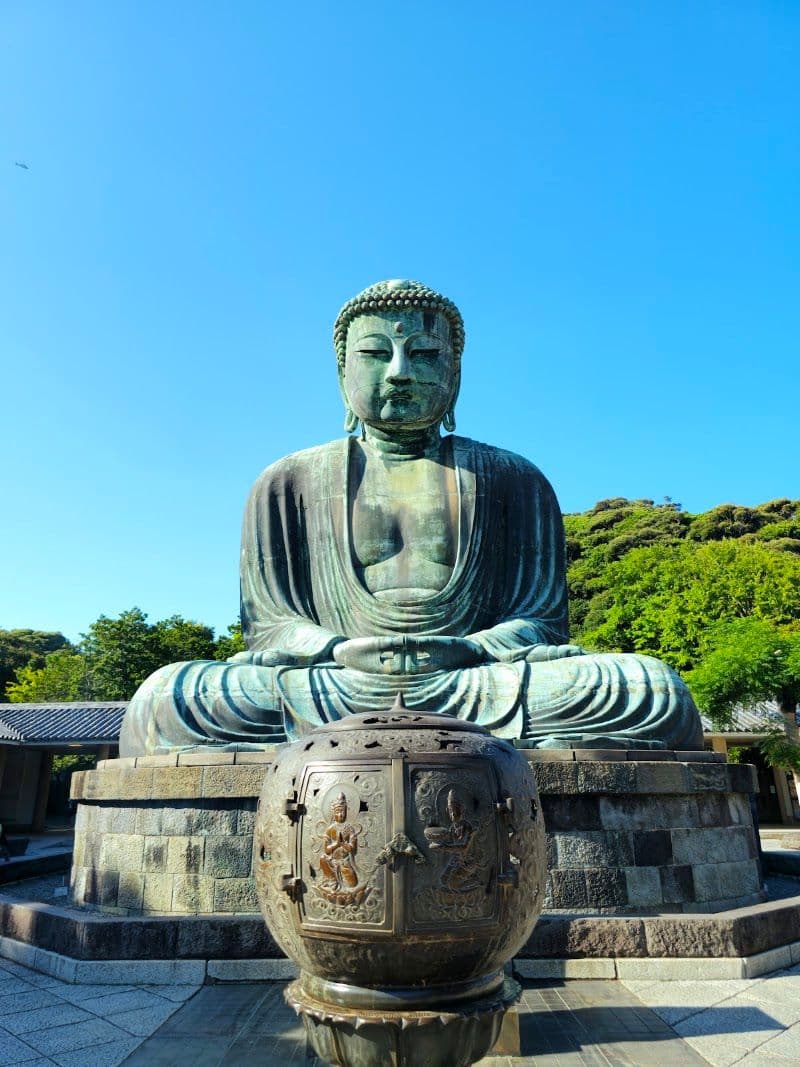
This is Kamakura's signature giant Buddha statue.
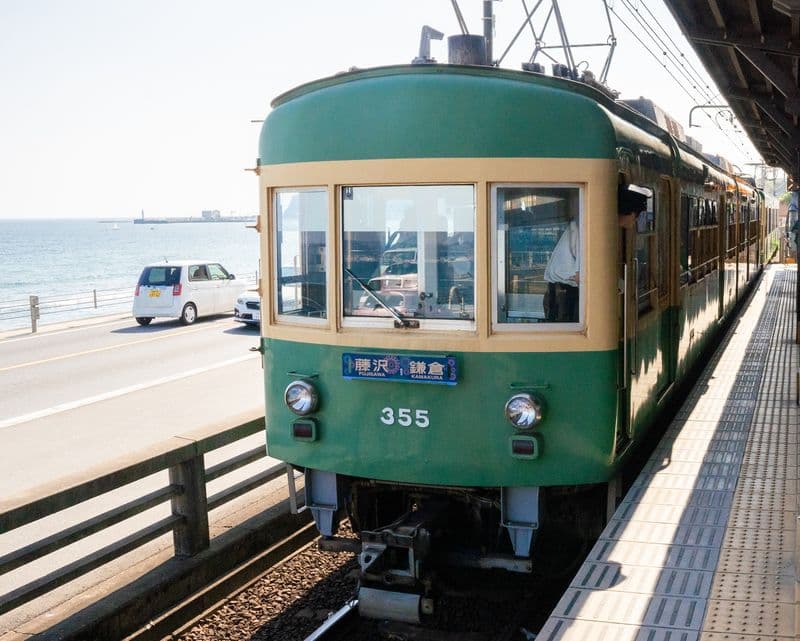
This train connects Kamakura and Enoshima. The coast near Kamakura-kokomae Station is known for photographs of a seaside setting featured in the anime Slam Dunk.

Visitors can eat at a restaurant just above the beach and then watch the sunset from the shore. Mount Fuji can also be seen when the sky is clear.
111 sailings are grouped into 82 cruises by ship and route.
Norwegian Cruise LineAsia cruises · 9 nights · Mid-length cruise
Princess CruisesSailing 2026.11Asia cruises · 24 nights · Long cruise
Princess CruisesAsia cruises · 14 nights · Long cruise
Norwegian Cruise LineAsia cruises · 9 nights · Mid-length cruise
Royal Caribbean InternationalAsia cruises · 8 nights · Mid-length cruise
Royal Caribbean InternationalSailing 2027.01Asia cruises · 8 nights · Mid-length cruise
Princess CruisesSailing 2027.02Asia cruises · 31 nights · Long cruise
Royal Caribbean InternationalAsia cruises · 12 nights · Long cruise
Celebrity CruisesAsia cruises · 15 nights · Long cruise
Royal Caribbean InternationalSailing 2027.02Asia cruises · 12 nights · Long cruise
Princess CruisesAsia cruises · 15 nights · Long cruise
Princess CruisesSailing 2027.03Asia cruises · 26 nights · Long cruise
82 cruises call at this port.
Explore cabin types, dining and deck facilities for each ship.
Princess Cruises · 50 sailings
7 cabin types · 17 dining venues · 27 entertainment options · 13 decks
Explore the ship
Celebrity Cruises · 20 sailings
33 cabin types · 13 dining venues · 43 entertainment options · 14 decks
Explore the ship
Norwegian Cruise Line · 14 sailings
29 cabin types · 15 dining venues · 35 entertainment options · 12 decks
Explore the ship
Celebrity Cruises · 9 sailings
26 cabin types · 11 dining venues · 35 entertainment options · 12 decks
Explore the ship
In 1853, a fleet of four American warships under Commodore Matthew Perry sailed into the bay of Tokyo (then Edo) and presented the reluctant Japanese with the demands of the U.S. government for the opening of diplomatic and commercial relations. The following year Perry returned and first set foot on Japanese soil at Yokohama—then a small fishing village on the mudflats of Tokyo bay. Two years later New York businessman Townsend Harris became America's first diplomatic representative to Japan. In 1858 he was finally able to negotiate a commercial treaty between the two countries; part of the deal designated four locations—one of them Yokohama—as treaty ports. In 1859 the shogunate created a special settlement in Yokohama for the growing community of merchants, traders, missionaries, and other assorted adventurers drawn to this exotic new land of opportunity. The foreigners (predominantly Chinese and British, plus a few French, Americans, and Dutch) were confined here to a guarded compound about 5 square km (2 square miles)—placed, in effect, in isolation—but not for long. Within a few short years the shogunal government collapsed, and Japan began to modernize. Western ideas were welcomed, as were Western goods, and the little treaty port became Japan's principal gateway to the outside world. In 1872 Japan's first railway was built, linking Yokohama and Tokyo. In 1889 Yokohama became a city; by then the population had grown to some 120,000. As the city prospered, so did the international community and by the early 1900s Yokohama was the busiest and most modern center of international trade in all of East Asia. Then Yokohama came tumbling down. On September 1, 1923, the Great Kanto Earthquake devastated the city. The ensuing fires destroyed some 60,000 homes and took more than 40,000 lives. During the six years it took to rebuild the city, many foreign businesses took up quarters elsewhere, primarily in Kobe and Osaka, and did not return. Over the next 20 years Yokohama continued to grow as an industrial center—until May 29, 1945, when in a span of four hours, some 500 American B-29 bombers leveled nearly half the city and left more than half a million people homeless. When the war ended, what remained became—in effect—the center of the Allied occupation. General Douglas MacArthur set up headquarters here, briefly, before moving to Tokyo; the entire port facility and about a quarter of the city remained in the hands of the U.S. military throughout the 1950s. By the 1970s Yokohama was once more rising from the debris; in 1978 it surpassed Osaka as the nation's second-largest city, and the population is now inching up to the 3.5 million mark. Boosted by Japan's postwar economic miracle, Yokohama has extended its urban sprawl north to Tokyo and south to Kamakura—in the process creating a whole new subcenter around the Shinkansen Station at Shin-Yokohama. The development of air travel and the competition from other ports have changed the city's role in Japan's economy. The great liners that once docked at Yokohama's piers are now but a memory, kept alive by a museum ship and the occasional visit of a luxury vessel on a Pacific cruise. Modern Large as Yokohama is, the central area is very negotiable. As with any other port city, much of what it has to offer centers on the waterfront—in this case, on the west side of Tokyo Bay. The downtown area is called Kannai (literally, "within the checkpoint"); this is where the international community was originally confined by the shogunate. Though the center of interest has expanded to include the waterfront and Ishikawa-cho, to the south, Kannai remains the heart of town. Think of that heart as two adjacent areas. One is the old district of Kannai, bounded by Basha-michi on the northwest and Nippon-odori on the southeast, the Keihin Tohoku Line tracks on the southwest, and the waterfront on the northeast. This area contains the business offices of modern Yokohama. The other area extends southeast from Nippon-odori to the Moto-machi shopping street and the International Cemetery, bordered by Yamashita Koen and the waterfront to the northeast; in the center is Chinatown, with Ishikawa-cho Station to the southwest. This is the most interesting part of town for tourists. Whether you're coming from Tokyo, Nagoya, or Kamakura, make Ishikawa-cho Station your starting point. Take the South Exit from the station and head in the direction of the waterfront.
Cruise lines calling here: 4 places
Tell us your travel dates, party size and budget to find suitable cruises calling here.
Some booking links are affiliate links. TravelersMap may earn a commission when you book, at no extra cost to you.