From Minami's neon-lighted Dotombori and historic Tenno-ji to the high-rise class and underground shopping labyrinths of Kita, Osaka is a city that pulses with its own unique rhythm. Though Osaka has no shortage of tourist sites, it is the city itself that is the greatest attraction. Home to some of Japan's best food, most unique fashions, and warmest locals, Osaka does not beg to be explored—it demands it. More than anywhere else in Japan, it rewards the impulsive turn down an interesting side street or the chat with a random stranger. People do not come here to see the city, they come to experience it.Excluded from the formal circles of power and aristocratic culture in 16th-century Edo (Tokyo), Osaka took advantage of its position as Japan's trading center, developing its own art forms such as Bunraku puppet theater and Rakugo comic storytelling. It was in Osaka that feudal Japan's famed Floating World—the dining, theater, and pleasure district—was at its strongest and most inventive. Wealthy merchants and common laborers alike squandered fortunes on culinary delights, turning Osaka into "Japan's Kitchen," a moniker the city still has today. Though the city suffered a blow when the Meiji government canceled all of the samurai class's outstanding debts to the merchants, it was quick to recover. At the turn of the 20th century, it had become Japan's largest and most prosperous city, a center of commerce and manufacturing.Today Osaka remains Japan's iconoclastic metropolis, refusing to fit Tokyo's norms and expectations. Unlike the hordes of Tokyo, Osakans are fiercely independent. As a contrast to the neon and concrete surroundings, the people of Osaka are known as Japan's friendliest and most outgoing. Ask someone on the street for directions in Tokyo and you are lucky to get so much as a glance. Ask someone in Osaka and you get a conversation.The main areas of the city, Kita (north) and Minami (south), are divided by two rivers: the Dojima-gawa and the Tosabori-gawa. Between Kita and Minami is Naka-no-shima, an island and the municipal center of Osaka. Kita (north of Chuo Dori) is Osaka's economic hub and contains Osaka's largest stations: JR Osaka and Hankyu Umeda. The area is crammed with shops, department stores, and restaurants. Nearby are a nightlife district, Kita-shinchi; Naka-no-shima and the Museum of Oriental Ceramics; Osaka-jo (Osaka Castle); and Osaka Koen (Osaka Park). Restaurants, bars, department stores, and boutiques attract Osaka's youth to Minami (south Chuo Dori); theatergoers head to the National Bunraku Theatre and electronics-lovers to Den Den Town. For a glimpse of old Osaka, visit Tenno-ji Temple and Shin Sekai. The main stations are Namba, Shin-sai-bashi, Namba Nankai, and Tenno-ji. There's easy access to the Municipal Museum of Fine Art and Sumiyoshi Taisha (Sumiyoshi Grand Shrine).The bay area, to the west of the city center, is home to the Osaka Aquarium and Universal Studios Japan. The Shinkansen stops at Shin-Osaka, three stops (about five minutes) north of Osaka Station on the Mido-suji subway line. To the north of Shin-Osaka is Senri Expo Park.
Allow about 20 min each way from the terminal to the city center. Average time in port: 12 hours. 26 places to explore.
Ships calling here
17 ships
Upcoming sailings
186 sailings
Average time in port
About 12 hours
Lowest fare
From USD 828
Photo: Image by leo leung from Pixabay
After disembarking
Cruise ships dock at Tempozan Cruise Berth. Allow about 20 min each way from the terminal to the city center.
Where the ship docks
Cruise ships dock at Tempozan Cruise Berth.
Walking Access and Subway Connection from Tempozan Cruise Terminal
After disembarking at Tempozan Cruise Terminal, Kaiyukan Aquarium and the Tempozan Ferris Wheel are a 3-minute walk away. Osakako Station on the Osaka Metro Chuo Line is about a 5-minute walk, making transfers into the city convenient.
Osaka Metro Supports IC Cards and Contactless Credit Card Boarding
All Osaka Metro lines support nationwide-compatible transit cards such as ICOCA and Suica as well as contactless credit card taps, so you can board and exit without purchasing a separate ticket.
Advance Booking Recommended for Kaiyukan and Major Observation Decks
Queues for onsite tickets at Kaiyukan Aquarium and the Umeda Sky Building Kuchu Teien Observatory can be long during peak seasons and weekends, so it is best to book timed tickets in advance on the official website.
About 12 hours in port: where can you go?
Time available at the destination after subtracting return travel.
Calculated from the average time in port. Return deadlines vary by sailing; check the daily programme on board.
Between the terminal, city and airport
Travel between the terminal, city center, railway station and airport.
MetroAbout 25 minJPY 290
Tempozan Cruise Terminal → Dotonbori (Namba)
Walk 5 minutes from the terminal to Osakako Station (C11), take the Osaka Metro Chuo Line to Hommachi Station (C16), transfer to the Midosuji Line (M16), and exit at Namba Station (M20), Exit 14, for Dotonbori canal.
At Osakako Station, take the Osaka Metro Chuo Line toward Nagata / Nara and get off at Morinomiya Station (C19) with no transfer. The station connects directly to the southeast entrance of Osaka Castle Park.
MetroAbout 30 minJPY 290
Tempozan Cruise Terminal → Umeda Sky Building (Osaka Station)
At Osakako Station, take the Chuo Line, transfer to the Midosuji Line at Hommachi, and get off at Umeda. Walk 10 minutes northwest through the underground passage.
Take a taxi at the stand in front of the terminal for a direct ride of about 15 minutes to central Namba and Dotonbori via the Hanshin Expressway and major city roads.
Osaka places to explore
Explore 26 checked places. Select a pin to see its card, or choose View on map from a card.
Sights
Osaka Castle
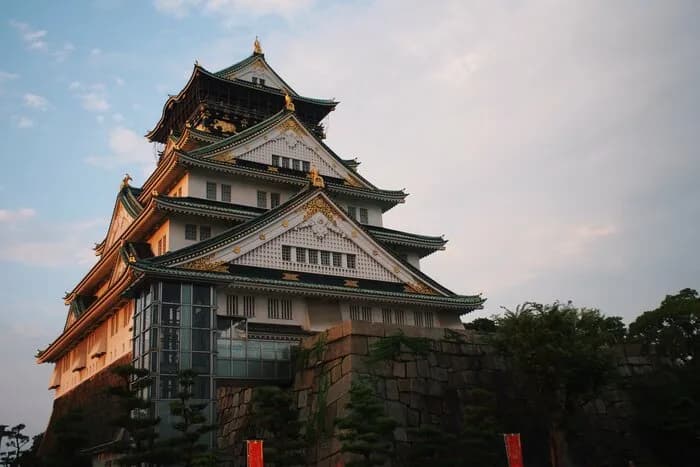
This is one of Osaka’s leading historic sites, built by Toyotomi Hideyoshi. From the eighth-floor observation deck, visitors can look out over the castle moats and Osaka’s urban skyline.
Visit
about 1 hr 30 min
Admission
JPY 600
Hours
Daily 09:00–17:00
The queue for the elevator inside the main keep may be long, so combining it with the stairs can be faster.
Founded in 593 by Prince Shotoku, this was Japan's first state-sponsored Buddhist temple. It features an ancient Asuka-style layout, with the five-story pagoda and main hall arranged in a straight line.
This 108-meter observation tower rises above the center of Shinsekai. It has a Billiken statue said to bring good luck when its feet are touched, an outdoor special observation deck, and a large slide.
This is one of the world's largest aquariums, recreating the Pacific Ring of Fire. Visitors can follow a spiral path to see a giant whale shark swimming in the central tank.
Visit
about 1 hr 30 min
Admission
JPY 2,700
Hours
Daily 10:00–20:00
Exceptionally convenient location, a 3-minute walk from the terminal; advance booking of an online timed ticket is recommended during busy periods.
This is the head shrine of around 2,300 Sumiyoshi shrines across Japan. Its National Treasure main hall, built in the distinctive Sumiyoshi-zukuri style, and red arched Sorihashi (Taiko Bridge) are beautiful.
This museum lets visitors explore thousands of years of Osaka history, from the ancient Naniwa Palace to the modern Dotonbori entertainment district, through life-size models and artifacts on each floor.
From Minami's neon-lighted Dotombori and historic Tenno-ji to the high-rise class and underground shopping labyrinths of Kita, Osaka is a city that pulses with its own unique rhythm. Though Osaka has no shortage of tourist sites, it is the city itself that is the greatest attraction. Home to some of Japan's best food, most unique fashions, and warmest locals, Osaka does not beg to be explored—it demands it. More than anywhere else in Japan, it rewards the impulsive turn down an interesting side street or the chat with a random stranger. People do not come here to see the city, they come to experience it.Excluded from the formal circles of power and aristocratic culture in 16th-century Edo (Tokyo), Osaka took advantage of its position as Japan's trading center, developing its own art forms such as Bunraku puppet theater and Rakugo comic storytelling. It was in Osaka that feudal Japan's famed Floating World—the dining, theater, and pleasure district—was at its strongest and most inventive. Wealthy merchants and common laborers alike squandered fortunes on culinary delights, turning Osaka into "Japan's Kitchen," a moniker the city still has today. Though the city suffered a blow when the Meiji government canceled all of the samurai class's outstanding debts to the merchants, it was quick to recover. At the turn of the 20th century, it had become Japan's largest and most prosperous city, a center of commerce and manufacturing.Today Osaka remains Japan's iconoclastic metropolis, refusing to fit Tokyo's norms and expectations. Unlike the hordes of Tokyo, Osakans are fiercely independent. As a contrast to the neon and concrete surroundings, the people of Osaka are known as Japan's friendliest and most outgoing. Ask someone on the street for directions in Tokyo and you are lucky to get so much as a glance. Ask someone in Osaka and you get a conversation.The main areas of the city, Kita (north) and Minami (south), are divided by two rivers: the Dojima-gawa and the Tosabori-gawa. Between Kita and Minami is Naka-no-shima, an island and the municipal center of Osaka. Kita (north of Chuo Dori) is Osaka's economic hub and contains Osaka's largest stations: JR Osaka and Hankyu Umeda. The area is crammed with shops, department stores, and restaurants. Nearby are a nightlife district, Kita-shinchi; Naka-no-shima and the Museum of Oriental Ceramics; Osaka-jo (Osaka Castle); and Osaka Koen (Osaka Park). Restaurants, bars, department stores, and boutiques attract Osaka's youth to Minami (south Chuo Dori); theatergoers head to the National Bunraku Theatre and electronics-lovers to Den Den Town. For a glimpse of old Osaka, visit Tenno-ji Temple and Shin Sekai. The main stations are Namba, Shin-sai-bashi, Namba Nankai, and Tenno-ji. There's easy access to the Municipal Museum of Fine Art and Sumiyoshi Taisha (Sumiyoshi Grand Shrine).The bay area, to the west of the city center, is home to the Osaka Aquarium and Universal Studios Japan. The Shinkansen stops at Shin-Osaka, three stops (about five minutes) north of Osaka Station on the Mido-suji subway line. To the north of Shin-Osaka is Senri Expo Park.
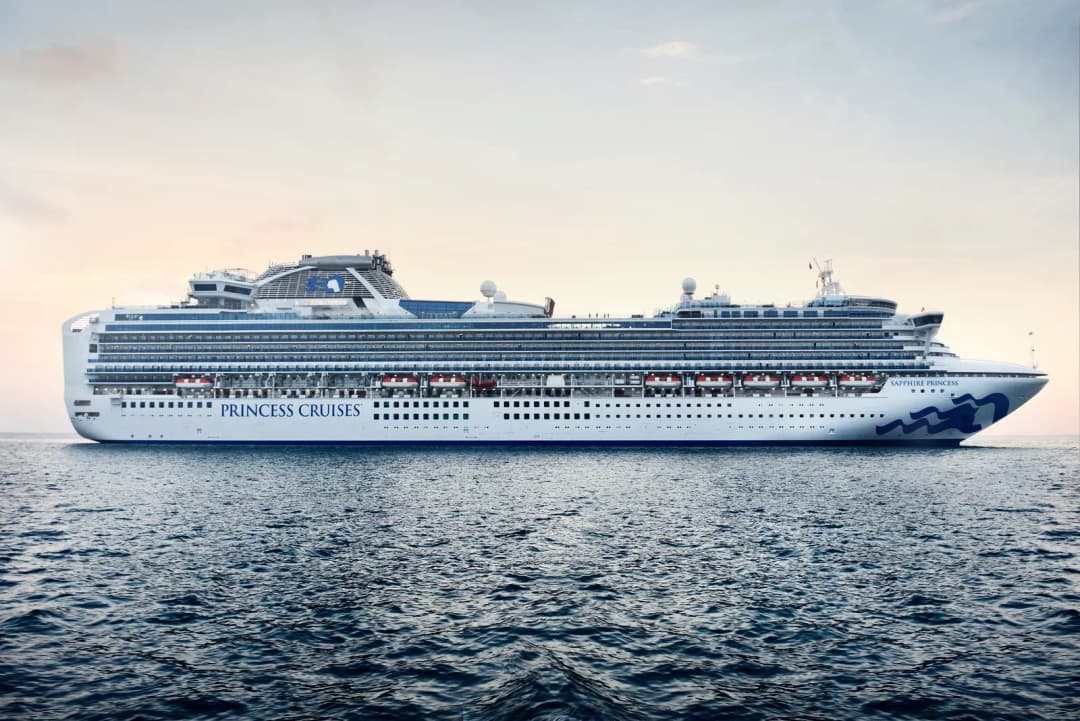
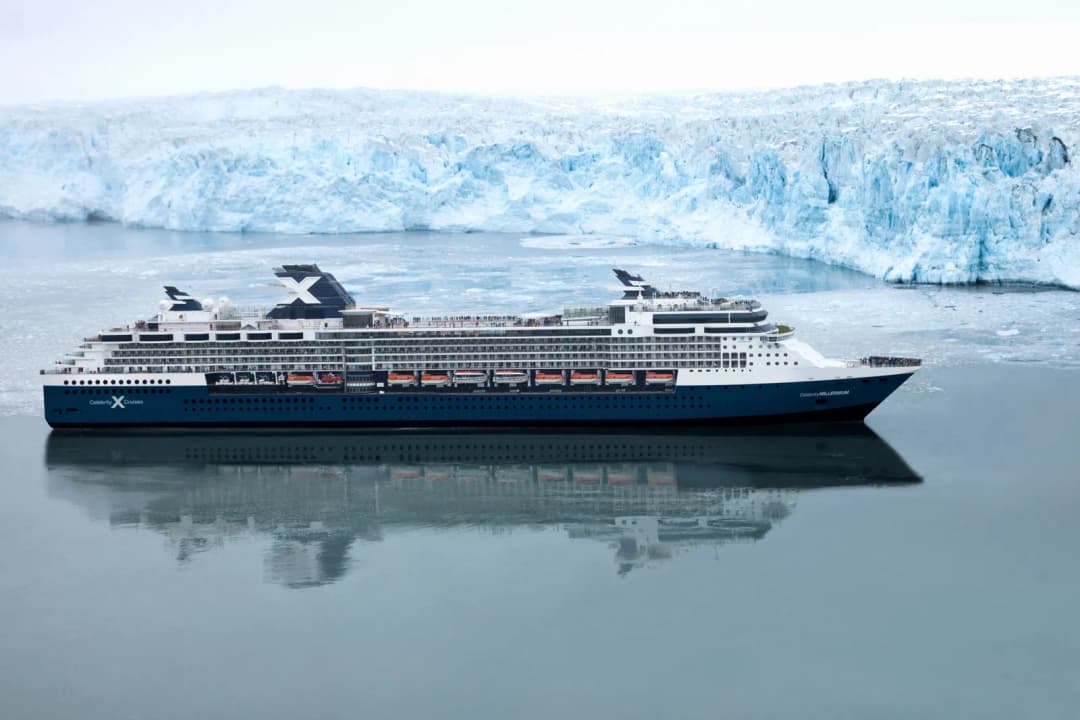
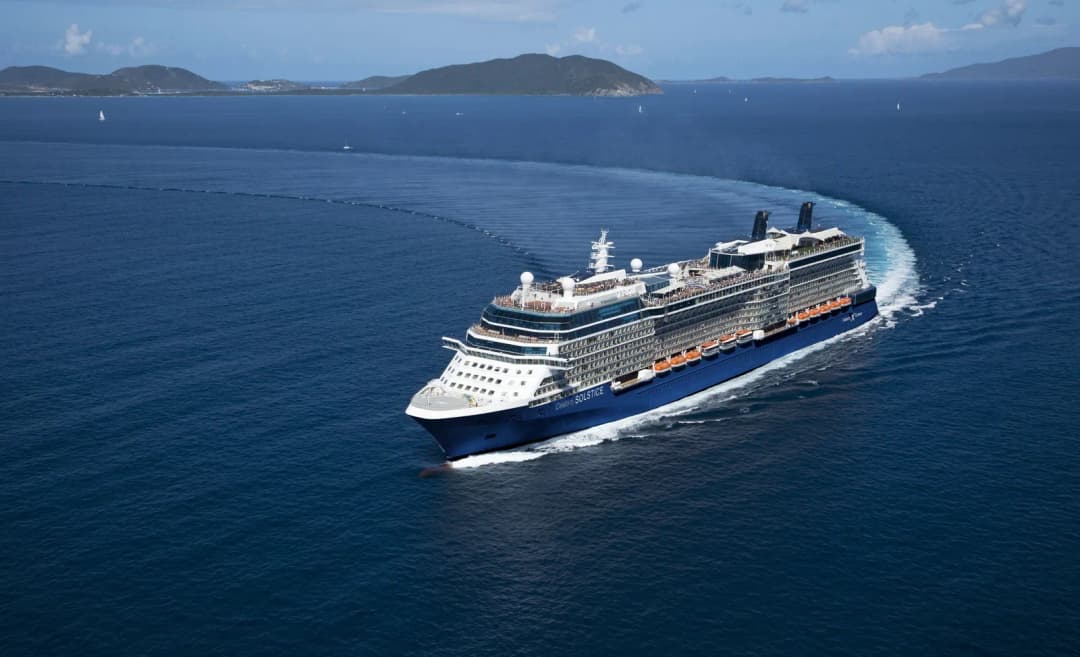
Cruise lines calling here: 8 places
Celebrity CruisesEmerald CruisesHolland America LineNorwegian Cruise LinePrincess CruisesRegent Seven Seas CruisesRoyal Caribbean InternationalThe Ritz-Carlton Yacht Collection