Nakatottei Passenger Terminal → Minato Motomachi Station
Walk from the terminal to Kobe Municipal Subway Kaigan Line Minato Motomachi Station.
Opening CruiseMap…

Japan · Port
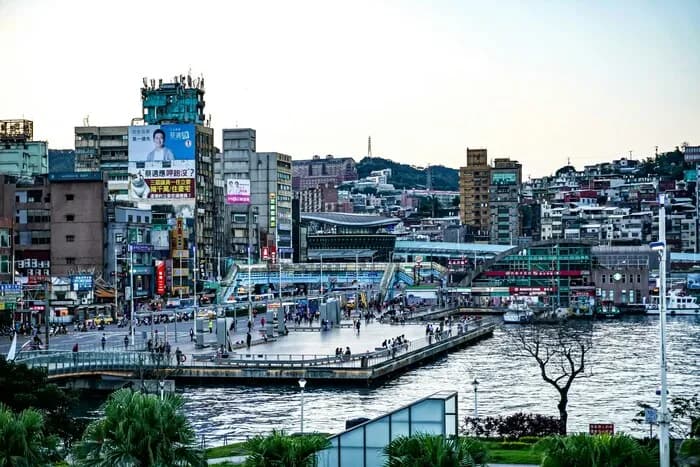
Photo by Clark Gu on Unsplash




Showing the next 12 cruises out of 76 visiting this port.
Previous ports
These ports appear before or after this stop on the same itinerary. The numbers show how often they occur together.
Explore cabin types, dining and deck facilities for each ship.
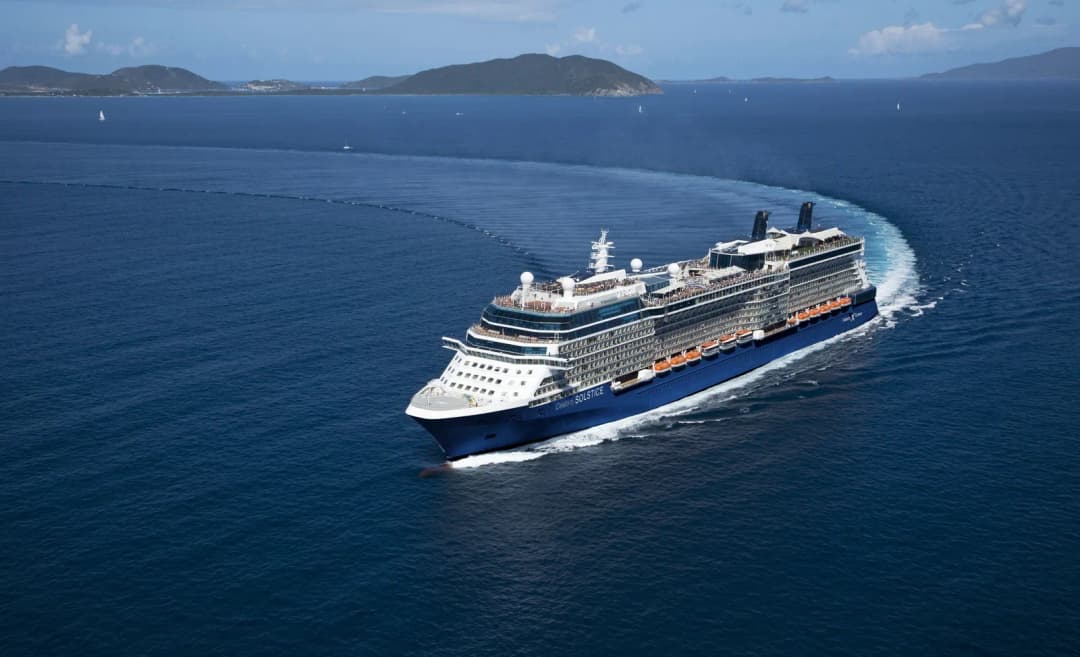
Celebrity Cruises · 11 sailings
33 cabin types · 13 dining venues · 43 entertainment options · 14 decks
Explore the ship
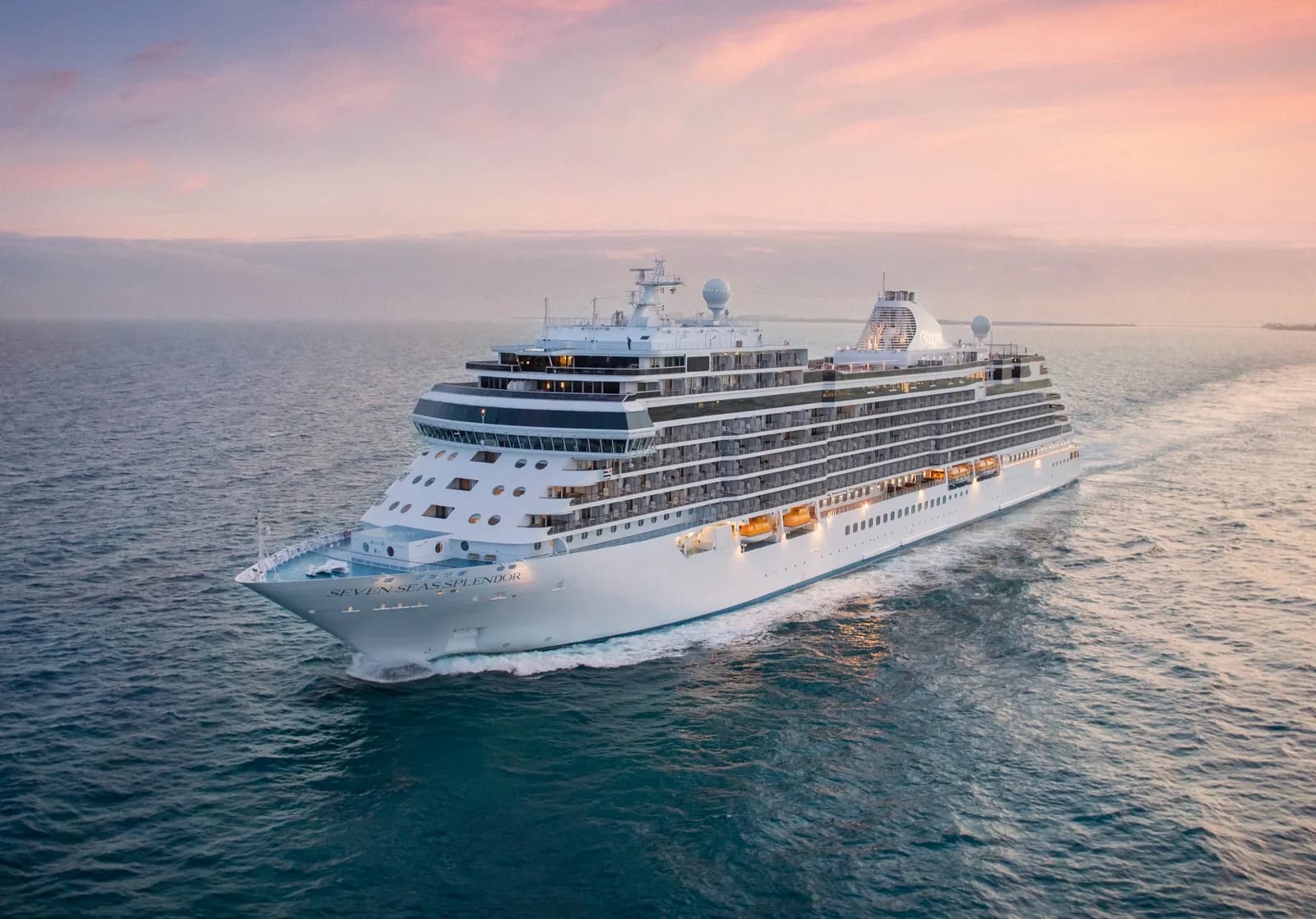
Regent Seven Seas Cruises · 10 sailings
10 cabin types · 10 dining venues · 39 entertainment options · 10 decks
Explore the ship
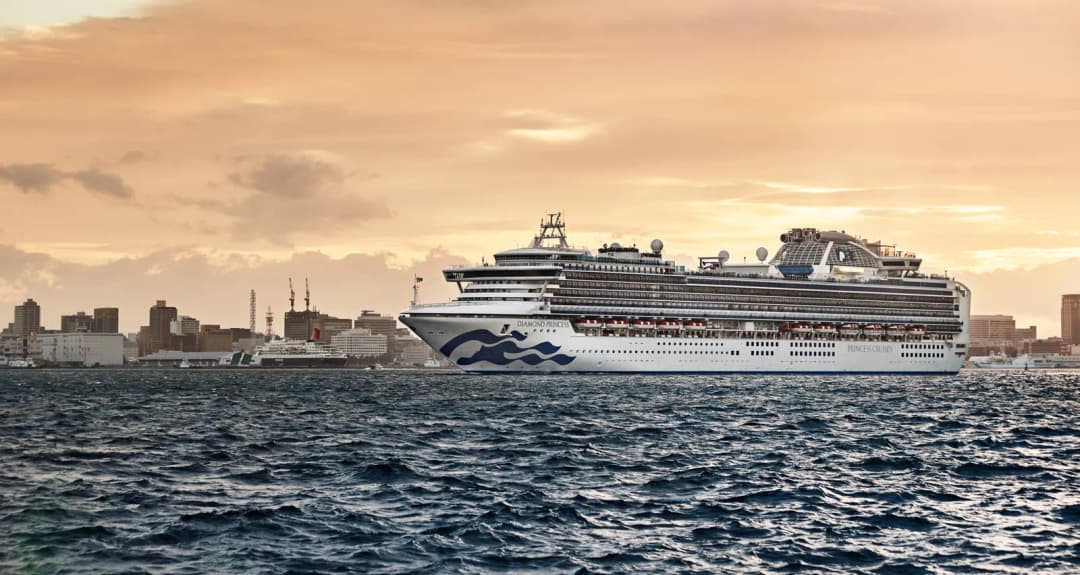
Princess Cruises · 9 sailings
7 cabin types · 17 dining venues · 27 entertainment options · 13 decks
Explore the ship
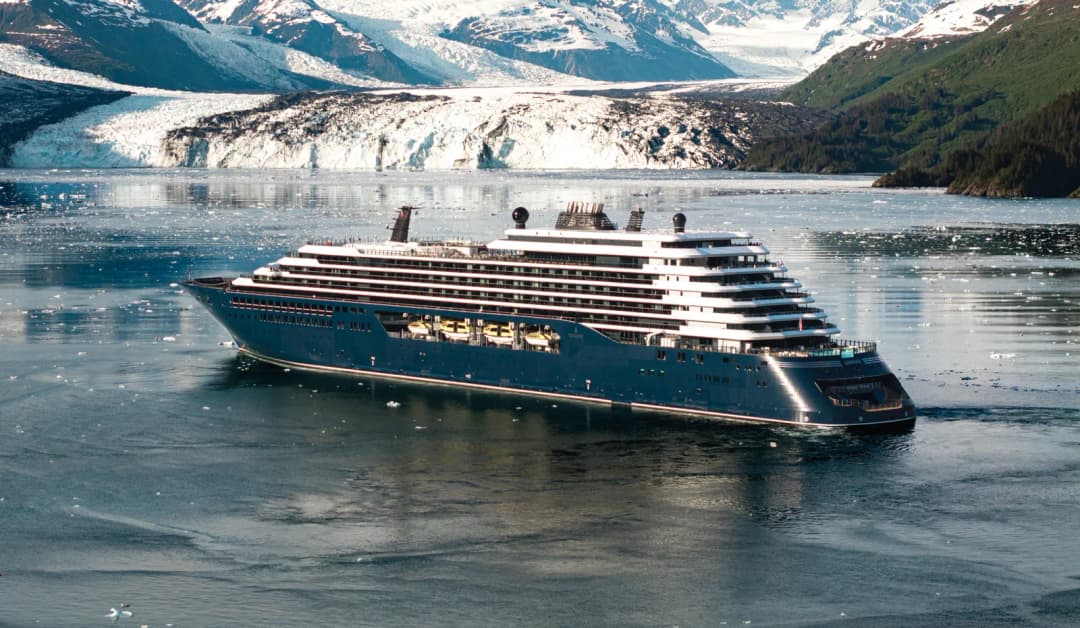
The Ritz-Carlton Yacht Collection · 8 sailings
8 cabin types · 6 dining venues · 10 entertainment options · 8 decks
Explore the ship
Cruise port in Japan
Allow about 20 min each way from the terminal to the city center. Average time in port: 12.5 hours. 40 places to explore.
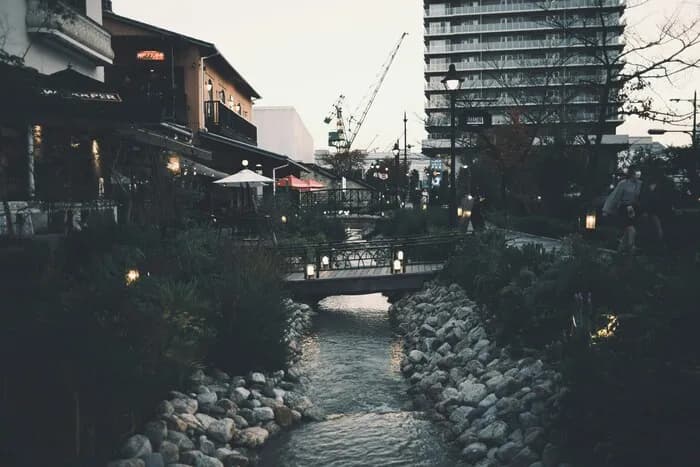
Photo by Clark Gu on Unsplash
Cruise ships dock at Kobe cruise terminals. Allow about 20 min each way from the terminal to the city center.
The assigned dock is one of Kobe Port Terminal, Nakatottei Passenger Terminal and varies by sailing.
Time available at the destination after subtracting return travel.
Calculated from the average time in port. Return deadlines vary by sailing; check the daily programme on board.
Travel between the terminal, city center, railway station and airport.
Nakatottei Passenger Terminal → Minato Motomachi Station
Walk from the terminal to Kobe Municipal Subway Kaigan Line Minato Motomachi Station.
Kobe Port Terminal → Sannomiya Station
At nearby Port Terminal Station, take the Port Liner and get off 2 stops later at Sannomiya Station. The adult fare is 210 yen.
Sannomiya Station → Kobe Port Terminal
At Sannomiya Station, take the Port Liner and get off 2 stops later at Port Terminal Station. The terminal is right nearby.
Kobe Port Terminal → Kansai International Airport
Pre-book an Alphard vehicle to Kansai International Airport, setting Kobe Port Terminal as the pick-up location. The stated 23,000 yen is a flat fare for the vehicle.
Kobe Airport → Kobe Port Terminal
At Kobe Airport, take the Port Liner and get off 6 stops later at Port Terminal Station. The terminal is right nearby.
Nakatottei Passenger Terminal → West exit of JR / Hanshin Motomachi Station
Walk from the terminal to the west exit of JR / Hanshin Motomachi Station.
Kobe Port Terminal → JR Sannomiya Station
Take a taxi from Kobe Port Terminal to JR Sannomiya Station.
Kobe Port Terminal → Kobe Airport
At Port Terminal Station, take the Port Liner to Kobe Airport Station.
Nakatottei Passenger Terminal → Central ticket gate at JR Kobe Station
Walk from the terminal to the central ticket gate at JR Kobe Station.
Nakatottei Passenger Terminal → JR Sannomiya Station
Take a taxi from Nakatottei Passenger Terminal to JR Sannomiya Station.
Nakatottei Passenger Terminal → Kansai International Airport
Pre-book an Alphard vehicle to Kansai International Airport, setting Nakatottei Passenger Terminal as the pick-up location. The stated 23,000 yen is a flat fare for the vehicle.
Kobe Airport → Nakatottei Passenger Terminal
Take a taxi from Kobe Airport to Nakatottei Passenger Terminal.
Nakatottei Passenger Terminal → Kobe Airport
Take a taxi from Nakatottei Passenger Terminal to Kobe Airport.
Nakatottei Passenger Terminal → Port Tower Mae bus stop
Walk from the terminal to the Port Tower Mae stop for the City Loop or Port Loop.
Explore 6 checked places. Select a pin to see its card, or choose View on map from a card.

Kobe's official tourism guide introduces this tower as a landmark of the port city.
A date- and time-specific ticket is required to enter the observation floors and rooftop at Kobe Port Tower, so buy it online before visiting.

Counted among Japan’s three great ancient hot springs, this hot-spring town is known for its Kinsen and Ginsen waters. It has public bathhouses and retains nostalgic old streetscapes.
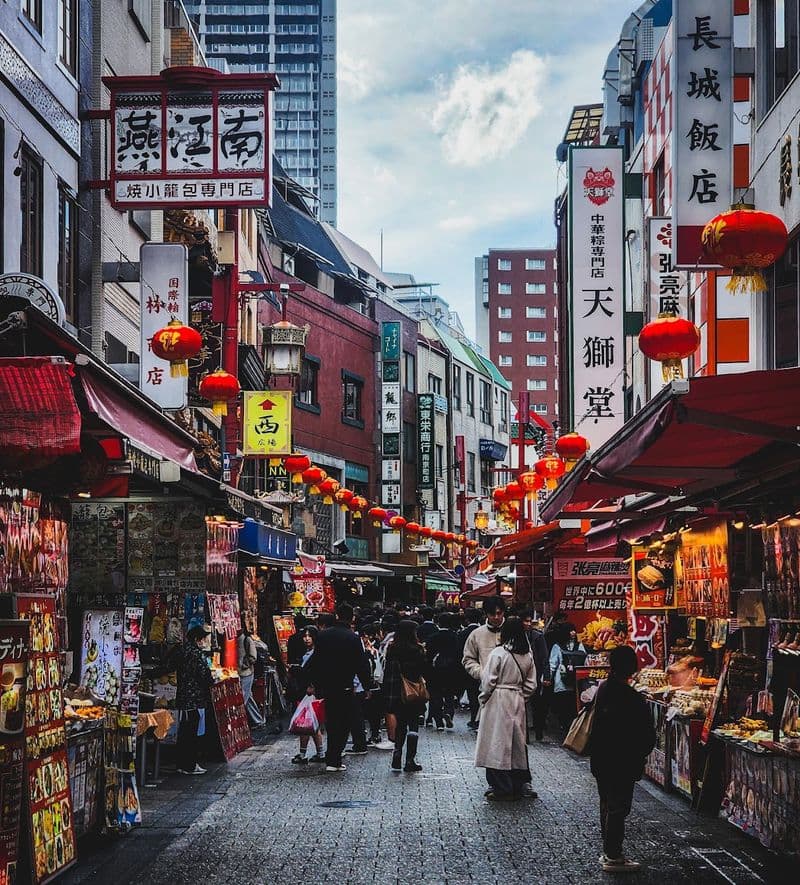
Counted among Japan's three major Chinatowns, this is a good place to stroll while eating snacks. Local favorites include gyoza with miso sauce and steamed pork buns (butaman).
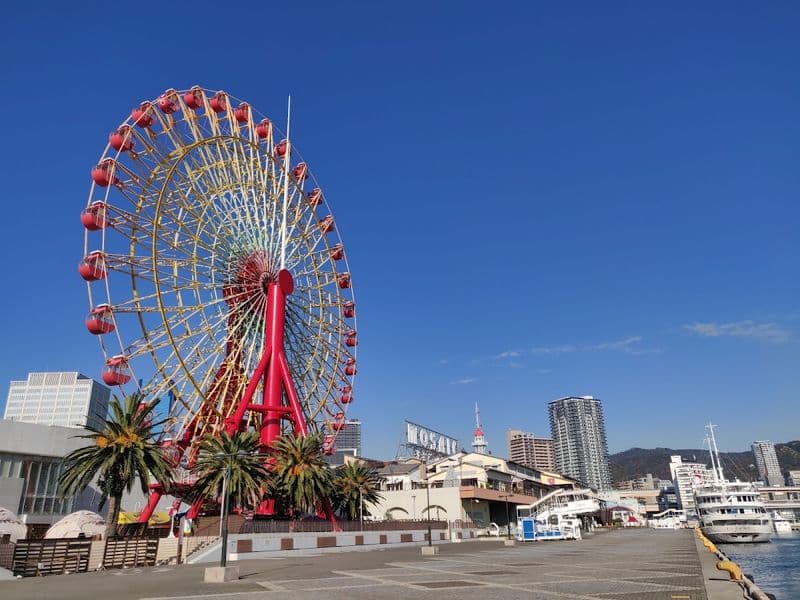
This is described as one of Kobe's main shopping and sightseeing districts, located along the waterfront.
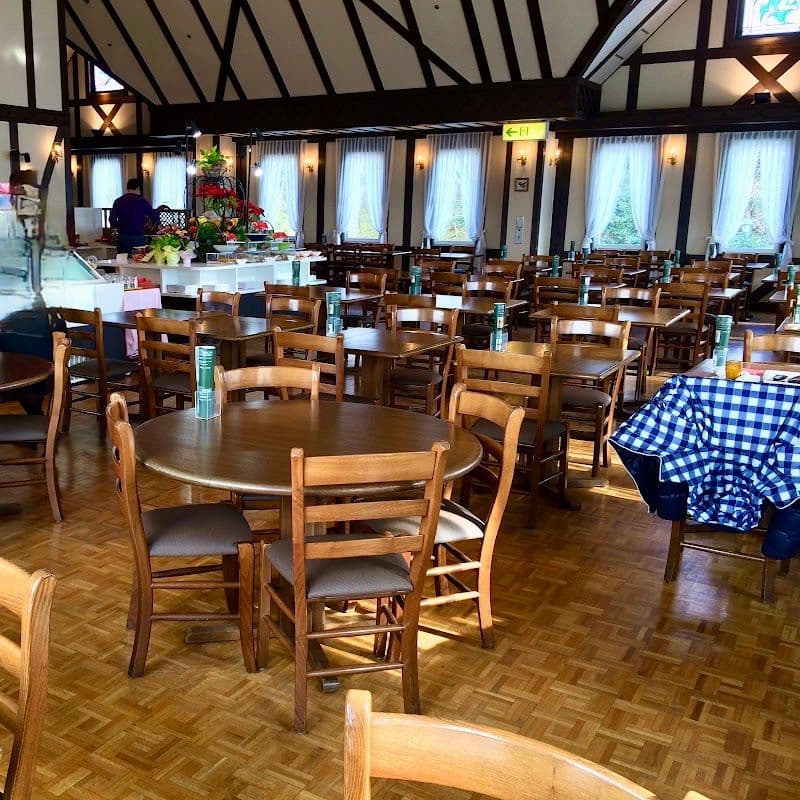
This restaurant is inside a herb garden and serves a buffet made with fresh ingredients grown around the garden.
Reviews say Herb Dining could not accommodate a guest’s dietary restrictions and required the accompanying diners to order as well, so if you have restrictions such as vegetarianism, check the menu and ordering terms before booking.

This street is lined with historic residences where foreigners lived after the port opened.
With enough time in port, you can explore beyond the city. One-way times are approximate.

This is listed as a historical attraction in an introduction to Osaka's tourist sites.
Queues may form to buy tickets on site at Osaka Castle during busy periods, so buy admission tickets online in advance.
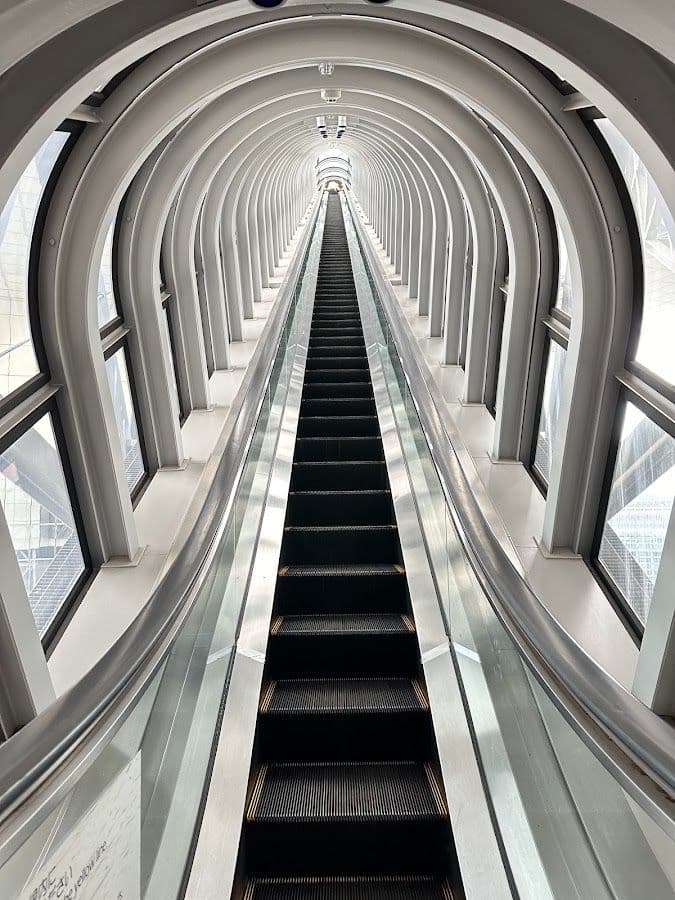
Visitors can feel the breeze and look out over Osaka's night view from the 360-degree open-air rooftop observation deck.
Reviews say some visitors waited more than 30 minutes for the elevator to the Umeda Sky Building observatory during the Christmas season, so allow extra time at the end of the year.
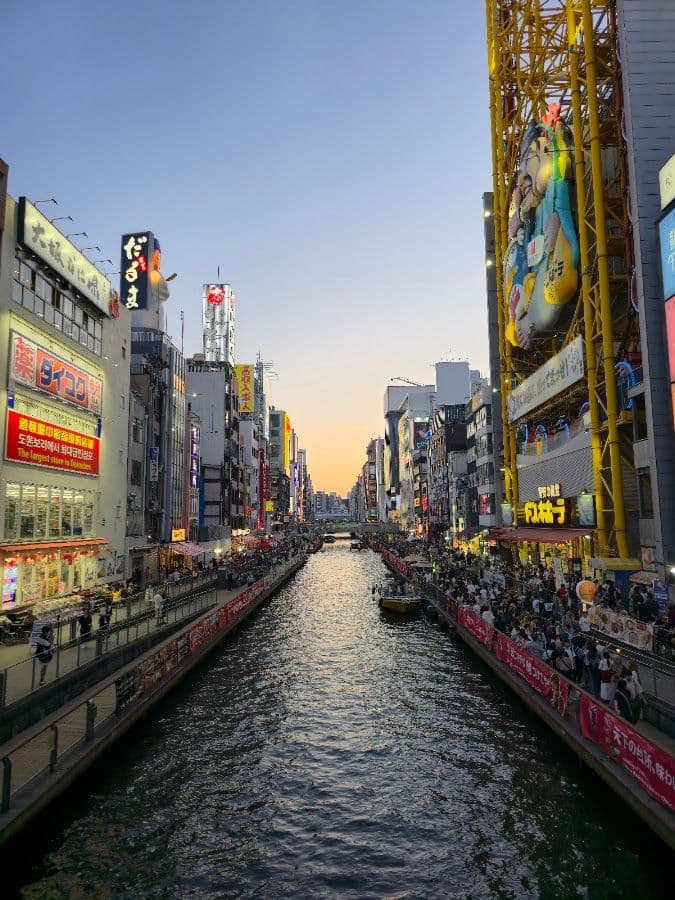
This is one of Osaka's signature entertainment districts, with restaurants, bars, and shops lining the canal. Its retro atmosphere, bright neon signs, abundant street food, and the Glico sign are local highlights.
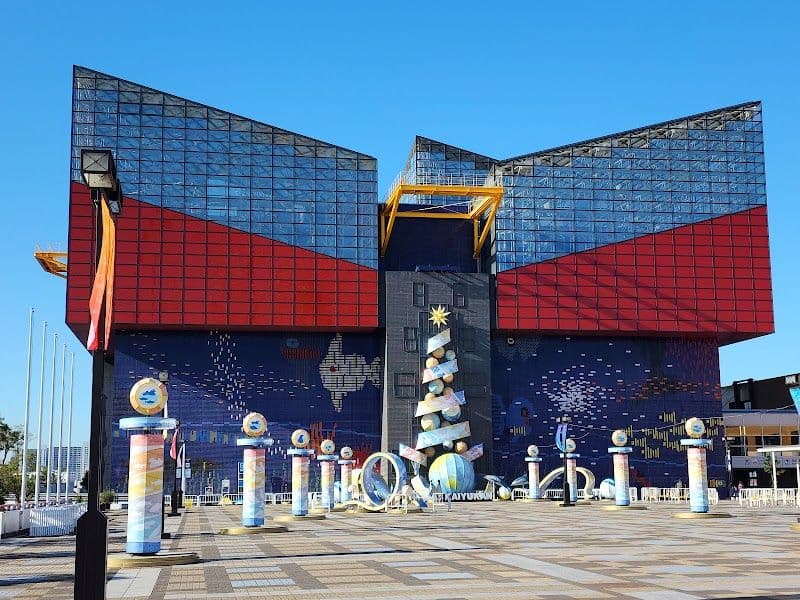
Visitors follow a one-way route through this aquarium, starting on the eighth floor and continuing downward. A complete visit is stated to take about 90–120 minutes.
Kaiyukan uses timed entry, and tickets bought on site may be for several hours later, so buy an online ticket in advance for your preferred time.

This area retains the look of old Osaka streets and is home to arcade game machines, neon signs, distinctive shops, street food, and bars. Osaka's signature kushikatsu is a must-try.

This Osaka shopping arcade extends from Dotonbori. It is convenient to stop by for shopping after dining and sightseeing in Namba and Dotonbori.
Shinsaibashi-suji is busy from daytime through evening, especially around mealtimes and toward Dotonbori, so allow plenty of time to get around.
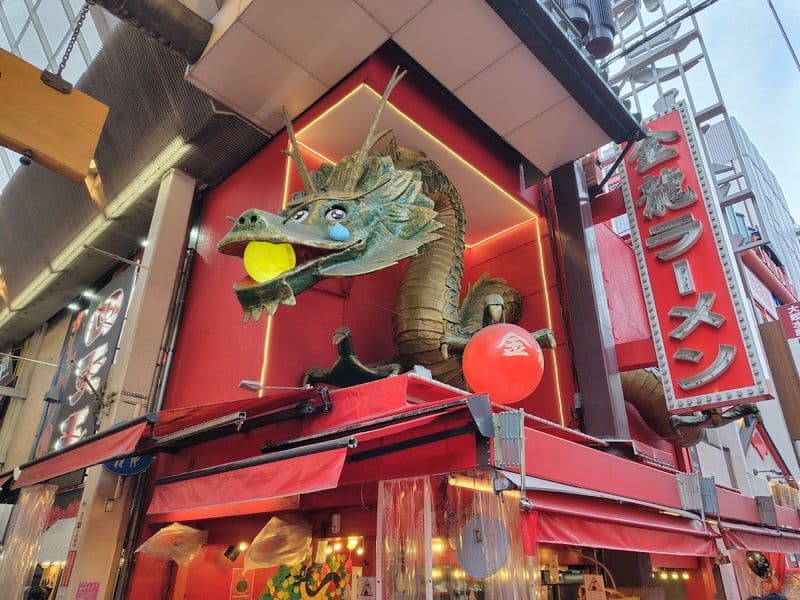
This is a well-known ramen shop in the Dotonbori area.

This is a well-known dining spot in the Dotonbori area.
At Acchichi Honpo, takeaway orders cannot be eaten in the downstairs dining area, so decide where you will eat before ordering.
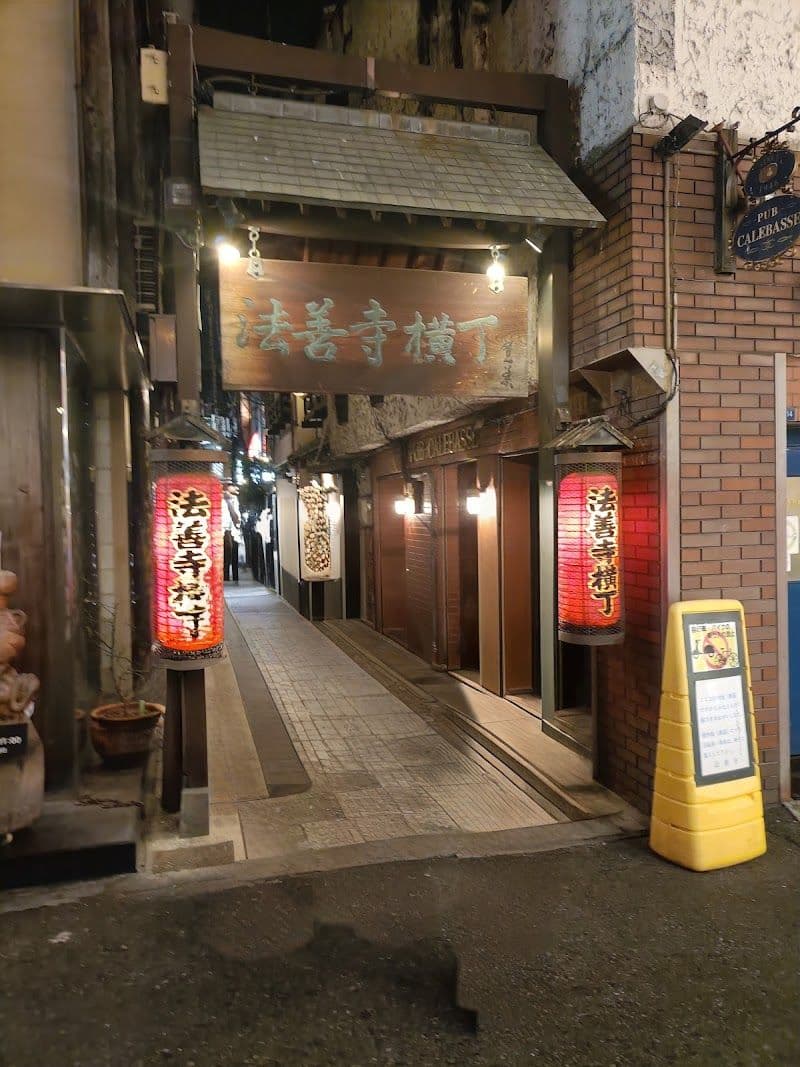
This is one of Osaka's signature alleys, retaining an Edo-period atmosphere and lined with traditional shops and restaurants. It is named after Hozenji Temple, where visitors pour water over the temple's statue and pray for good luck.
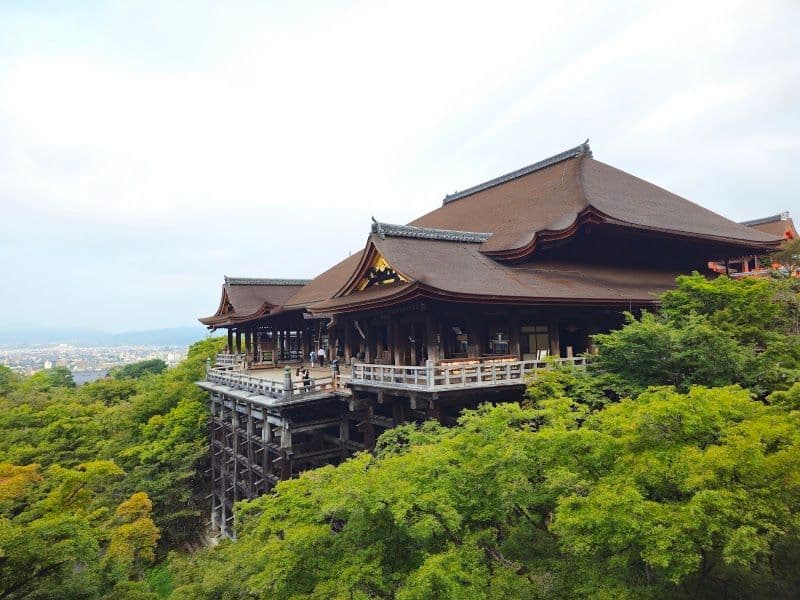
This is a World Heritage site and one of Kyoto's signature attractions. From the 'Kiyomizu Stage' of the main hall, visitors can look out over Kyoto City.

This Kyoto attraction is known for its golden, shining reliquary hall.
The route at Kinkaku-ji has gravel paths, slopes, and uneven stairs, so wear comfortable walking shoes.

This World Heritage site is described as a space expressing the wabi-sabi aesthetic sensibility of Ashikaga Yoshimasa.
Reviews say admission to Ginkaku-ji was ¥1,000 rather than the ¥500 in an old notice, so check the current price before visiting.

This temple, a Kyoto sightseeing attraction known for its five-story pagoda, is registered as a World Cultural Heritage Site.

This shrine, with its impressive red great torii and grand shrine buildings, was established in 1895 to mark the 1,100th anniversary of the capital's move to Heian. It recreates the main government compound of the Heian period, and the gardens surrounding the shrines are also worth seeing.

This temple in the Okazaki district has Lake Biwa Canal water flowing through its grounds and beautiful scenery in every season. Highlights include the Sanmon gate and the red-brick Suirokaku aqueduct.
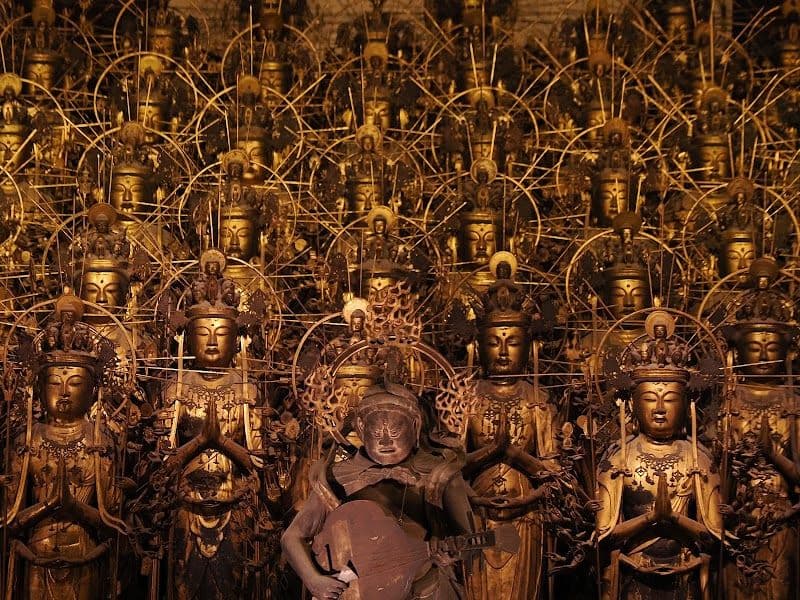
Inside the approximately 120 m-long main hall are a seated statue of the Thousand-Armed Kannon and 1,000 standing statues of the Thousand-Armed Kannon.

This is Kyoto's oldest Zen temple. Highlights include a replica of the National Treasure Wind and Thunder Gods and the Twin Dragons ceiling painting, which covers an area the size of 108 tatami mats.

This bridge is a signature scenic spot in Sagano and Arashiyama. Visitors can enjoy cormorant fishing in summer and a fall foliage festival in autumn.

Around 130 shops selling fish, Kyoto vegetables, pickles, wagashi, and more are gathered along this market street, which is about 390 m long.
Nishiki Market may be so crowded from noon that it is difficult to move, so consider visiting around 10 a.m.

More than 5,000 orange torii gates line the hill behind the shrine. The Kyoto City Tourism Association describes it as one of Japan's most popular shrines.
The torii path near the entrance to Fushimi Inari Shrine may be slow-moving with photo crowds during the day, so consider visiting before 8 a.m. for a quieter walk.

Founded in 1947, this historic ramen shop is open from early morning until late at night. It draws many tourists as well as local residents.
Queues form at Honke Daiichi Asahi Main Branch in the morning and at night, and some visitors waited more than 1 hour, so allow plenty of time for your meal.

This neighborhood Chinese restaurant is busy with local diners both day and night. It is known for gyoza and tenshin-han, has about 80 menu items, and its regulars also like the fried pork.
Marushin Hanten accepts cash only, so bring cash before dining.

This clam-broth ramen shop is a 5-minute walk from Kyoto Station, right in front of the Richmond Hotel. Its signature hamaguri ramen is topped with three large clams.
Reviews say waits at Kaidashimen Kitada were 1 hour or more even in the evening, so do not schedule your meal too tightly.

This ramen shop is visited by local residents and tourists. Its popular Danchiku uses soy-sauce broth enriched with the savory flavor of oysters, clams, and freshwater clams.
Menya Yuko has few seats and queues form; reviews mention a 45-minute wait at dinner, so check the queue first if your schedule is tight.

This eel restaurant is near Nishiki Market, a 1-minute walk from Karasuma Station. It offers a wide range of dishes, from set meals such as hitsumabushi and unaju to casual items such as eel sushi rolls and eel rice balls.
Several reviews say a 10% charge is added to the meal price at Kyōunawa when reserving, so check the total before booking.
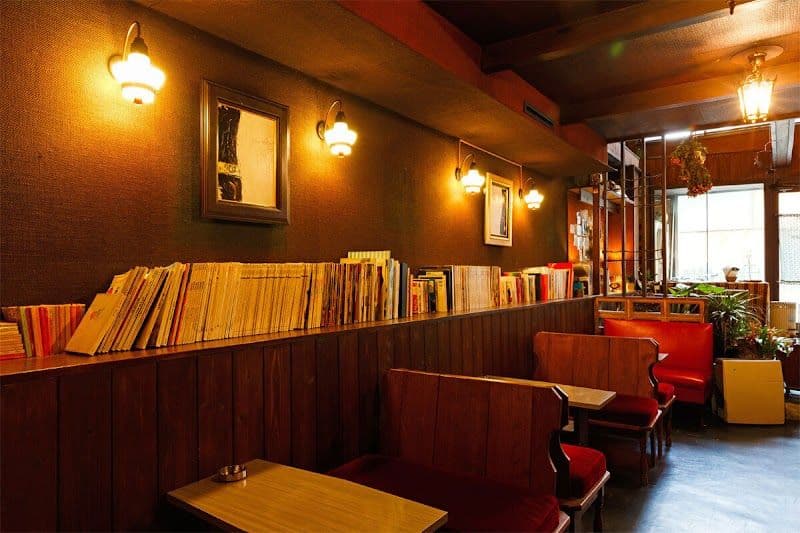
This retro-style teahouse is loved by local Kyoto residents and has been selected for Tabelog's '100 Famous Kissaten.' Its signature egg sandwich is based on a recipe inherited from the closed Western-style restaurant Corona.
Several reviews say Kissa Madragu (喫茶 マドラグ) was full from the morning and walk-ins were turned away, so reserve a date and table in advance.

This Wagyu specialty restaurant is near Fushimi Inari Shrine, with options ranging from a casual beef rice bowl to full teppanyaki. Dishes include a Wagyu beef rice bowl and a teppanyaki assortment of three kinds of Wagyu.

This eel restaurant is a 5-minute walk from Yasaka Shrine in Gion and grills carefully selected eel over charcoal until fragrant. Dishes include unaju, unagi-zukushi set meals, and hitsumabushi.

This rice-bowl specialty shop tops rice with thinly sliced Wagyu seared with a blowtorch. According to the source, it has used its current business name since July 20, 2026.
Reviews say the last order at Wagyu Volcano Oagari in Arashiyama was at 6 p.m., so check the opening hours and last order time if planning a late meal.
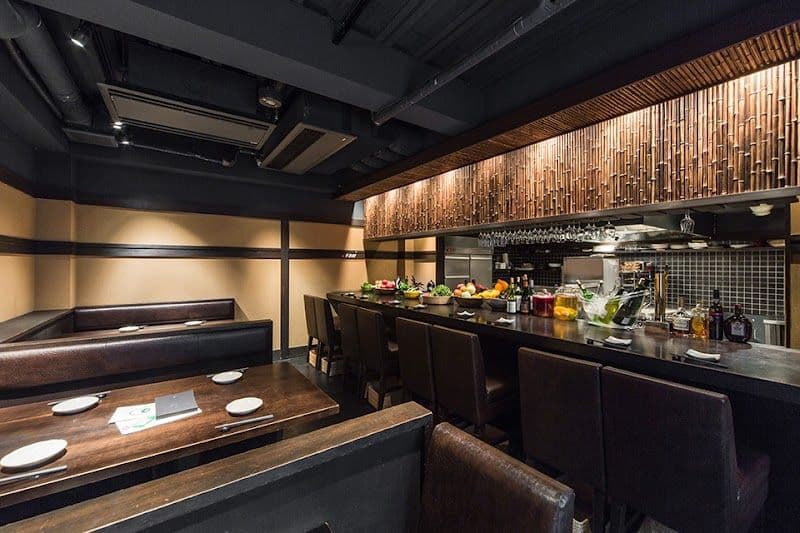
This restaurant serves vegetables from its own farm and partner farms alongside wine. Its popular salad hot pot, with all-you-can-eat vegetables, costs 2,000 yen.
The vegetable shabu-shabu course at Oyasai to Wine Isomatsu requires a reservation, so book in advance if that is what you want.
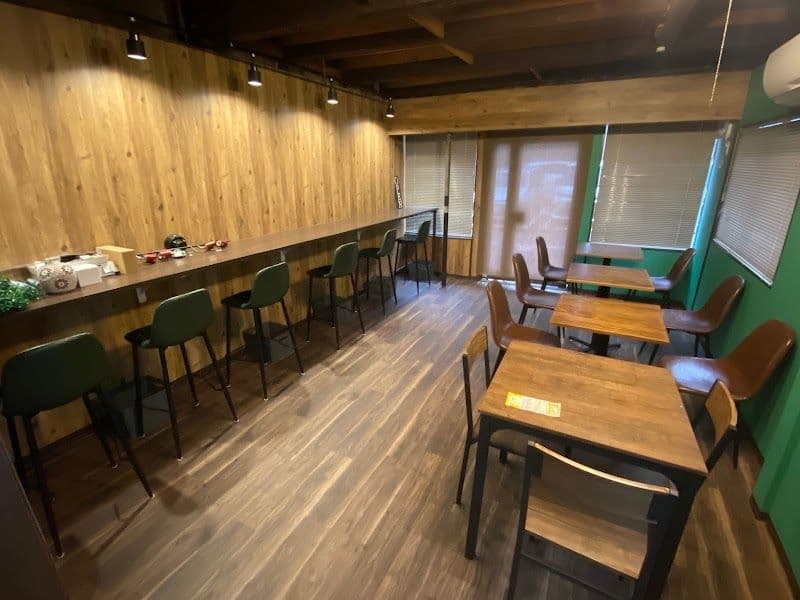
This curry restaurant is an 8-minute walk from Gojo Station. It serves tender noodles in black curry broth, including a dish topped with chili powder, onion flakes, niboshi, and Kujo green onions.

This is one of Kyoto's signature tourist streets, leading to Kiyomizu-dera Temple. Souvenir shops, confectionery shops, and Japanese-goods stores line its stone-paved route.

Opened in May 2024, this museum has a permanent exhibition about geiko, maiko, and the hanamachi culture.

This is one of Kyoto's signature streets, lined with traditional Japanese houses. It has many high-end restaurants and teahouses, and visitors may also see maiko and geisha.
88 sailings are grouped into 76 cruises by ship and route.
Royal Caribbean InternationalAsia cruises · 8 nights · Mid-length cruise
Princess CruisesSailing 2027.02Asia cruises · 31 nights · Long cruise
Princess CruisesSailing 2027.02Asia cruises · 25 nights · Long cruise
Norwegian Cruise LineAsia cruises · 11 nights · Long cruise
Princess CruisesAsia cruises · 15 nights · Long cruise
Princess CruisesSailing 2027.03Asia cruises · 26 nights · Long cruise
Princess CruisesAsia cruises · 11 nights · Long cruise
Princess CruisesAsia cruises · 23 nights · Long cruise
The Ritz-Carlton Yacht CollectionSailing 2027.03Asia cruises · 12 nights · Long cruise
Celebrity CruisesAsia cruises · 12 nights · Long cruise
Princess CruisesAsia cruises · 11 nights · Long cruise
Princess CruisesAsia cruises · 23 nights · Long cruise
76 cruises call at this port.
Explore cabin types, dining and deck facilities for each ship.
Celebrity Cruises · 11 sailings
33 cabin types · 13 dining venues · 43 entertainment options · 14 decks
Explore the ship
Regent Seven Seas Cruises · 10 sailings
10 cabin types · 10 dining venues · 39 entertainment options · 10 decks
Explore the ship
Princess Cruises · 9 sailings
7 cabin types · 17 dining venues · 27 entertainment options · 13 decks
Explore the ship
The Ritz-Carlton Yacht Collection · 8 sailings
8 cabin types · 6 dining venues · 10 entertainment options · 8 decks
Explore the ship
Located on the calm waters of the Inland Sea, Kobe has served as an important port town for hundreds of years. It was one of the first harbours to accept foreign traders in 1868 when Japan was just emerging from its centuries of isolation. What followed was a surge of Western trade and exports. Today, Kobe is quite multicultural, with expatriates from 98 different nations in residence, providing a cultural diversity most easily visible in restaurants serving every kind of cuisine, including the now world famous Kobe beef. The Great Hanshin Earthquake of 1995 set back Kobe’s development, but not for long. Kobe emerged more vibrant than before - with additional attractions, hotels and urban redevelopment, and only a few remnants of the extensive damage. It is a cosmopolitan place with lively shopping arcades, interesting museums, great restaurants, and a port that is still at the heart of things. Kobe is well known for its nightlife, in an intimate quarter of neon lights, cosy bars and sophisticated nightclubs. It also serves as the gateway to the ancient Japanese capitals of Kyoto and Nara.
Cruise lines calling here: 10 places
Tell us your travel dates, party size and budget to find suitable cruises calling here.
Some booking links are affiliate links. TravelersMap may earn a commission when you book, at no extra cost to you.