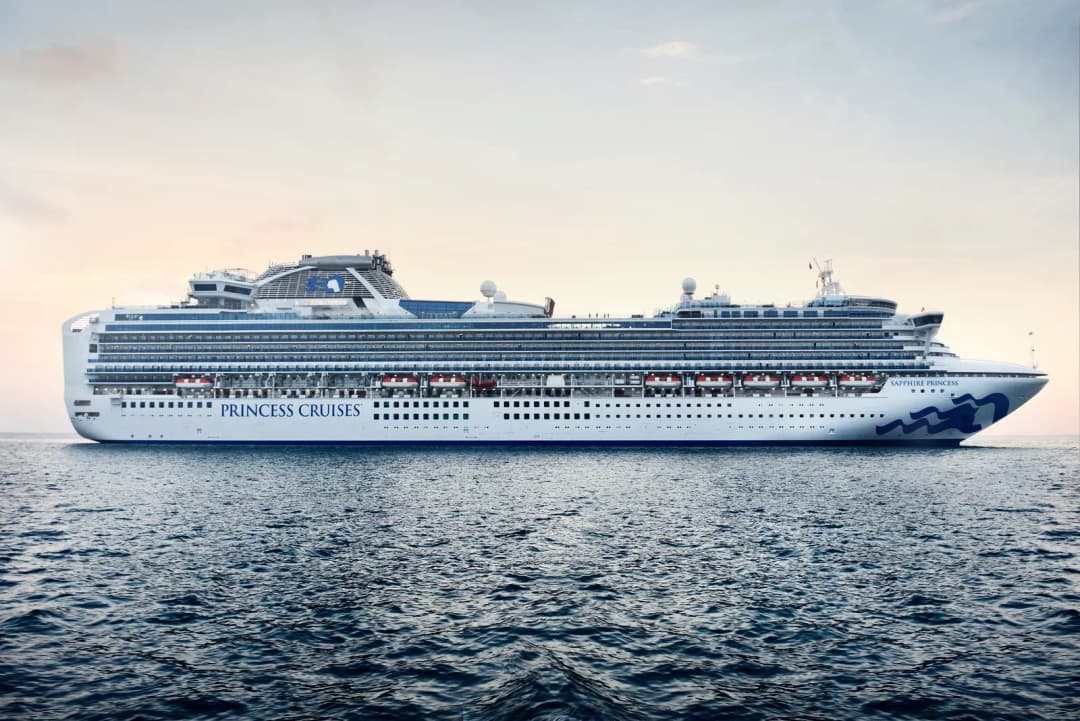
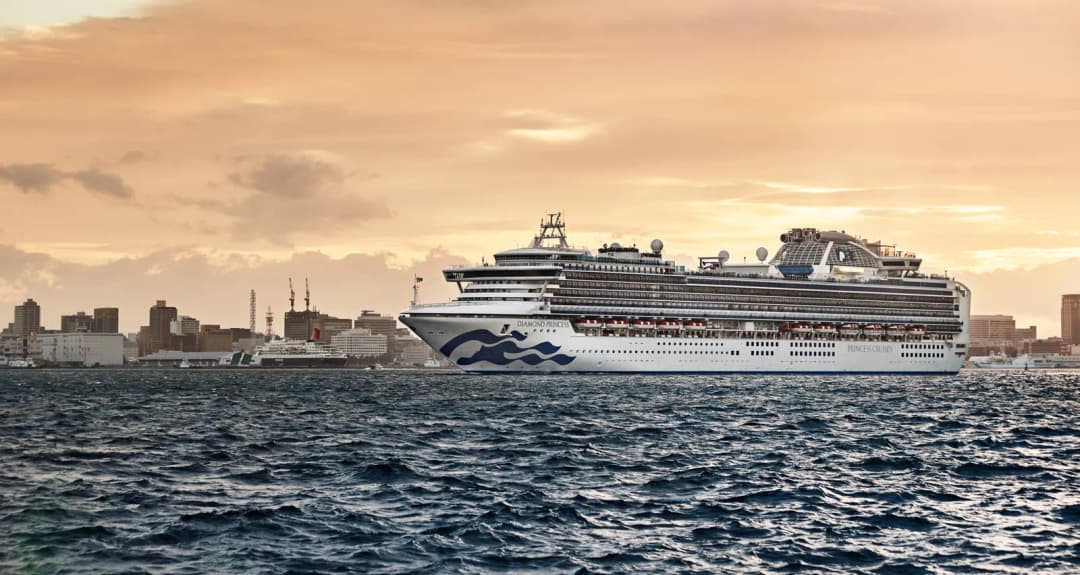
Toba Marine Terminal (Sadahama Pier) → Mikimoto Pearl Island
Walk south for 8 minutes along the seaside promenade from the terminal to the Pearl Bridge, which connects to the entrance of Mikimoto Pearl Island.
Opening CruiseMap…
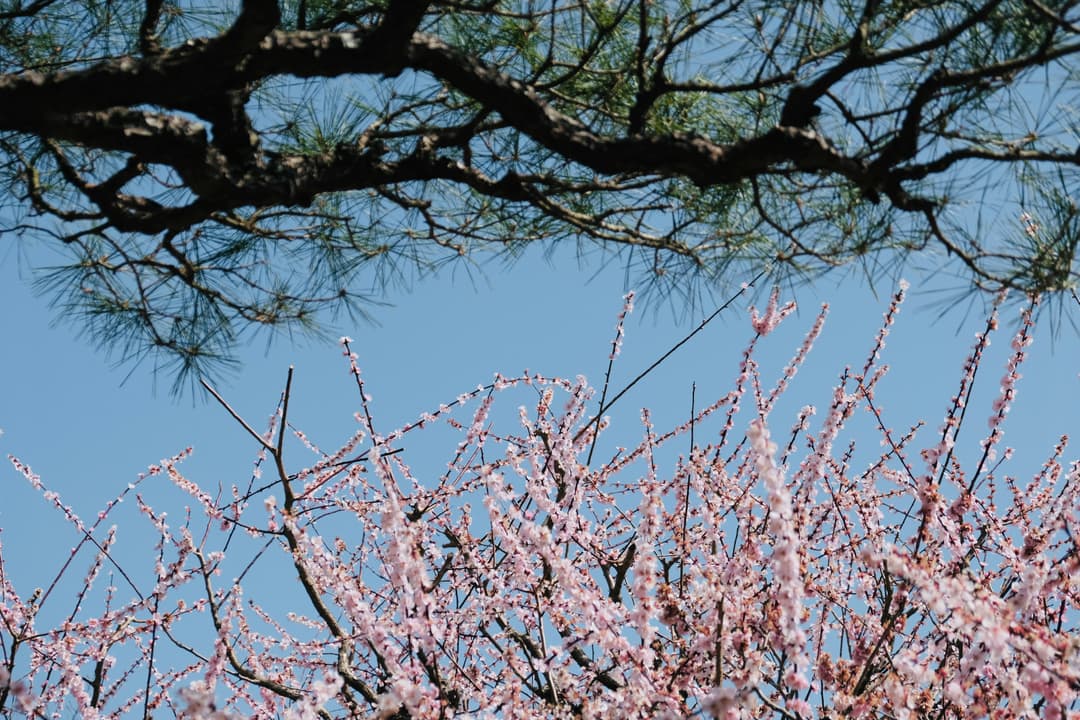
Japan · Port
Photo by WANG Tianfang on Unsplash





Showing the next 12 cruises out of 42 visiting this port.
Previous ports
These ports appear before or after this stop on the same itinerary. The numbers show how often they occur together.
Explore cabin types, dining and deck facilities for each ship.
Cruise port in Japan
Allow about 5 min each way from the terminal to the city center. Average time in port: 9 hours. 21 places to explore.
Photo by WANG Tianfang on Unsplash
Cruise ships dock at Toba Port Cruise Facilities. Allow about 5 min each way from the terminal to the city center.
Cruise ships dock at Toba Port Cruise Facilities.
Large cruise ships anchor in Toba Bay, then passengers take a tender boat to Sadahama Pier (Toba Marine Terminal). Mikimoto Pearl Island, Toba Aquarium, and Toba Station are all within a 5–15-minute walk.
From Kintetsu Toba Station, take a train for about 15 minutes to Ujiyamada or Iseshi Station, then a Mie Kotsu bus to Ise Jingu Naiku and the historic shopping street Okage Yokocho.
The last tender back to the ship closes about 1–2 hours before departure. Be sure to check the final tender time in the daily onboard guide.
Time available at the destination after subtracting return travel.
Calculated from the average time in port. Return deadlines vary by sailing; check the daily programme on board.
Travel between the terminal, city center, railway station and airport.
Toba Marine Terminal (Sadahama Pier) → Mikimoto Pearl Island
Walk south for 8 minutes along the seaside promenade from the terminal to the Pearl Bridge, which connects to the entrance of Mikimoto Pearl Island.
Toba Marine Terminal → Toba Aquarium
Walk straight southeast for 15 minutes along the coastal road, past Mikimoto Pearl Island, to the main entrance of Toba Aquarium.
Kintetsu Toba Station → Kintetsu Ujiyamada Station
At Kintetsu Toba Station, take an express or limited express on the Kintetsu Toba Line and get off at Ujiyamada Station.
Kintetsu Ujiyamada Station → Ise Jingu Naiku (Inner Shrine) & Okage Yokocho
At platform 1 at the bus stop in front of Ujiyamada Station, take a Mie Kotsu CAN Bus or a route bus toward Ise Jingu Naiku and get off at Naiku-mae.
Explore 10 checked places. Select a pin to see its card, or choose View on map from a card.

With about 1,200 species of animals, the most of any aquarium in Japan, this indoor aquarium is the only facility in Japan keeping dugongs. Visitors can also see cute sea otters and sea lion shows.
There is no set route, so you can visit the 12 themed areas in any order.

This museum is a National Important Tangible Folk Cultural Property and houses around 60,000 folk artifacts, including traditional fishing tools used by ama divers and fishermen and around 90 actual wooden boats.
Located about 20 minutes southeast of Toba by bus or taxi.
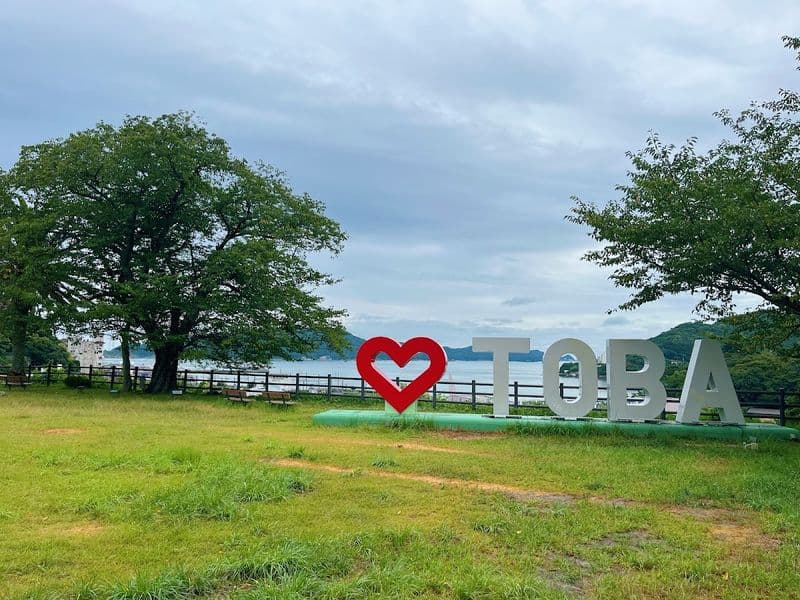
This is the site of a sea castle built facing the ocean by Kuki Yoshitaka, a commander of the Kuki navy. The Honmaru observation deck at the hilltop offers expansive views of Toba Bay and its islands.
There is a gentle stairway and uphill path from behind Toba Station to the observation deck.
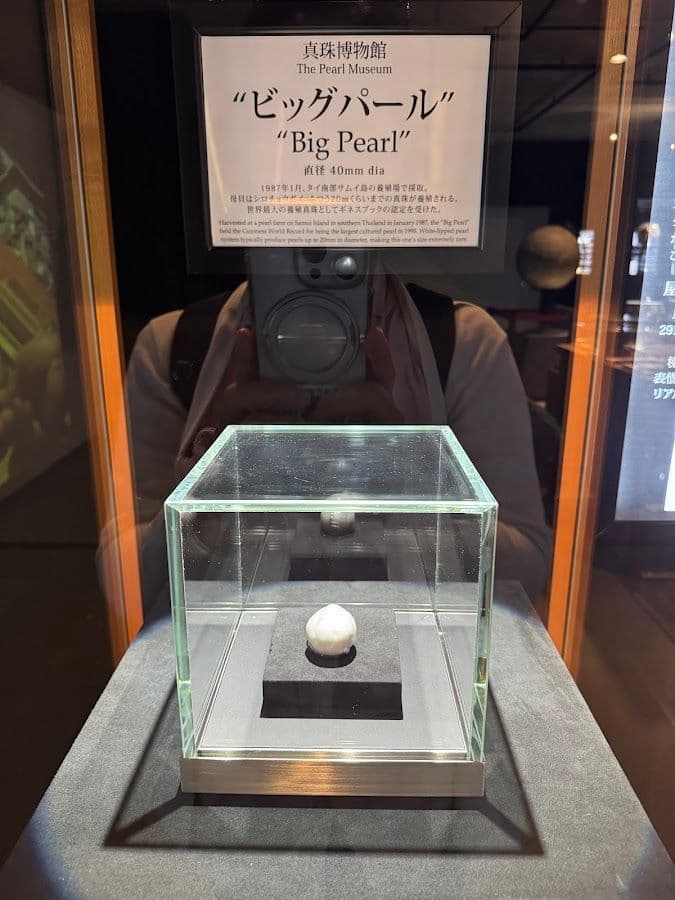
This island is where Kokichi Mikimoto succeeded in cultivating pearls for the first time in the world in 1893. Visitors can see a museum of antique pearl crafts and traditional ama free-diving demonstrations.
Traditional ama divers dressed in white demonstrate diving on the hour.
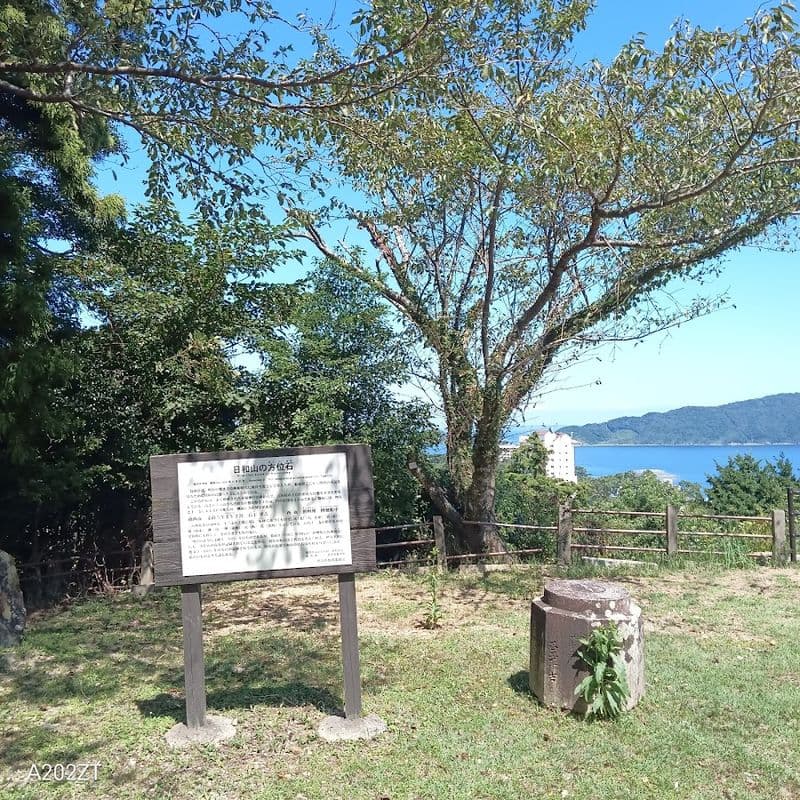
This hill retains a compass stone once used by sailors to check the wind and weather. It offers views of the Kintetsu railway and the waterways of Toba Bay.
There are stairs on the way up to the observatory.
With enough time in port, you can explore beyond the city. One-way times are approximate.
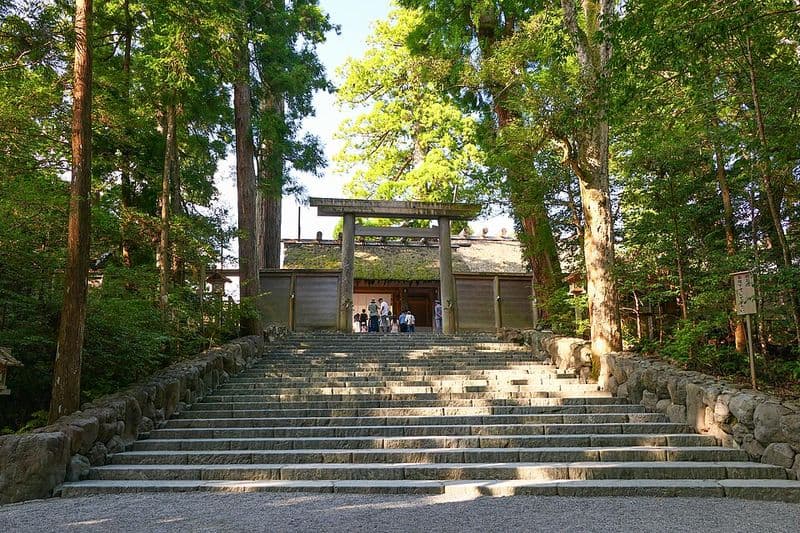
This is Japan’s foremost shrine, enshrining the sun deity Amaterasu Omikami, the ancestral deity of the Imperial family. Its ancient cedar-lined path, wooden Uji Bridge, and clear hand-washing place on the Isuzu River create a solemn atmosphere.
The gravel approach path is long, so wear comfortable flat sneakers.
This shrine enshrines Toyouke-no-Omikami, guardian deity of food, clothing, shelter, and industry. Tradition calls for visiting here first before worshipping at the Inner Shrine.
Excellent access by train, a 5-minute walk from JR/Kintetsu Iseshi Station.
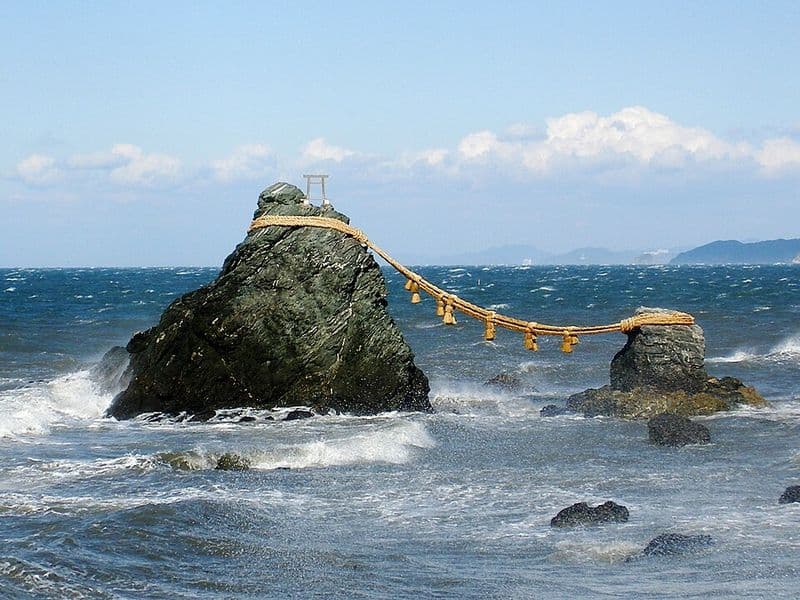
These are husband and wife rocks firmly joined by a thick shimenawa rope amid rough waves. The site is popular for praying for marital harmony and matchmaking, and for watching the sunrise.
Located at Futamiura midway between Toba and Ise, with easy access by CAN Bus.

This lively pilgrimage street stretches 800 m in front of the main gate of Ise Jingu's Inner Shrine, recreating wooden, tiled-roof buildings from the Edo and Meiji periods. It is packed with local food shops and craft stores.
The street is very crowded with worshippers during the day on weekends and holidays.
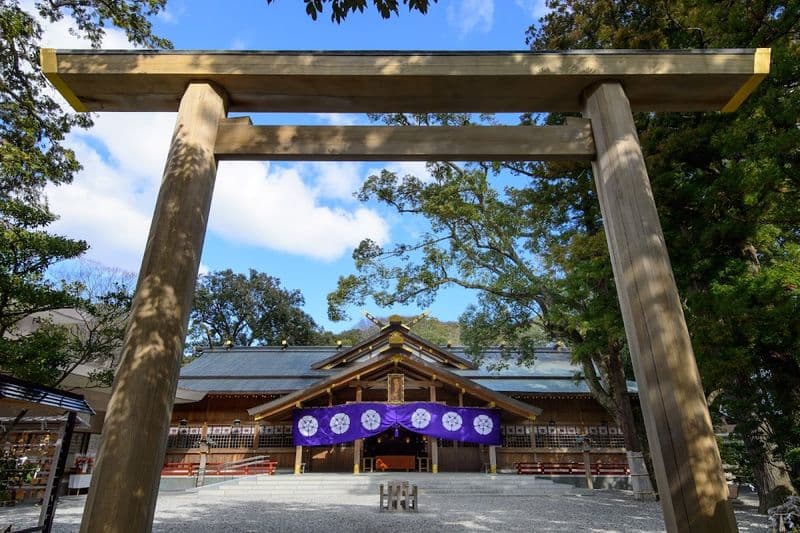
This shrine enshrines Sarutahiko Okami, a guide deity who leads people in a good direction. Worshippers continually visit to pray for new beginnings and safe travel.
Located a 10-minute walk from Ise Jingu Naiku.

Founded in 1707 and operating for more than 300 years, this is a leading Ise confectionery shop. It serves freshly brewed bancha tea with Akafuku mochi, soft red bean paste shaped to resemble waves on the Isuzu River atop rice cakes.
Located at the entrance to Okage Yokocho, where you can sample items in a tatami room overlooking the river.

Founded in 1909, this long-established butcher operates a takeaway counter for beef croquettes with crisp outsides and juicy centers, as well as an Ise beef gyudon restaurant.
The queue for takeaway croquettes on the street can be long, but it moves very quickly.
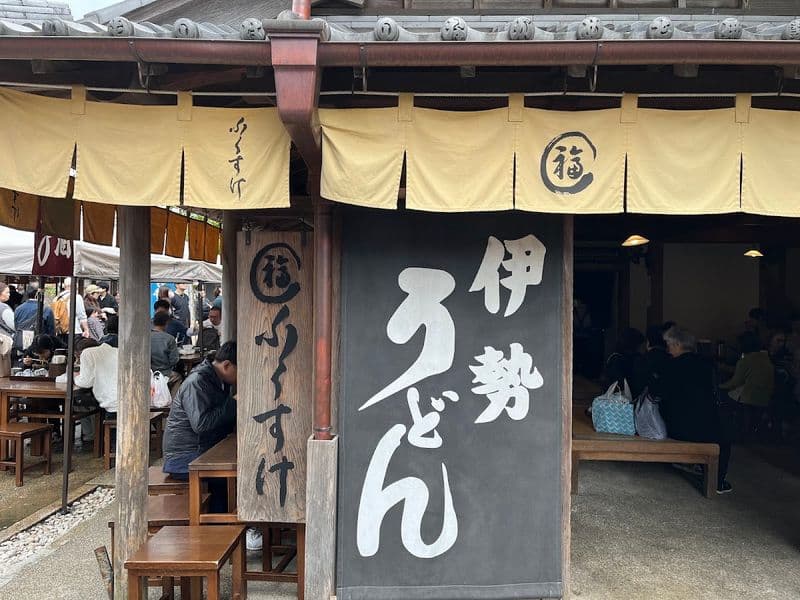
This traditional Ise udon shop serves thick noodles boiled for 1 hour until exceptionally soft, then tossed in a rich special tamari soy sauce infused with katsuobushi and natural kelp.
Located beside the Okage Yokocho plaza; food is served quickly after buying a meal ticket and taking a seat.
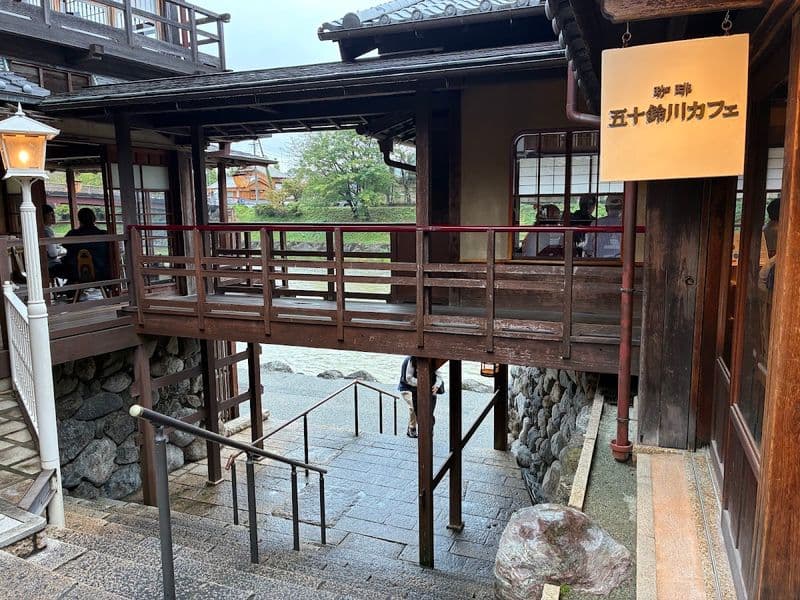
This wooden café faces the clear waters of the Isuzu River behind Oharaimachi. Guests can enjoy flannel-drip coffee, roll cake, and cheesecake while watching the river flow.
The riverside terrace and window counter seats are the most popular.
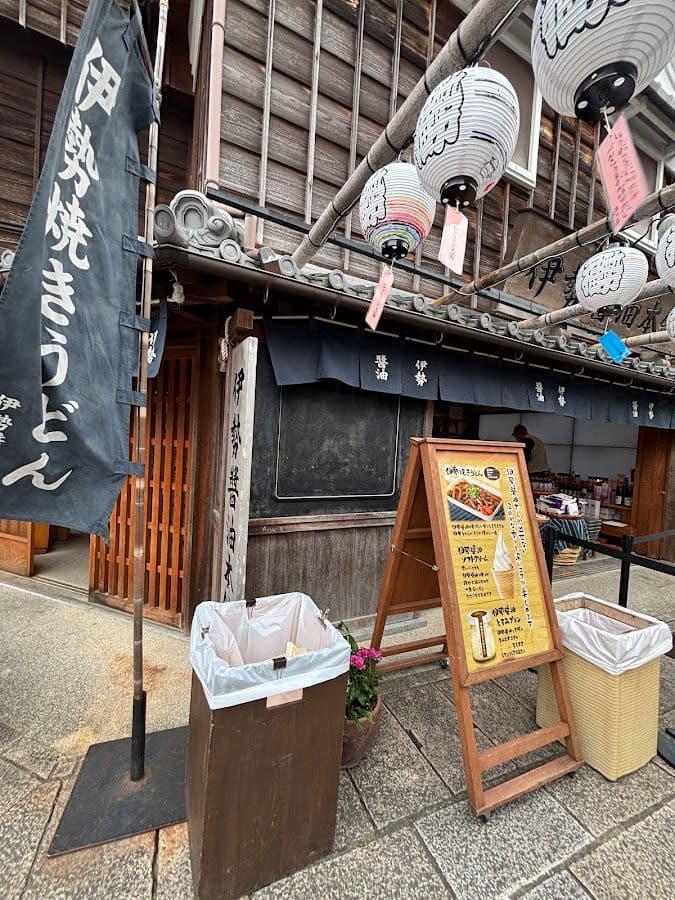
This shop specializes in rich Ise soy sauce brewed from soybeans and wheat from Mie Prefecture. It sells freshly grilled soy-sauce dango and savory Ise soy-sauce soft-serve ice cream.
Soy sauce soft serve and grilled dango are popular snacks along the approach to the shrine.

Located in Oharaimachi, this traditional restaurant serves premium Matsusaka beef steak rice bowls from Mie Prefecture and set meals with red sea bream from Ise Bay.
The Matsusaka beef loin grilled rice bowl is a popular menu item.
63 sailings are grouped into 42 cruises by ship and route.
Princess CruisesSailing 2027.02Asia cruises · 25 nights · Long cruise
Princess CruisesAsia cruises · 23 nights · Long cruise
Princess CruisesAsia cruises · 11 nights · Long cruise
Princess CruisesAsia cruises · 12 nights · Long cruise
Princess CruisesAsia cruises · 22 nights · Long cruise
Princess CruisesAsia cruises · 24 nights · Long cruise
Princess CruisesAsia cruises · 23 nights · Long cruise
Princess CruisesAsia cruises · 10 nights · Mid-length cruise
Princess CruisesAsia cruises · 21 nights · Long cruise
Princess CruisesAsia cruises · 12 nights · Long cruise
Princess CruisesAsia cruises · 10 nights · Mid-length cruise
Princess CruisesAsia cruises · 20 nights · Long cruise
42 cruises call at this port.
Explore cabin types, dining and deck facilities for each ship.
Toba, Japan is a cruise port visited by 2 ships, with 63 upcoming sailings calling here.
Cruise lines calling here: 1 places
Tell us your travel dates, party size and budget to find suitable cruises calling here.
Some booking links are affiliate links. TravelersMap may earn a commission when you book, at no extra cost to you.