Terminal Amerigo Vespucci / 12 → Largo della Pace service center
Take the free port shuttle between the terminal and Largo della Pace service center at the port entrance.
Opening CruiseMap…

Italy · Port
Photo by David Köhler on Unsplash




Showing the next 12 cruises out of 91 visiting this port.
Previous ports
These ports appear before or after this stop on the same itinerary. The numbers show how often they occur together.
Explore cabin types, dining and deck facilities for each ship.
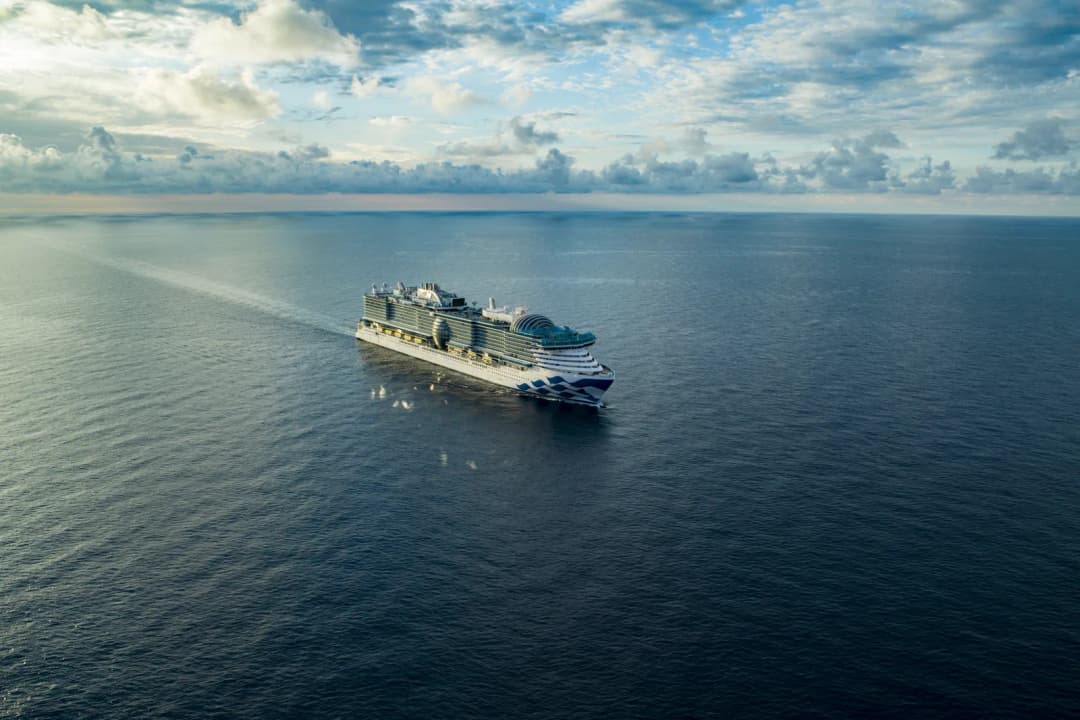
Princess Cruises · 154 sailings
7 cabin types · 10 dining venues · 17 entertainment options · 17 decks
Explore the ship
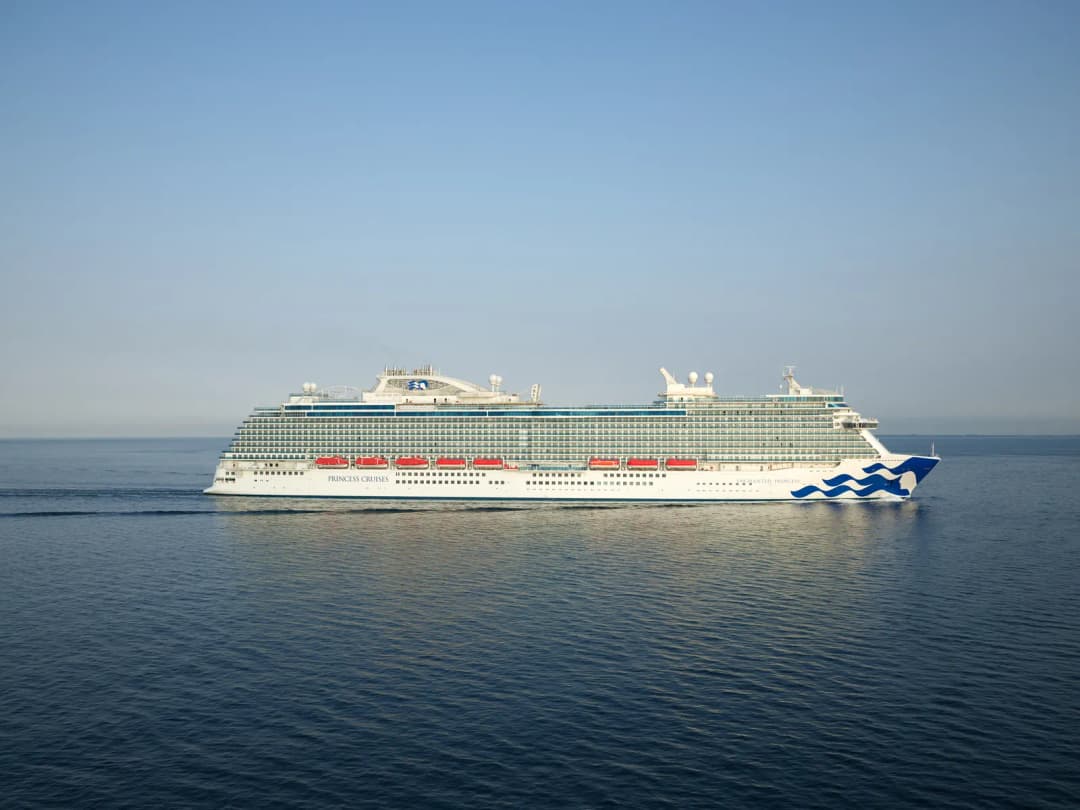
Princess Cruises · 98 sailings
8 cabin types · 16 dining venues · 29 entertainment options · 15 decks
Explore the ship

Virgin Voyages · 13 sailings
27 cabin types · 23 dining venues · 38 entertainment options · 14 decks
Explore the ship
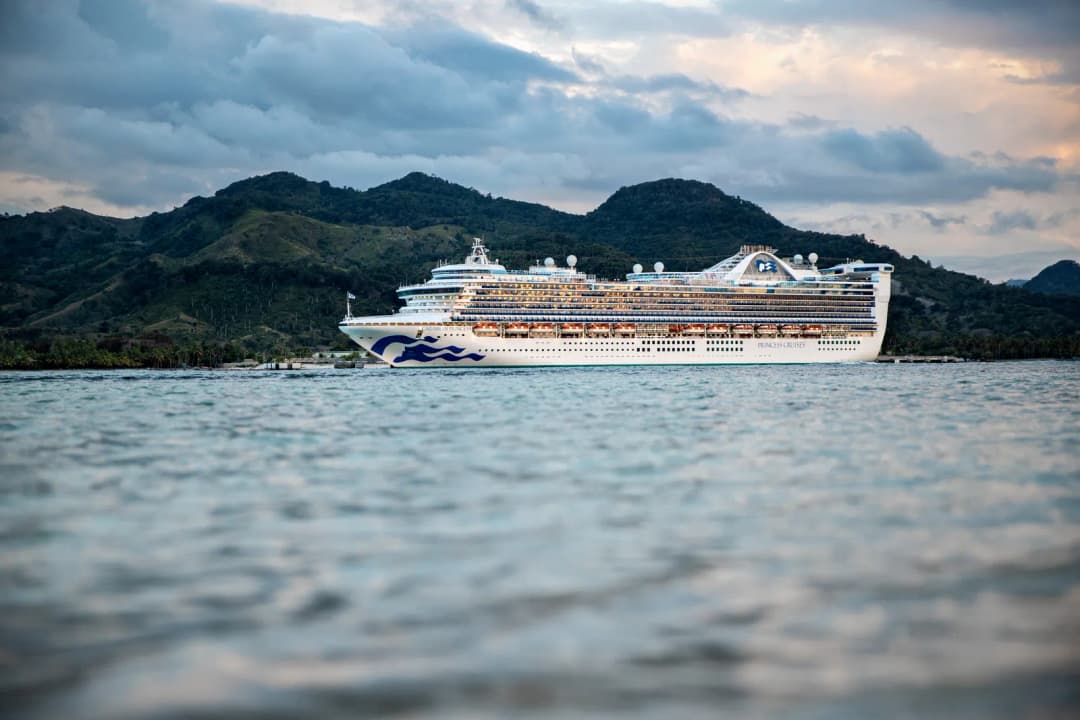
Princess Cruises · 12 sailings
9 cabin types · 14 dining venues · 27 entertainment options · 14 decks
Explore the ship
Cruise port in Italy
Explore on foot directly from the pier. Average time in port: 11 hours. 58 places to explore.
Photo by David Köhler on Unsplash
Cruise ships dock at Rome cruise terminals. Explore on foot directly from the pier.
There are 6 cruise terminals, including Terminal Amerigo Vespucci / 12. The assigned terminal varies by sailing.
All cruise piers except pier 25 are along the Cristoforo Colombo breakwater.
Time available at the destination after subtracting return travel.
Calculated from the average time in port. Return deadlines vary by sailing; check the daily programme on board.
Travel between the terminal, city center, railway station and airport.
Terminal Amerigo Vespucci / 12 → Largo della Pace service center
Take the free port shuttle between the terminal and Largo della Pace service center at the port entrance.
Civitavecchia train station → Fiumicino Airport
Take a train from Civitavecchia toward Rome and transfer at Trastevere Station to a regional train to the airport. The destination station is Fiumicino Aeroporto.
Terminal Amerigo Vespucci / 12 → Civitavecchia train station
Take the direct shuttle from the cruise pier to the train station. Buy a ticket on the bus. This service operates on cruise ship departure and arrival days.
Fiumicino Airport → Civitavecchia train station
At the airport train station, take a train toward Rome and get off at Trastevere Station, then transfer to a train to Civitavecchia.
Cruise Terminal 25 → Largo della Pace service center
Take the free port shuttle between the terminal and Largo della Pace service center at the port entrance.
Civitavecchia train station → Terminal Amerigo Vespucci / 12
Take the direct shuttle to the cruise pier from the small square outside the train station exit. Buy a ticket on the bus.
Ciampino Airport → Civitavecchia train station
Take the ATRAL shuttle bus from the airport to Ciampino station. Take a train from there to Roma Termini, then transfer at Roma Termini to a train to Civitavecchia.
Civitavecchia Cruise Berth → Largo della Pace (Service Center)
At the ship's berth, take the free port shuttle bus (Port Shuttle) to Largo della Pace terminal, the cruise hub.
Largo della Pace → Civitavecchia Train Station
Take the direct local bus (PortLink) from the stop in front of the Largo della Pace hub to the railway station, or walk about 15–20 minutes along the coastal road.
Explore 15 checked places. Select a pin to see its card, or choose View on map from a card.
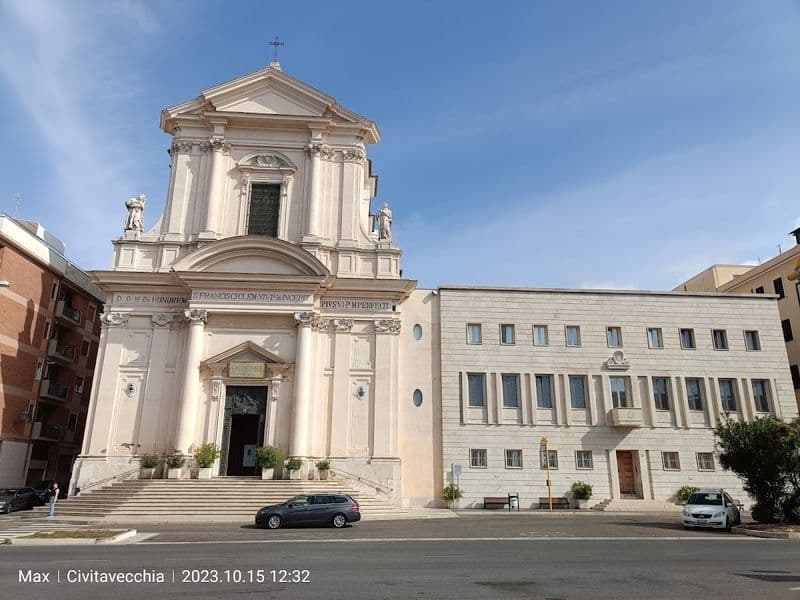
The cathedral in Piazza Vittorio Emanuele II in central Civitavecchia, with a beautiful Baroque and Neoclassical façade and frescoes.
When visiting the cathedral, follow the dress code by covering your knees and shoulders.
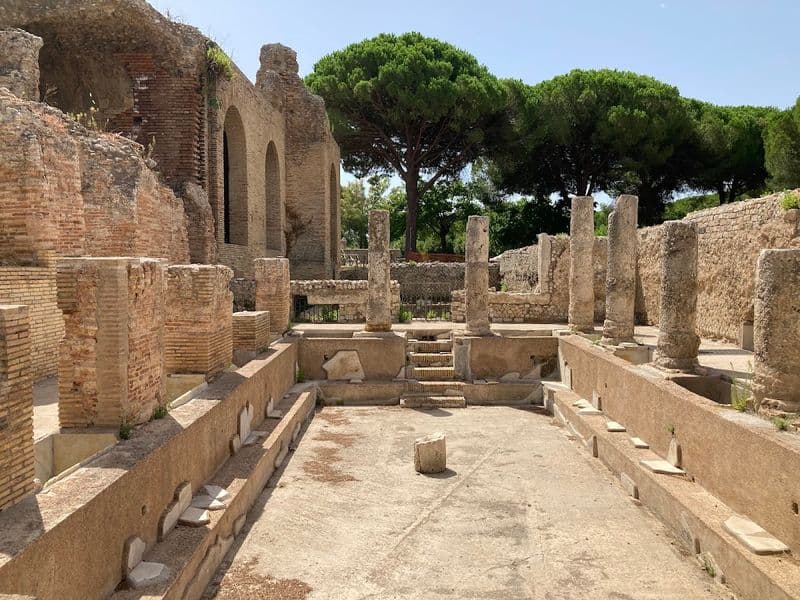
Ruins of a large ancient Roman imperial bath complex that flourished during Emperor Trajan's reign, with exceptionally well-preserved mosaic floors and hot-water bathing rooms.
Located on a hill northeast of the city center, about 10–15 minutes away by taxi or local bus.
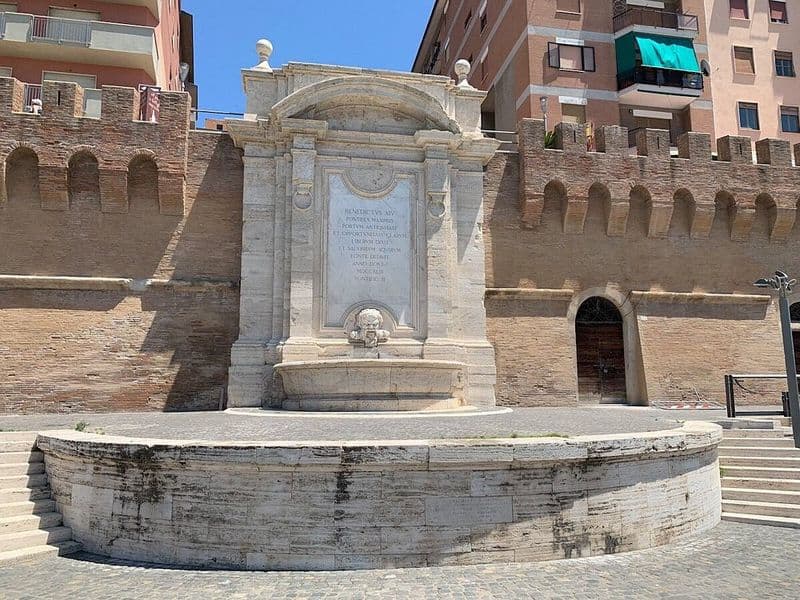
A fountain carved from travertine in 1743 by architect Luigi Vanvitelli at the center of Rome's harbor walls, notable for the mask of an old man spouting water.
Directly beside the old harbor breakwater wall promenade.

Located in an 18th-century papal palace from the time of Pope Clement XIII, it houses sculptures and bronze artifacts excavated from Etruscan and ancient Roman harbor sites.
Closed every Monday.

A grand Renaissance coastal fortress built in the early 16th century on the orders of Pope Julius II. Its octagonal central tower, designed by Michelangelo, is a symbol of the harbor.
Standing prominently between the port pier and the city center, it is considered a photo spot for exterior views.

A monumental stone gate built by Pope Clement XIII in 1761 to connect the harbor with the northern city, linking the historic walls and waterfront.
Located right beside the fortress and yacht marina, it connects naturally to the walking paths.
With enough time in port, you can explore beyond the city. One-way times are approximate.

An amphitheater where gladiator contests were held in ancient Rome.
To enter the Colosseum, reserve a timed ticket in advance and allow time for the entry time printed on the ticket and security screening.

A temple built to honor the gods of ancient Rome and a masterpiece of Roman architecture, notable for its huge dome and natural light entering through the ceiling opening.
The Pantheon is an active church, so wear modest clothing to avoid being refused entry.
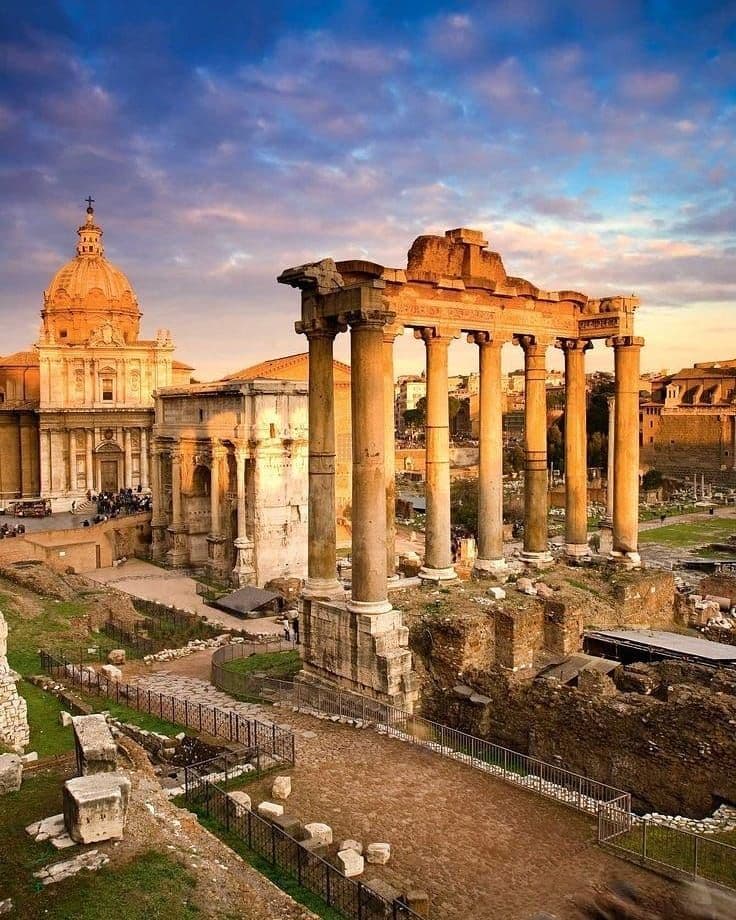
Ruins of the political, religious, and commercial center of ancient Rome.
The Roman Forum has old, uneven paths and steep uphill sections, so wear comfortable walking shoes and watch your footing.

A fountain counted among Rome's popular sights. In 2026, access conditions differ between the area closest to the fountain and the upper viewing area.
The Trevi Fountain is especially crowded during the day, making photos difficult, so visit early in the morning if possible.
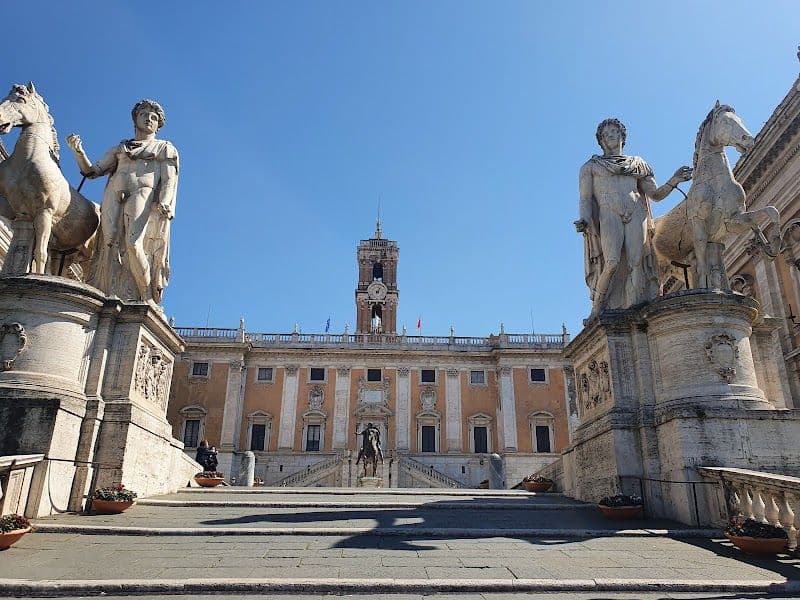
A square with the entrance to the Capitoline Museums, considered among Rome's most beautiful museums. Michelangelo designed the square.

An ancient Roman ruin featured alongside the Roman Forum.
The Palatine and Roman Forum are extensive, with uneven ground and lots of walking, so wear comfortable shoes and allow plenty of time.
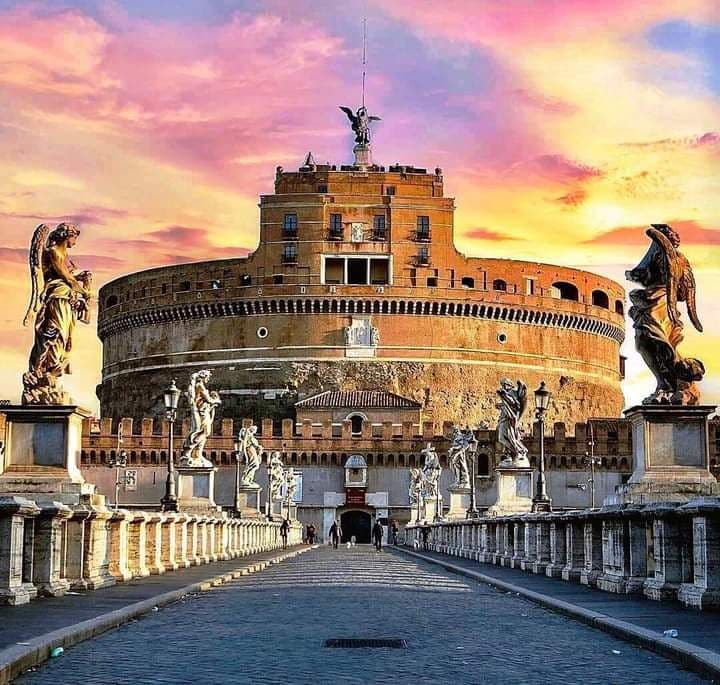
Built as Emperor Hadrian's mausoleum and later turned into a papal fortress. The pope escaped through the secret Passetto di Borgo passage. A visit inside usually takes 2–3 hours.
If you plan to enter the castle, buy your ticket in advance because the on-site ticket queue may be long; on free-admission days, allow plenty of time to wait.
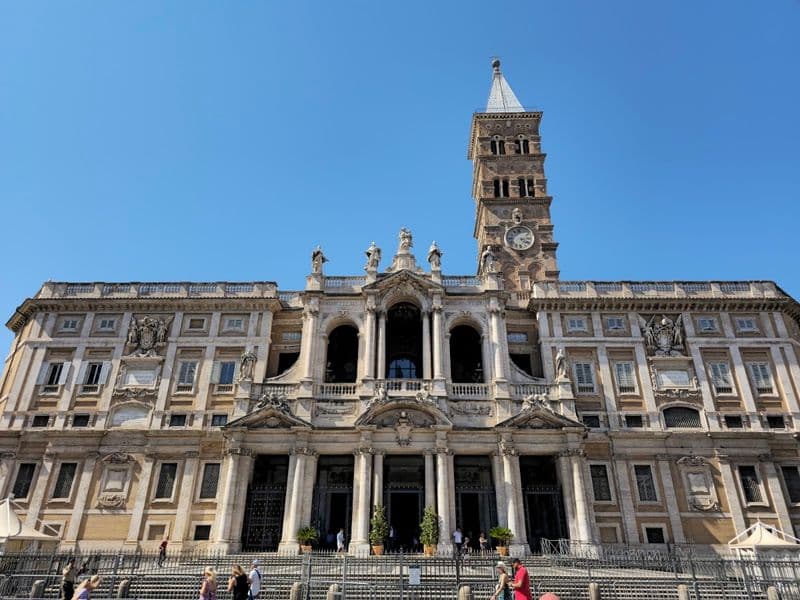
A Roman Catholic basilica in Rome, considered one of the four major basilicas in the ancient Roman style.
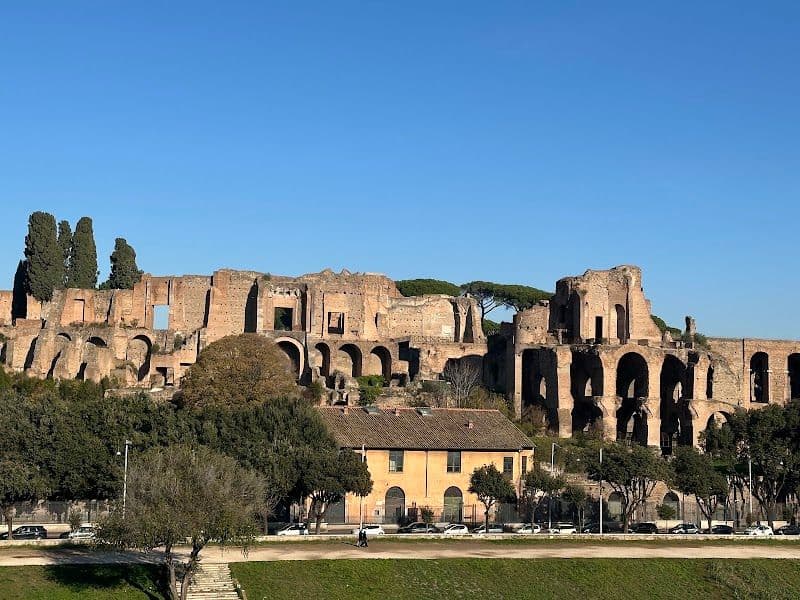
The site of an ancient stadium, now a long, wide green space.
The archaeological area at Circus Maximus has large stone paving and stairs, so find an accessible route if getting around is difficult.

It displays the Borghese family's collection, including works by Bernini, Caravaggio, and Raphael.
The Borghese Gallery limits visitor numbers per time slot and tickets sell out early, so book well in advance. Last-minute tickets on site may not be available even after a long wait.

An art museum on Capitoline Hill, consisting of the Palazzo dei Conservatori and Palazzo Nuovo, connected underground.
Bags are not allowed inside the Capitoline Museums, so leave them in the free lockers at the entrance.

One of Rome's popular squares, with the Church of Sant'Agnese and a fountain.

A monument honoring Italy's first king after unification, Victor Emmanuel II. At its center is the Tomb of the Unknown Soldier, guarded by sentries.
If you plan to take the stairs to the Vittoriano terrace, note that there are 196 steps.
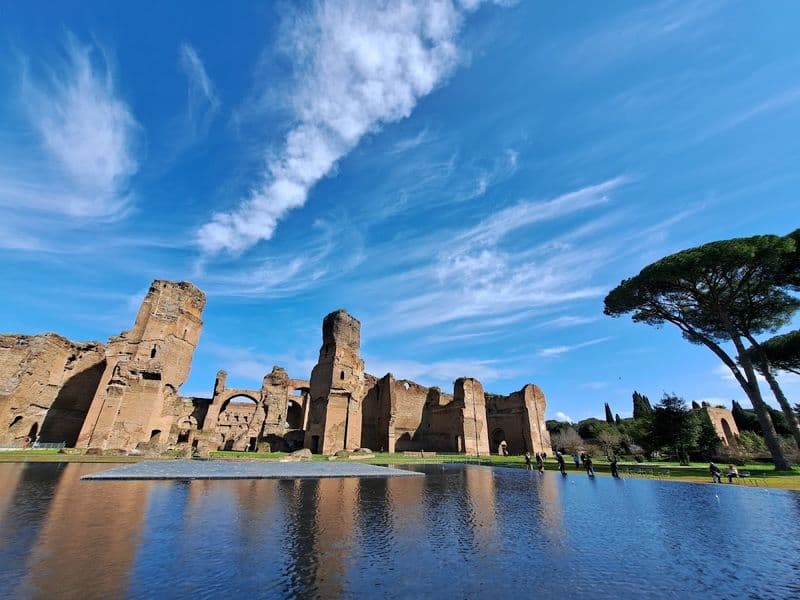
An ancient Roman public bath complex, with surviving structures, frescoes, and mosaic floors.

A church where you can see Michelangelo's sculpture Moses.
Reviews say opening hours at San Pietro in Vincoli are limited, so check the hours on the day of your visit.
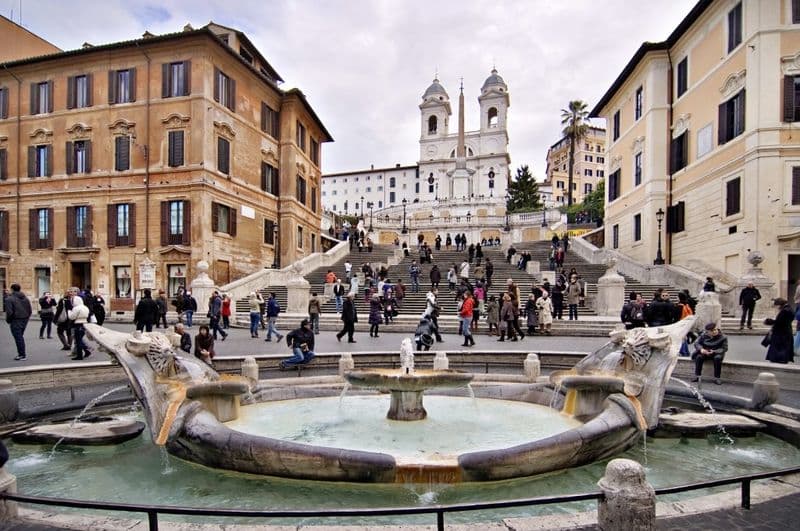
An iconic Rome sight known as the setting of Roman Holiday. The Church of Trinità dei Monti at the top of the steps offers good city views.

A bridge connecting Castel Sant'Angelo with the opposite bank of the Tiber.
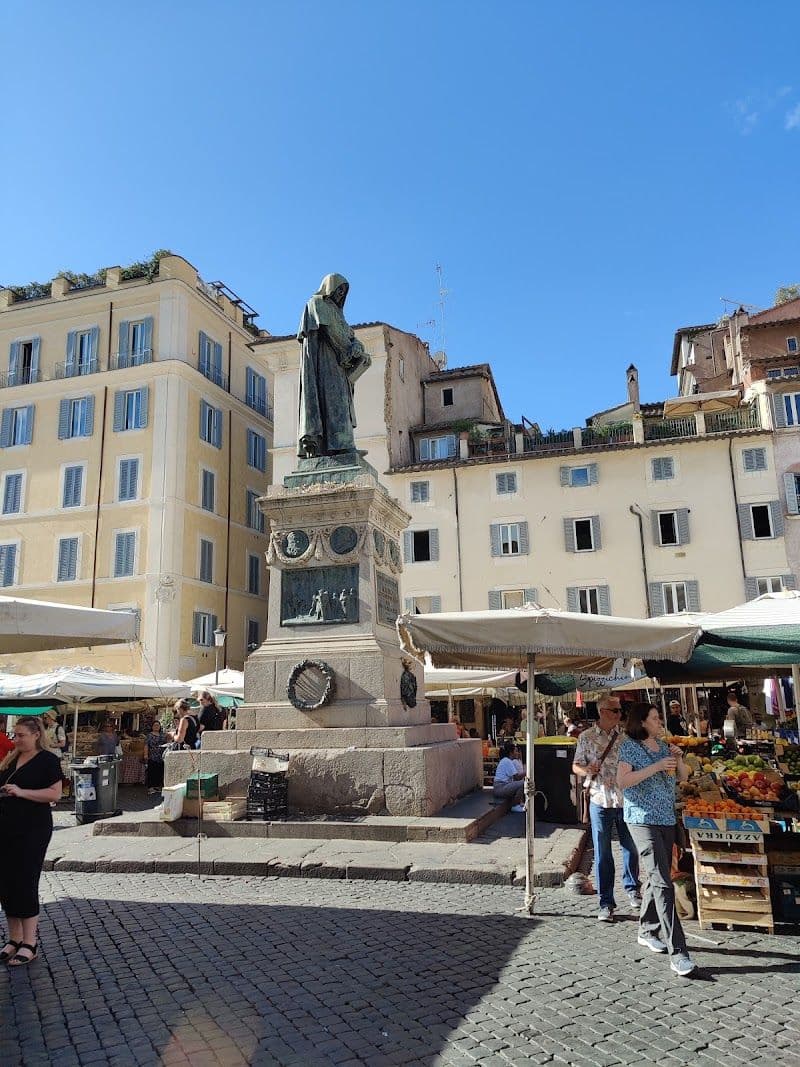
A Roman square lined with restaurants and shops.
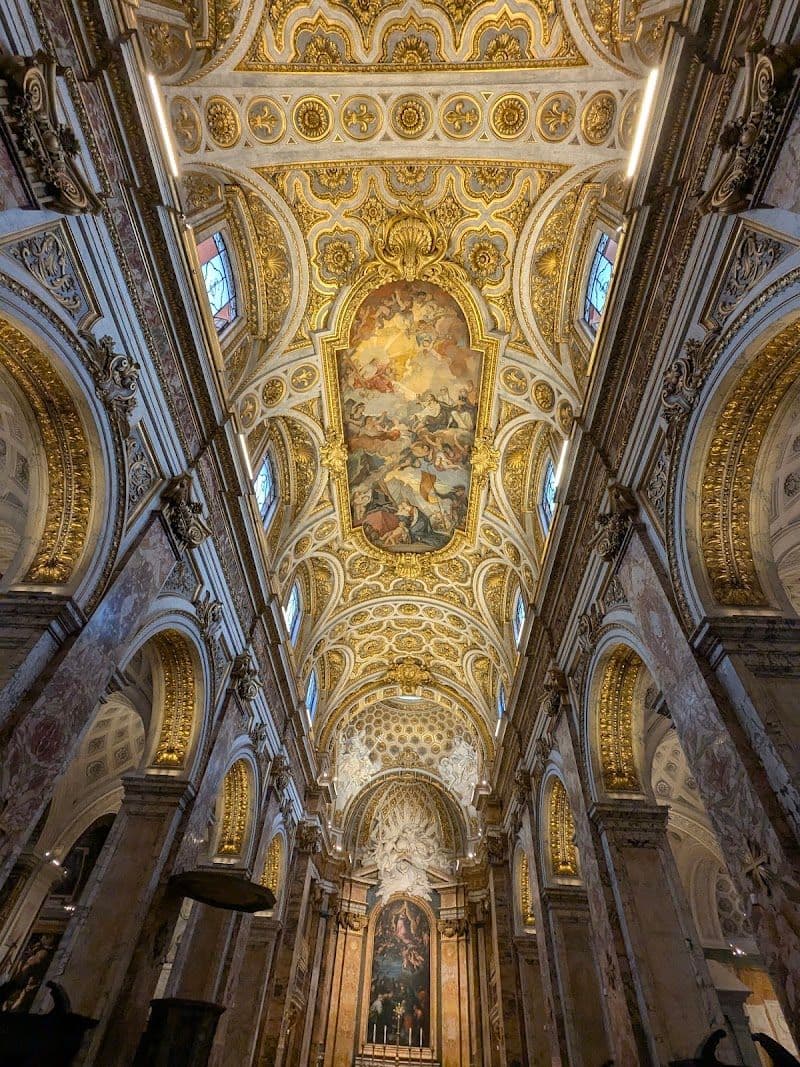
A Roman church where you can see paintings by Caravaggio.
San Luigi dei Francesi Church is closed to visitors during religious events, so check visiting hours and Mass times.
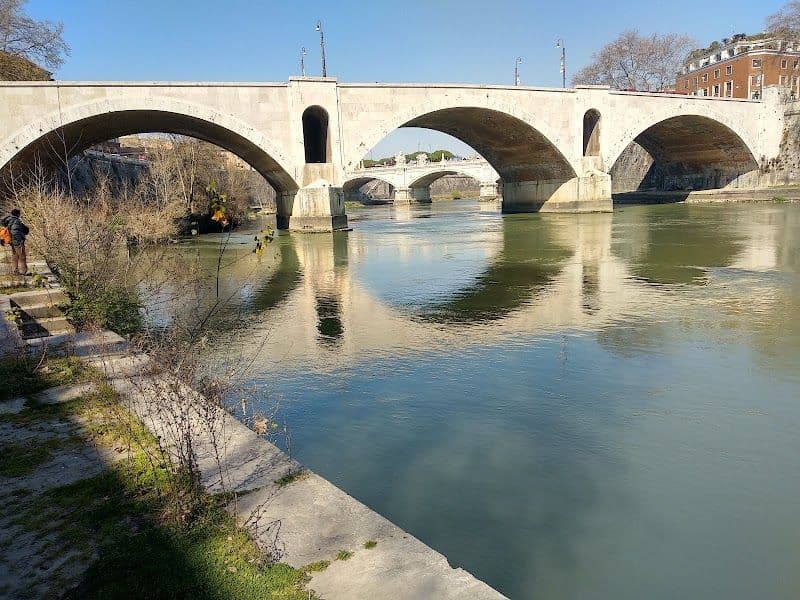
An area that escaped large-scale urban redevelopment in the 19th century, offering a glimpse of Rome at its most humble and authentic.

An island in the Tiber that appears on the route between the Jewish Quarter and Trastevere.

A Roman-era sculpture set beneath the arch at the entrance to the Church of Santa Maria in Cosmedin.
There is a queue to take a photo at the Mouth of Truth, so go early if you want to reduce the wait.

A street offering views over the Roman Forum.

An archaeological site in the heart of central Rome.

A restaurant in Testaccio serving some of Rome's best cacio e pepe and tiramisu.

A restaurant in central Rome, particularly famous for carbonara. The starters and ravioli are also good.
Reserve in advance to dine at Salumeria Roscioli. Without a reservation, you may wait about an hour for a table or be given limited time.
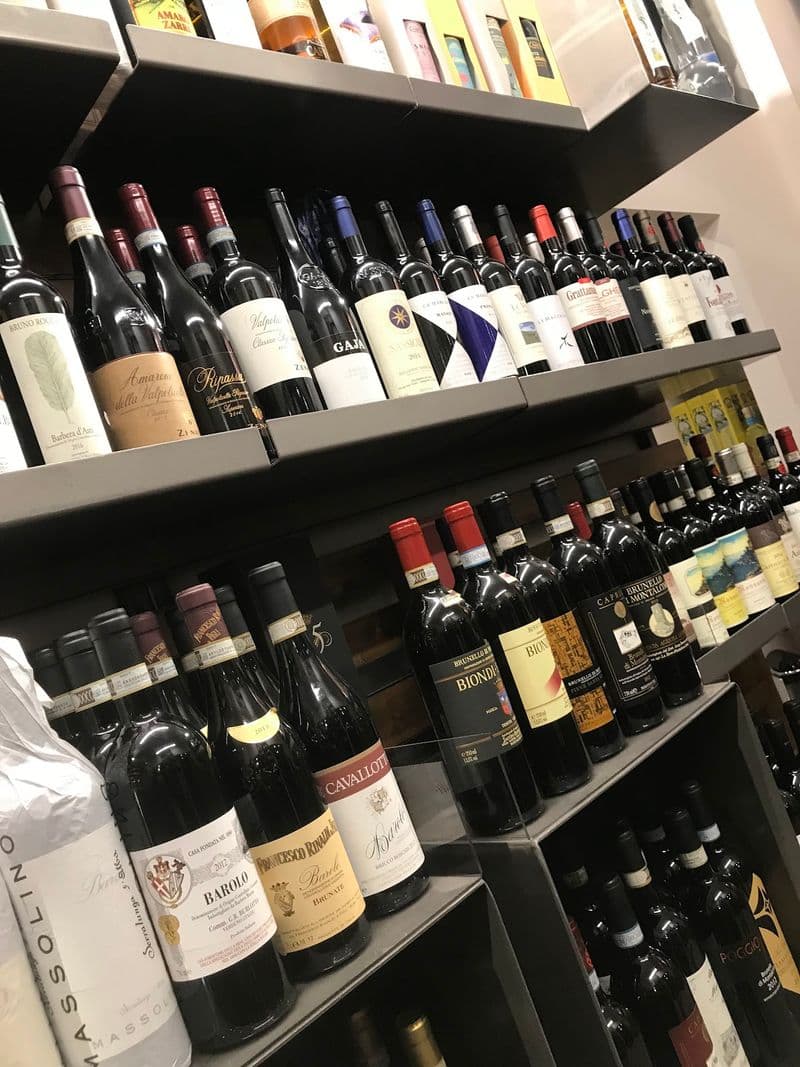
A pizzeria popular with both locals and tourists, featuring Roman pastas such as cacio e pepe, amatriciana, and carbonara, as well as pizza.
Reserve Emma Pizzeria if you plan to go during a busy mealtime. There have also been visits where diners were seated right away without a reservation.
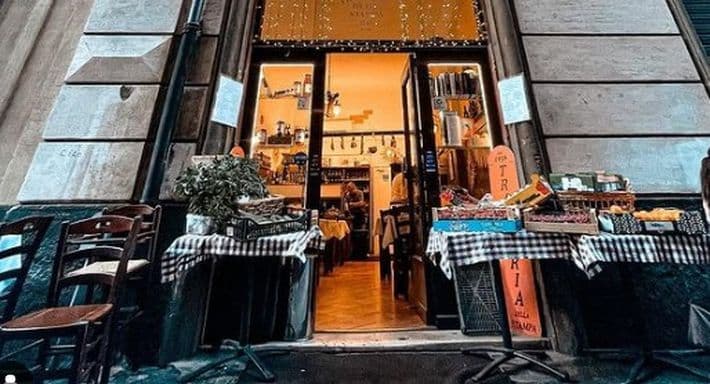
A trattoria near Trevi Fountain with the feel of a neighborhood restaurant, serving simple traditional Roman dishes.
Trattoria della Stampa is small and queues form quickly, so reserve for dinner; for lunch, when reservations are not accepted, arrive early.

One of the few authentic Roman restaurants near Trevi Fountain, busy with Roman residents, especially at lunchtime, and difficult to book. It serves traditional Roman dishes and starters.
Hostaria Romana is small, so reserve in advance, especially if you are going with a group.

A restaurant in the Colosseum area popular with both locals and visitors, serving Roman and Italian food.
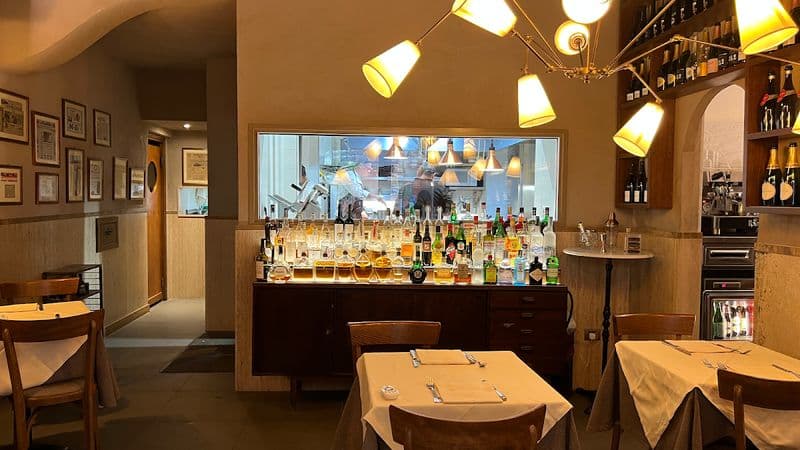
A restaurant near Piazza di Spagna serving amatriciana and Jewish-style fried artichokes.
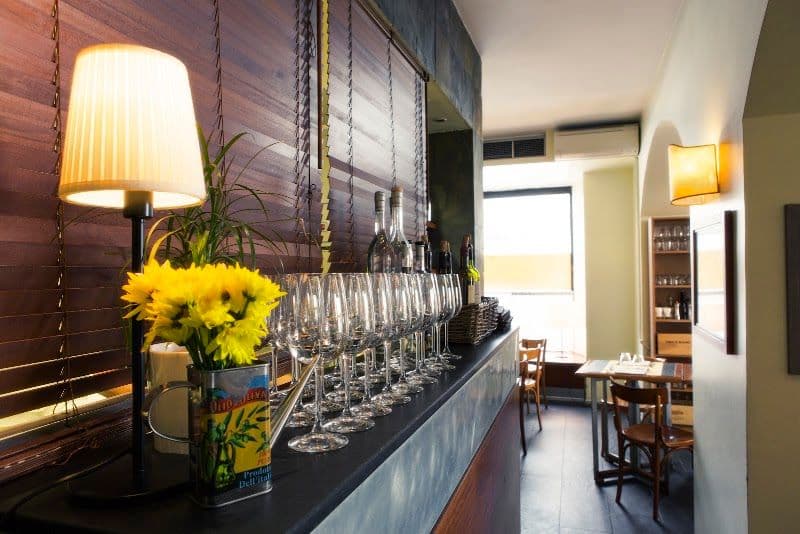
A restaurant serving generous portions of quality traditional Roman food in a simple, pleasant setting. Dishes include carbonara, cacio e pepe, roast lamb, and cod. Its tasting menu of classic Roman dishes, the 'Roman Course,' costs about 30 euros per person on average.
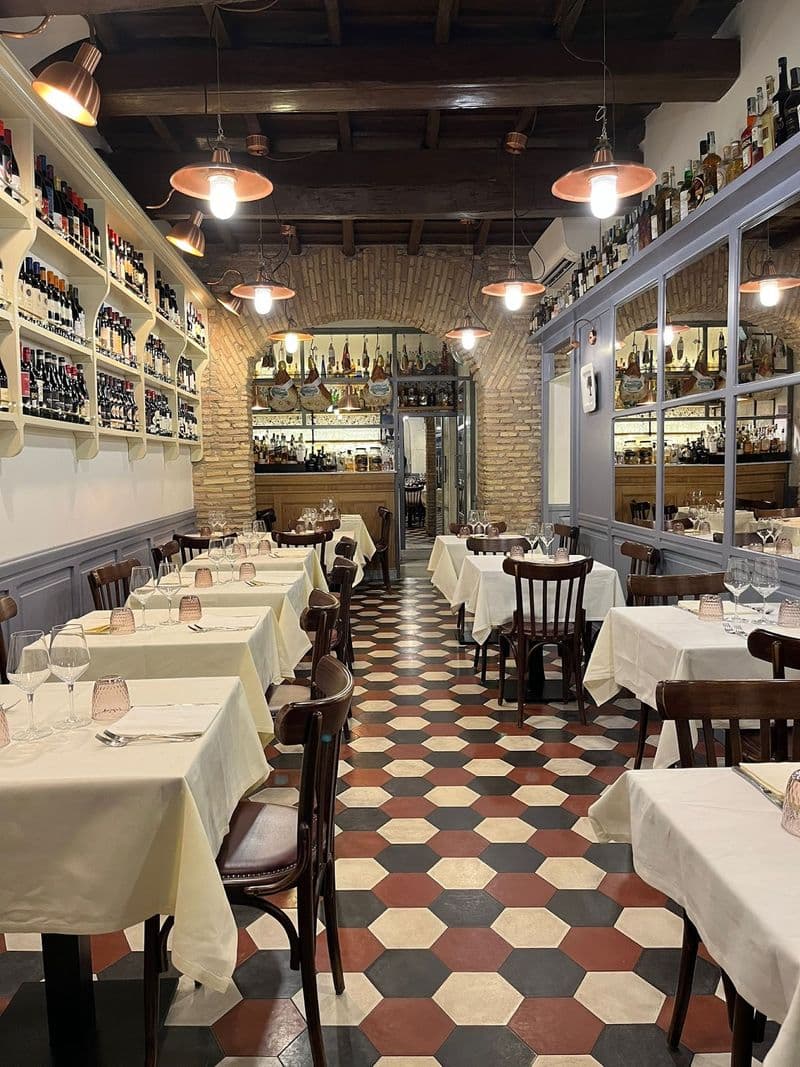
A restaurant in a quiet lane a few minutes' walk from Trevi Fountain, serving fried zucchini flowers, baccalà, and seafood dishes.
Piccolo Arancio gets busy at mealtimes, so reserve if you want a table.

A tiramisu specialist that began about 60 years ago. It is open from 8 a.m. to 10 p.m.
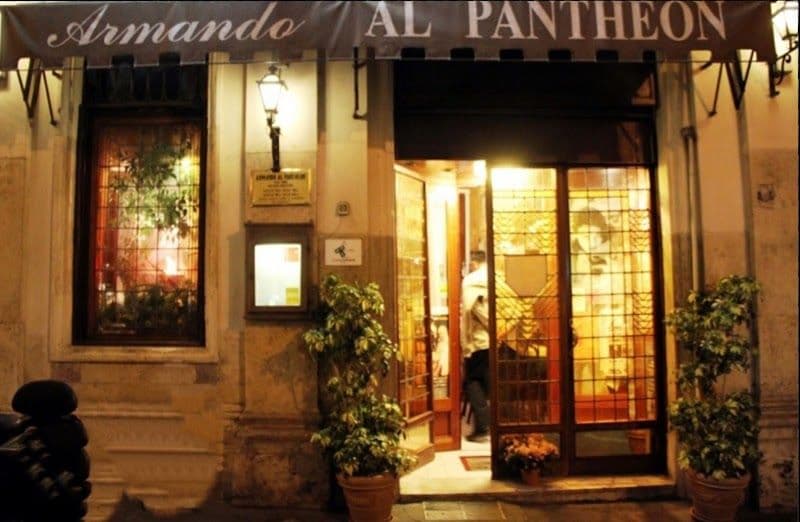
A family-run restaurant in central Rome, known for gricia and Roman-style saltimbocca. Reservations are essential.
It may be difficult to find an open table at Armando al Pantheon even at lunch, so book several weeks in advance.
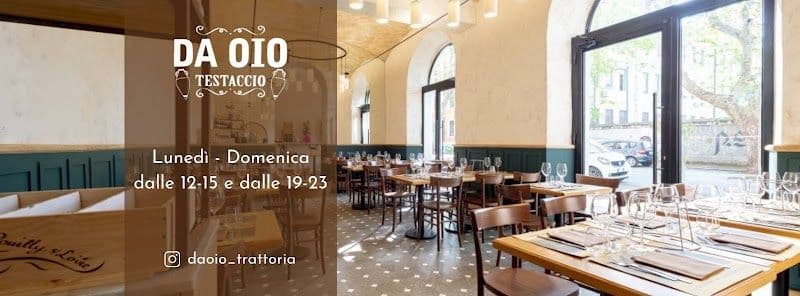
A typical Roman restaurant serving Roman pasta, meat, and offal dishes. Meatballs and pollo alla cacciatora are popular.
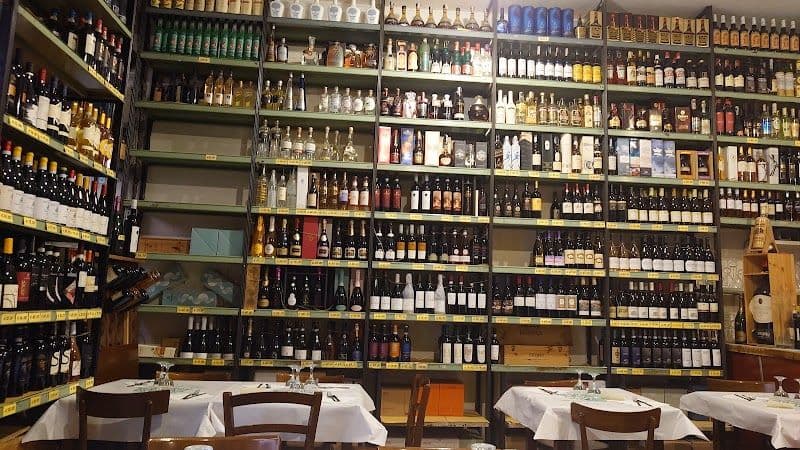
A restaurant with an informal local atmosphere and a small menu that changes daily, suited to anyone seeking a very Roman meal.
At Enoteca Corsi, tables for walk-ins may be taken soon after opening, so reserve if you plan to dine there.

A family-run Roman restaurant near Trevi Fountain, serving cacio e pepe, amatriciana, and carbonara.

A restaurant in Rome's Jewish Quarter serving local specialties and fried artichokes.

A gelateria in Rome, with rice-flavored gelato as its most popular flavor. It is open from 7:30 a.m. to midnight.

Inside the basilica are Michelangelo's Pietà and the bronze baldachin above the main altar.
You must pass through metal detectors at St. Peter’s Basilica, and clothing is checked, so dress modestly.

A vast museum that passes through Greek and Roman works, Egyptian sculptures, tapestries, a huge map gallery, and rooms frescoed by Raphael, ending at Michelangelo's Sistine Chapel. Photography and video recording are prohibited in the Sistine Chapel. A visit takes about 4 hours.
Buy Vatican Museums tickets in advance to reduce the on-site ticket queue.
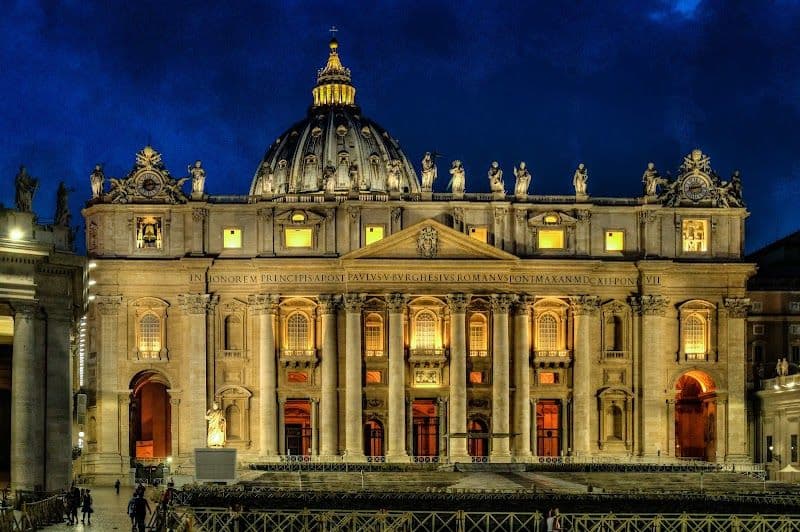
The square in front of St Peter's Basilica, with an Egyptian obelisk at its center.
311 sailings are grouped into 91 cruises by ship and route.
Princess CruisesMediterranean cruises · 21 nights · Long cruise
Princess CruisesMediterranean cruises · 14 nights · Long cruise
Princess CruisesPrincess CruisesPrincess CruisesPrincess CruisesMediterranean cruises · 46 nights · Long cruise
Princess CruisesMediterranean cruises · 25 nights · Long cruise
Princess CruisesMediterranean cruises · 15 nights · Long cruise
Princess CruisesMediterranean cruises · 36 nights · Long cruise
Princess CruisesPrincess CruisesPrincess Cruises91 cruises call at this port.
Explore cabin types, dining and deck facilities for each ship.
Princess Cruises · 154 sailings
7 cabin types · 10 dining venues · 17 entertainment options · 17 decks
Explore the ship
Princess Cruises · 98 sailings
8 cabin types · 16 dining venues · 29 entertainment options · 15 decks
Explore the ship
Virgin Voyages · 13 sailings
27 cabin types · 23 dining venues · 38 entertainment options · 14 decks
Explore the ship
Princess Cruises · 12 sailings
9 cabin types · 14 dining venues · 27 entertainment options · 14 decks
Explore the ship
Rome, Italy, the Eternal City, is a stunning blend of ancient history and vibrant modern life. Iconic landmarks like the Colosseum, Vatican City, and the Pantheon showcase its glorious past. Cobblestone streets lead to charming piazzas, bustling markets, and world-renowned museums. Rome's culinary scene delights with traditional Italian cuisine and lively cafes. The city's rich culture, impressive architecture, and warm, welcoming atmosphere make it an unforgettable destination for travellers.
Cruise lines calling here: 2 places
Ports frequently visited before this one
Tell us your travel dates, party size and budget to find suitable cruises calling here.
Some booking links are affiliate links. TravelersMap may earn a commission when you book, at no extra cost to you.