Marseille Provence Cruise Terminal → Place de la Joliette
After disembarking, follow the green line on the ground for 5–12 minutes toward the Porte 4 exit and board the free shuttle at the stop. The shuttle operates on ship port days.
Opening CruiseMap…
France · Port
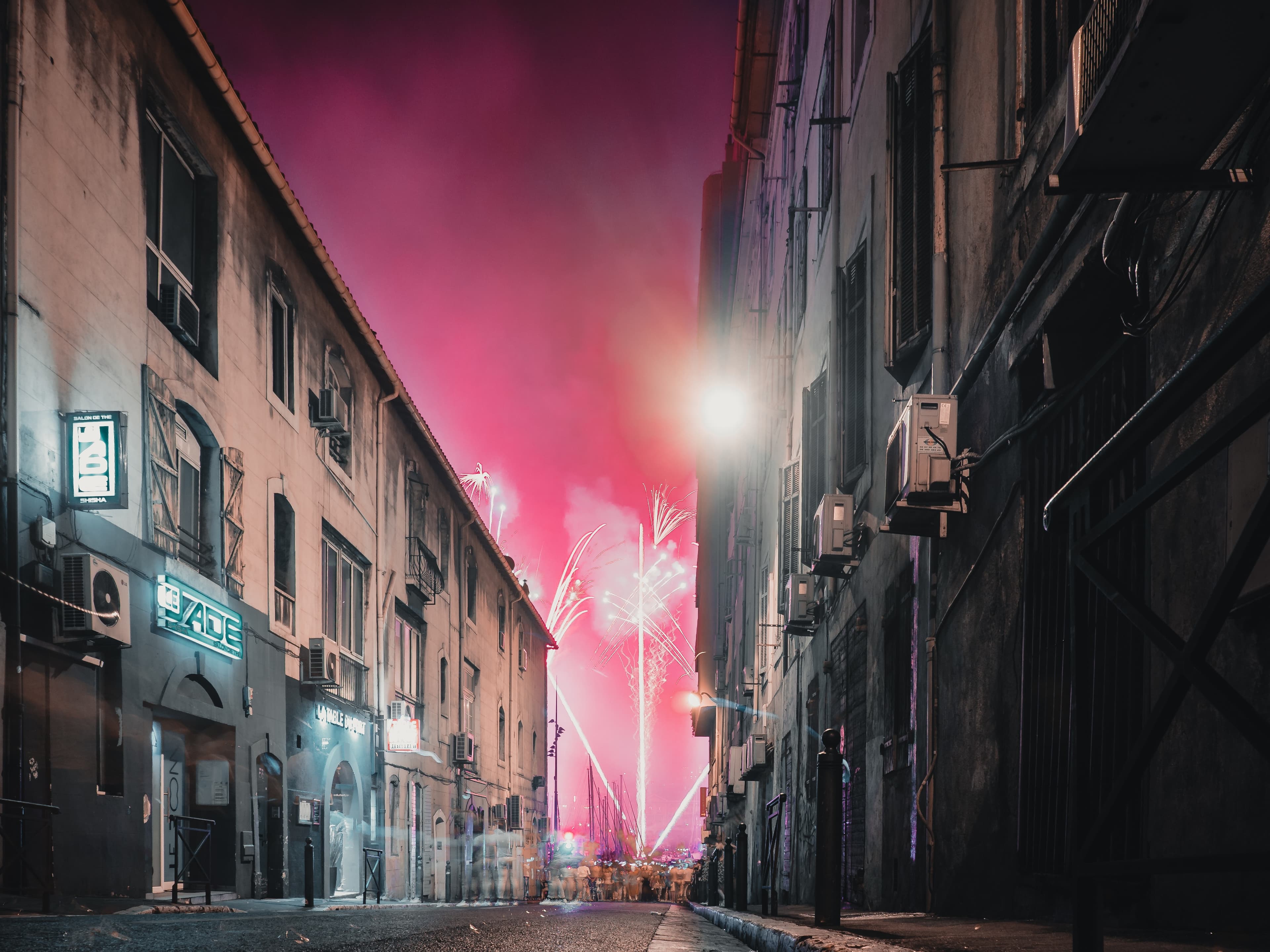
Photo: Photograph by Arthur Aldyrkhanov




Showing the next 12 cruises out of 378 visiting this port.
Previous ports
These ports appear before or after this stop on the same itinerary. The numbers show how often they occur together.
Explore cabin types, dining and deck facilities for each ship.

MSC Cruises · 338 sailings
29 cabin types · 19 dining venues · 61 entertainment options · 17 decks
Explore the ship
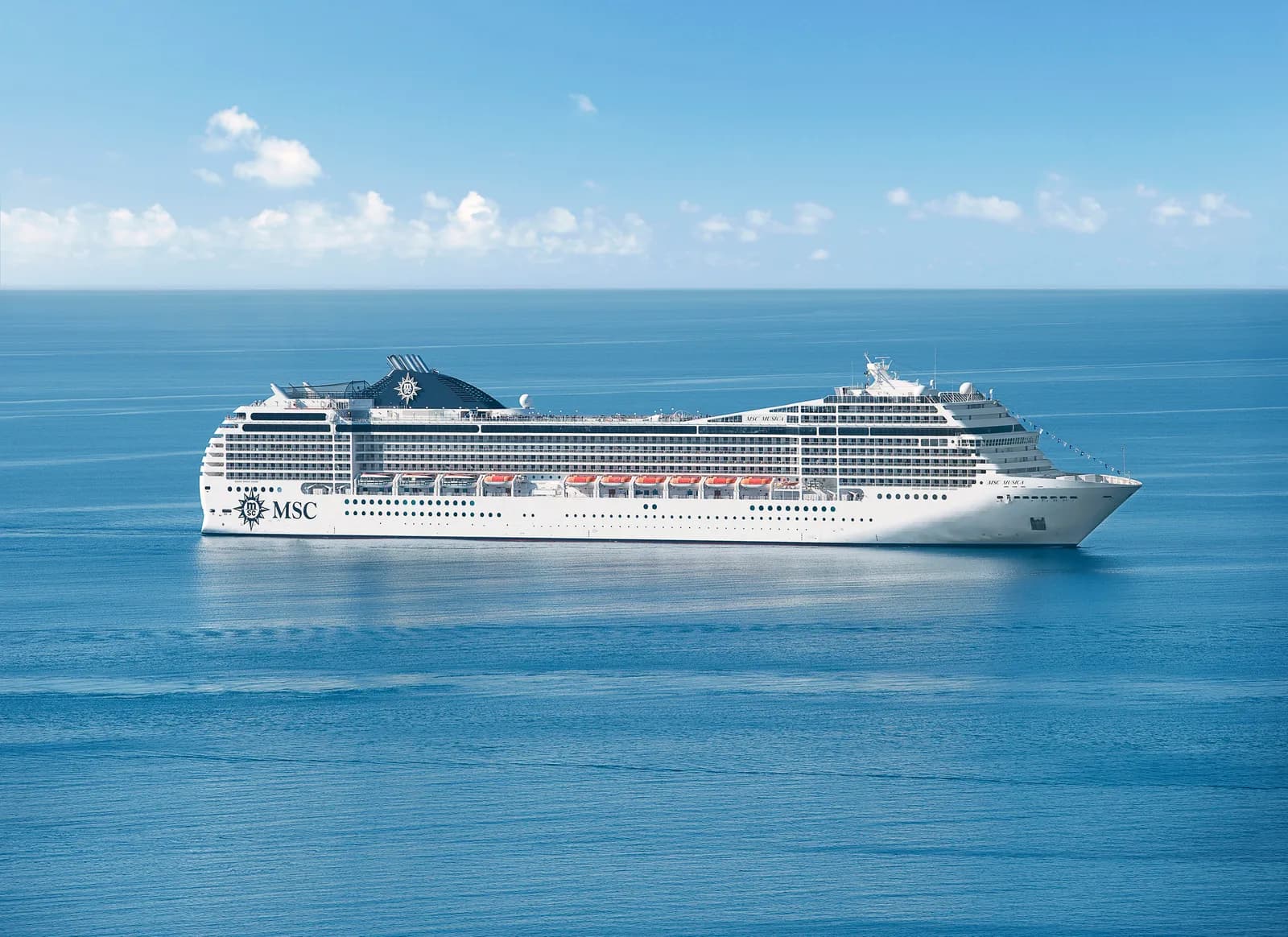
MSC Cruises · 320 sailings
11 cabin types · 6 dining venues · 42 entertainment options · 13 decks
Explore the ship

MSC Cruises · 300 sailings
27 cabin types · 18 dining venues · 65 entertainment options · 17 decks
Explore the ship
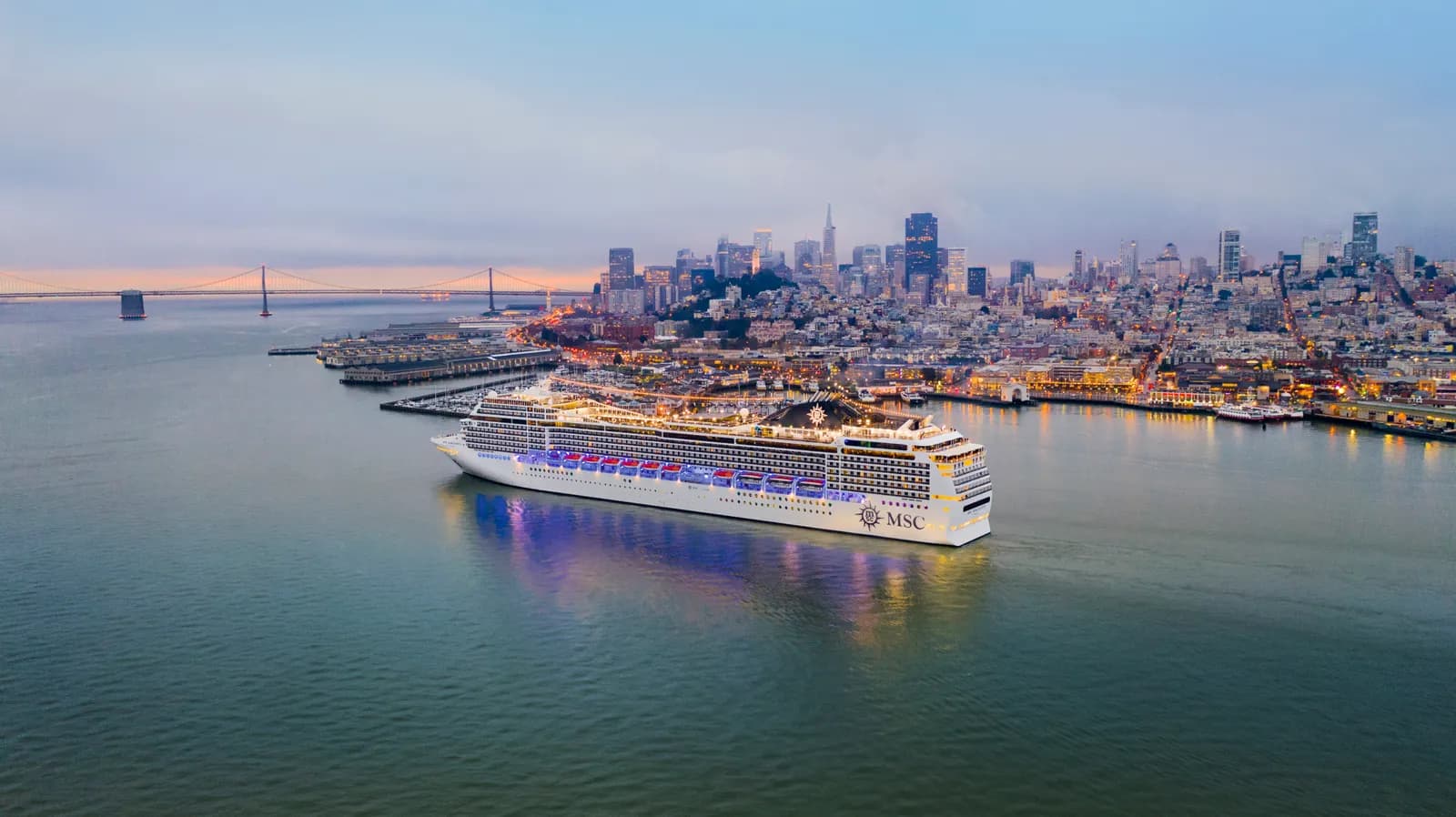
MSC Cruises · 200 sailings
19 cabin types · 10 dining venues · 46 entertainment options · 12 decks
Explore the ship
Cruise port in France
Allow about 25 min each way from the terminal to the city center. Average time in port: 9 hours. 44 places to explore.
Photo: Photograph by Arthur Aldyrkhanov
Cruise ships dock at Marseille cruise terminals. Allow about 25 min each way from the terminal to the city center.
The assigned dock is one of Marseille Provence Cruise Terminal, Terminal du J4 and varies by sailing.
There is no direct public transport from Marseille Provence Airport to the cruise terminal.
Signs inside the port indicate the terminal where your ship is berthed.
Small luxury cruise ships are likely to berth at Port de la Joliette (J4).
Time available at the destination after subtracting return travel.
Calculated from the average time in port. Return deadlines vary by sailing; check the daily programme on board.
Travel between the terminal, city center, railway station and airport.
Marseille Provence Cruise Terminal → Place de la Joliette
After disembarking, follow the green line on the ground for 5–12 minutes toward the Porte 4 exit and board the free shuttle at the stop. The shuttle operates on ship port days.
Place de la Joliette → Marseille Provence Cruise Terminal
Near the Docks Village building at Place de la Joliette, take bus 35T and get off at Terminal Croisières. The distance from the drop-off point to the boarding pier is 600 m–2.5 km, and the bus operates only on cruise ship port days.
Marseille Provence Airport → Gare Saint-Charles
Take the direct airport shuttle from the airport to Gare Saint-Charles. It takes about 25 minutes in normal traffic and up to 50 minutes during rush hour.
Place de la Joliette → Marseille Provence Cruise Terminal
Go to the white gate past Five Guys at 9 Quai du Lazaret, between the Terrasses du Port shopping center and the maritime station. Show your boarding pass at the small gate and take the free shuttle.
Place de la Joliette → Vieux-Port
Walk from Place de la Joliette to Vieux-Port. The walk takes about 25 minutes.
Gare Saint-Charles → Place de la Joliette
At Gare Saint-Charles, take the red Métro line 2 toward Gèze and get off at Joliette.
Place de la Joliette → Vieux-Port
Take bus 55 or 82 from Place de la Joliette to Vieux-Port. The listed travel time is about 10–15 minutes.
Gare Saint-Charles → Marseille Provence Airport
Take the direct airport shuttle from the Gare Saint-Charles bus station to Marseille Provence Airport.
Marseille Provence Airport → Marseille Provence Cruise Terminal
Take a taxi from the airport to the embarkation terminal. Check your embarkation information to confirm which terminal your cruise ship uses.
Explore 26 checked places. Select a pin to see its card, or choose View on map from a card.

The home stadium of Marseille football club Olympique de Marseille.
If you are attending a match or performance, thousands of people may leave at once afterward, and exiting can take more than an hour, so allow plenty of time to get back.

A fortress on an island reached by boat from the old port, and the setting of The Count of Monte Cristo.
There are hills and stairs on the way to Château d’If, and the ground is uneven; consider the effort involved if you have a stroller or difficulty walking.

A hilltop basilica visible from across the city, with a terrace overlooking Marseille.
The route up to the basilica is steep and may be difficult in hot weather, so take a bus or tourist train if walking is difficult.
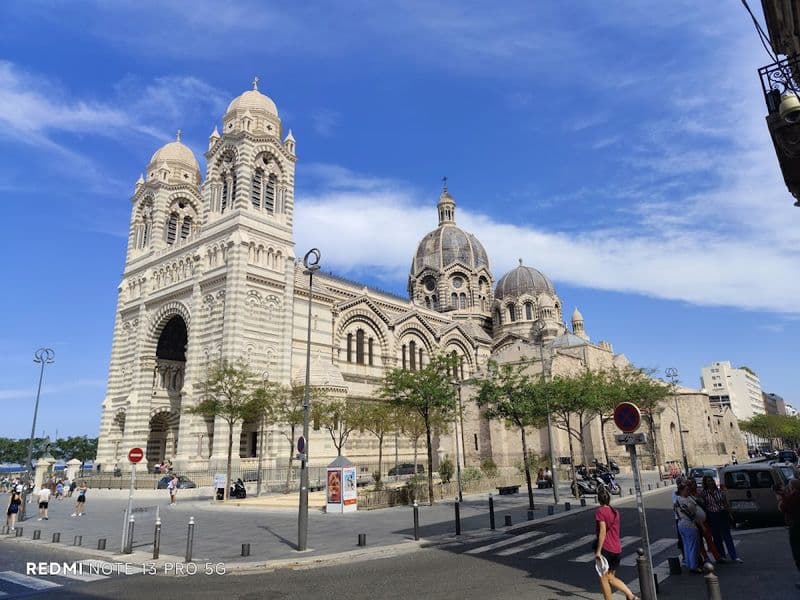
A 19th-century cathedral by the Port of Marseille.

A museum next to Fort Saint-Jean, with exhibitions spread across several floors.
A national park between Marseille and Cassis, with small coves among limestone cliffs.
Some calanques require advance reservations, so decide where you are going and check whether a reservation is needed and, especially in summer, the same-day access conditions.
With enough time in port, you can explore beyond the city. One-way times are approximate.
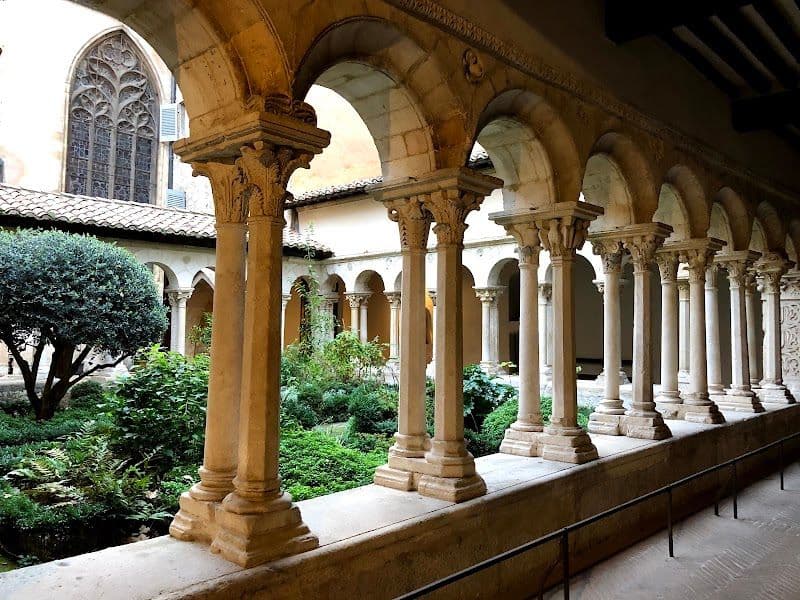
One of Aix-en-Provence's main historic buildings. Admission is described as free.
If you want to see the cloister at Saint-Sauveur Cathedral, check guided tour times first instead of planning only a general visit.
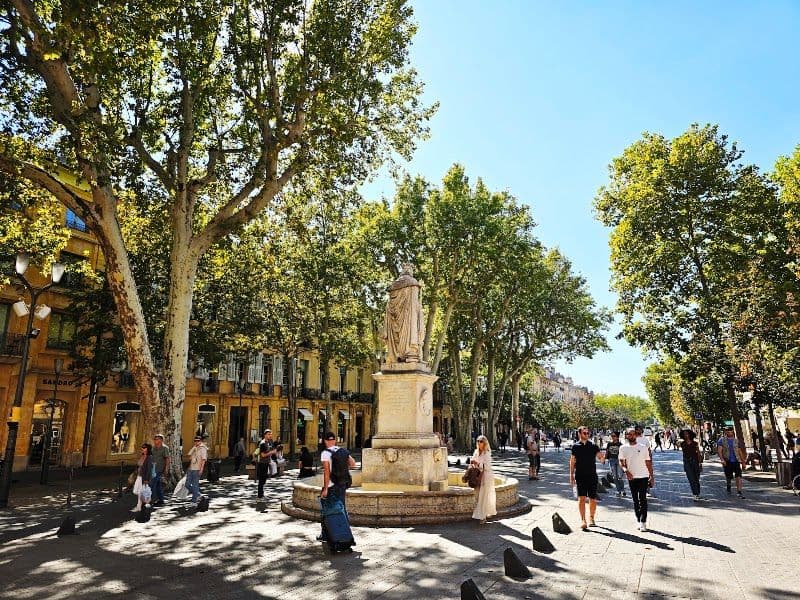
A central Aix-en-Provence boulevard lined with 17th- and 18th-century mansions, between the old town and the Mazarin district.
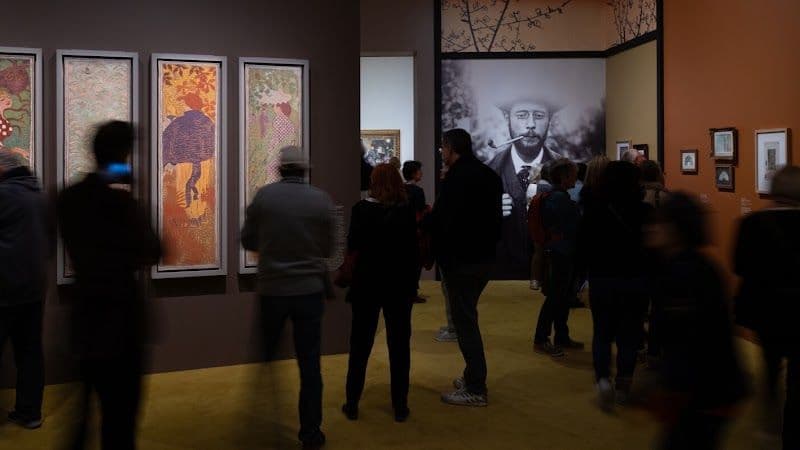
A cultural and arts venue in an 18th-century mansion. Special exhibitions can be seen on the second floor.
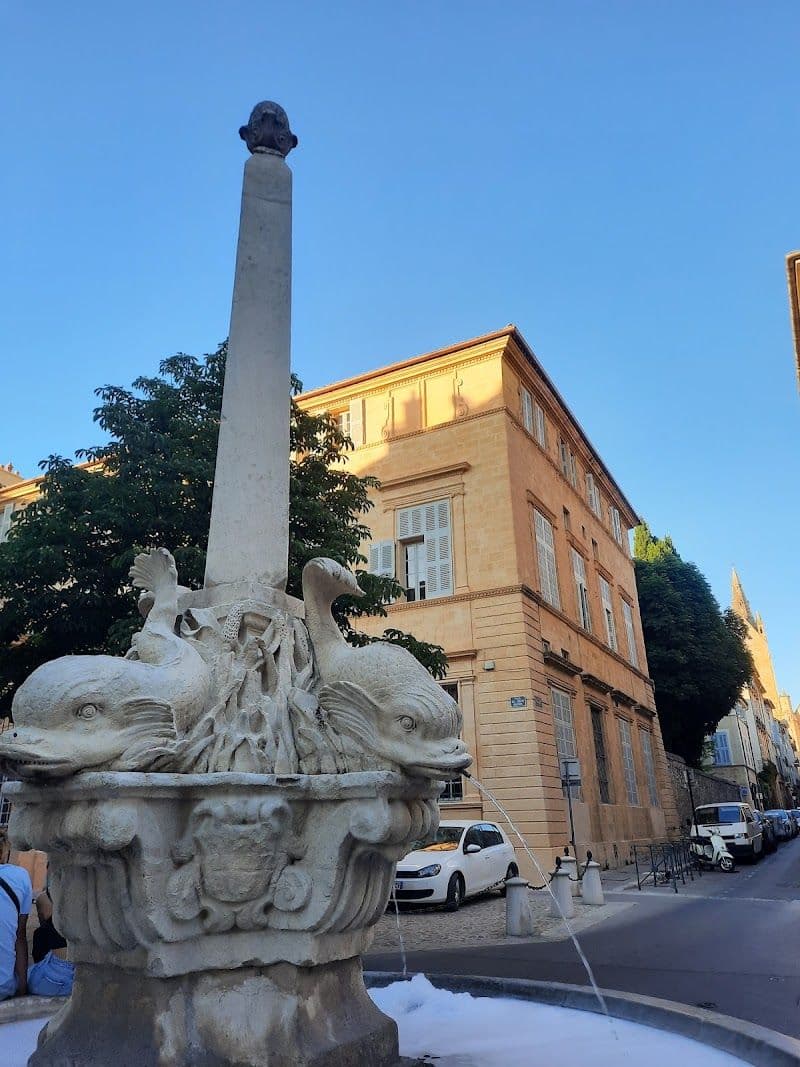
A residential district laid out in a grid during the reign of Louis XIV. Place des Quatre-Dauphins, with its fountain, is here.
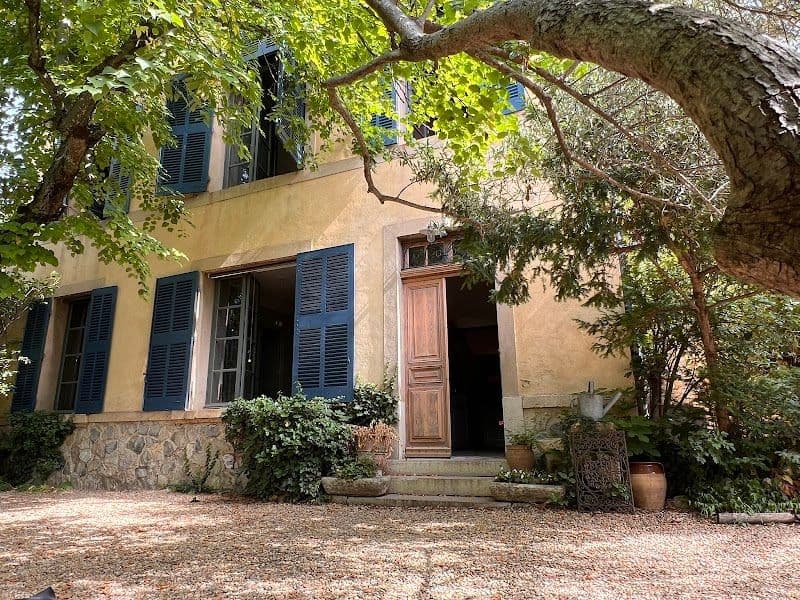
Paul Cézanne's last studio, where his work tools and personal belongings have been preserved.
Book a daytime visit to Cézanne’s Studio in advance to avoid being unable to enter because tickets have sold out.

A Baroque-style square in the old town of Aix-en-Provence.

A market where local farmers sell Provençal specialties such as freshly harvested vegetables, fruit, olives, and lavender. Residents shop here. It is open daily from 8 a.m. to 1 p.m.
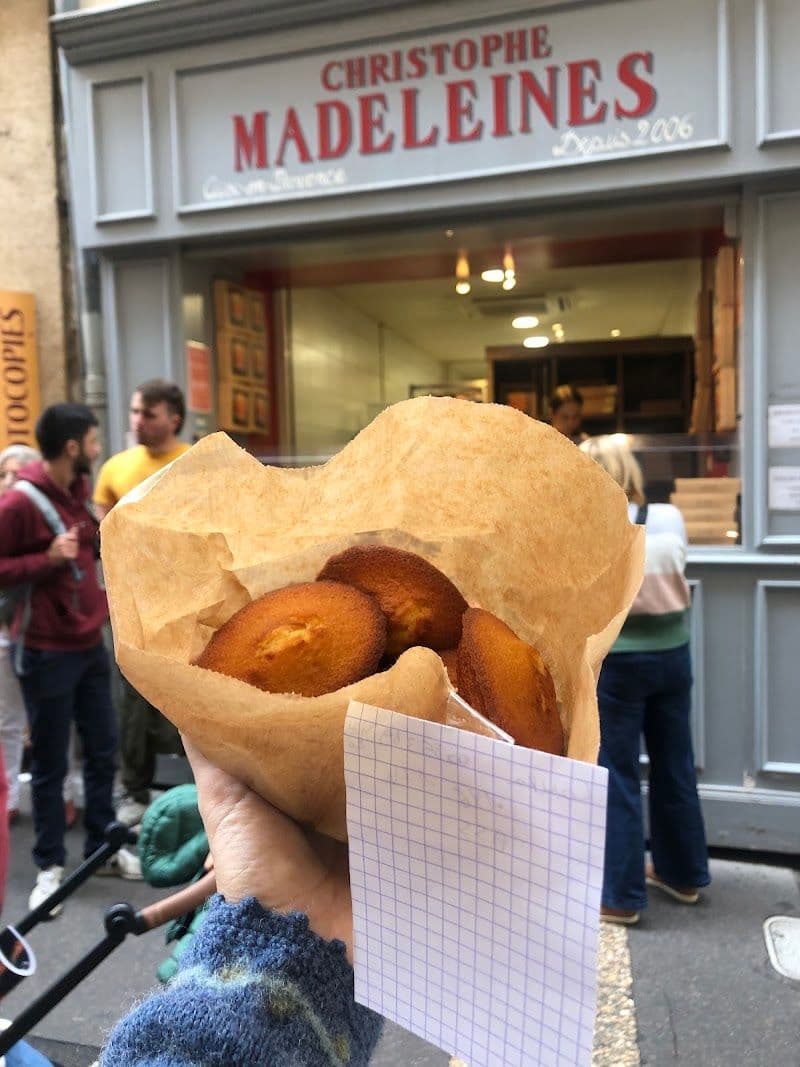
A handmade madeleine shop in the old town of Aix-en-Provence, selling flavors such as lemon, orange, almond, and chocolate, and visited by local residents.

An old bakery on Cours Mirabeau. Calissons and sugar brioche are highlighted as its signature desserts.
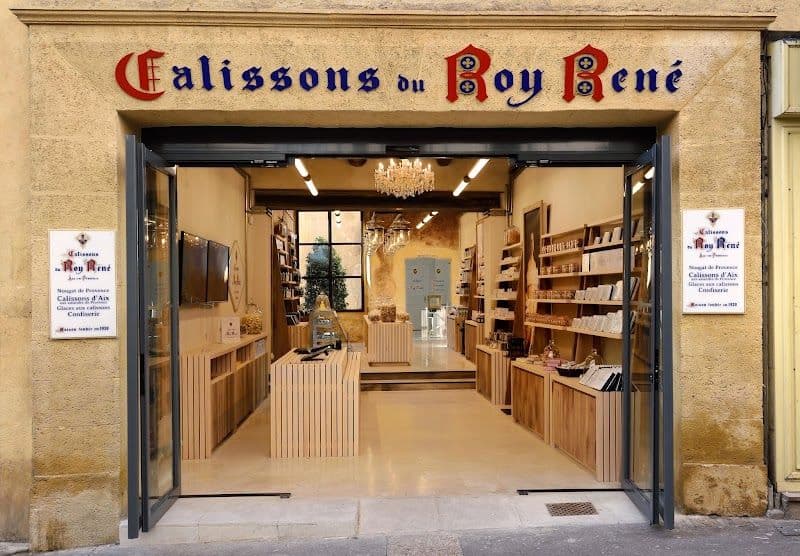
A shop making calissons, the traditional almond confection of Aix-en-Provence. Calissons are made with almonds, candied melon, and sugar syrup.
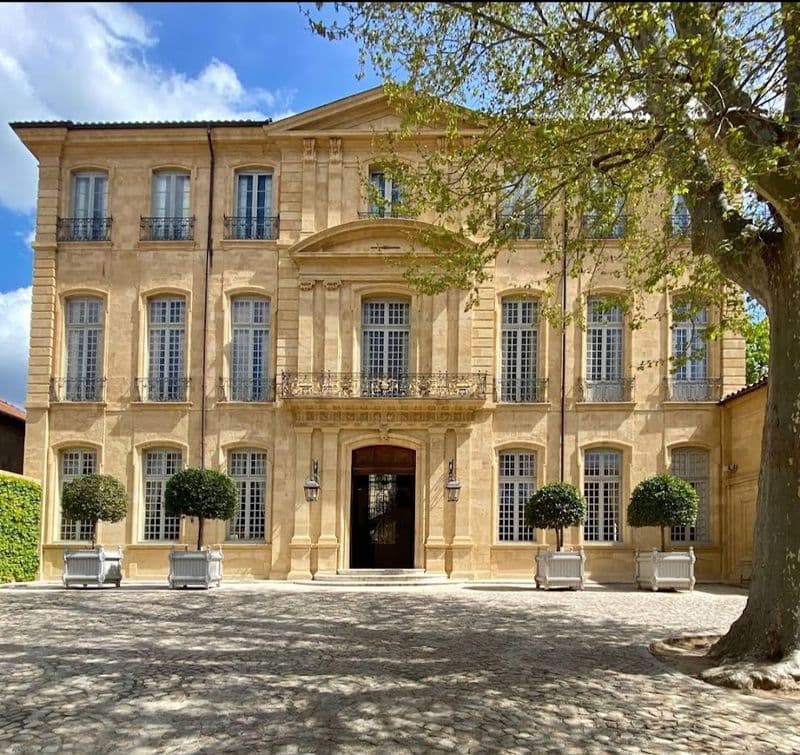
An old town with pedestrian lanes.
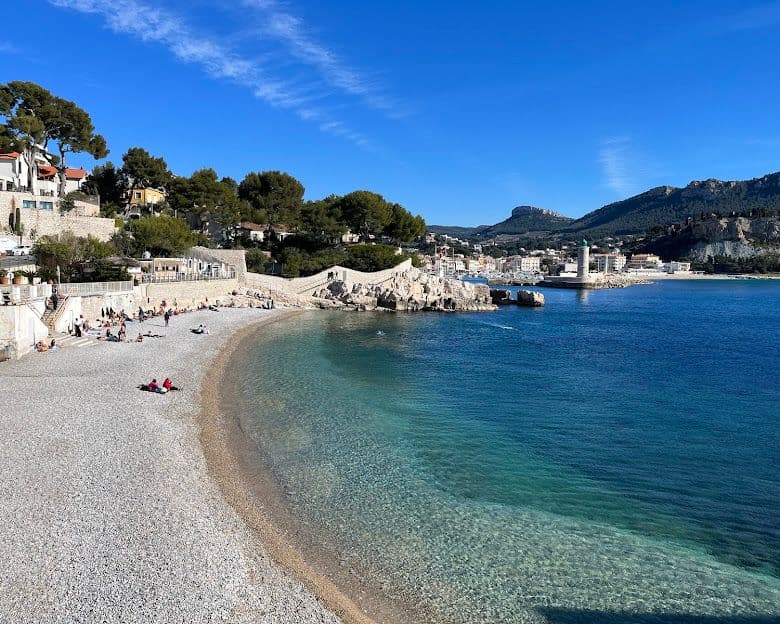
A small beach about a 10-minute walk west of Cassis, overlooked by the Hôtel Mahogany Beach.
Plage du Bestouan gets very crowded in summer, so arrive early in the morning if you want a spot.

A boat tour departing from Quai Saint-Pierre in Cassis, offering views from the sea of the Calanques' limestone cliffs and narrow coves. The duration varies by route, and commentary from a local guide is included.
The ticket office for boat tours departing from Cassis can suddenly get busy, so arrive early if you have a preferred departure.

A fish shop and restaurant in Cassis harbor, featured for mussels and fresh mackerel.

A signature restaurant in Cassis where you can try traditional Provençal fish stew, bouillabaisse. Bouillabaisse costs about 65 euros.
When ordering fish priced per 100 g at Chez Gilbert, check the serving weight and final price first.

The largest beach in the town of Cassis, beside the harbor. Lifeguards are on duty in summer.
At Plage de la Grande Mer, the water quickly becomes too deep to stand in some places, and there are rocks and waves, so take care when swimming with children.
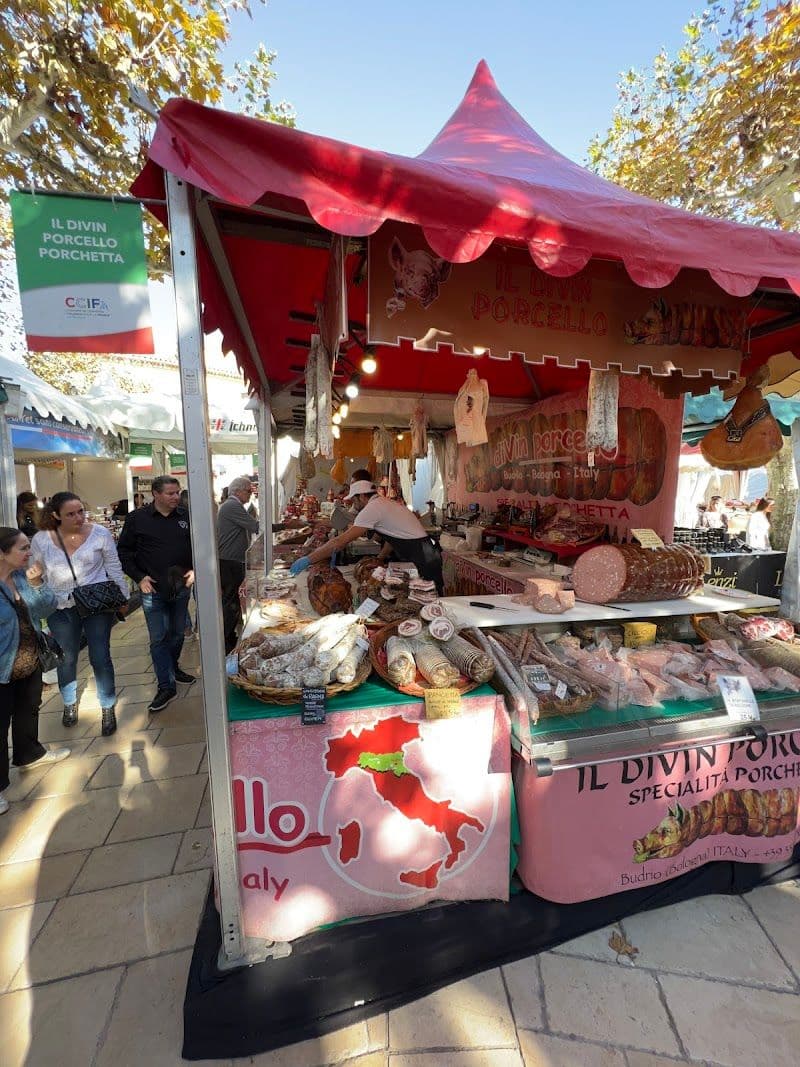
A market held on Wednesday and Friday mornings at Place Baragnon, selling produce, cheese, honey, fish, and more, and visited by local residents.

A working harbor where fishing boats still come and go, with cafés and restaurants with terraces nearby.
2,196 sailings are grouped into 378 cruises by ship and route.
MSC CruisesMSC CruisesMediterranean cruises · 6 nights
MSC CruisesMediterranean cruises · 7 nights
MSC CruisesMSC CruisesMediterranean cruises · 7 nights
MSC CruisesMSC CruisesMSC CruisesSailing 2026.11Mediterranean cruises · 7 nights
MSC CruisesMSC CruisesMSC CruisesSailing 2026.11Mediterranean cruises · 7 nights
MSC Cruises378 cruises call at this port.
Explore cabin types, dining and deck facilities for each ship.
MSC Cruises · 338 sailings
29 cabin types · 19 dining venues · 61 entertainment options · 17 decks
Explore the ship
MSC Cruises · 320 sailings
11 cabin types · 6 dining venues · 42 entertainment options · 13 decks
Explore the ship
MSC Cruises · 300 sailings
27 cabin types · 18 dining venues · 65 entertainment options · 17 decks
Explore the ship
MSC Cruises · 200 sailings
19 cabin types · 10 dining venues · 46 entertainment options · 12 decks
Explore the ship
Since being designated a European Capital of Culture for 2013, with an estimated €660 million of funding in the bargain, Marseille has been in the throes of an extraordinary transformation, with no fewer than five major new arts centers, a beautifully refurbished port, revitalized neighborhoods, and a slew of new shops and restaurants. Once the underdog, this time-burnished city is now welcoming an influx of weekend tourists who have colonized entire neighborhoods and transformed them into elegant pieds-à-terre (or should we say, mer). The second-largest city in France, Marseille is one of Europe's most vibrant destinations. Feisty and fond of broad gestures, it is also as complicated and as cosmopolitan now as it was when a band of Phoenician Greeks first sailed into the harbor that is today's Vieux Port in 600 BC. Legend has it that on that same day a local chieftain's daughter, Gyptis, needed to choose a husband, and her wandering eyes settled on the Greeks' handsome commander Protis. Her dowry brought land near the mouth of the Rhône, where the Greeks founded Massalia, the most important Continental shipping port in antiquity. The port flourished for some 500 years as a typical Greek city, enjoying the full flush of classical culture, its gods, its democratic political system, its sports and theater, and its naval prowess. Caesar changed all that, besieging the city in 49 BC and seizing most of its colonies. In 1214 Marseille was seized again, this time by Charles d'Anjou, and was later annexed to France by Henri IV in 1481, but it was not until Louis XIV took the throne that the biggest transformations of the port began; he pulled down the city walls in 1666 and expanded the port to the Rive Neuve (New Riverbank). The city was devastated by plague in 1720, losing more than half its population. By the time of the Revolution, Marseille was on the rebound once again, with industries of soap manufacturing and oil processing flourishing, encouraging a wave of immigration from Provence and Italy. With the opening of the Suez Canal in 1869, Marseille became the greatest boomtown in 19th-century Europe. With a large influx of immigrants from areas as exotic as Tangiers, the city quickly acquired the multicultural population it maintains to this day.
Cruise lines calling here: 10 places
Ports frequently visited before this one
Tell us your travel dates, party size and budget to find suitable cruises calling here.
Some booking links are affiliate links. TravelersMap may earn a commission when you book, at no extra cost to you.