Nakajima Wharf Cruise Pier → Port Tower Selion
Exit the pier gate and walk straight for about 5 minutes along the roadside sidewalk toward the glass pyramid of Selion Tower.
Opening CruiseMap…

Japan · Port
Photo by Pratik Bisht on Unsplash





Showing the next 12 cruises out of 27 visiting this port.
These ports appear before or after this stop on the same itinerary. The numbers show how often they occur together.
Explore cabin types, dining and deck facilities for each ship.
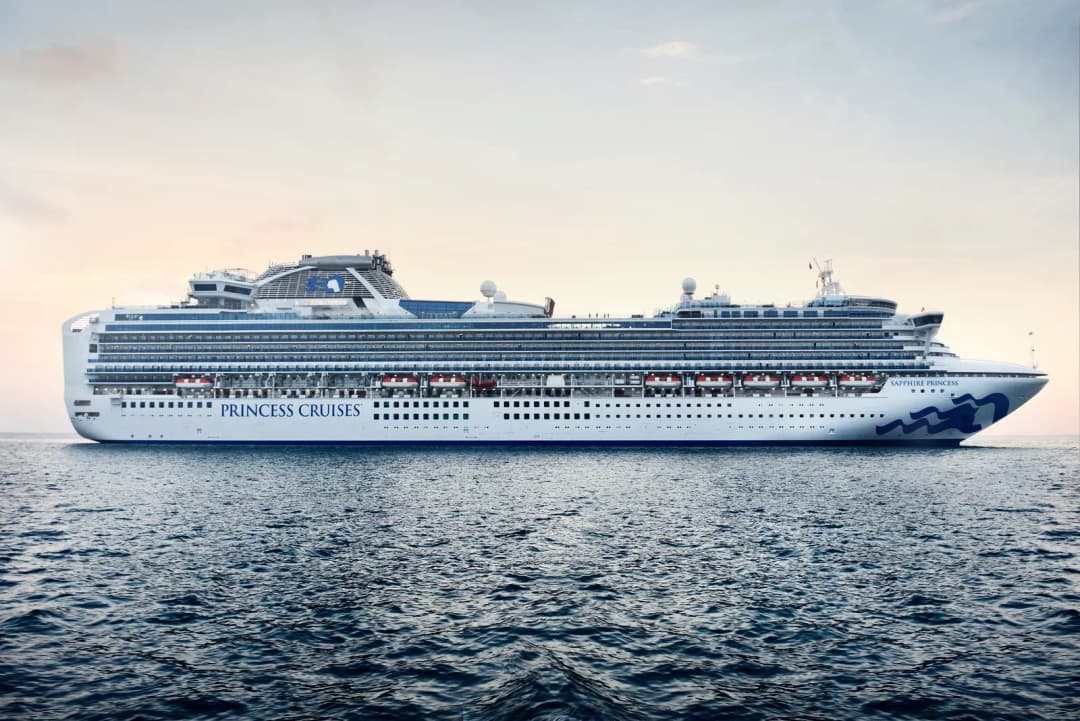
Princess Cruises · 9 sailings
7 cabin types · 15 dining venues · 23 entertainment options · 13 decks
Explore the ship
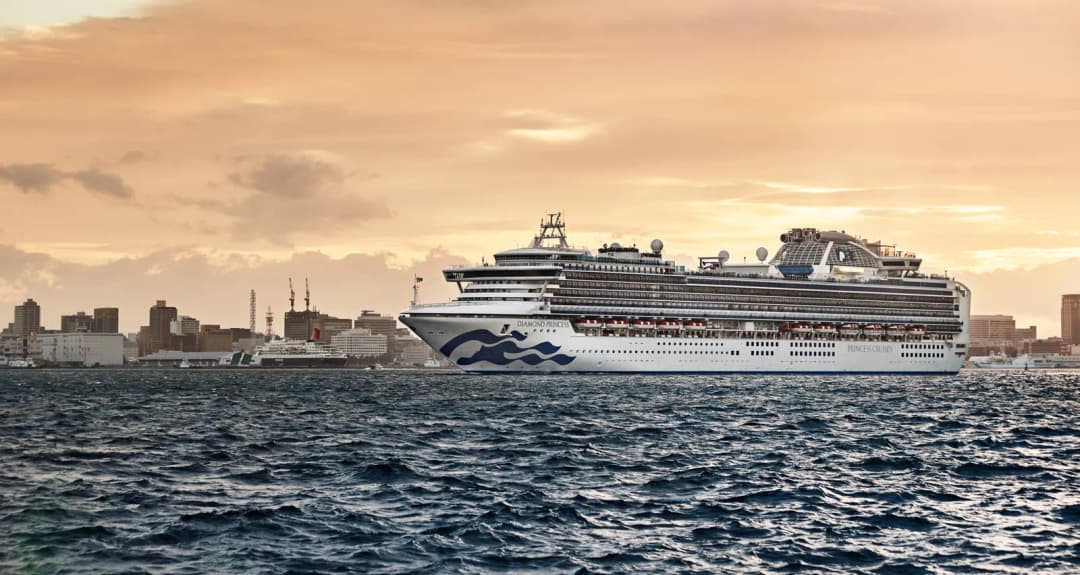
Princess Cruises · 6 sailings
7 cabin types · 17 dining venues · 27 entertainment options · 13 decks
Explore the ship
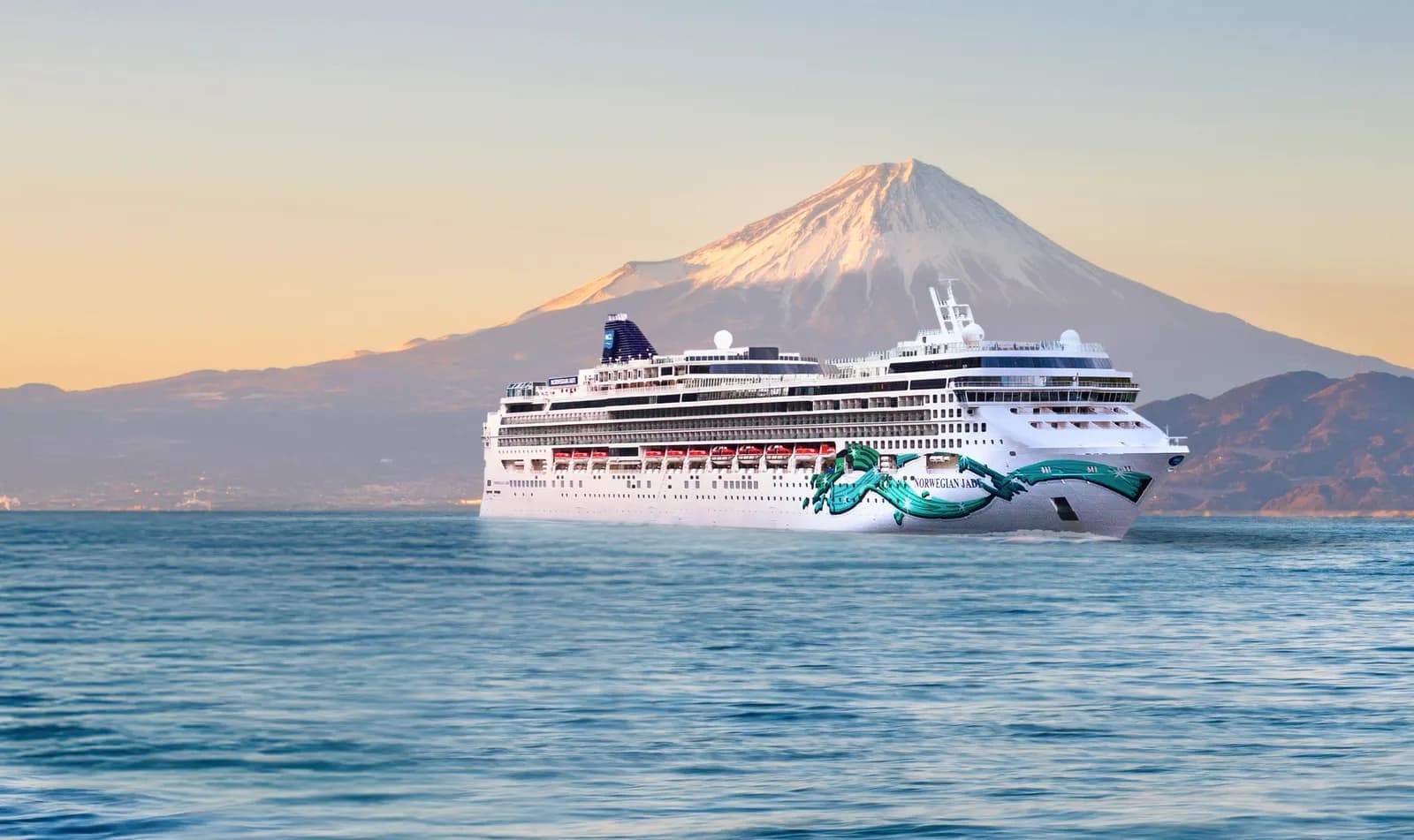
Norwegian Cruise Line · 5 sailings
29 cabin types · 15 dining venues · 35 entertainment options · 12 decks
Explore the ship

Regent Seven Seas Cruises · 4 sailings
10 cabin types · 10 dining venues · 41 entertainment options · 10 decks
Explore the ship
Cruise port in Japan
Allow about 20 min each way from the terminal to the city center. Average time in port: 10 hours. 23 places to explore.
Photo by Pratik Bisht on Unsplash
Cruise ships dock at Akita Port Nakajima Pier. Allow about 20 min each way from the terminal to the city center.
Cruise ships dock at Akita Port Nakajima Pier.
Port Tower Selion, with a free observation deck 100 meters high, and a local specialty shop are a 5-minute walk from Nakajima Pier, where cruise ships berth.
The temporary cruise-only train service that operated previously has been discontinued. To reach the city, use a cruise line shuttle bus, the city bus stop in front of Selion, or a taxi (about 20 minutes).
From JR Akita Station, the Akita Shinkansen Komachi reaches Kakunodate Station, known for its traditional samurai residences, in 44 minutes without a transfer.
Time available at the destination after subtracting return travel.
Calculated from the average time in port. Return deadlines vary by sailing; check the daily programme on board.
Travel between the terminal, city center, railway station and airport.
Nakajima Wharf Cruise Pier → Port Tower Selion
Exit the pier gate and walk straight for about 5 minutes along the roadside sidewalk toward the glass pyramid of Selion Tower.
Akita Port Terminal → JR Akita Station West Exit
Take the shuttle operating in front of the terminal or an Akita Chuo Kotsu bus from the stop in front of Selion and get off at the west exit of JR Akita Station.
JR Akita Station → JR Kakunodate Station
At the Shinkansen platforms at JR Akita Station, take the Akita Shinkansen Komachi toward Tokyo and get off at Kakunodate Station.
JR Akita Station West Exit → Senshu Park (Kubota Castle)
Exit from the west side of Akita Station, walk along Hirokoji Street, cross the pond, and continue to the Otemon slope at the main gate of Senshu Park.
Explore 17 checked places. Select a pin to see its card, or choose View on map from a card.

Designed by architect Tadao Ando, it features triangular spiral stairs and a water-feature terrace, and exhibits Tsuguharu Fujita's large mural 'Events of Akita'.
The second-floor museum lounge offers a great view over the water basin toward the forest of Senshu Park.

A 143 m full-glass tower with a free 360-degree observation deck at 100 m, overlooking Akita Port, the Sea of Japan, Mount Gassan, and the Oga Peninsula.
Admission to the observation deck is free, and Akita specialties are available on the first floor at the roadside station.
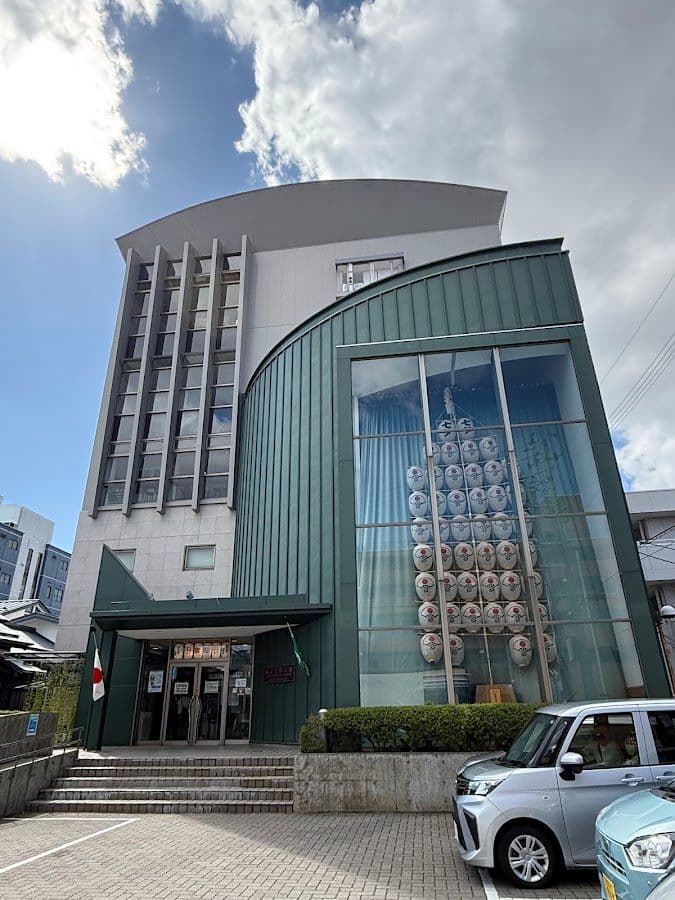
An exhibition hall displaying actual large bamboo lantern poles from the Akita Kanto Festival year-round, where visitors can try balancing a pole on their forehead or shoulder.
It can be visited with a combined ticket together with the neighboring former traditional merchant house of the Kaneko family.

A park on the site of Kubota Castle, built by the Akita domain's Satake family, with restored Osumi Turret, Omote Gate, and a quiet lotus moat.
There are gentle steps and uphill paths to the center of the park and the castle ruins.
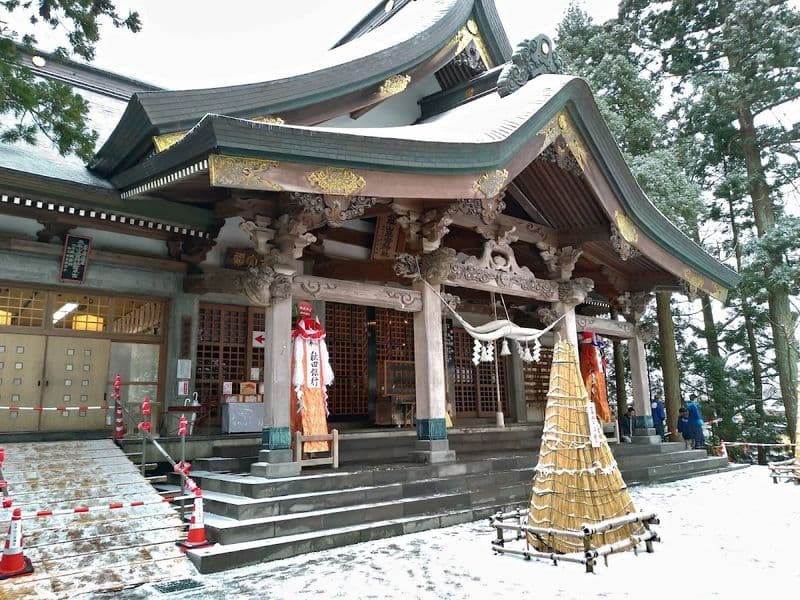
A historic mountain-worship shrine in Akita, venerating Mount Taihei and widely believed to bring victory and business prosperity.
It is well known throughout Japan for the Miyoshi Bonten Festival held every January.

A red-brick Renaissance-style building completed in 1912 as the head office of Akita Bank, with elaborate plaster relief ceilings and displays of local Akita crafts.
You can view the historic interior vault and wooden meeting room of this nationally designated Important Cultural Property.
With enough time in port, you can explore beyond the city. One-way times are approximate.

Known as “the Little Kyoto of Tōhoku,” this Important Preservation District for Groups of Traditional Buildings preserves the black wooden fences of Edo-period samurai residences and grand avenues of weeping cherry trees.
Walking through the entire district is free, while each samurai residence charges a separate admission fee.

A famous restaurant in the center of Kakunodate’s samurai-residence district, serving charcoal-grilled Hinai-jidori oyakodon with softly cooked egg and Sato Yosuke Inaniwa udon together.
Queues may be long at lunchtime during cherry blossom and autumn foliage seasons.

The oldest surviving samurai residence in Kakunodate, with a thatched-roof main gate and tatami rooms; direct descendants provide commentary.
You must wear socks when entering the indoor tatami rooms.

A craft museum displaying demonstrations by artisans of Akita's traditional kabazaiku, intricate cherry-bark woodworking, and works such as tea utensils.
The souvenir shop is well stocked with traditional handmade items such as tea canisters and pencil cases.

In a traditional earthen-storehouse-style shop in Kakunodate, it serves handmade seiro udon with cold tsuyu and sesame-miso tsuyu.
The shop has a section selling gift sets of udon.

The largest residence of a high-ranking samurai in Kakunodate, on a 3,000-tsubo estate with six exhibition spaces, including the main house, weapons storehouse, the Kaitai Shinsho Memorial Hall, and gardens.
Thousands of authentic Edo-period samurai artifacts, including swords and armor, are systematically displayed.
28 sailings are grouped into 27 cruises by ship and route.
Princess CruisesAsia cruises · 23 nights · Long cruise
Regent Seven Seas CruisesSailing 2027.03Asia cruises · 14 nights · Long cruise
Princess CruisesAsia cruises · 13 nights · Long cruise
Princess CruisesAsia cruises · 24 nights · Long cruise
Norwegian Cruise LineAsia cruises · 14 nights · Long cruise
Princess CruisesAsia cruises · 22 nights · Long cruise
Princess CruisesAsia cruises · 24 nights · Long cruise
Princess CruisesAsia cruises · 11 nights · Long cruise
Royal Caribbean InternationalSailing 2027.09Transpacific cruises · 15 nights · Long cruise
The Ritz-Carlton Yacht CollectionSailing 2027.10Asia cruises · 11 nights · Long cruise
Norwegian Cruise LineSailing 2027.10Asia cruises · 11 nights · Long cruise
Regent Seven Seas CruisesSailing 2027.10Asia cruises · 14 nights · Long cruise
27 cruises call at this port.
Explore cabin types, dining and deck facilities for each ship.
Princess Cruises · 9 sailings
7 cabin types · 15 dining venues · 23 entertainment options · 13 decks
Explore the ship
Princess Cruises · 6 sailings
7 cabin types · 17 dining venues · 27 entertainment options · 13 decks
Explore the ship
Norwegian Cruise Line · 5 sailings
29 cabin types · 15 dining venues · 35 entertainment options · 12 decks
Explore the ship
Regent Seven Seas Cruises · 4 sailings
10 cabin types · 10 dining venues · 41 entertainment options · 10 decks
Explore the ship
Norwegian Cruise Line, Regent Seven Seas Cruises, and The Ritz-Carlton Yacht Collection call at the port of Akita. The average port stay is about 9 hours, and it is placed on an itinerary that includes an at-sea segment connecting to Kanazawa, Niigata, and other destinations.
Cruise lines calling here: 5 places
Tell us your travel dates, party size and budget to find suitable cruises calling here.
Some booking links are affiliate links. TravelersMap may earn a commission when you book, at no extra cost to you.