Porto Cruise Terminal → Matosinhos Waterfront & Seafood Alley
Exit the terminal security gate and walk north along the breakwater access road to reach Matosinhos Beach and the entrance to the seafood street of Rua Heróis de França.
Opening CruiseMap…

Portugal · Port
Photo: Stefan Pflaum



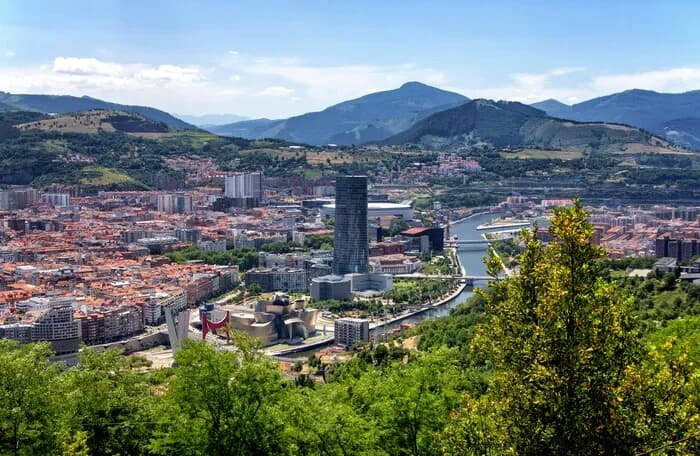
Showing the next 12 cruises out of 77 visiting this port.
Previous ports
These ports appear before or after this stop on the same itinerary. The numbers show how often they occur together.
Explore cabin types, dining and deck facilities for each ship.

Emerald Cruises · 165 sailings
4 cabin types · 4 dining venues · 14 entertainment options · 4 decks
Explore the ship
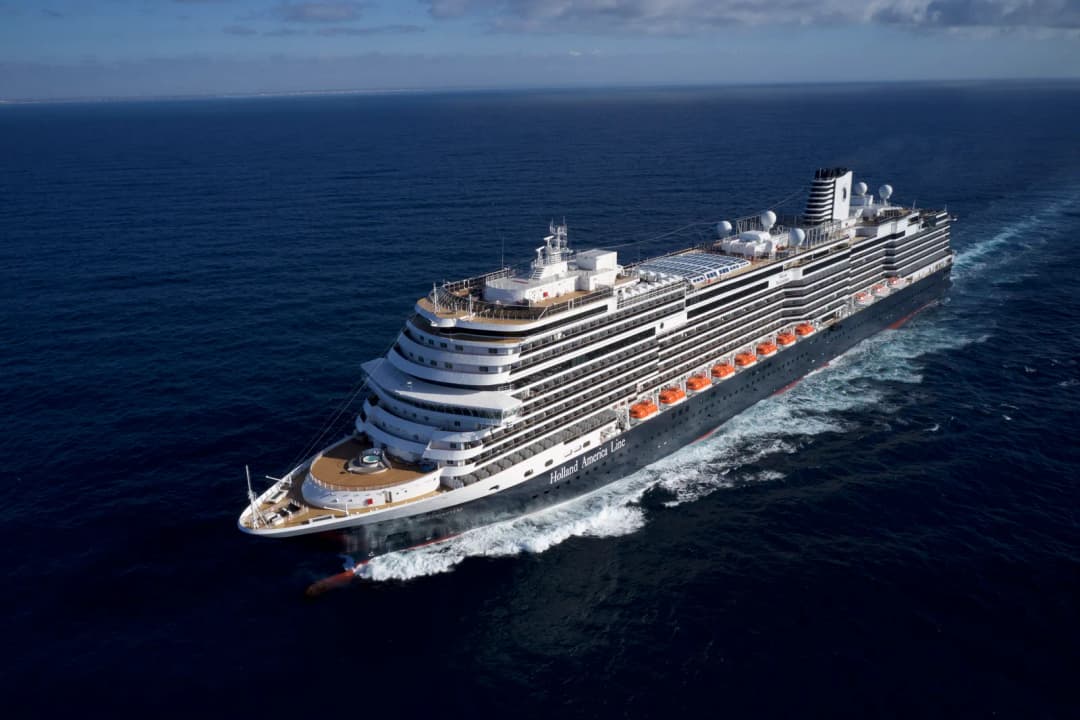
Holland America Line · 29 sailings
13 cabin types · 11 dining venues · 18 entertainment options · 13 decks
Explore the ship
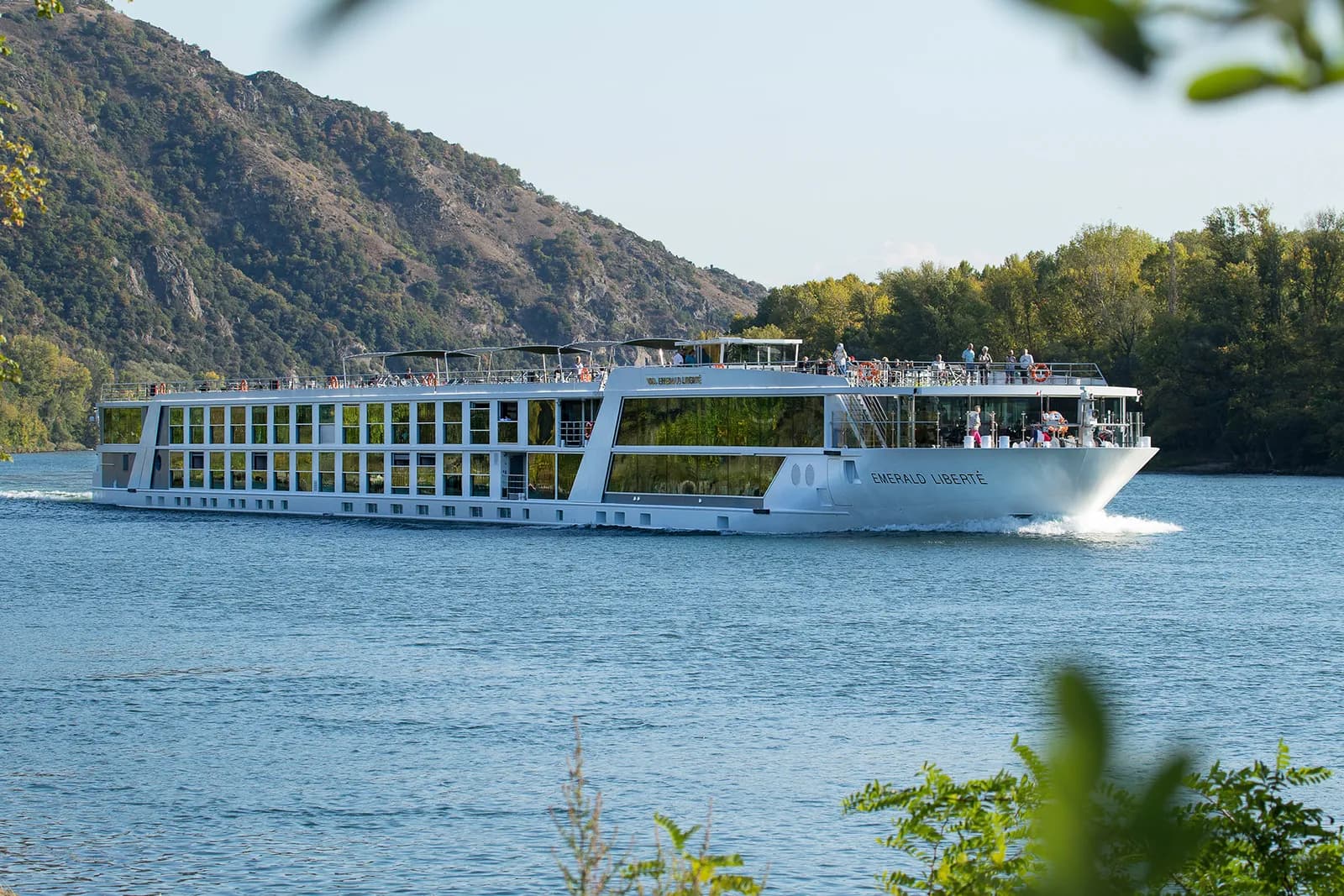
Emerald Cruises · 8 sailings
5 cabin types · 4 dining venues · 14 entertainment options · 4 decks
Explore the ship

Regent Seven Seas Cruises · 7 sailings
8 cabin types · 8 dining venues · 40 entertainment options · 8 decks
Explore the ship
Cruise port in Portugal
Allow about 5 min each way from the terminal to the city center. Average time in port: 9 hours. 24 places to explore.
Photo: Stefan Pflaum
Cruise ships dock at Porto cruise terminals. Allow about 5 min each way from the terminal to the city center.
The assigned dock is one of Leixões Porto Cruise Terminal (Matosinhos), Douro River Cruise Pier (Vila Nova de Gaia) and varies by sailing.
Metro line A takes about 25 minutes from Matosinhos (near the terminal) to central Porto (Trindade or Aliados). When buying a rechargeable Andante card, load a 4-zone (Z4) ticket.
Rua Heróis de França is a 10-minute walk from the cruise terminal and Portugal's premier seafood street, where the day's sardines, sea bass, and squid are grilled over charcoal at outdoor roadside grills.
Time available at the destination after subtracting return travel.
Calculated from the average time in port. Return deadlines vary by sailing; check the daily programme on board.
Travel between the terminal, city center, railway station and airport.
Porto Cruise Terminal → Matosinhos Waterfront & Seafood Alley
Exit the terminal security gate and walk north along the breakwater access road to reach Matosinhos Beach and the entrance to the seafood street of Rua Heróis de França.
Matosinhos Sul / Mercado → Porto Trindade
At Matosinhos Sul or Mercado station near the terminal, take metro line A toward Estádio do Dragão and get off at Trindade, a central Porto transit hub, with no transfer.
Trindade → Ribeira do Porto
At Trindade, transfer to metro line D (yellow line) toward Santo Ovídio. Get off at São Bento, 2 stops away, or at Jardim do Morro above Dom Luís I Bridge.
Porto Cruise Terminal → Porto City Center (Aliados)
Take an official taxi in front of the terminal or request an Uber/Bolt for an 18–20-minute ride along the Douro estuary coast road to Aliados Square by Porto City Hall.
Explore 10 checked places. Select a pin to see its card, or choose View on map from a card.
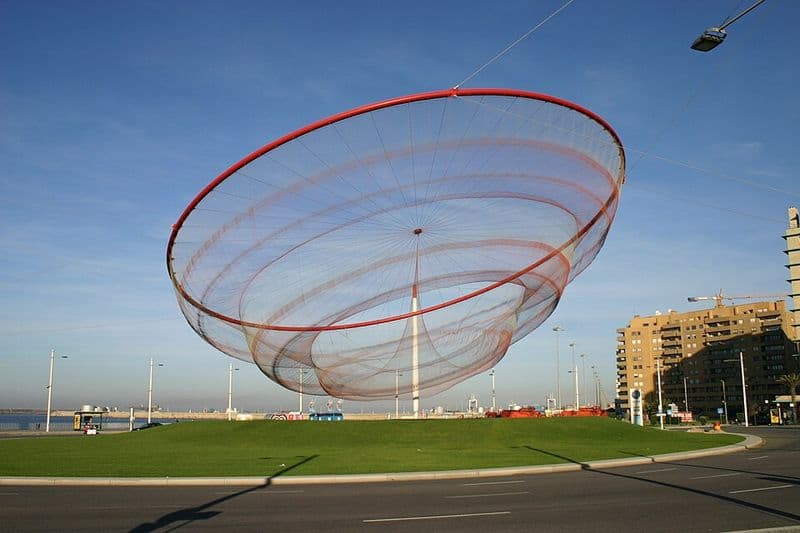
A huge red net sculpture by American installation artist Janet Echelman, suspended above the roundabout at the border of Porto and Matosinhos, changing shape gracefully with the sea breeze.
It stands in the middle of an intersection, so view it safely from the roadside sidewalk or beach promenade.

A star-shaped granite coastal fort built in the 17th century to defend Leixões harbor and the mouth of the Leça River from pirates and invaders.
It is also partly used as a current port security facility, so visitors mainly see the exterior and courtyard.

A wide golden-sand beach washed by gentle Atlantic waves, lively year-round with locals enjoying surfing lessons and beach walks.
Located just north of the cruise terminal, making it a pleasant place for a seaside walk before or after your port call.
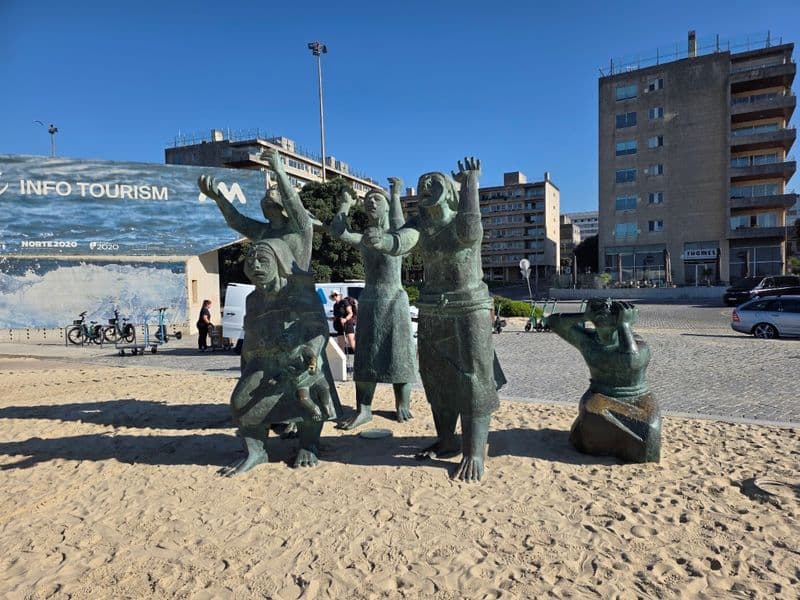
An impressive bronze group sculpture by José Rodrigues on the coastal promenade, commemorating the 152 fishermen who died in a fishing boat sinking in 1947.
A historic monument you can easily encounter while walking along the Matosinhos coastal promenade.
With enough time in port, you can explore beyond the city. One-way times are approximate.

A double-deck steel arch bridge designed by Théophile Seyrig, a student of Gustave Eiffel. The upper pedestrian level offers panoramic views of the Douro River and the UNESCO-listed old town.
The upper deck is shared by the metro and pedestrians, so watch for trains as you cross.
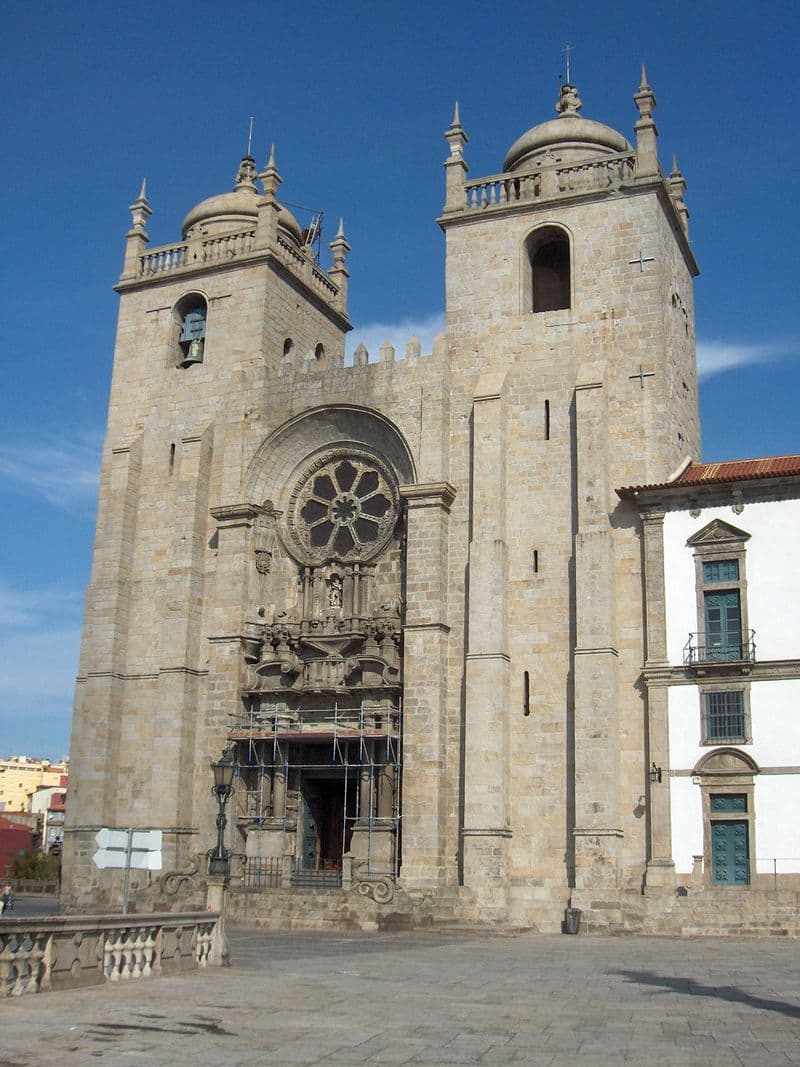
Porto's oldest cathedral, built in the 12th century in the Romanesque fortress style, with beautiful azulejo paintings in its Gothic cloister and old-town views from the terrace in front.
The cathedral interior is free to visit; a modestly priced ticket is required for the cloister and treasury.

A Neoclassical palace built by Porto's Chamber of Commerce in the 19th century. Its “Arabian Room,” inspired by Granada's Alhambra Palace and lavishly decorated with gilding and Moorish motifs, is a highlight.
Interior access is available only through a guided tour, so arrange the time for a tour in your preferred language as soon as you arrive.
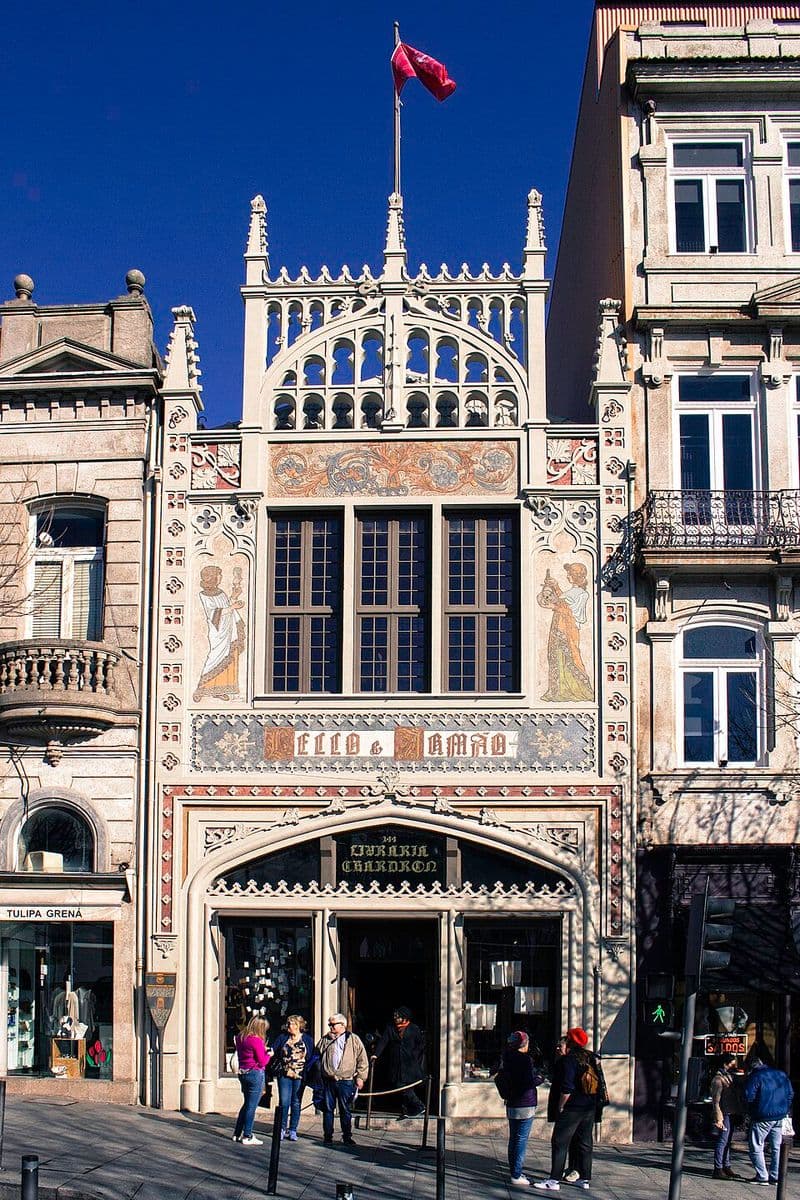
A bookstore opened in 1906 in a Neo-Gothic and Art Nouveau building, with a striking red spiral wooden staircase in the center and a stained-glass ceiling.
The admission voucher must be purchased in advance on the official website; purchases of books are discounted by the voucher amount.

The walls of the station's central hall are decorated with around 20,000 blue azulejo tiles depicting historic battles and rural scenes from Portugal.
As this is an active railway station, view it from a place that does not obstruct commuter passengers.

A 75-meter-high Baroque stone bell tower designed by Italian architect Nicolau Nasoni. Climb 225 spiral steps for a 360-degree view of Porto.
The stair passage is narrow, so check the traffic lights and move accordingly when going up or down.

A Romantic-style garden on a hill where the Douro River meets the Atlantic, with peacock-filled paths and hidden viewpoints over the Douro estuary and bridges.
Each of the garden’s terraces and viewpoints offers a different angle on the riverside scenery.

An 18th-century Rococo church, whose entire right-side exterior wall is covered in a huge blue azulejo mural depicting the founding history of the Carmelite order, making it a popular photo spot.
The world’s narrowest house, 1 meter wide, is wedged between Carmo Church and the neighboring Carmelitas Church.

A Porto sandwich favorite, piled with juicy slow-roasted pork neck (called Pernil in the source) and topped with melting cheese described in the source as goat cheese (Queijo da Serra).
The classic pairing is a glass of Portuguese red wine (Vinho Verde Tinto) with a sandwich.
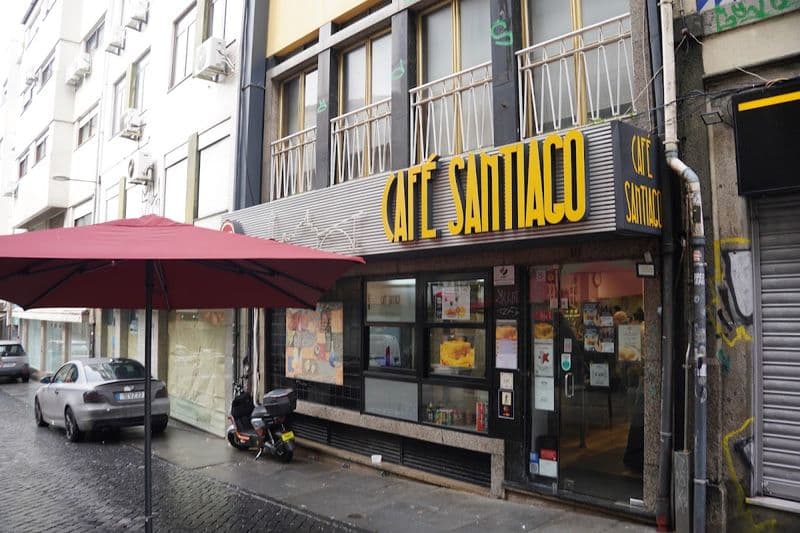
A leading address for Porto's signature Francesinha sandwich: steak, sausage, and ham between slices of bread, covered with melted cheese, a rich house beer sauce, and a fried egg.
It is high in calories and served in generous portions, making it a filling lunch with fries.

Watch artisans shape pastry dough, fill it with cream, and bake it in the oven through a glass window, then enjoy a hot pastel de nata dusted with cinnamon as a bell rings.
The best way to enjoy it is to stand at the counter and eat a freshly baked tart with a strong bica (espresso).
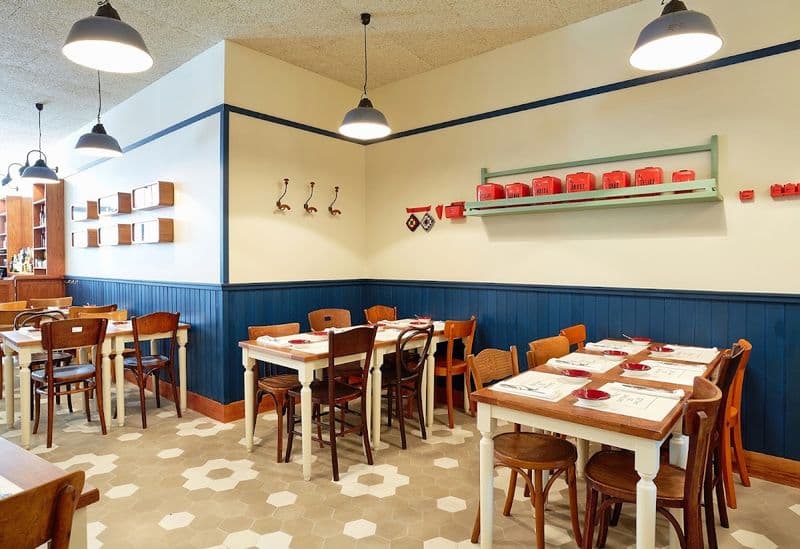
A stylish bistro by leading Portuguese chef José Avillez on Rua Mouzinho da Silveira in the old town, serving creative Portuguese cuisine including flaked cod with “exploding” olives and tender veal.
Reservations are recommended for both lunch and dinner and can be made easily on the website.
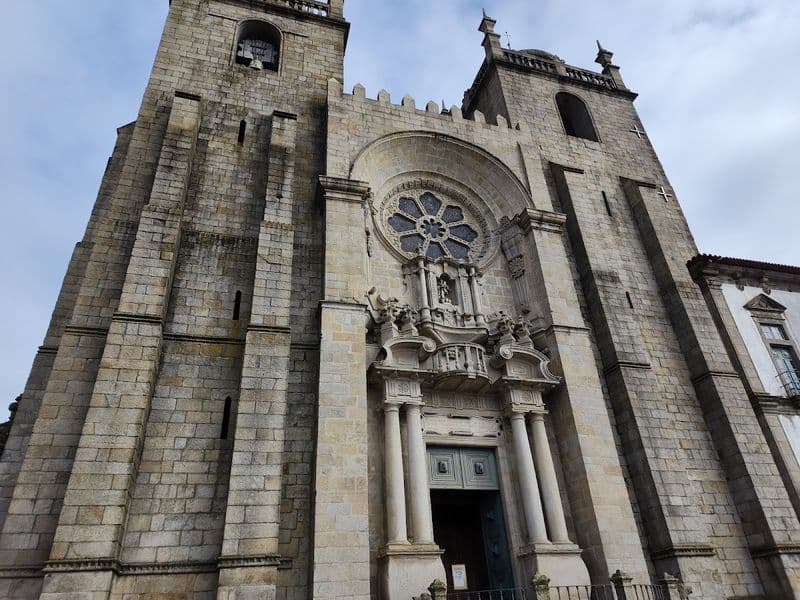
Porto's signature UNESCO-listed waterfront district, lined along the Douro River with colorful medieval-style terraced houses and outdoor cafes.
There are many gravel alleys and sloping stairways, so comfortable sneakers are recommended.
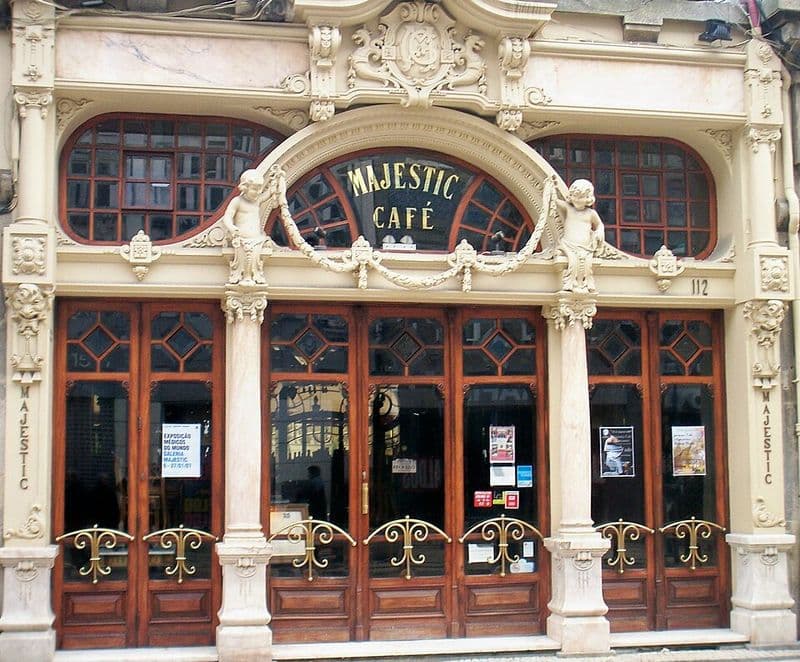
A legendary, ornate Art Nouveau cafe opened in 1921 on the pedestrian street Rua de Santa Catarina, where you can enjoy Portuguese French toast and coffee amid leather seating and large mirrors.
Closed every Sunday; queues may form during the day.
248 sailings are grouped into 77 cruises by ship and route.
Norwegian Cruise LineRepositioning cruises · 14 nights · Long cruise
Holland America LineSailing 2026.11Mediterranean cruises · 29 nights · Long cruise
Holland America LineSailing 2026.11Mediterranean cruises · 14 nights · Long cruise
Holland America LineSailing 2027.01World Cruise · 129 nights · Long cruise
Emerald CruisesEmerald CruisesHolland America LineWorld Cruise · 54 nights · Long cruise
Holland America LineWorld Cruise · 35 nights · Long cruise
Emerald CruisesEmerald CruisesEurope cruises · 7 nights
Emerald CruisesEurope cruises · 8 nights · Mid-length cruise
Norwegian Cruise LineWestern Europe cruises · 11 nights · Long cruise
77 cruises call at this port.
Explore cabin types, dining and deck facilities for each ship.
Emerald Cruises · 165 sailings
4 cabin types · 4 dining venues · 14 entertainment options · 4 decks
Explore the ship
Holland America Line · 29 sailings
13 cabin types · 11 dining venues · 18 entertainment options · 13 decks
Explore the ship
Emerald Cruises · 8 sailings
5 cabin types · 4 dining venues · 14 entertainment options · 4 decks
Explore the ship
Regent Seven Seas Cruises · 7 sailings
8 cabin types · 8 dining venues · 40 entertainment options · 8 decks
Explore the ship
Lively, commercial Oporto is the second largest city in Portugal after Lisbon. Also called Porto for short, the word easily brings to mind the city's most famous product - port wine. Oporto's strategic location on the north bank of the Douro River has accounted for the town's importance since ancient times. The Romans built a fort here where their trading route crossed the Douro, and the Moors brought their own culture to the area. Oporto profited from provisioning crusaders en route to the Holy Land and enjoyed the riches from Portuguese maritime discoveries during the 15th and 16th centuries. Later, port wine trade with Britain compensated for the loss of the spice trade and the end of gold and gem shipments from Brazil. In the 19th century, the city went through a period of new prosperity with the rise of industries. In its wake followed the building of workers' quarters and opulent residences. Since the declaration of Oporto as a World Heritage Site by UNESCO, the city aims to build up a cultural reference that will provide it with a new image, based on deep historical roots. Among the attractions that make Oporto such an interesting place are its graceful bridges spanning the Douro River, a picturesque riverfront quarter and, most notable, its world-famous port wine lodges. Although Oporto is a bustling centre and home to many different businesses, the source of its greatest fame is the rich, sweet fortified red wine we know as port.
Cruise lines calling here: 8 places
Tell us your travel dates, party size and budget to find suitable cruises calling here.
Some booking links are affiliate links. TravelersMap may earn a commission when you book, at no extra cost to you.