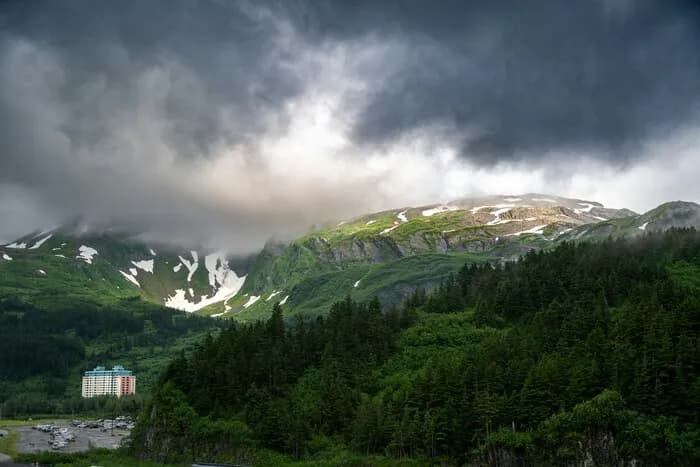
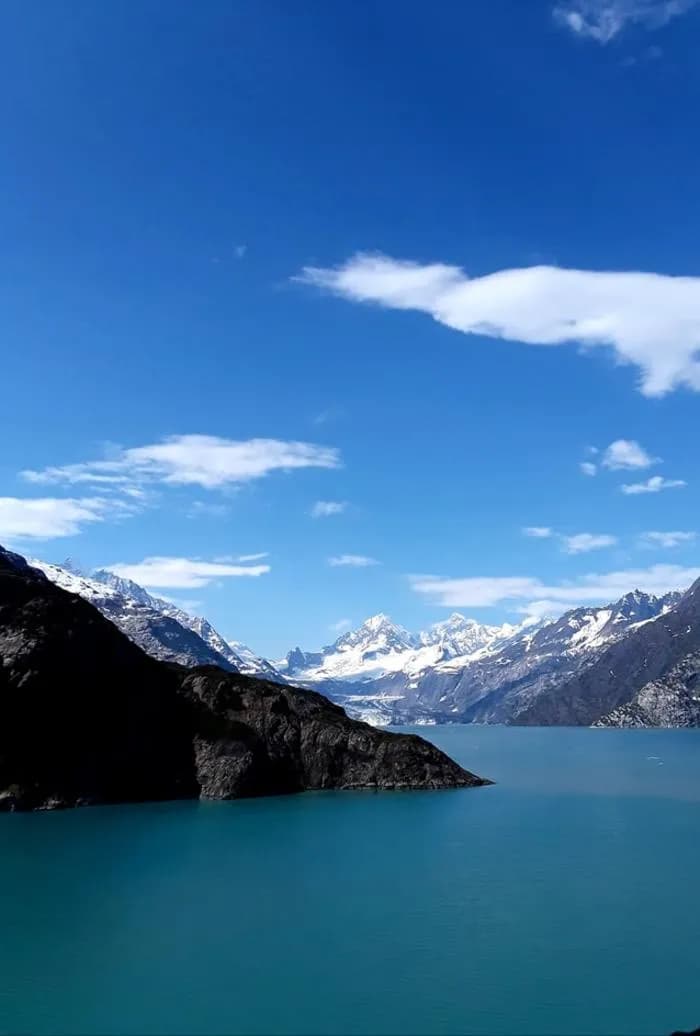
Ketchikan is famous for its colorful totem poles, rainy skies, steep–as–San Francisco streets, and lush island setting. Some 13,500 people call the town home, and, in the summer, cruise ships crowd the shoreline, floatplanes depart noisily for Misty Fiords National Monument, and salmon-laden commercial fishing boats motor through Tongass Narrows. In the last decade Ketchikan's rowdy, blue-collar heritage of logging and fishing has been softened by the loss of many timber-industry jobs and the dramatic rise of cruise-ship tourism. With some effort, though, visitors can still glimpse the rugged frontier spirit that once permeated this hardscrabble cannery town. Art lovers should make a beeline for Ketchikan: the arts community here is very active. Travelers in search of the perfect piece of Alaska art will find an incredible range of pieces to choose from.The town is at the foot of 3,000-foot Deer Mountain, near the southeastern corner of Revillagigedo (locals shorten it to Revilla) Island. Prior to the arrival of white miners and fishermen in 1885, the Tlingit used the site at the mouth of Ketchikan Creek as a summer fish camp. Gold discoveries just before the turn of the 20th century brought more immigrants, and valuable timber and commercial fishing resources spurred new industries. By the 1930s the town bragged that it was the "salmon-canning capital of the world." You will still find some of Southeast's best salmon fishing around here. Ketchikan is the first bite of Alaska that many travelers taste. Despite its imposing backdrop, hillside homes, and many staircases, the town is relatively easy to walk through. Favorite downtown stops include the Spruce Mill Development shops and Creek Street. A bit farther away you'll find the Totem Heritage Center. Out of town (but included on most bus tours) are two longtime favorites: Totem Bight State Historical Park to the north and Saxman Totem Park to the south.
Calculated from the average time in port. Return deadlines vary by sailing; check the daily programme on board.
Between the terminal, city and airport
Travel between the terminal, city center, railway station and airport.
BusUSD 2
Totem Bight State Historical Park → Downtown Ketchikan
Take the Silver Line bus from the park toward downtown. The stated departure from the park is at minute 07 of each hour. If paying the one-way fare in cash, bring exactly $2 because no change is given.
BusAbout 10 minUSD 2
Berth 2 → Saxman Native Village
At a stop near Berth 2, take the Silver Line bus arriving at minute 43 of each hour. Get off below Totem Row on S. Tongass Hwy, cross the road, and walk uphill. Pay the bus fare in cash with exact change.
Walk
Berth 2 → Ketchikan Visitor Center
After getting off at Berth 2, walk across the street to Ketchikan Visitor Center.
BusAbout 25 minUSD 2
Downtown Ketchikan cruise port → Totem Bight State Historical Park
From the downtown cruise port, go to the stop across from Tongass Trading Company Store. Take Silver Line North, which runs about hourly, and get off in front of the park.
Shuttle
Ward Cove → Downtown Ketchikan
For Norwegian Cruise Line ships berthed at Ward Cove, take the company's shuttle bus to downtown.
BusUSD 2
Saxman Native Village → Downtown Ketchikan
Take a return bus from the village to downtown. The stated departure from the village is at minute 15 of each hour. If paying the one-way fare in cash, bring exactly $2 because no change is given.
Walk
Berths 1–4 → Downtown Ketchikan
Disembark at whichever of downtown Berths 1, 2, 3, or 4 your ship uses and walk into town.
TaxiAbout 5 minUSD 10~USD 15
Downtown Ketchikan → Saxman Native Village
Take a taxi from downtown Ketchikan to Saxman Native Village. The stated one-way fare is $10–15 depending on pick-up location and traffic.
Ketchikan places to explore
Explore 21 checked places. Select a pin to see its card, or choose View on map from a card.
Sights
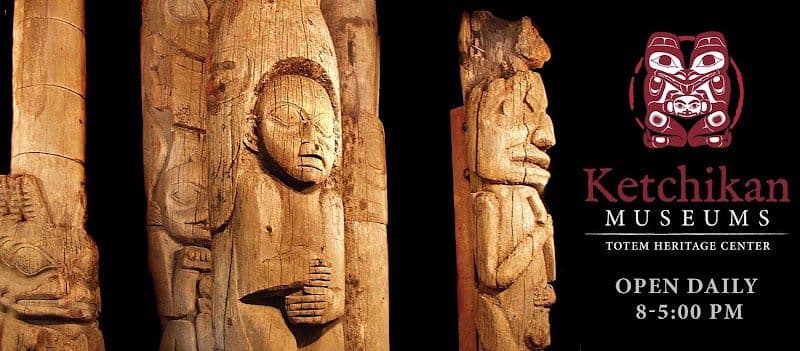
Totem Heritage Center
A cultural institution preserving 19th-century Tlingit and Haida totem poles and presenting contemporary Native artists.
Exhibits the region's ecosystems, cultural heritage, and history, including the flora and fauna of Tongass National Forest and Tlingit, Haida, and Tsimshian traditions.
A structure built across rapids to help salmon reach their upstream spawning grounds. During spawning season, you can see salmon jumping up the ladder.
With enough time in port, you can explore beyond the city. One-way times are approximate.
Saxman Native Village
About 15 min each wayTime at destination About 6 hr 30 min
SightsSaxman Village Totem Park
A park featuring historical and modern Tlingit totem poles. The source says access to the carving center and dance performances in the clan house is limited to designated tour participants.
The park has hills and dirt and gravel paths, so check accessibility before booking if using a walker.
Ketchikan is famous for its colorful totem poles, rainy skies, steep–as–San Francisco streets, and lush island setting. Some 13,500 people call the town home, and, in the summer, cruise ships crowd the shoreline, floatplanes depart noisily for Misty Fiords National Monument, and salmon-laden commercial fishing boats motor through Tongass Narrows. In the last decade Ketchikan's rowdy, blue-collar heritage of logging and fishing has been softened by the loss of many timber-industry jobs and the dramatic rise of cruise-ship tourism. With some effort, though, visitors can still glimpse the rugged frontier spirit that once permeated this hardscrabble cannery town. Art lovers should make a beeline for Ketchikan: the arts community here is very active. Travelers in search of the perfect piece of Alaska art will find an incredible range of pieces to choose from.The town is at the foot of 3,000-foot Deer Mountain, near the southeastern corner of Revillagigedo (locals shorten it to Revilla) Island. Prior to the arrival of white miners and fishermen in 1885, the Tlingit used the site at the mouth of Ketchikan Creek as a summer fish camp. Gold discoveries just before the turn of the 20th century brought more immigrants, and valuable timber and commercial fishing resources spurred new industries. By the 1930s the town bragged that it was the "salmon-canning capital of the world." You will still find some of Southeast's best salmon fishing around here. Ketchikan is the first bite of Alaska that many travelers taste. Despite its imposing backdrop, hillside homes, and many staircases, the town is relatively easy to walk through. Favorite downtown stops include the Spruce Mill Development shops and Creek Street. A bit farther away you'll find the Totem Heritage Center. Out of town (but included on most bus tours) are two longtime favorites: Totem Bight State Historical Park to the north and Saxman Totem Park to the south.
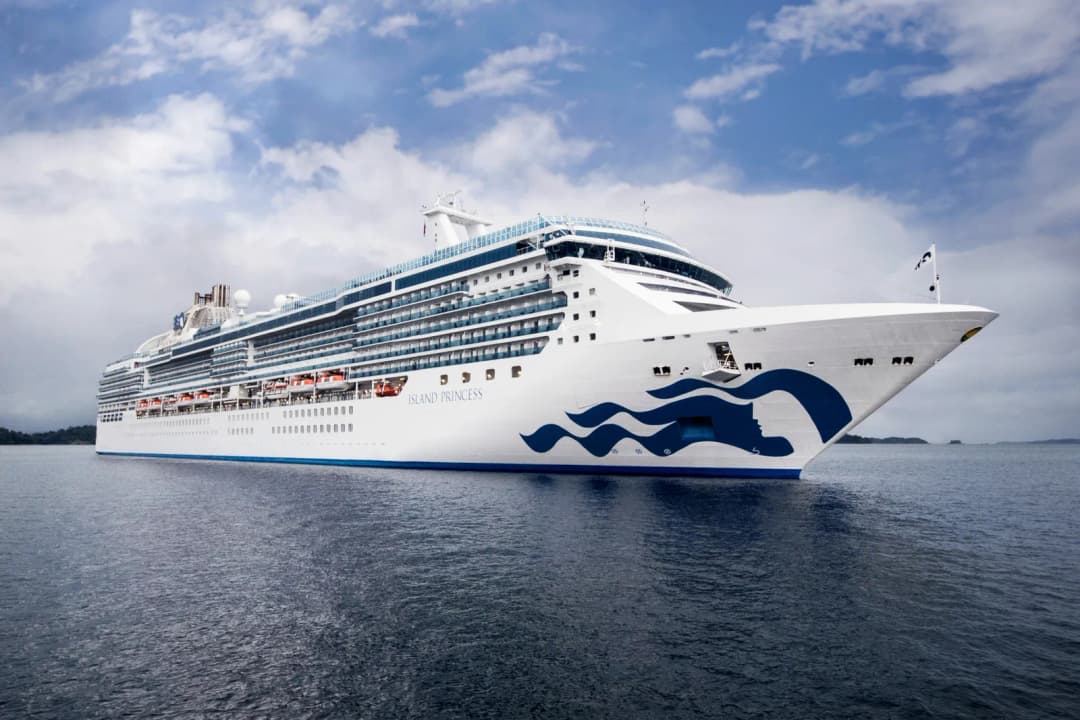
Cruise lines calling here: 10 places
Celebrity CruisesDisney Cruise LineHolland America LineMSC CruisesNorwegian Cruise LinePrincess CruisesRegent Seven Seas CruisesRoyal Caribbean InternationalThe Ritz-Carlton Yacht CollectionVirgin Voyages