 Princess Cruises
23 departure dates16 sailings available to book
Sailing 2027.04 ~ 2028.08Opening CruiseMap…

Scotland · Port
Photo by Adrian Hunter on Unsplash



Showing the next 12 cruises out of 69 visiting this port.
Previous ports
These ports appear before or after this stop on the same itinerary. The numbers show how often they occur together.
Explore cabin types, dining and deck facilities for each ship.
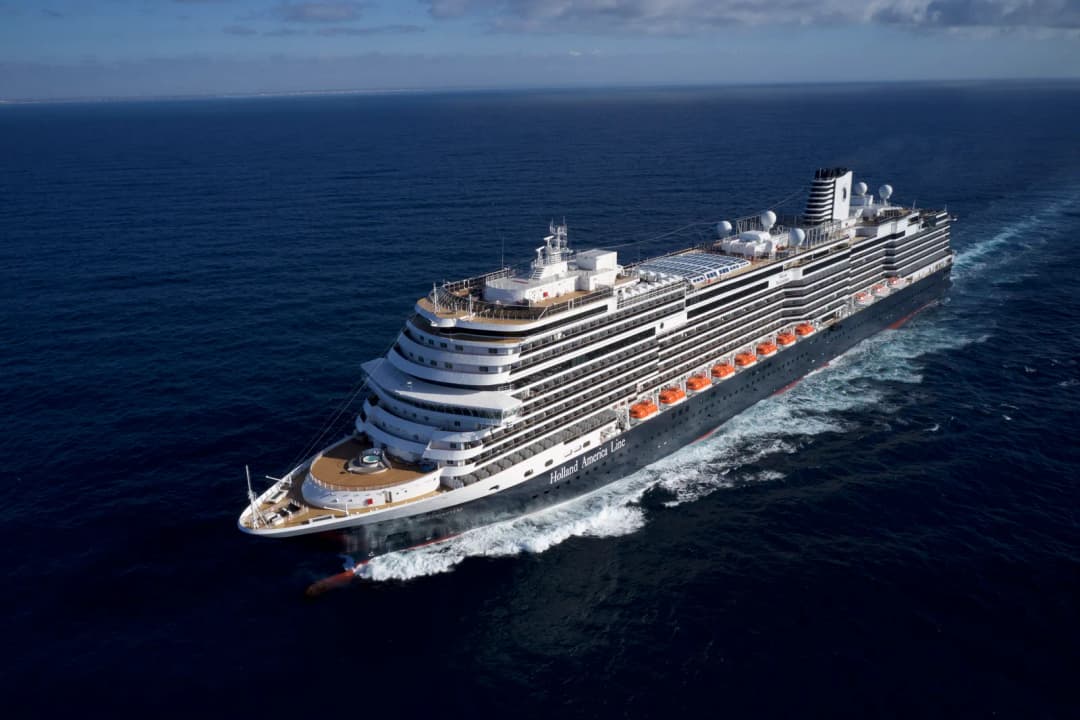
Holland America Line · 42 sailings
13 cabin types · 11 dining venues · 18 entertainment options · 13 decks
Explore the ship
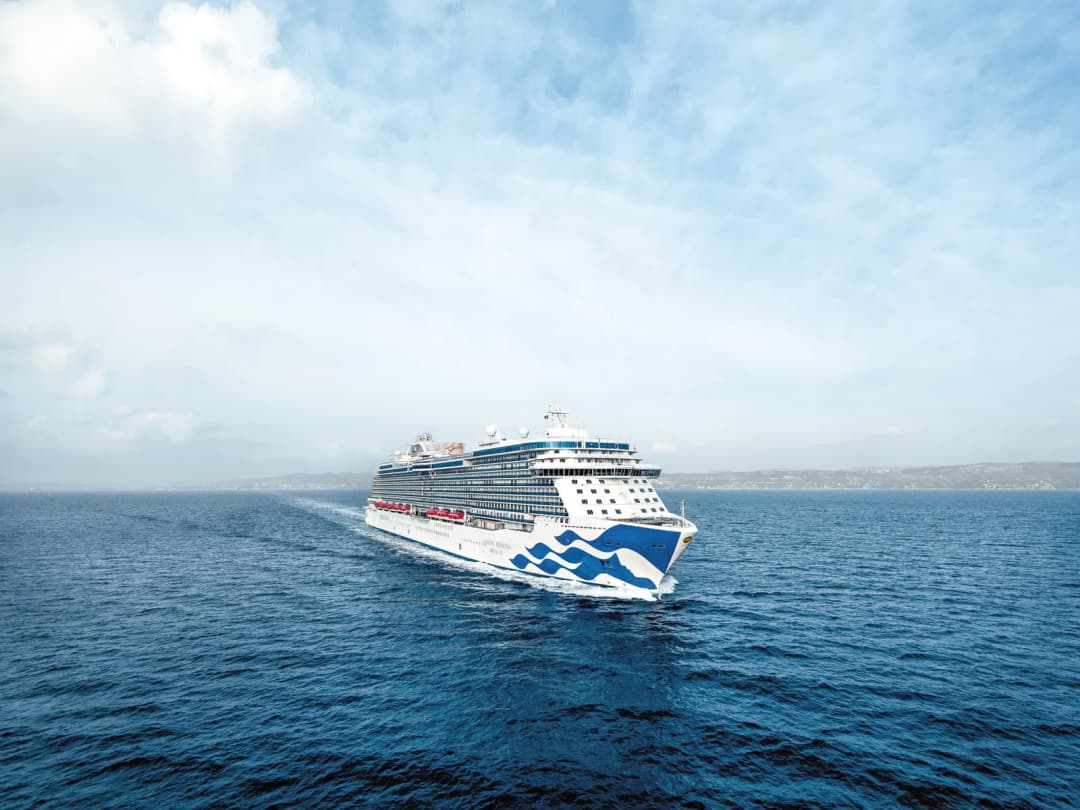
Princess Cruises · 25 sailings
6 cabin types · 11 dining venues · 26 entertainment options · 15 decks
Explore the ship
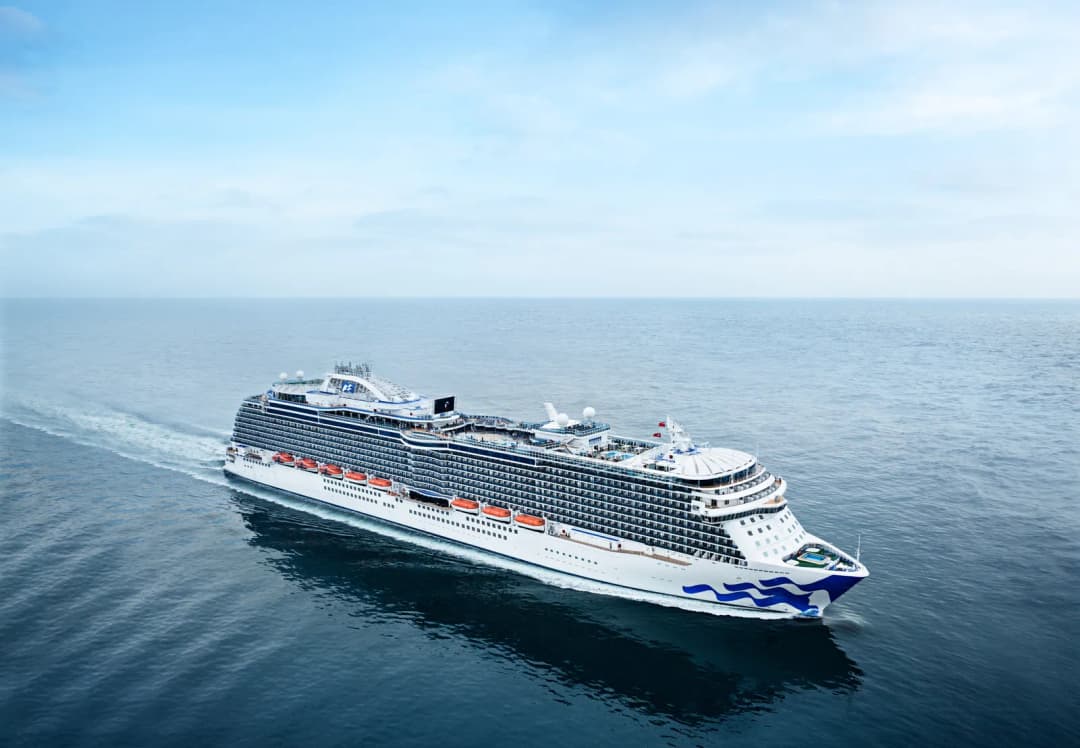
Princess Cruises · 19 sailings
6 cabin types · 18 dining venues · 24 entertainment options · 15 decks
Explore the ship

Regent Seven Seas Cruises · 6 sailings
7 cabin types · 8 dining venues · 40 entertainment options · 9 decks
Explore the ship
Cruise port in Scotland
Greenock, Scotland is a cruise port visited by 16 ships, with 118 upcoming sailings calling here.
Photo by Adrian Hunter on Unsplash
118 sailings are grouped into 69 cruises by ship and route.
Princess CruisesHolland America LineMediterranean cruises · 28 nights · Long cruise
MSC CruisesNorthern Europe cruises · 10 nights · Mid-length cruise
Regent Seven Seas CruisesSailing 2027.04World Cruise · 92 nights · Long cruise
Regent Seven Seas CruisesSailing 2027.04World Cruise · 174 nights · Long cruise
Holland America LineNorthern Europe cruises · 14 nights · Long cruise
Princess CruisesSailing 2027.04Europe cruises · 64 nights · Long cruise
Holland America LineArctic cruises · 28 nights · Long cruise
Celebrity CruisesNorthern Europe cruises · 13 nights · Long cruise
Regent Seven Seas CruisesSailing 2027.05Northern Europe cruises · 11 nights · Long cruise
Atlas Ocean VoyagesSailing 2027.05Northern Europe cruises · 9 nights · Mid-length cruise
Holland America LineArctic cruises · 28 nights · Long cruise
69 cruises call at this port.
Explore cabin types, dining and deck facilities for each ship.
Holland America Line · 42 sailings
13 cabin types · 11 dining venues · 18 entertainment options · 13 decks
Explore the ship
Princess Cruises · 25 sailings
6 cabin types · 11 dining venues · 26 entertainment options · 15 decks
Explore the ship
Princess Cruises · 19 sailings
6 cabin types · 18 dining venues · 24 entertainment options · 15 decks
Explore the ship
Regent Seven Seas Cruises · 6 sailings
7 cabin types · 8 dining venues · 40 entertainment options · 9 decks
Explore the ship
Trendy stores, a booming cultural life, fascinating architecture, and stylish restaurants reinforce Glasgow's claim to being Scotland's most exciting city. After decades of decline, it has experienced an urban renaissance uniquely its own. The city’s grand architecture reflects a prosperous past built on trade and shipbuilding. Today buildings by Charles Rennie Mackintosh hold pride of place along with the Zaha Hadid–designed Riverside Museum.Glasgow (the "dear green place," as it was known) was founded some 1,500 years ago. Legend has it that the king of Strathclyde, irate about his wife's infidelity, had a ring he had given her thrown into the river Clyde. (Apparently she had passed it on to an admirer.) When the king demanded to know where the ring had gone, the distraught queen asked the advice of her confessor, St. Mungo. He suggested fishing for it—and the first salmon to emerge had the ring in its mouth. The moment is commemorated on the city's coat of arms.The medieval city expanded when it was given a royal license to trade; the current High Street was the main thoroughfare at the time. The vast profits from American cotton and tobacco built the grand mansions of the Merchant City in the 18th century. In the 19th century the river Clyde became the center of a vibrant shipbuilding industry, fed by the city’s iron and steel works. The city grew again, but its internal divisions grew at the same time. The West End harbored the elegant homes of the newly rich shipyard owners. Down by the river, areas like the infamous Gorbals, with its crowded slums, sheltered the laborers who built the ships. They came from the Highlands, expelled to make way for sheep, or from Ireland, where the potato famines drove thousands from their homes.During the 19th century the population grew from 80,000 to more than a million. And the new prosperity gave Glasgow its grand neoclassical buildings, such as those built by Alexander "Greek" Thomson, as well as the adventurous visionary buildings designed by Charles Rennie Mackintosh and others who produced Glasgow’s Arts and Crafts movement. The City Chambers, built in 1888, are a proud statement in marble and gold sandstone, a clear symbol of the wealthy and powerful Victorian industrialists' hopes for the future.The decline of shipbuilding and the closure of the factories led to much speculation as to what direction the city would take now. The curious thing is that, at least in part, the past gave the city a new lease of life. It was as if people looked at their city and saw Glasgow’s beauty for the first time: its extraordinarily rich architectural heritage, its leafy parks, its artistic heritage, and its complex social history. Today Glasgow is a vibrant cultural center and a commercial hub, as well as a launching pad from which to explore the rest of Scotland, which, as it turns out, is not so far away. In fact, it takes only 40 minutes to reach Loch Lomond, where the other Scotland begins.
Cruise lines calling here: 7 places
Ports frequently visited before this one
Ports frequently visited after this one
Tell us your travel dates, party size and budget to find suitable cruises calling here.
Some booking links are affiliate links. TravelersMap may earn a commission when you book, at no extra cost to you.