Pile Gate → Luža pier
Walk east for 5 minutes along Stradun from Pile Gate. At the end of the main street, the dock and ticket office for boats to Lokrum are beside the bell tower.
Opening CruiseMap…

Croatia · Port



Showing the next 12 cruises out of 206 visiting this port.
Previous ports
These ports appear before or after this stop on the same itinerary. The numbers show how often they occur together.
Explore cabin types, dining and deck facilities for each ship.
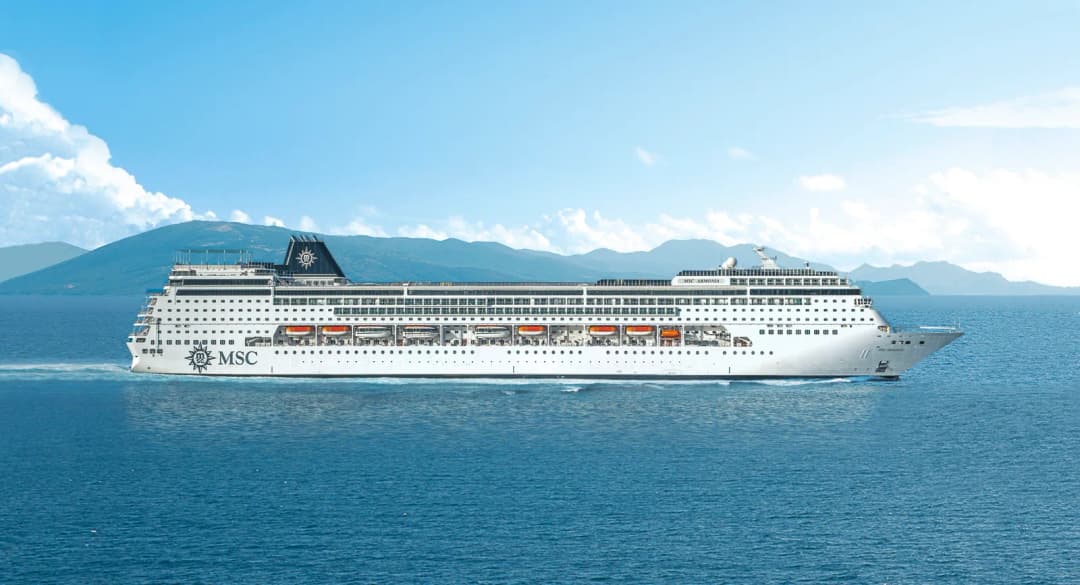
MSC Cruises · 113 sailings
9 cabin types · 8 dining venues · 35 entertainment options · 9 decks
Explore the ship
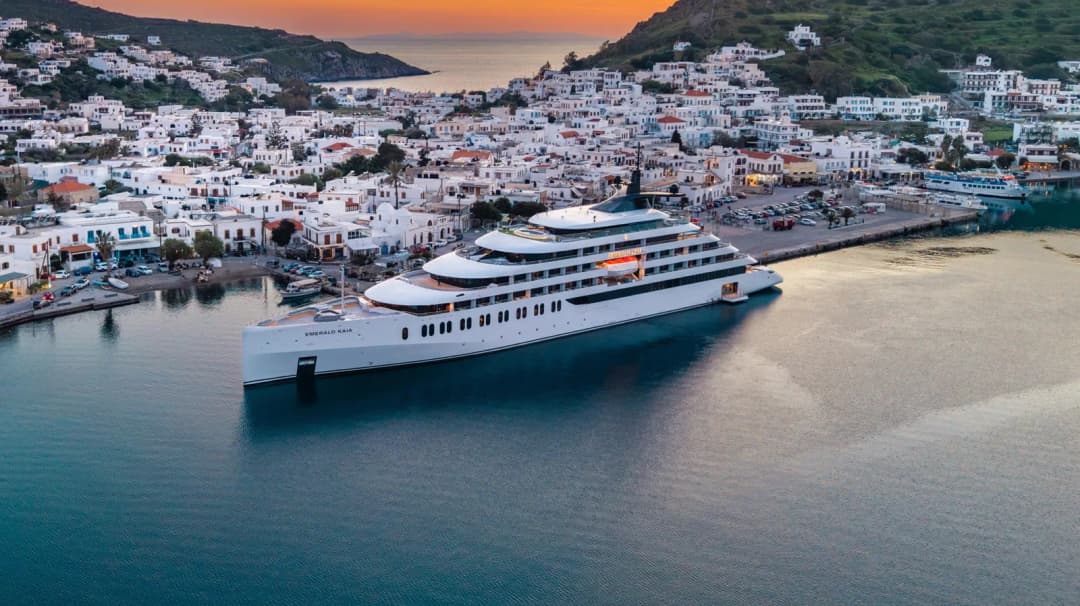
Emerald Cruises · 62 sailings
6 cabin types · 3 dining venues · 14 entertainment options · 6 decks
Explore the ship
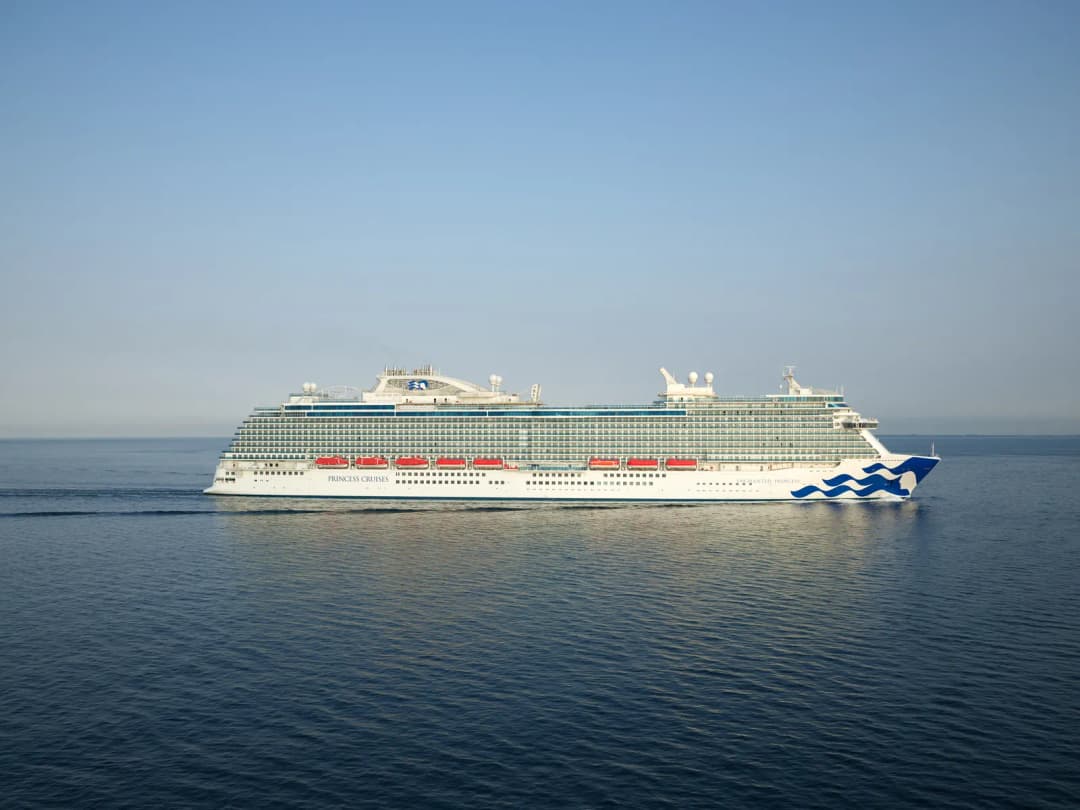
Princess Cruises · 58 sailings
8 cabin types · 16 dining venues · 29 entertainment options · 15 decks
Explore the ship

Emerald Cruises · 50 sailings
6 cabin types · 2 dining venues · 13 entertainment options · 6 decks
Explore the ship
Cruise port in Croatia
Allow about 20 min each way from the terminal to the city center. Average time in port: 12 hours. 41 places to explore.
Cruise ships dock at Dubrovnik cruise terminals. Allow about 20 min each way from the terminal to the city center.
The assigned dock is one of Dubrovnik Cruise Port, Port of Gruž, Dubrovnik Old Port and varies by sailing.
The city bus stop is about 100 m from the Gruž port terminal, toward the main road.
Time available at the destination after subtracting return travel.
Calculated from the average time in port. Return deadlines vary by sailing; check the daily programme on board.
Travel between the terminal, city center, railway station and airport.
Pile Gate → Luža pier
Walk east for 5 minutes along Stradun from Pile Gate. At the end of the main street, the dock and ticket office for boats to Lokrum are beside the bell tower.
Port of Gruž → Pile Gate
Go from the terminal to the city bus stop on the main road, take Libertas bus 1A, 1B, or 3, and get off at Pile. Buy tickets in advance at a kiosk or newsstand, or from the driver onboard.
Luža pier → Lokrum Island
At the Luža pier ticket office in Dubrovnik Old Port, buy a combined adult return boat and nature reserve admission ticket, then board the official boat to Lokrum.
Port of Gruž → Pile Gate
Take a taxi from the stand just outside the terminal building. Check the fare before departure.
Port of Gruž → Pile Gate
Walk from Gruž Port along the coast road to Pile Gate in the Old Town.
Dubrovnik Airport → Dubrovnik Cruise Port
Take a taxi from the airport to Dubrovnik Cruise Port. Check the fare before departure.
Explore 37 checked places. Select a pin to see its card, or choose View on map from a card.
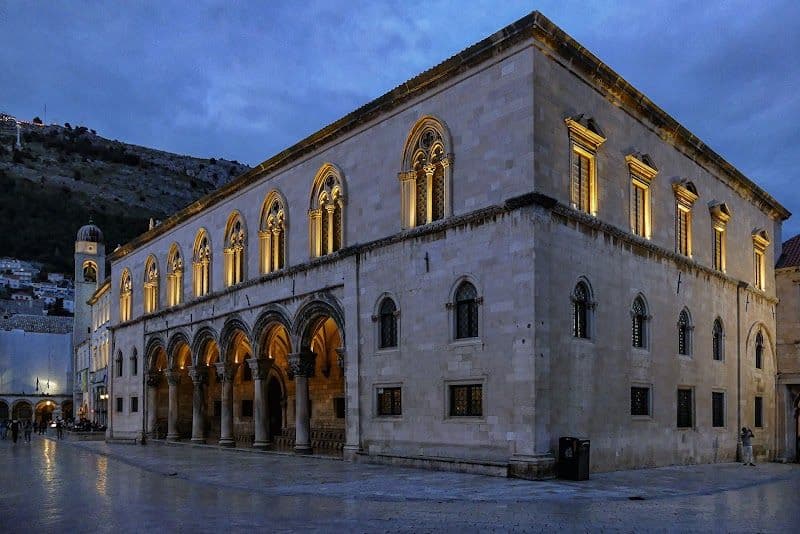
The palace where the Rector of the Republic of Ragusa lived, now housing a cultural history museum.
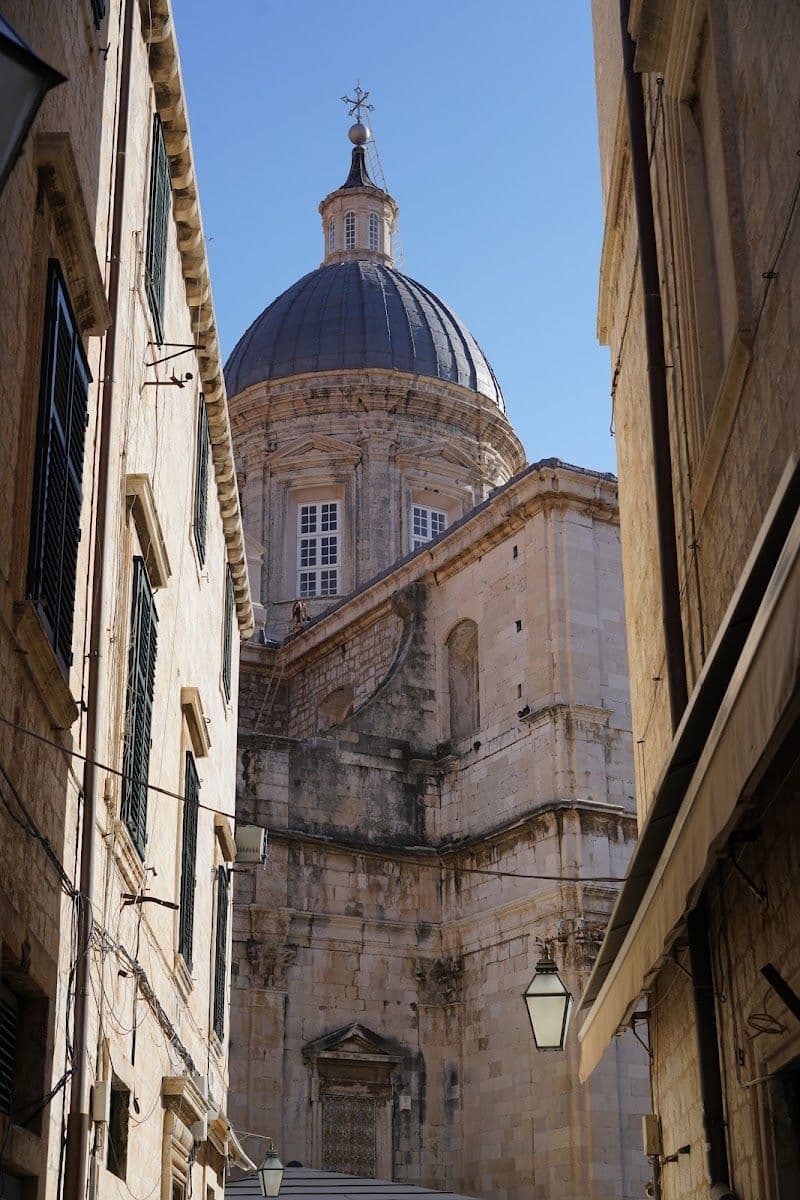
The cathedral is listed among the key sights to visit in the old town.
Reviews say the cathedral’s main entrance is under construction, so look for a side entrance if the main entrance is blocked.
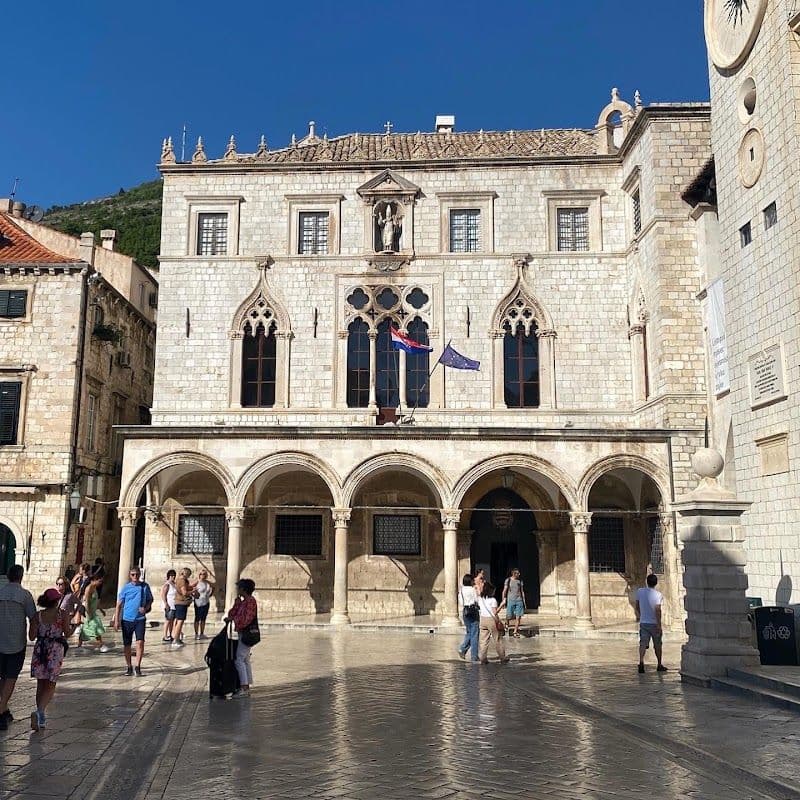
An elegant building formerly used as a customs house and mint. It survived the major earthquake of the 17th century and preserves Dubrovnik's history.
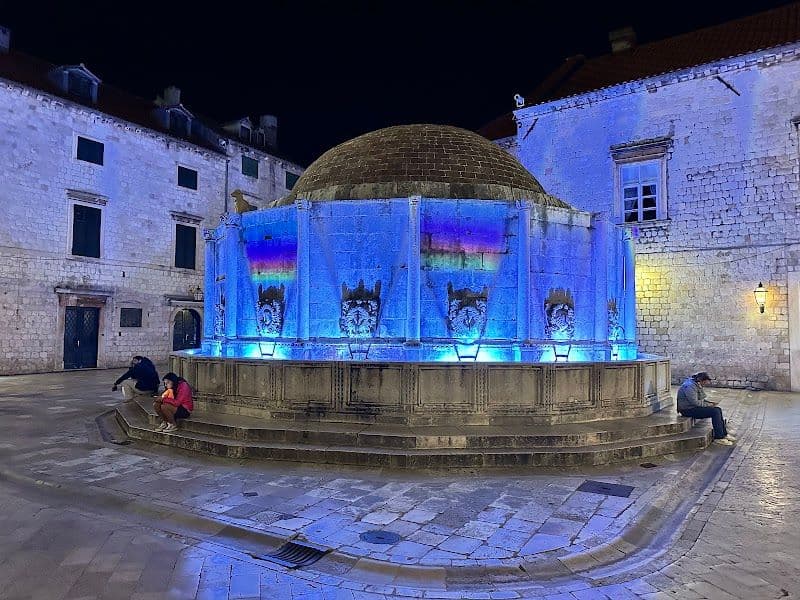
A domed fountain just inside Pile Gate, with water flowing from 16 carved faces.
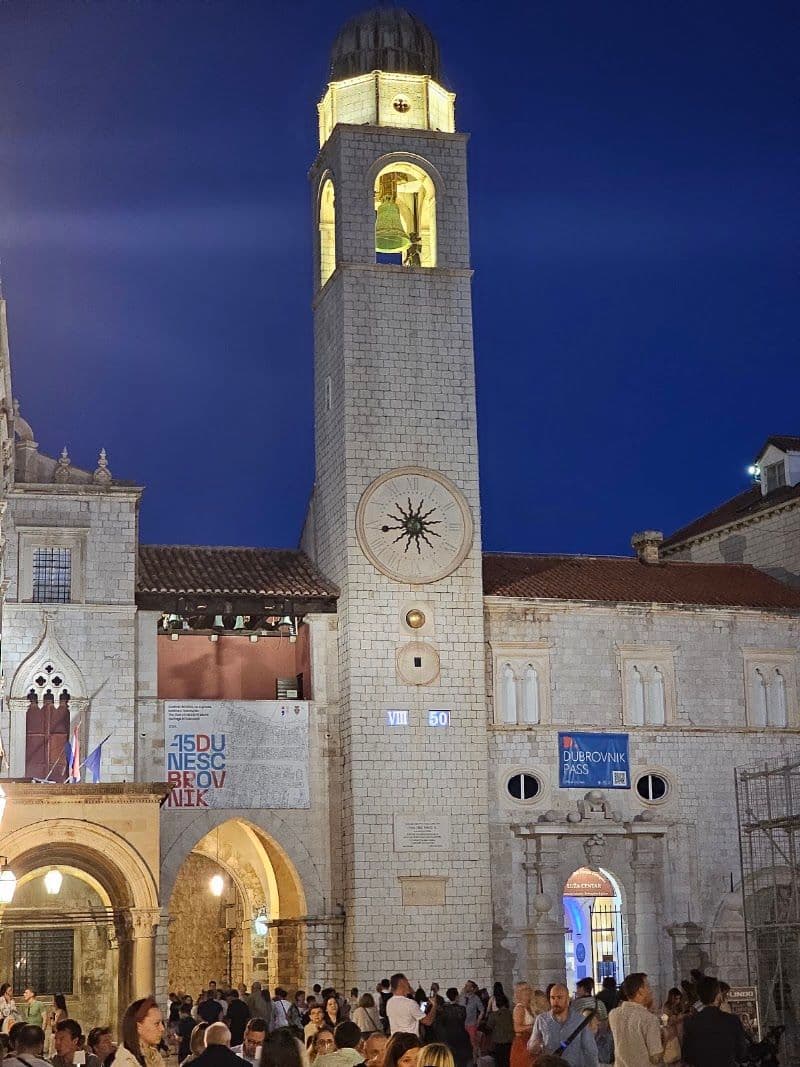
A 30 m clock tower on Stradun.
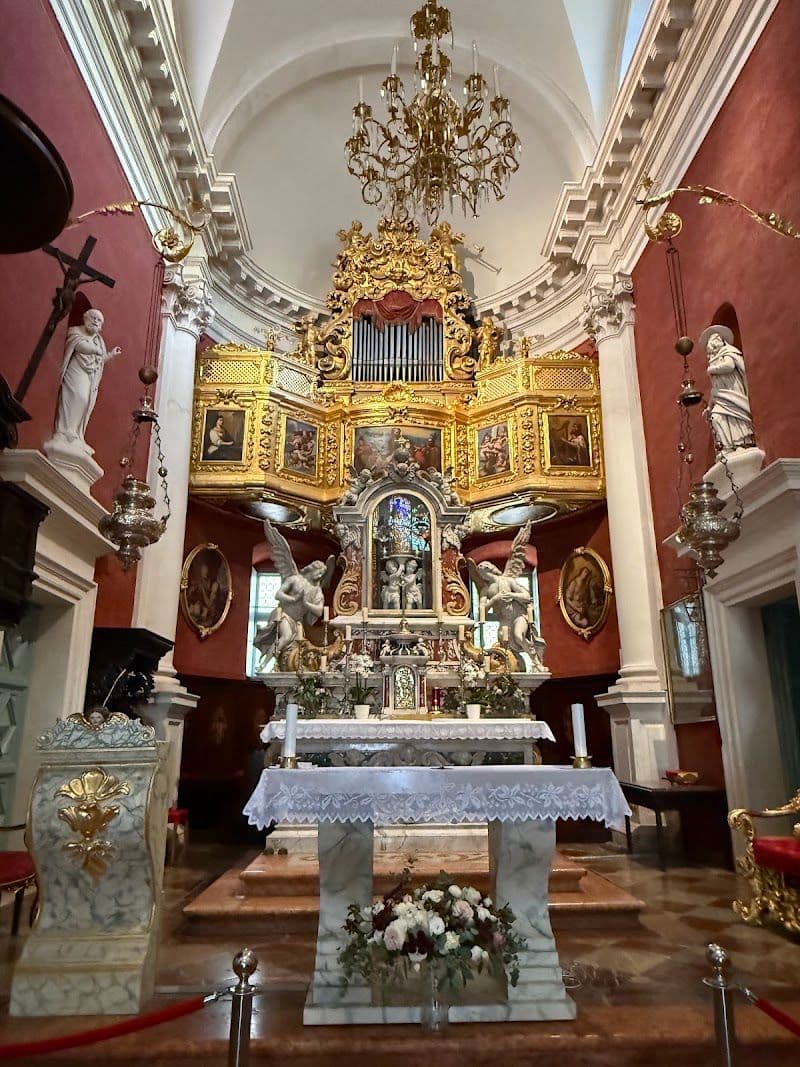
A column on Luža Square, in front of the Church of St Blaise.
With enough time in port, you can explore beyond the city. One-way times are approximate.
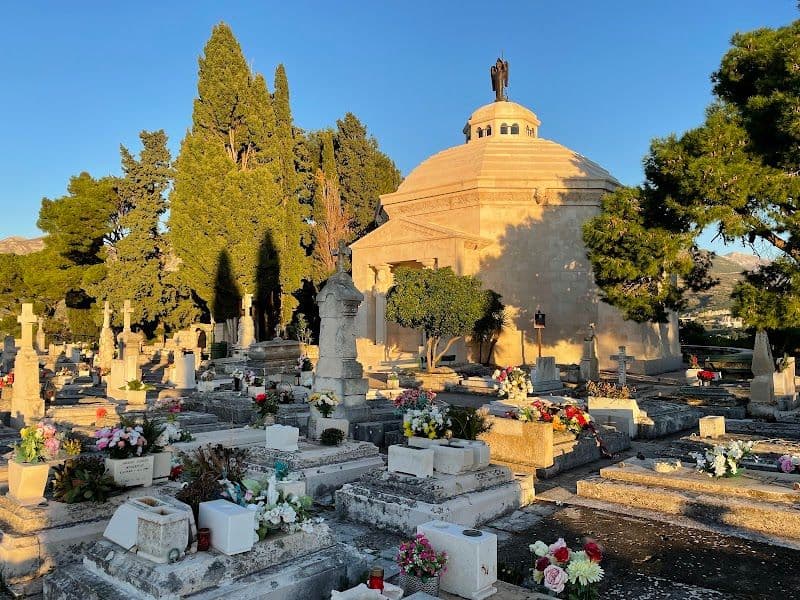
A mausoleum on a hill reached by a steep staircase. The cemetery outside offers views, and there is an admission fee for the interior.
The mausoleum in Cavtat is on a hill and the way up includes stairs, so allow for the uphill walk when planning if you have difficulty walking.
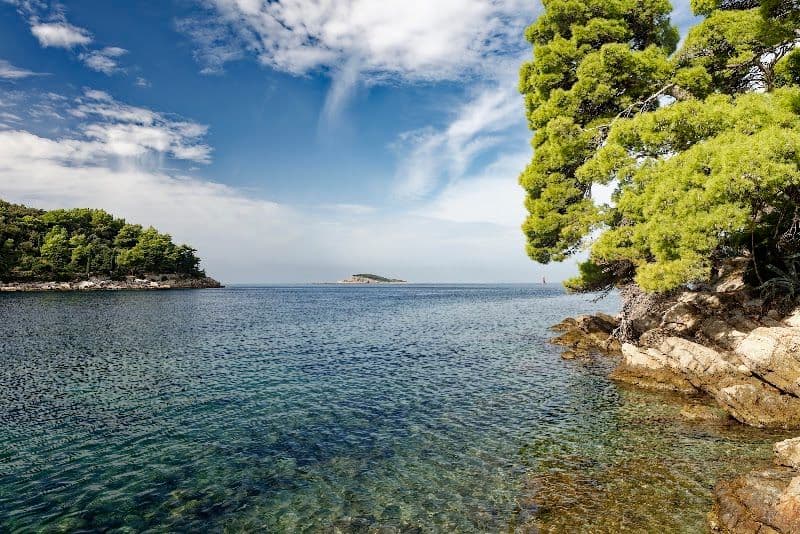
A promenade starting at a small chapel in the harbor and circling the peninsula to the harbor on the other side of the old town, with benches and viewpoints along the way.
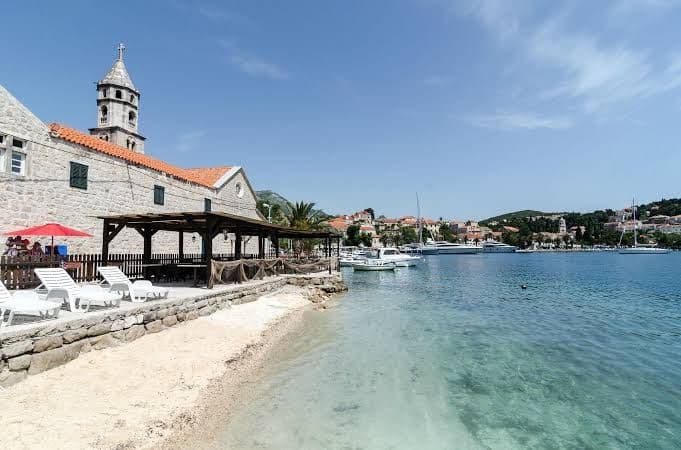
An old town with narrow lanes lined with traditional houses, and bars and restaurants along the edge of the harbor.
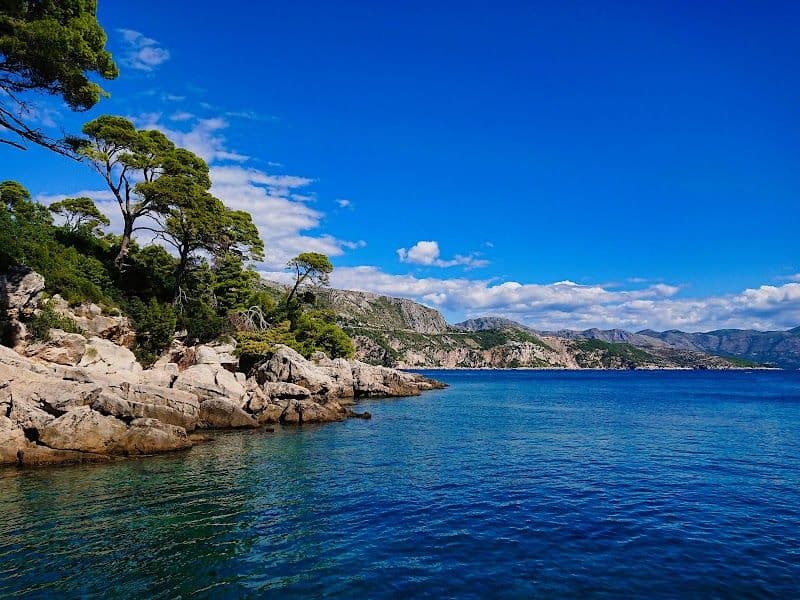
A nature reserve reached by boat from the Old Port, with a botanical garden, monastery ruins, a saltwater lake, and peacocks.
602 sailings are grouped into 206 cruises by ship and route.
Celestyal CruisesCelestyal CruisesCelestyal CruisesHolland America LineSailing 2027.04Mediterranean cruises · 22 nights · Long cruise
Emerald CruisesSailing 2027.04Mediterranean cruises · 23 nights · Long cruise
Emerald CruisesSailing 2027.04Mediterranean cruises · 14 nights · Long cruise
Regent Seven Seas CruisesSailing 2027.04World Cruise · 174 nights · Long cruise
MSC CruisesEmerald CruisesMediterranean cruises · 7 nights
Emerald CruisesSailing 2027.05Mediterranean cruises · 16 nights · Long cruise
MSC CruisesNorwegian Cruise LineMediterranean cruises · 10 nights · Mid-length cruise
206 cruises call at this port.
Explore cabin types, dining and deck facilities for each ship.
MSC Cruises · 113 sailings
9 cabin types · 8 dining venues · 35 entertainment options · 9 decks
Explore the ship
Emerald Cruises · 62 sailings
6 cabin types · 3 dining venues · 14 entertainment options · 6 decks
Explore the ship
Princess Cruises · 58 sailings
8 cabin types · 16 dining venues · 29 entertainment options · 15 decks
Explore the ship
Emerald Cruises · 50 sailings
6 cabin types · 2 dining venues · 13 entertainment options · 6 decks
Explore the ship
Nothing can prepare you for your first sight of Dubrovnik. Lying 216 km (135 miles) southeast of Split and commanding a jaw-dropping coastal location, it is one of the world's most beautiful fortified cities. Its massive stone ramparts and fortress towers curve around a tiny harbor, enclosing graduated ridges of sun-bleached orange-tiled roofs, copper domes, and elegant bell towers. Your imagination will run wild picturing what it looked like seven centuries ago when the walls were built, without any suburbs or highways around it, just this magnificent stone city rising out of the sea.In the 7th century AD, residents of the Roman city Epidaurum (now Cavtat) fled the Avars and Slavs of the north and founded a new settlement on a small rocky island, which they named Laus, and later Ragusa. On the mainland hillside opposite the island, the Slav settlement called Dubrovnik grew up. In the 12th century the narrow channel separating the two settlements was filled in (now the main street through the Old Town, called Stradun), and Ragusa and Dubrovnik became one. The city was surrounded by defensive walls during the 13th century, and these were reinforced with towers and bastions in the late 15th century.From 1358 to 1808 the city thrived as a powerful and remarkably sophisticated independent republic, reaching its golden age during the 16th century. In 1667 many of its splendid Gothic and Renaissance buildings were destroyed by an earthquake. The defensive walls survived the disaster, and the city was rebuilt in baroque style.Dubrovnik lost its independence to Napoléon in 1808, and in 1815 passed to Austria-Hungary. During the 20th century, as part of Yugoslavia, the city became a popular tourist destination, and in 1979 it was listed as a UNESCO World Heritage Site. During the war for independence, it came under heavy siege. Thanks to careful restoration, few traces of damage remain; however, there are maps inside the Pile and Ploče Gates illustrating the points around the city where damage was done. It’s only when you experience Dubrovnik yourself that you can understand what a treasure the world nearly lost
Cruise lines calling here: 13 places
Tell us your travel dates, party size and budget to find suitable cruises calling here.
Some booking links are affiliate links. TravelersMap may earn a commission when you book, at no extra cost to you.