What is a world cruise?

A world cruise is a long-voyage itinerary that takes you around several continents in sequence while you stay aboard the same ship. It is quite different from the familiar cruises of a few days in the Mediterranean or around Japan. As of September 29, 2026, CruiseMap listed 32 world cruises, operated by 6 ships from 3 cruise lines. Options range from a 61-night segment to voyages of more than 100 nights. The most common length is 115 nights, and the median across all cruises is 101 nights. About half of the cruises fall between 71 and 121 nights, so you can expect to live aboard for roughly two to nearly four months.
For a trip this long, it becomes more like a way of life than a simple vacation. That is why travelers with a long stretch of time after retirement seriously consider a world cruise. Instead of packing every day and traveling to airports, you sleep and wake in the same cabin and arrive at a different port, which can be less physically demanding.
How it differs from a short cruise
A typical cruise makes a loop within one region, such as the Mediterranean or Caribbean, over a few days to around ten days. A world cruise, by contrast, crosses the Atlantic, Pacific, and Indian Oceans, with intercontinental travel itself at the heart of the journey. Some stretches involve many consecutive sea days without land in sight; passing through a particular waterway such as the Panama Canal can itself be a highlight.
The structure of a long voyage
It helps to see a long voyage as a series of major sections. They usually depart from a port in Europe or North America, cross the Atlantic, and continue via Central or South America or the west coast of Africa to the Pacific or Indian Ocean. Sample itineraries listed on CruiseMap illustrate this structure.
| Itinerary | Nights | Ship | Main ports of call | Lowest fare per person (USD, checked 2026-09-29) |
|---|---|---|---|---|
| France, Italy | 115 nights | MSC Magnifica | Marseille, Barcelona, Santa Cruz de Tenerife, Grand Turk Island, Panama Canal, Balboa, Manta, Callao | From $22,239 |
| Indian Ocean Odyssey | 61 nights | Seven Seas Voyager | Cape Town, Gqeberha, Durban, Mozambique Channel, Mayotte | From $45,099 |
| Grand Asia Escape | 61 nights | Seven Seas Explorer | Hong Kong, Manila, Coron Island, Puerto Princesa, Jakarta | From $49,799 |
The first itinerary, France and Italy, is one of the longest at 115 nights. It departs from Marseille, crosses the Atlantic, passes through the Panama Canal, and continues along the Pacific coast of South America. Connecting Europe, the Atlantic, Central America, and South America in one trip makes it close to a traditional world cruise.
A regional voyage about half as long
By contrast, 61-night itineraries such as the Indian Ocean Odyssey or Grand Asia Escape focus on a particular ocean or a single continent. The Indian Ocean Odyssey departs Cape Town and follows the southeastern coast of Africa, calling at Durban, passing through the Mozambique Channel and by Mayotte, and continuing to Barcelona; it includes a substantial amount of time at sea. The Grand Asia Escape departs Hong Kong, passes through the Philippine archipelago and the Java Sea in Indonesia, and ends in Tokyo. Its port calls are relatively close together, with frequent stops around the islands. If a full world cruise feels like too much, these region-focused itineraries that are about half as long are also worth considering.
Cruise lines and ships: what is the difference?
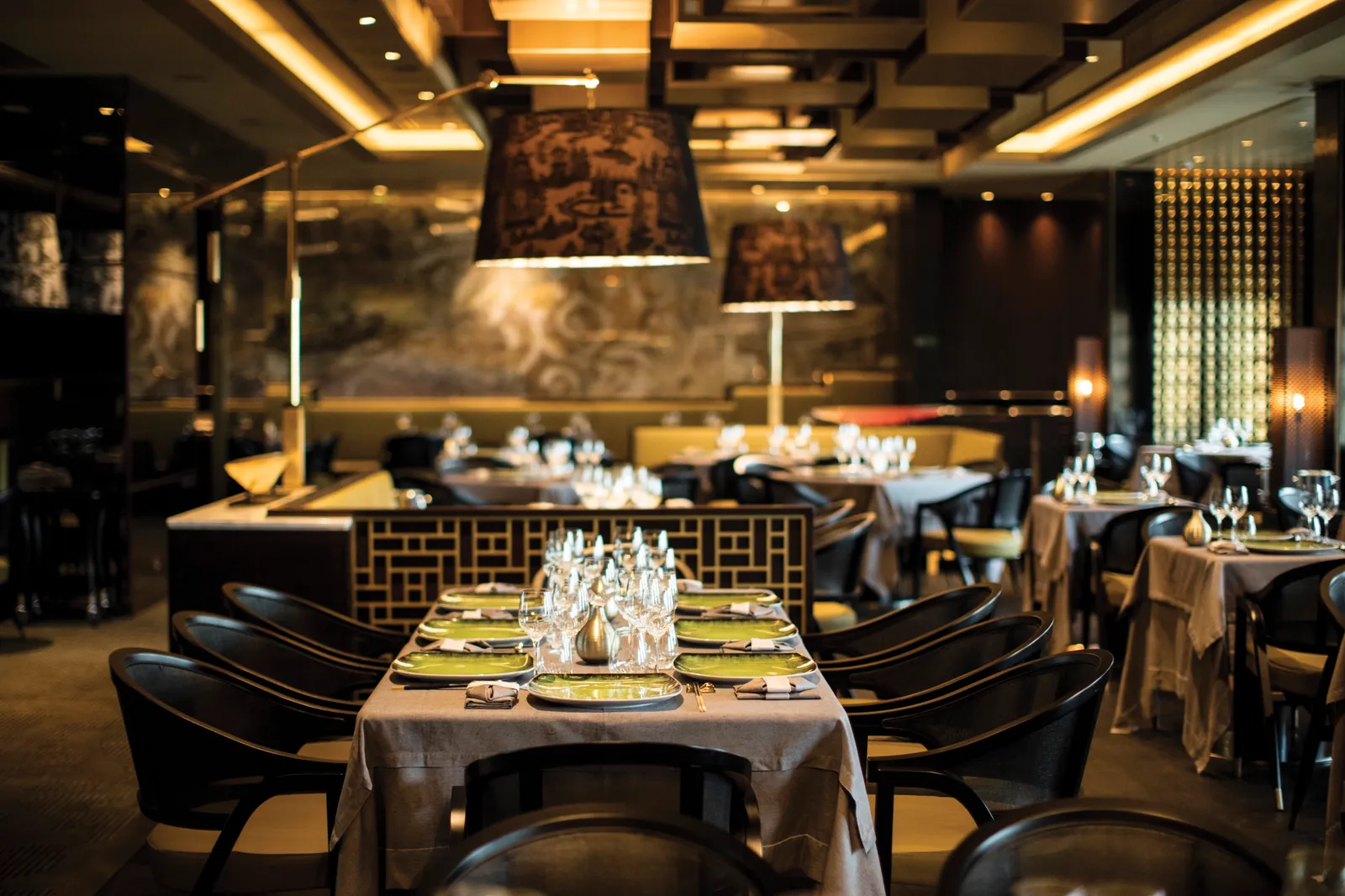
A small number of cruise lines operate the world cruise market. By number of sailings, Regent Seven Seas Cruises has the most, with 16, followed by MSC Cruises with 15 sailings. Atlas Ocean Voyages operates 1 sailing.
The two leading cruise lines have distinct profiles. MSC Cruises operates all of its world cruises with one ship, MSC Magnifica, which has a median lowest fare per person of $22,239. Its larger ship carries more passengers, creating a relatively accessible price range.
Regent Seven Seas' small luxury fleet
Regent Seven Seas Cruises deploys several ships on world cruises rather than using a single ship. Seven Seas Mariner has the most sailings, with 6 and a median lowest fare per person of $77,499; Seven Seas Splendor has 5 with $99,599; Seven Seas Explorer has 3 with $71,599; and Seven Seas Voyager has 2 with $45,099. Even within the same cruise line, median fares vary by more than twofold depending on ship, cabin configuration, and service level. Atlas Ocean Voyages' Atlas Adventurer is closer to a small expedition ship, with 1 sailing and a median lowest fare per person of $83,959.
In summary, MSC Magnifica offers the facilities typical of a large ship and a relatively lower entry price, while Regent Seven Seas ships are small luxury vessels with fewer passengers per cabin and higher fares. Start by deciding which best fits your travel style and budget.
How are fares structured?
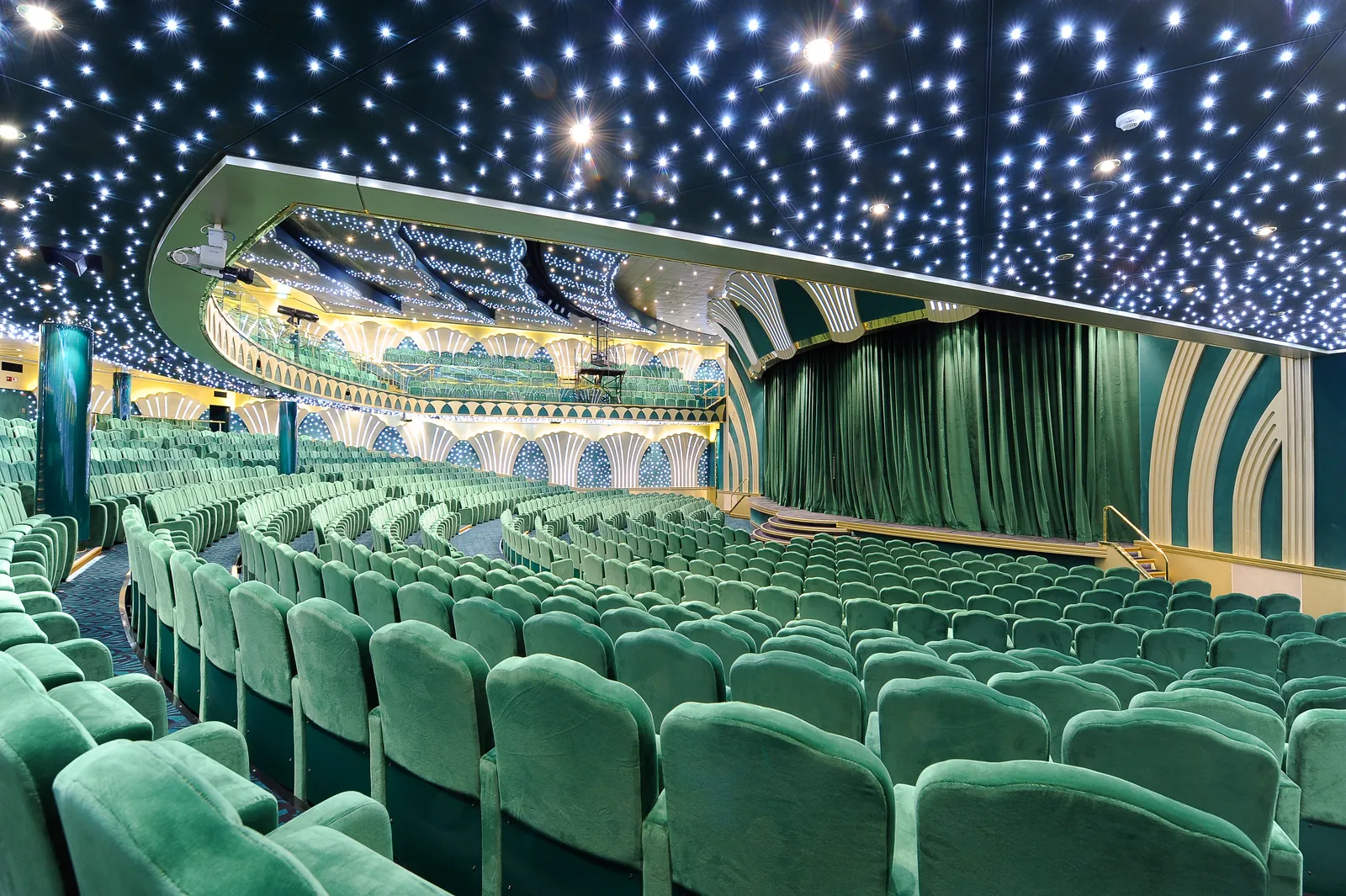
Among the 21 sailings with confirmed fares, the 10th-percentile lowest fare per person is $22,419 and the median is $71,599. The median per night is $774. These are starting fares for the least expensive cabin category on a specific departure date; the amount you actually pay may rise significantly depending on cabin category and departure season.
Airfare, gratuities, and shore excursion costs are also generally excluded from these fares. Many world cruises are one-way itineraries, with different departure and arrival ports, so you often need to arrange your return flight separately. Before booking, carefully check which items are included in the quote and which are charged separately by the cruise line.
Patterns in departure ports and seasons
Miami, Florida, and Civitavecchia have the most departures, with 4 each, followed by Marseille, Genoa, and Barcelona with 3 each, and New York with 2. Ports along the Mediterranean coast of Europe and the eastern United States are the main departure points for world cruises.
Departures are clearly concentrated at certain times of year. January 2027 departures lead with 10, followed by January 2028 departures at a similar 9. February 2027 has 3, while April 2027 and November 2028 each have 2. The concentration early in the year, especially January, is related to the seasonal pattern of world cruises that head to the Southern Hemisphere or tropical regions to avoid winter in the Northern Hemisphere. Booking early is necessary to secure a cruise in your preferred season.
What to check when preparing for a long voyage

Preparing for a long voyage is fundamentally different from preparing for a short trip. First, check whether the ship and itinerary suit each other. Even among world cruises, the length of sea days, climate, and character of port calls vary greatly depending on whether the route crosses the Atlantic and passes through the Panama Canal or sails in the Indian Ocean or Southeast Asian waters. On stretches with many sea days, the variety of onboard programs and shared spaces has a major effect on satisfaction.
Medical care, health, and packing
Before a long voyage, check whether there are medical facilities onboard, the scope of care they provide, and your medication supplies. Living onboard for more than two months means crossing several seasons and climate zones, so you may need to pack both summer and winter clothes. Laundry services or self-service laundry facilities can also affect how much luggage you bring. If your cruise line has formal nights, pack formalwear as well.
Cancellation and refund terms vary by cruise line
Because long voyages involve a large payment and a long interval between booking and departure, be sure to check cancellation and refund terms before signing a contract. Penalty dates, refund percentages at each stage, and travel insurance coverage vary by cruise line and fare plan, so they cannot be generalized. The safest option is to review the cruise line's terms before booking and obtain the exact terms for your cruise in writing through the cruise line's official booking channel.
Frequently Asked Questions
How many nights is a typical world cruise?
Among the 32 world cruises listed on CruiseMap, the most common duration is 115 nights and the median is 101 nights. About half fall between 71 and 121 nights, so itineraries can range from about two months to nearly four months.
How much does a world cruise cost?
Among the 21 sailings with confirmed fares, the 10th-percentile lowest fare per person is $22,419 and the median is $71,599. The median per night is $774. These are the lowest starting fares for the least expensive cabin category; airfare, gratuities, and shore excursions are often extra.
Which is better, MSC Cruises or Regent Seven Seas?
They offer different experiences. MSC Cruises operates all its world cruises on one ship, MSC Magnifica, with a median lowest fare per person of $22,239, making it relatively accessible. Regent Seven Seas deploys several small luxury ships, including Seven Seas Mariner and Seven Seas Splendor, with median fares ranging from $45,099 to $99,599. Your choice depends on your budget and preferred ship size.
When are most world cruises scheduled to depart?
Departures are concentrated early in the year, especially January, with 10 in January 2027 and 9 in January 2028. February 2027 follows with 3. Cruises in your preferred season often sell out early, so booking in advance is recommended.
Can I take only part of a world cruise?
Yes. Itineraries of 61 nights that focus on a particular ocean or region, such as Indian Ocean Odyssey and Grand Asia Escape, are available. If a full world cruise feels too long, you can choose a regional segment about half as long.
World cruises vary considerably by cruise line, ship, and route, so it is important to find an itinerary that fits your schedule and budget.
For more detailed travel advice, plan your trip with AI in the Cruise Planner below.