Three different kinds of travel under the name cruise
Search for a cruise and you will see photos of mega-ships in the Caribbean, small ships sailing along European rivers, and red-hulled vessels cutting through Antarctic icebergs all mixed together. They are all called cruises, but in practice they fall into three categories with completely different ship designs, routes, and purposes. People often find this confusing when they first start looking into cruises.
The industry generally distinguishes three categories: ocean cruises, river cruises, and expedition cruises. These are not marketing terms; the differences are structural and begin at the ship design stage. Because they travel on different waterways, ships must be designed differently in every respect, including size, draft (how deep the ship sits in the water), passenger capacity, and onboard facilities.
Ocean cruise vs. river cruise: fundamentally different ship designs
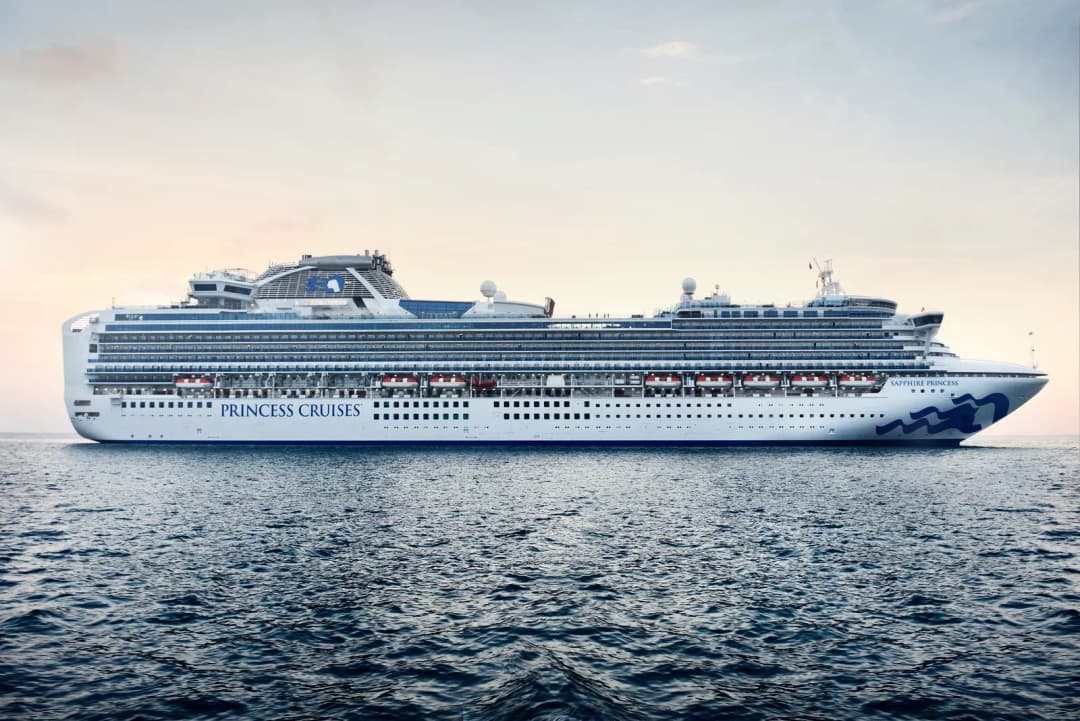
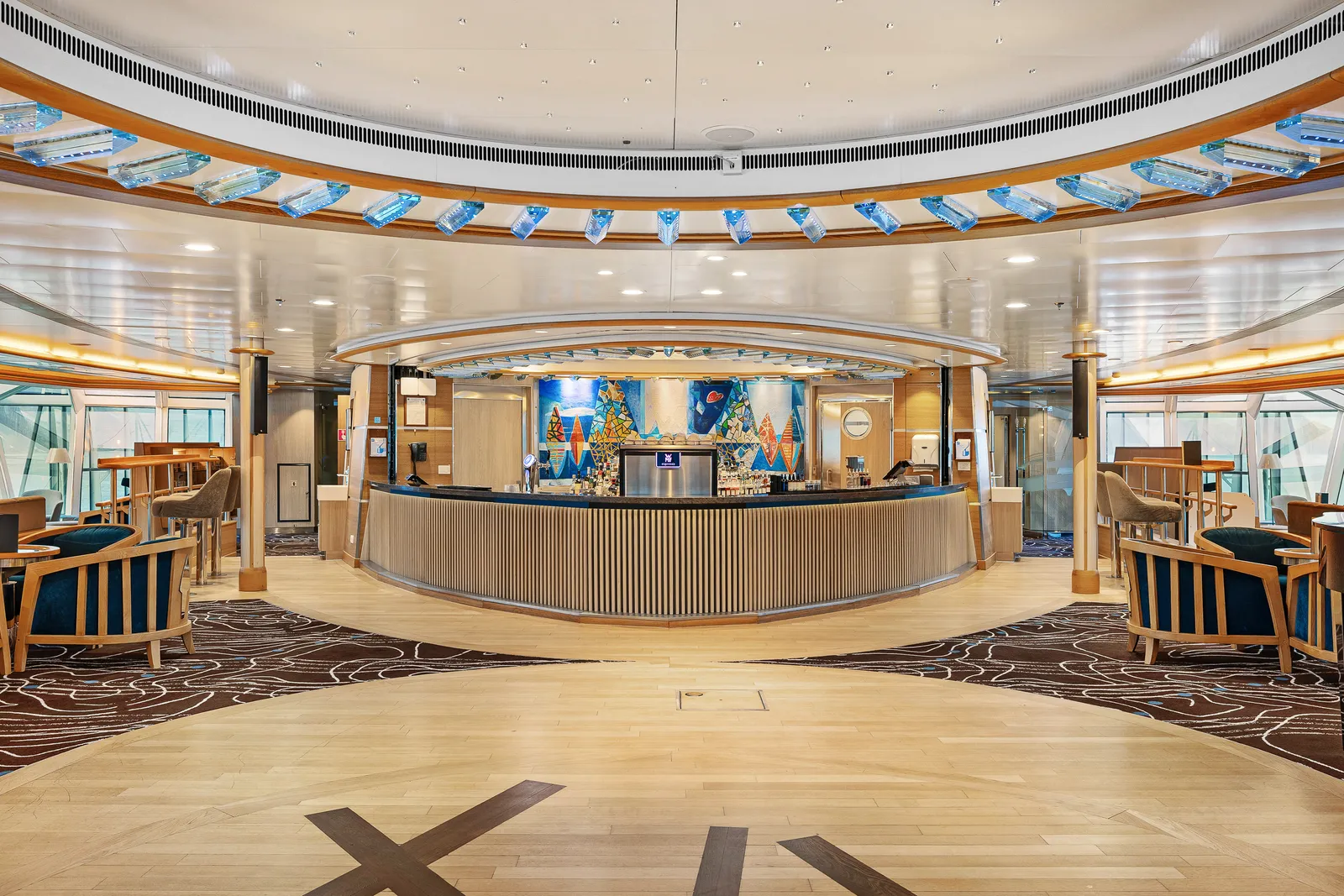
Ocean cruises use large ships that sail open waters such as the Pacific, Atlantic, and Mediterranean. Recent mega-ships can carry more than 5,000 passengers, and typical ocean cruise ships often accommodate 2,000–4,000. They have pools, theaters, casinos, and multiple restaurants because they may spend several days at sea without seeing land. The ship's facilities themselves become part of the destination.
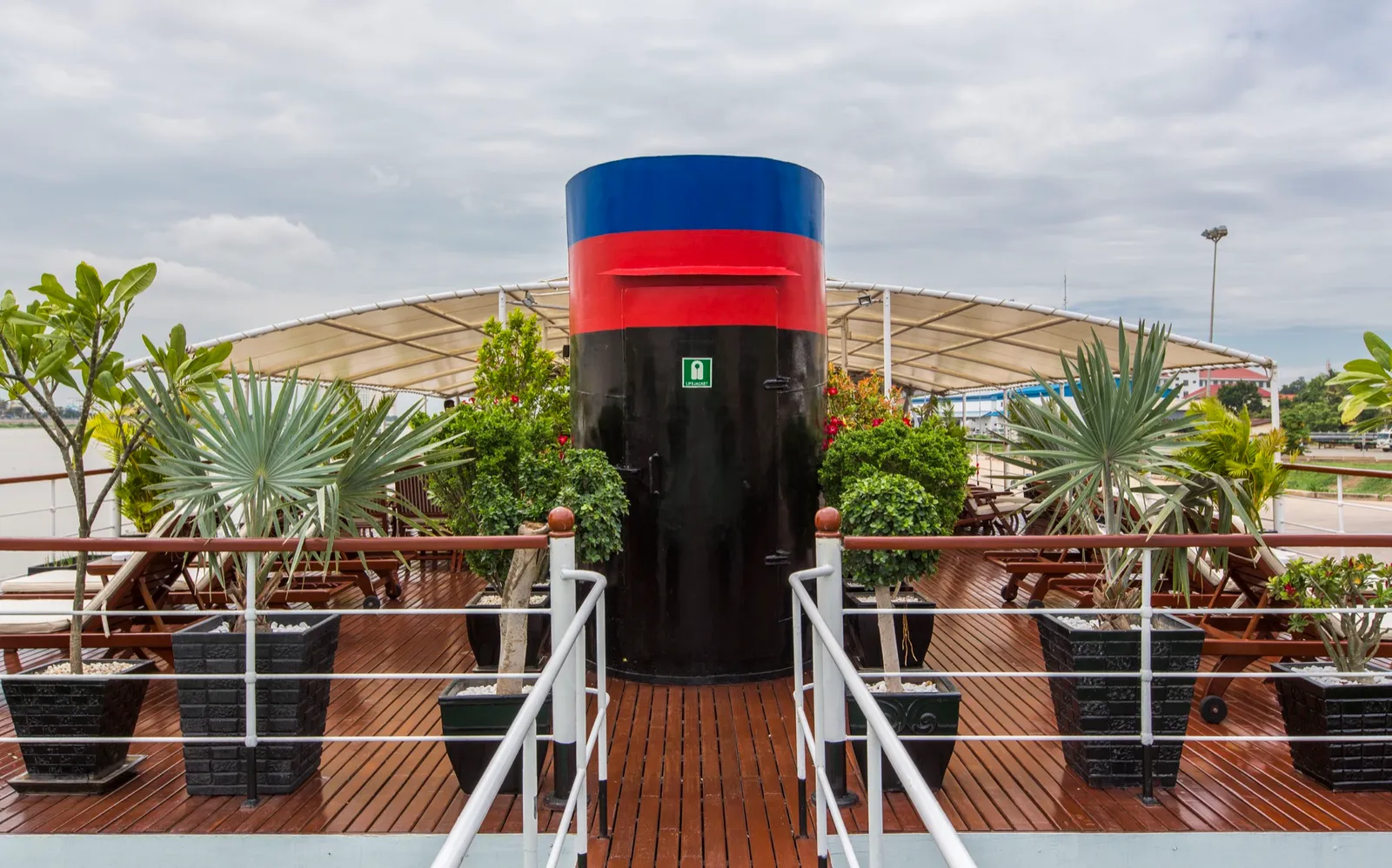
River cruises are the opposite. They travel narrow, shallow inland waterways such as the Danube, Rhine, and Mekong, so the ships need to be small. A typical European river cruise ship is about 110–135 m long and designed for around 150–200 passengers. The ship's height is limited so it can pass under bridges, and it naturally slows down where the river narrows. In return, it docks in a new town each day, often right beside the riverfront, making ports easier to access.
Why can't river cruise ships be larger?
It is not simply a company choice. River depth, bridge clearance, and lock dimensions (the structures that raise or lower ships in canals) set physical limits. Some sections of the Danube have fixed lock dimensions, making it impossible for ships above those limits to operate there. The fundamental difference is that river cruise ships have to be small, while ocean cruise ships benefit from being large.
Expedition cruises: ships designed for exploration
Expedition cruises are built for a completely different purpose from the previous two categories. They are designed to travel to remote and polar regions without regular routes, such as Antarctica, the Arctic, and the Galápagos. Their most distinctive feature is an ice-class hull. Whereas the hull of a standard ship can be damaged by colliding with ice, expedition ships have differently shaped bows and thicker hull plating so they can push or cut through ice.
Passenger numbers are also extremely limited. The International Association of Antarctica Tour Operators (IAATO), which manages tourism in Antarctica, limits shore landings to no more than 100 passengers at a time. Many expedition ships designed to comply with this rule have a capacity of around 100–200 passengers. That is less than 1/20 the size of a large cruise ship. In return, they offer a completely different way to travel, with shore landings by Zodiac inflatable boats, guidance from expert naturalists, and flexible route changes in response to real-time weather.
What it means to have no regular route
Ocean and river cruise ports and schedules are set before departure. On expedition cruises, however, landing sites often change on the spot depending on ice conditions and weather. This is not a flaw; it is an essential characteristic of expedition cruising. These ships are designed not to repeat a fixed route, but to search each day for the safest and most meaningful landing sites.
The three cruise types compared at a glance
| Category | Ocean cruise | River cruise | Expedition cruise |
|---|---|---|---|
| Main routes | Oceans and open seas | Inland rivers and canals | Polar regions and remote coasts |
| Passenger capacity | Around 2,000–5,000 | Around 150–200 | Around 100–200 |
| Hull characteristics | Designed around large onboard facilities | Shallow draft, compact design | Ice-class hull |
| Port access | Docks at major ports; shuttle may be needed | Docks right in the center of town | Shore landings by Zodiac |
| Schedule certainty | Set in advance | Set in advance | Flexible depending on weather |
| Travel style | Relaxation and entertainment | Cultural and scenic sightseeing | Nature and exploration |
The table makes the distinctions clear. The route determines the ship's size, and the route also determines the purpose of the trip. These three factors are part of one system and are difficult to consider separately.
Which cruise suits your travel goals?
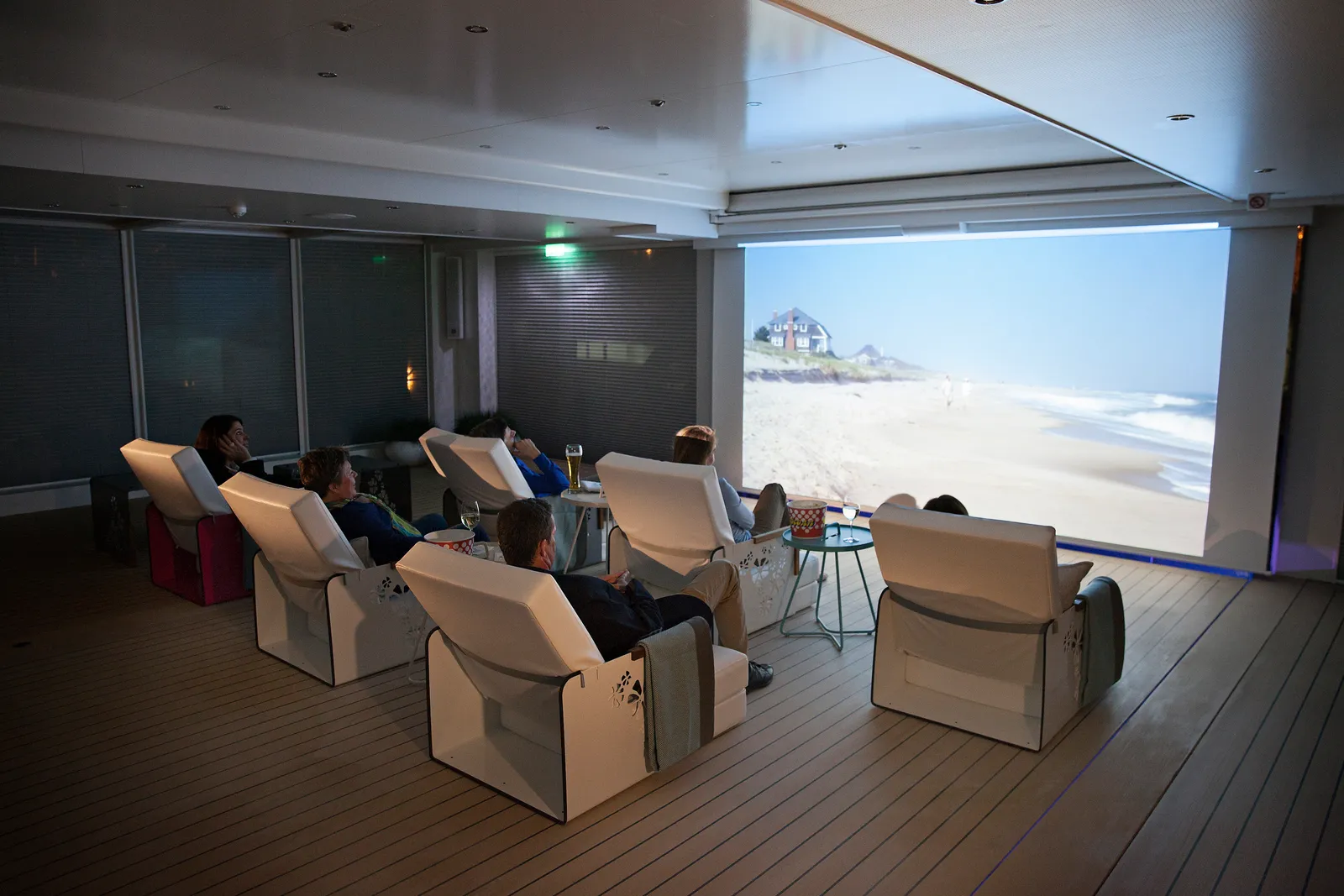
An ocean cruise is a good fit if relaxation is your goal. You spend a lot of time onboard, and enjoying the variety of programs and facilities is a major part of the trip. You may briefly visit several port cities in places such as the Caribbean or Mediterranean, but the short port calls are better for seeing highlights than for an in-depth city experience.
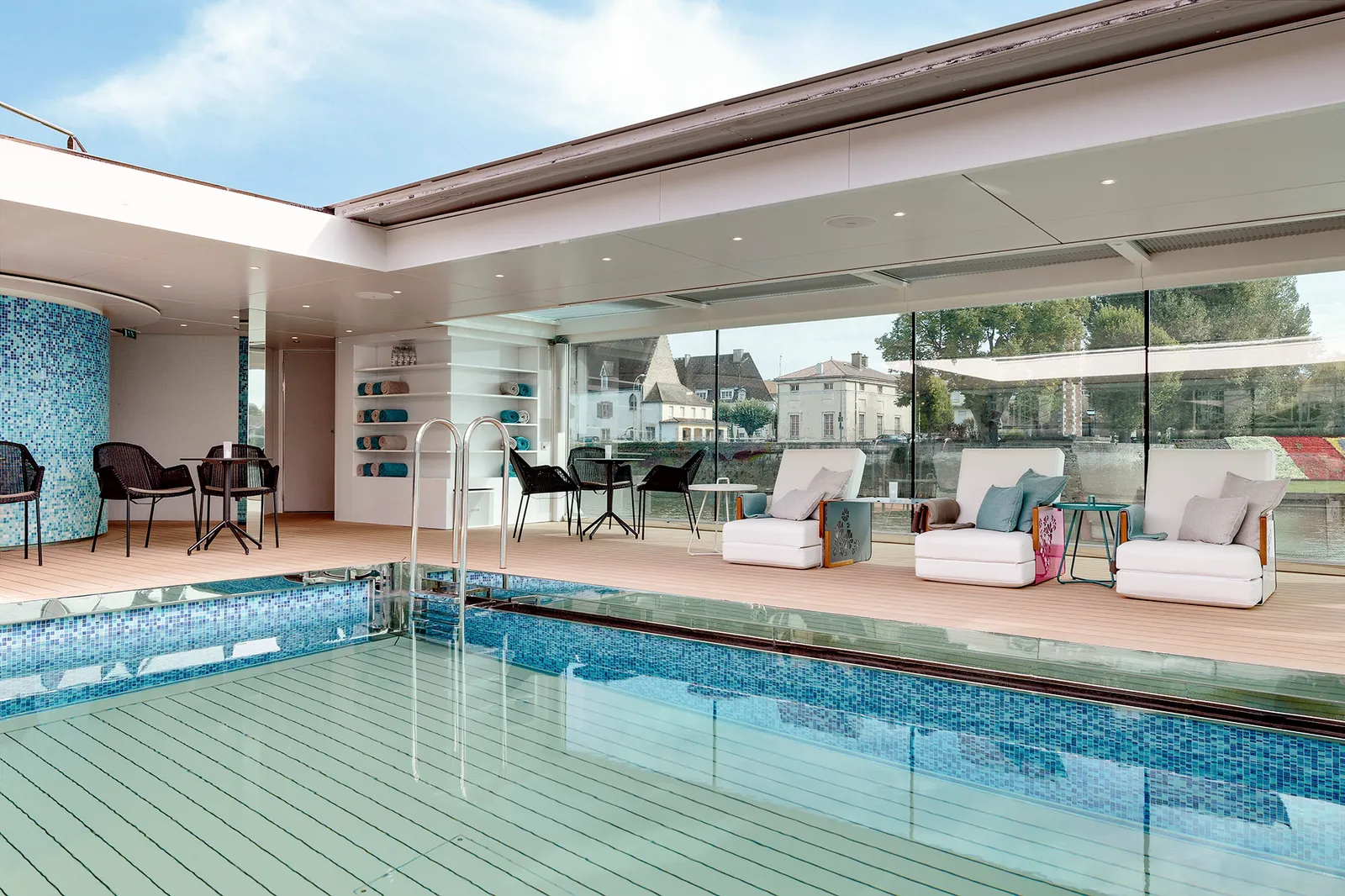
A river cruise is a good option if you want to explore European cities and towns at a leisurely pace. You unpack once, the ship travels overnight, and you wake up in a new city. Port calls are longer than on ocean cruises, and city centers are easy to reach, making this style a good fit for walking through old towns.
An expedition cruise is practically the only option if you want to visit places such as Antarctica, the Arctic, or the Galápagos, which are almost impossible to reach by regular air or land travel. However, capacity is limited because the ships are specialized and operate with small groups, and you should expect schedules to change with the weather.
Shore excursions, onboard costs, and shared points to check
There are a few things to check across all three cruise types. Shore excursions and onboard gratuities are generally listed as not included in cruise packages. Before booking, the most important practical check—regardless of cruise type—is to confirm exactly what is included in the cruise fare and what you will pay for separately.
Choosing a cruise is ultimately choosing a way to travel, not just a ship
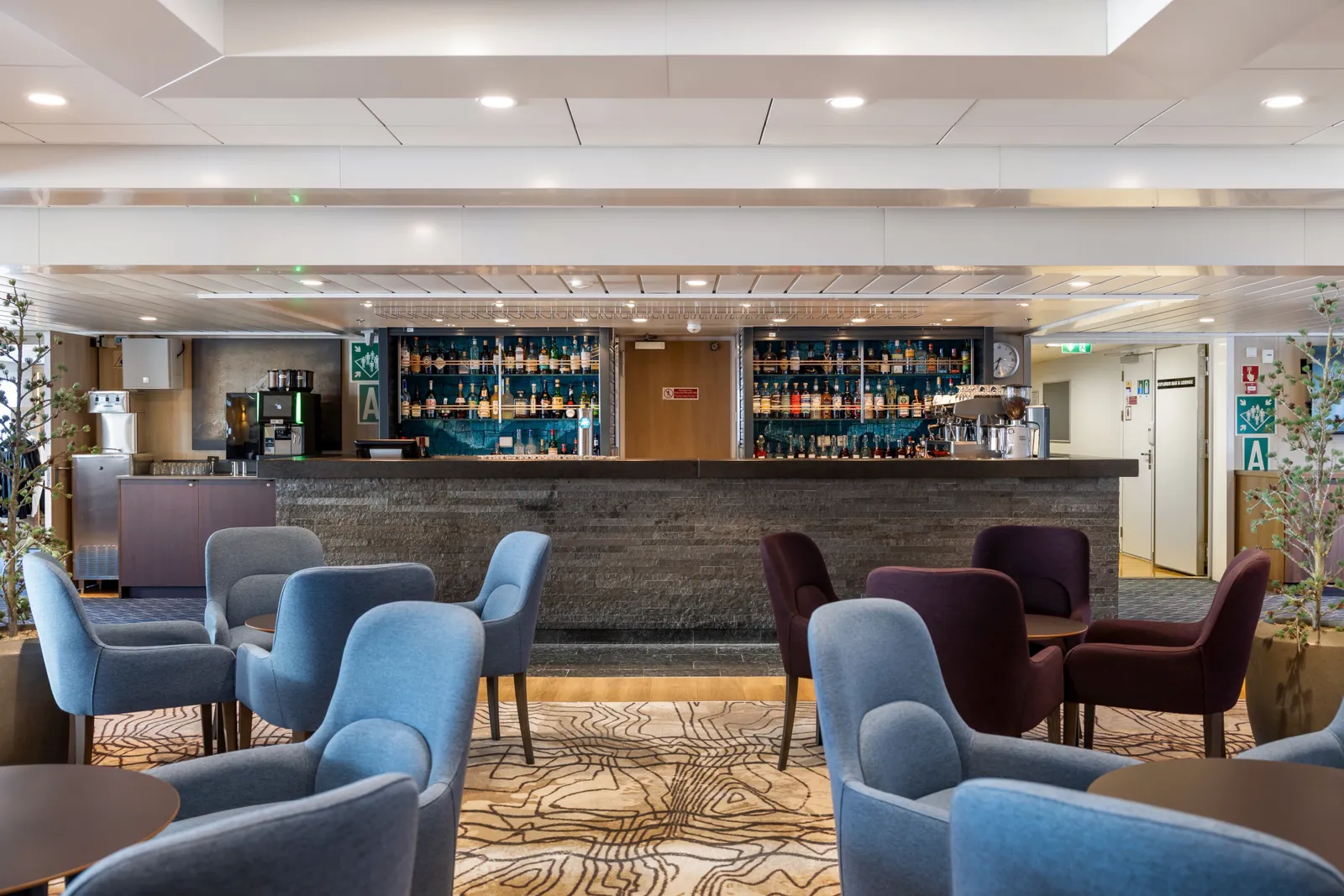
Ocean, river, and expedition cruises may all share the name cruise, but they are completely different travel products. Their ship sizes, routes, passenger capacities, and landing methods are all designed according to different principles. If you are looking into cruises for the first time, start by asking what kind of waterway the ship travels on, before looking at prices or reviews. The answer determines the character of your trip.
For reference, some South America packages operated by TravelersMap include a “Cru Tour.” This is not a cruise by ship; it means a group tour where a tour leader and group travel together overland. The names are similar and easy to confuse, so check the distinction if you are looking for a cruise.
For more detailed travel advice, plan your trip with AI in the Cruise Planner below.