What Makes a Cruise Different?
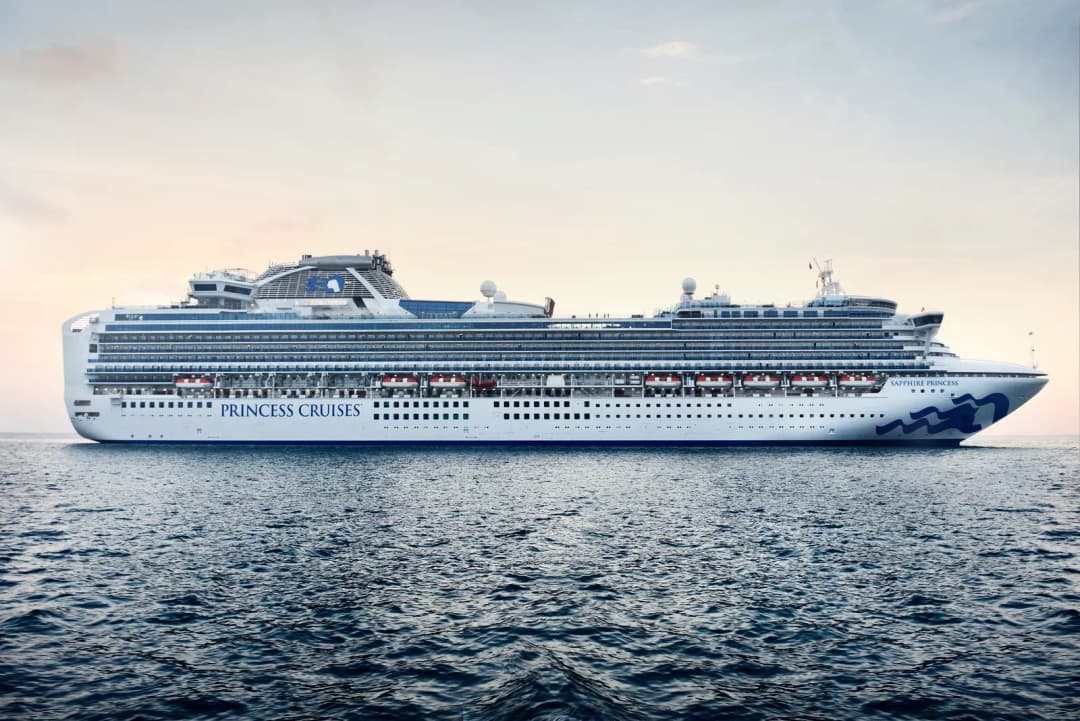
If you had to explain cruising in one sentence to someone who has never taken a cruise, it would be this: you unpack once, and the city changes while you sleep. A land tour often means packing your suitcase every morning, loading it onto a bus, traveling for hours, and unpacking again at a new hotel. A cruise eliminates that cycle. Once you unpack in your cabin, you sleep while the ship sails, and when you wake up, the view outside has changed to a port in a different country.
This is more than a matter of convenience. On a land trip, travel takes up more of a traveler’s energy and time than anything else. When airport procedures, bus rides, and check-in queues happen several times a day, you have less energy left for the destination itself. A cruise schedules these transfers overnight, leaving the daytime free for sightseeing and relaxation.
The Structural Difference from a Port-Centered Trip
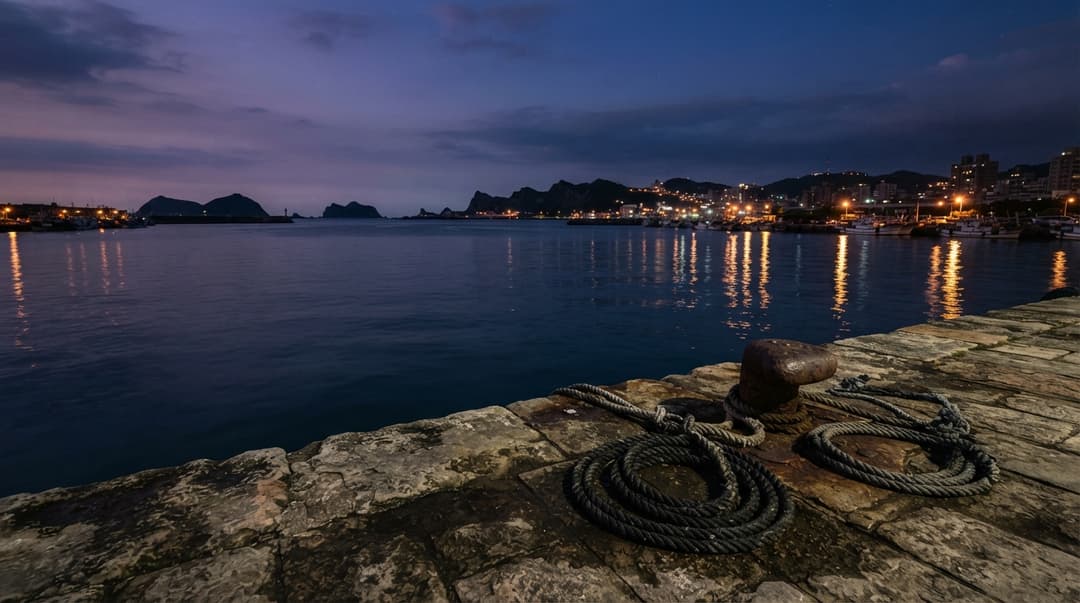
A typical cruise itinerary follows a rhythm of a day at sea and a day in port. When the ship docks, passengers explore the city for half a day to a full day and return to the ship before evening. Meanwhile, the ship begins sailing overnight toward the next port. This lets travelers visit several cities while keeping the same bed and luggage setup, without the stress of changing hotels.
How the Ship Becomes a Destination
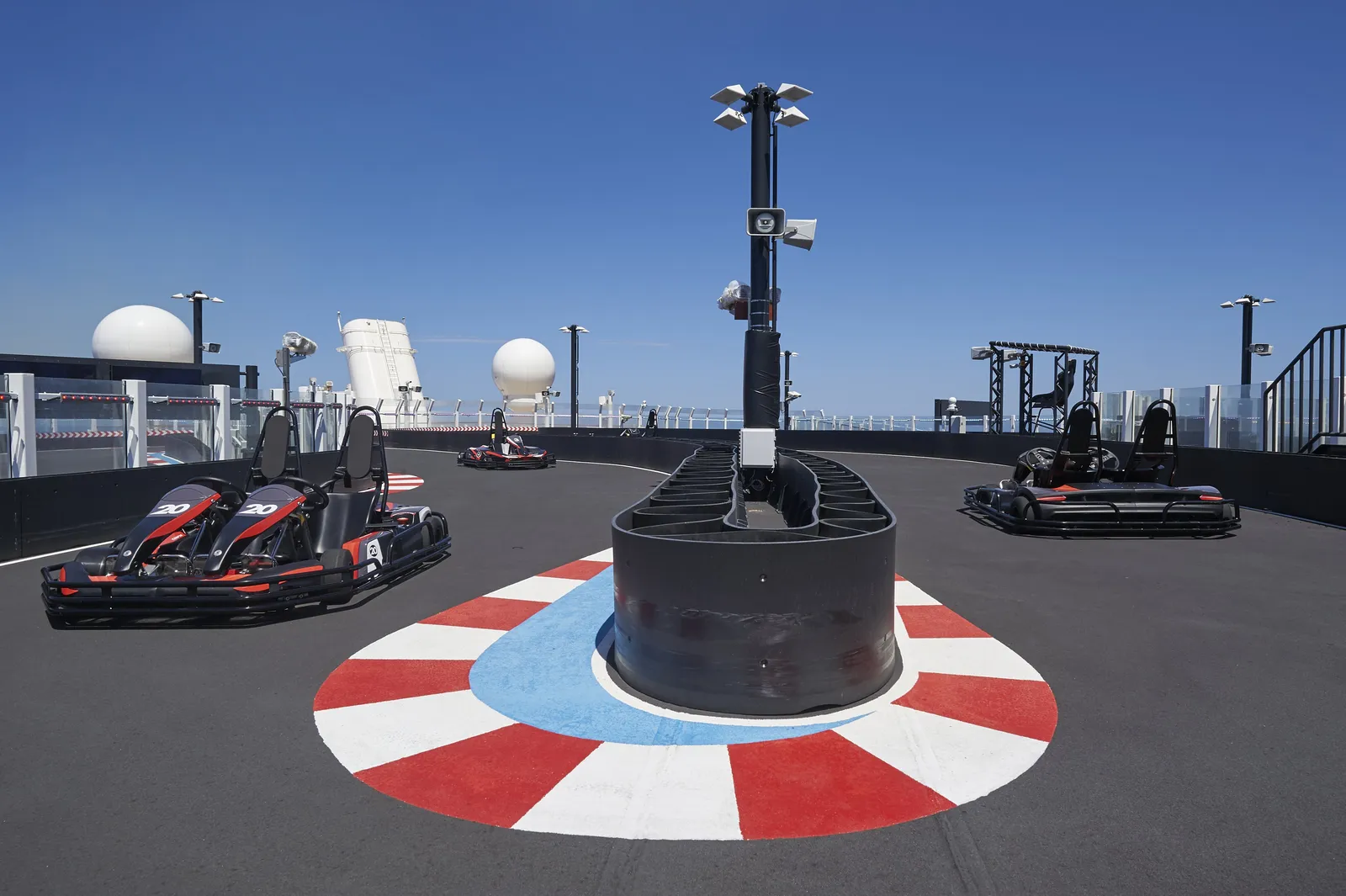
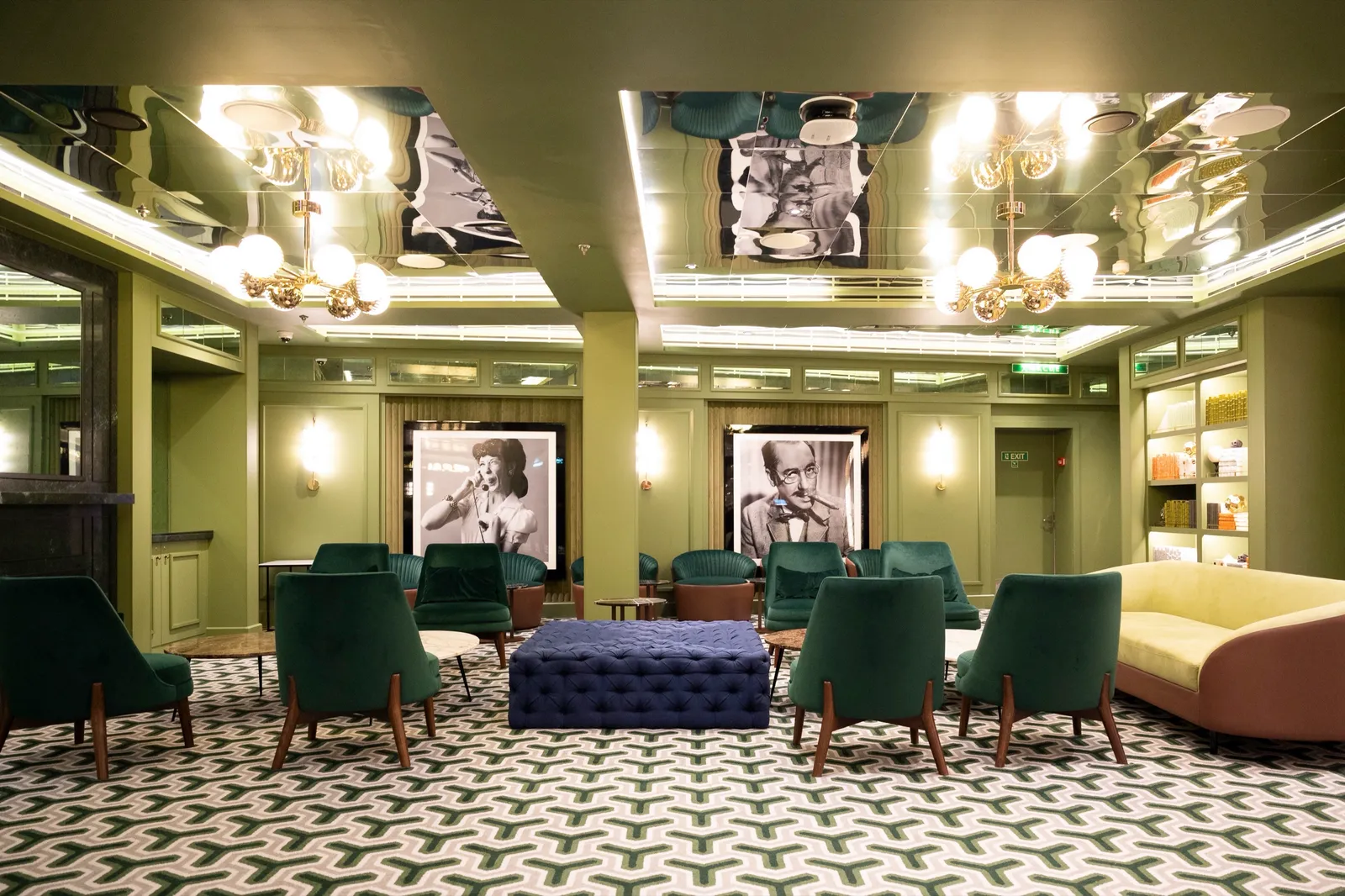
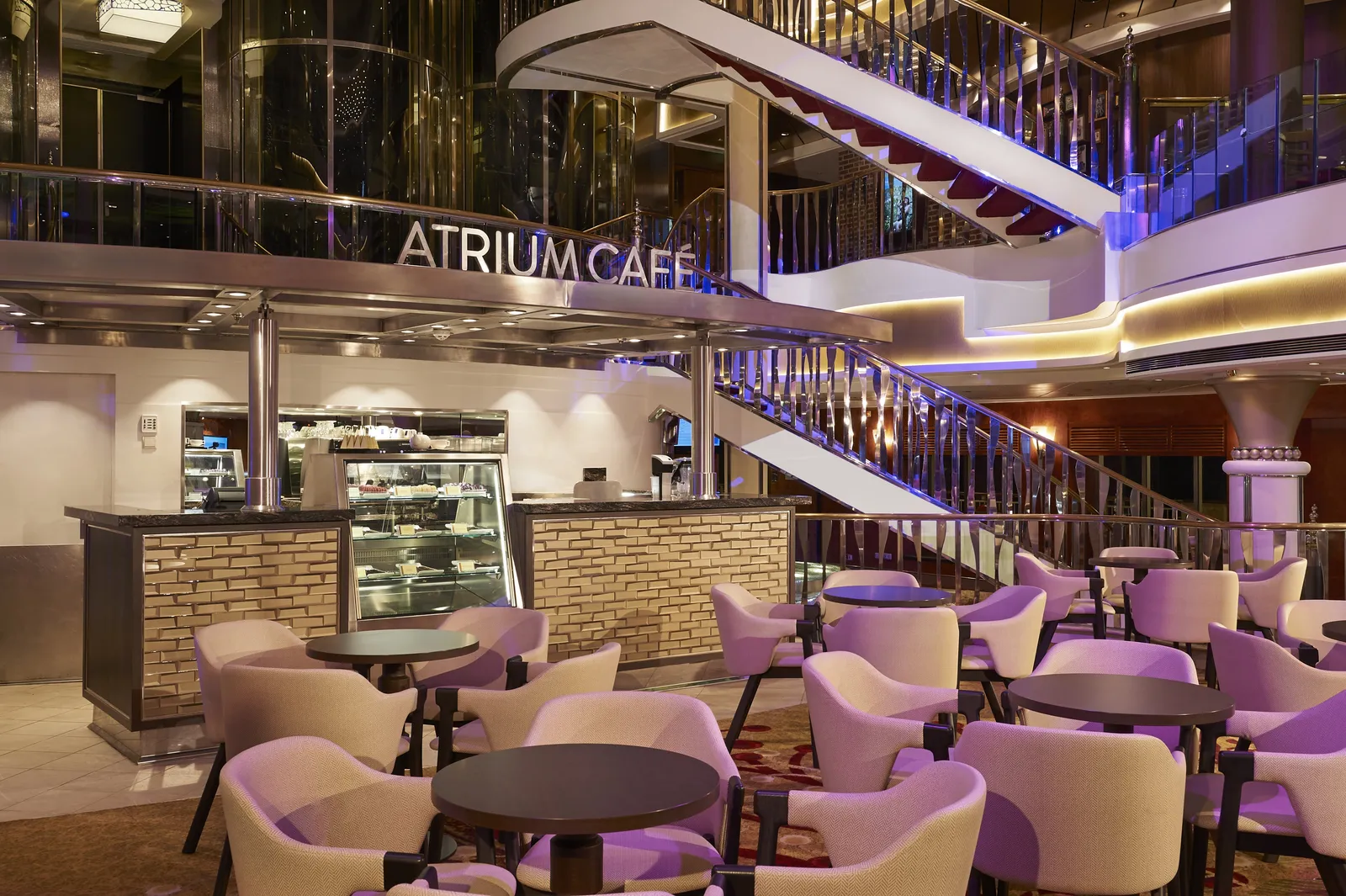
People new to cruising often make a common mistake: they think of the ship merely as transportation to the next city. In reality, the cruise industry designs the ship itself as a destination. A standard fare generally includes accommodation, at least three meals a day, a different show each night, and access to the pool and fitness facilities.
This fare structure makes a big difference. On a land tour, meals are often served at set restaurants with set menus according to the itinerary, and you have to pay separately for meals you arrange yourself. By contrast, cruises often include the buffet, main dining restaurant, breakfast, and late-night snacks in the base fare, so passengers can decide when and what to eat throughout the day. Of course, not every restaurant on board is free. Specialty restaurants, certain alcoholic drinks, and spa programs usually cost extra, so be sure to check what is included and what costs extra before booking.
Onboard Programs Fill Out the Travel Experience
On days spent entirely at sea without a port call, the ship runs programs throughout the day, such as musical theater performances, live bands, lectures, and cooking classes. Most of these programs are included in the base fare too, so passengers can choose what to join based on how they feel each day without worrying about paying extra. This is what makes a cruise more than just transportation: it becomes a resort in its own right.
A Trip That Changes Your Sense of Time
Perhaps the least familiar part of a cruise is how long you stay in port. Most port calls are limited to half a day or a full day. It is common to arrive around 8 a.m. and depart around 5–6 p.m., so you need to choose only the city’s key sights within that time. Travel experts commonly advise planning in advance which sights to prioritize at each port of call.
This short stay is a limitation, but it also creates a rhythm unique to cruising. One day you walk through an unfamiliar city, and the next you have a day of open time on board with nothing you have to do. Thanks to this alternating rhythm, cruise travelers tend to experience less accumulated fatigue than travelers on long land trips. The burden of processing new information and adapting to a new bed every day is eased about every other day.
The Breathing Room Created by Sea Days
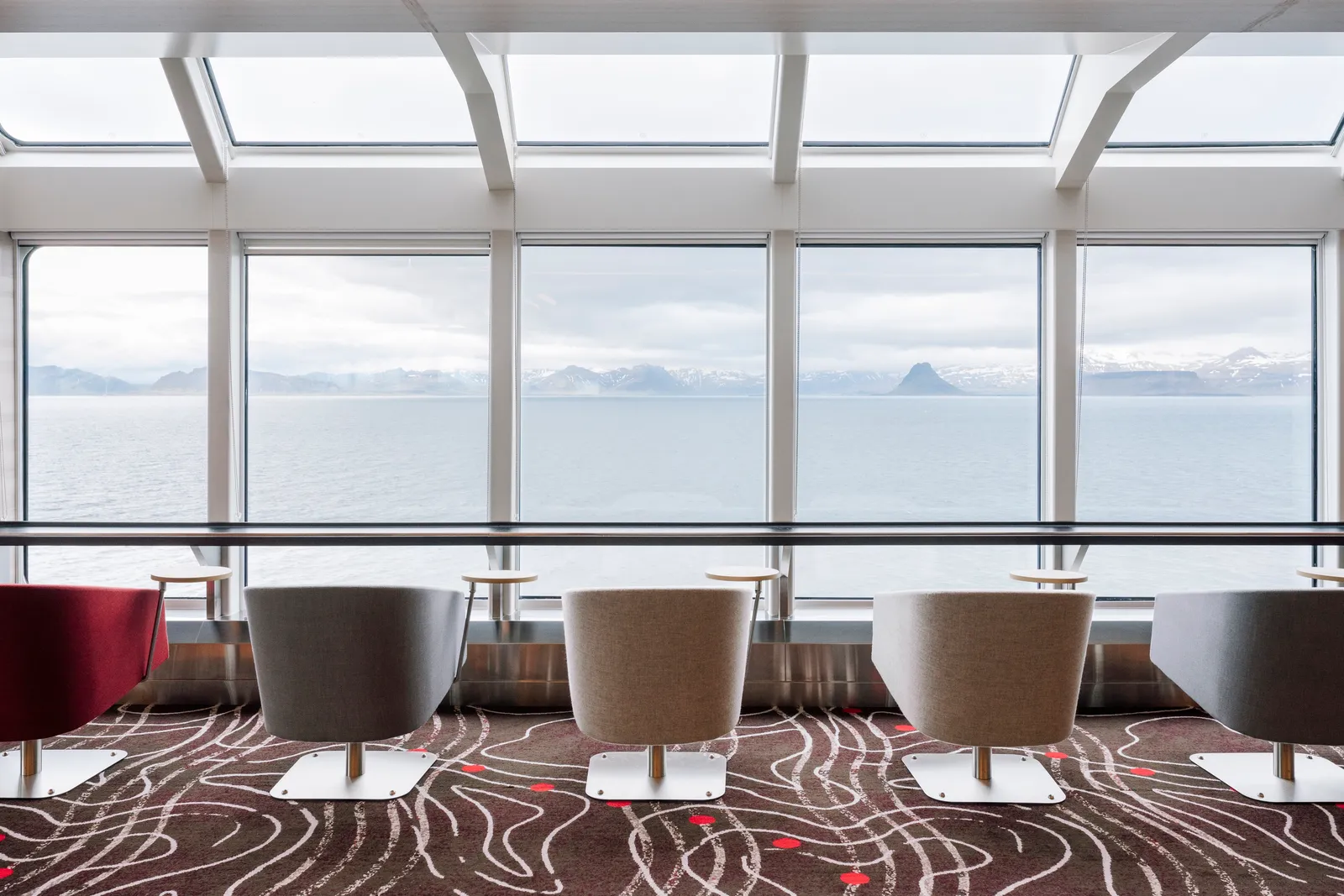
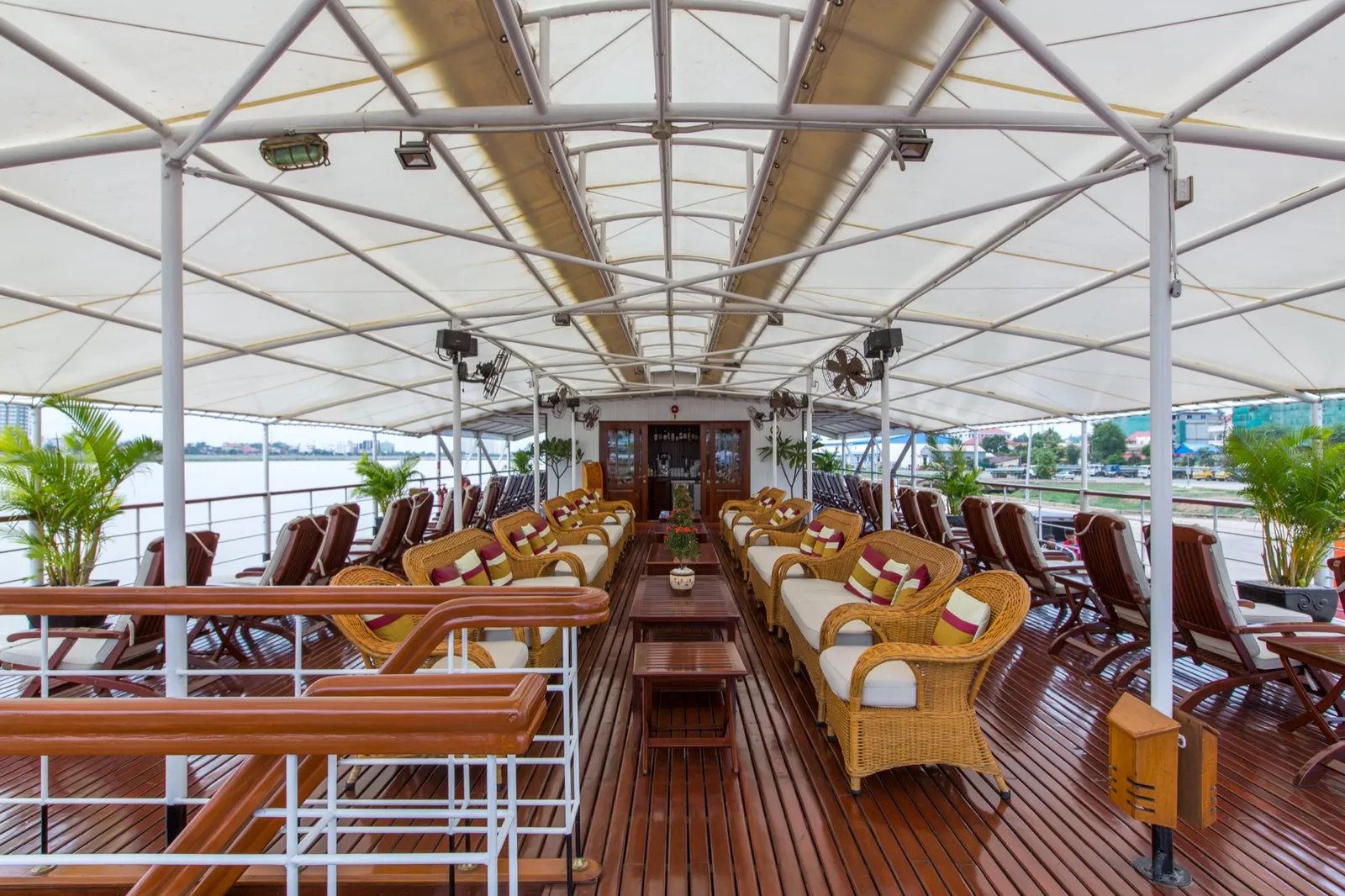
A day spent sailing, known as a Sea Day, is what completes the rhythm of a cruise. There is no special schedule beyond sitting on deck and watching the sea, reading a book, or spending time at the pool. First-time cruisers may find this “day with nothing to do” unfamiliar, but repeat cruisers often describe this open day as one of the most satisfying parts of the trip. The biggest difference from a land tour is that the itinerary formally includes time for rest and recovery, not just sightseeing.
Cruising Is Not for Everyone
We have described the structural advantages of a cruise, but this style of travel does not suit everyone. Choosing how to travel also means understanding your own travel preferences. If any of the following apply to you, it may be better to consider another travel style before choosing a cruise.
If you prefer exploring one city in depth, a cruise may leave you wanting more. Time in port is limited to half a day to about a full day, which is a far cry from wandering every alley or having long conversations with locals. A realistic goal is to efficiently see a few famous landmarks.
The same is true for travelers who want flexibility in their itinerary. Because the ship departs at a set time, you need to plan your time ashore backward from the final all-aboard time, which comes before departure. There is no practical way to discover a place you love and decide to stay an extra day. In this respect, a cruise is closer to a trip that follows a fixed schedule than to independent travel.
Life on Board Can Feel Long
If you feel confined when staying in an enclosed space for a long time, this is something to consider. On long cruises where sea days last several days, you may have to remain on board for at least a day at a time. Even with a large ship and varied facilities, it is still a limited space. If you are prone to motion sickness, note that many modern cruise ships have stabilizers to reduce movement, but it is a good idea to check the ship’s size and wave conditions along the route beforehand. Knowing these characteristics in advance can help avoid disappointment. There is a big difference in satisfaction between choosing a trip with a clear understanding of its pros and cons and setting off with expectations alone.
Choosing How to Travel
TravelersMap has long believed that travel is not simply about getting from place to place and sightseeing; how you travel and the rhythm of your stay determine the quality of the experience. Our European independent rail trips were developed with the same idea, combining the reliability of a package tour with the freedom of independent travel. From this perspective, a cruise is another way to travel that reduces the fatigue of getting around and makes your time in each place more rewarding.
There is no single right answer for how to travel. A cruise clearly offers comfort and efficiency, but that comes with a loss of some freedom. The important thing is to first understand what matters most to you when you travel. Your choice depends on whether you want to visit several cities without the fatigue of travel or stay longer in one place and get to know it in depth.
For reference, one type of trip that is easily confused with a cruise is a “crew tour,” but it is completely different from traveling by ship. A crew tour is a land-based trip with a tour leader and a group traveling together, designed to help travelers support one another and complete long journeys in regions such as South America. Despite the similar name, it is not a trip aboard a ship.
For more detailed travel advice, plan your trip with AI in the Cruise Planner below.