Why Should You Think About Cruise Wi-Fi and Roaming Differently from Connectivity on Land?

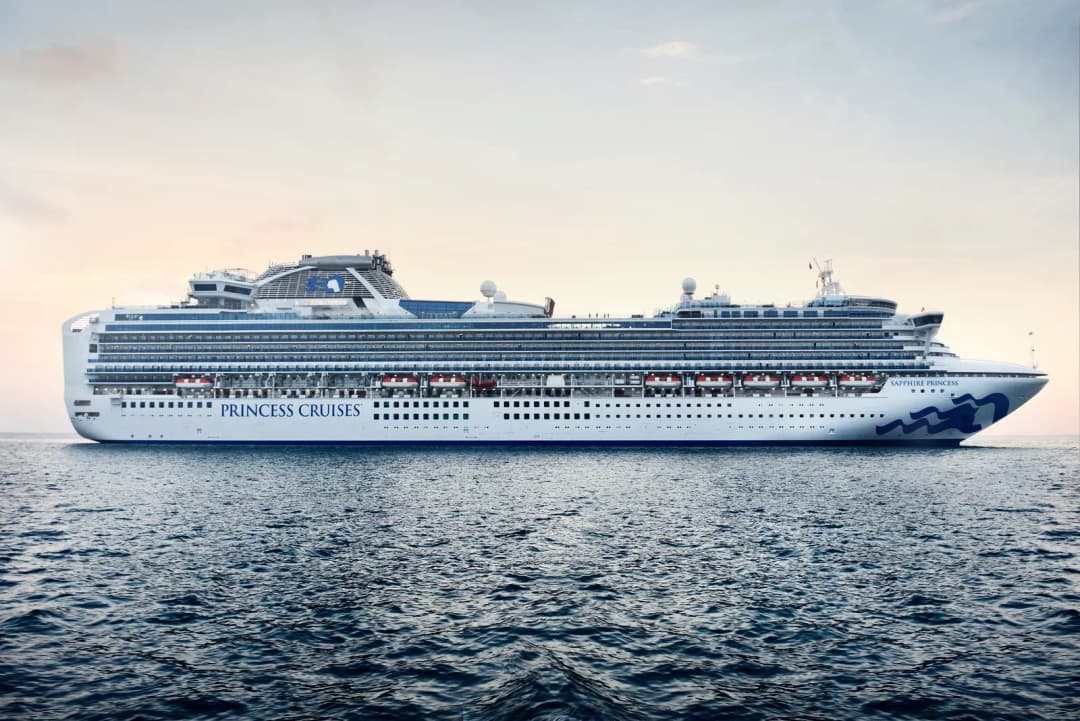
There is one key distinction to make when preparing for cruise Wi-Fi and mobile roaming: connectivity is completely different while the ship is docked and while it is sailing out at sea. While the ship is alongside in port, signals from land-based mobile networks can reach close to the vessel, so your usual roaming service or a local SIM generally works reliably. That changes once the ship leaves port and heads into international waters. Beyond the reach of land-based cell towers, the ship relies on satellite communications to provide internet access. Even in this area, however, your phone may connect to the ship's maritime mobile network, in which case your carrier may charge separate maritime rates for calls, texts, and data.
Reviews from cruises in the Mediterranean or Atlantic commonly describe roaming working intermittently in waters near port, then losing its signal entirely as the ship heads farther out to sea. This is caused not so much by a particular cruise line or carrier as by the technical difference between satellite and terrestrial cell networks. So when preparing for a cruise, it is better to plan separate connectivity options for ports and at sea rather than relying on a single roaming plan.
Onboard Internet Packages: Conditions Vary by Cruise Line

Most cruise lines require you to subscribe to their official internet package to use the internet on board. Because it uses satellite communications, it is slower than land-based Wi-Fi and is priced relatively high. The key details—whether a package is included for free, the amount of data, speed tier, and the number of devices that can connect simultaneously—vary by cruise line and even by fare type within the same line. Internet access may be included for some higher cabin categories or specific fare types, but this depends on the fare you book, so check the inclusions directly during booking.
The terms listed on the cruise line’s official website or booking confirmation can tell you whether the internet package is included in the base fare or purchased separately, and whether there is a price difference between buying on board and in advance. Advance purchase before boarding may offer better terms, so check in advance and sign up through the cruise line’s official channels. Rather than assuming a specific speed or price, look up the terms that apply to your booked cruise on the latest terms page of the cruise line you booked.
What to Check in an Internet Package
When reviewing a package, look beyond the price. First check whether it provides unlimited data for a flat fee or uses a data allowance that runs out. The number of devices allowed to connect at the same time also matters. For families, there can be a significant difference in usability between a plan that allows only 1 device per person and one that allows multiple devices at once. Some packages may restrict data-heavy services such as video streaming or video calls, so read the terms in advance.
Using Local Connectivity in Port Is More Efficient
If you do not want to rely only on onboard satellite internet, plan separately for connectivity when you arrive at a port of call. While the ship is docked, you can often use free Wi-Fi provided by the port terminal, nearby cafés, visitor information centers, and other venues. A prepaid SIM from a local carrier or a data-only eSIM lets you use maps, send messages, and upload photos while sightseeing ashore without incurring roaming charges.
If your itinerary visits several countries in quick succession, as on a Mediterranean cruise, consider a Europe-wide data plan or a global eSIM that works across multiple countries instead of buying a new SIM in every country. These products still do not work in open waters on board, where terrestrial networks are out of range. In other words, a local SIM or eSIM can supplement connectivity in ports and while sightseeing ashore, but it is not an alternative to onboard connectivity at sea.
Watch for Automatic Roaming Changes on a Cruise
If you board with your phone's roaming feature enabled, it may automatically connect to a neighboring country's mobile network as the ship passes through waters near a port, resulting in unexpected roaming charges. On itineraries that pass through the territorial waters of several countries, travelers have also reported their phones switching between multiple carriers in a single day. To avoid this, it is safer to turn on airplane mode while at sea and enable Wi-Fi separately. Turning off data roaming alone may not prevent charges, because calls and texts can still connect through the ship's maritime mobile network. Turn roaming back on only when needed after the ship is docked, or switch to local Wi-Fi. If you plan to use mobile service at sea, check your carrier's cruise rates before departure.
Connectivity on a Mediterranean Cruise: MSC World Asia as an Example

It is easier to understand connectivity when you apply it to a real route. MSC World Asia, operated by MSC Cruises, is scheduled to enter service in December 2026. According to MSC's official announcement dated September 14, 2026, it has a gross tonnage of 216,638, a maximum capacity of 6,764 passengers, more than 2,000 crew members (the exact number has not been announced), 2,614 cabins, a length of 333 meters, and a beam of 47 meters. It is scheduled to make 538 sailings on itineraries that call at major Mediterranean ports including Barcelona, Marseille, Genoa, Messina, Valletta, and Naples.
This itinerary repeats a pattern of spending 1 day docked in port for shore visits, then heading back out to sea the next day. Connectivity alternates day by day between terrestrial signals in port and relying on satellites at sea. Even on relatively short routes such as the Mediterranean, ships travel through open waters overnight between ports, so a practical approach is to make active use of local connectivity ashore rather than relying on onboard satellite internet for the entire trip.
A Featured 7-Night Mediterranean Itinerary

MSC World Asia’s featured itineraries follow the same route, with only the order of port calls differing by departure port. All three are 7 nights. Across the 496 sailings with fare data, the lowest fares are $1,066 at the 10th percentile and $1,613 at the median, with a median rate of $226 per night. Below are three featured itineraries as of the lookup date.
| Itinerary | Nights | Ship | Main ports of call | Lowest fare per person (USD, checked on 2026-10-17) |
|---|---|---|---|---|
| Barcelona–Marseille–Genoa–Naples–Messina–Valletta–Barcelona | 7 nights | MSC World Asia | Marseille, Genoa, Naples, Messina, Valletta | From $1,207 |
| Messina–Valletta–Barcelona–Marseille–Genoa–Naples–Messina | 7 nights | MSC World Asia | Valletta, Barcelona, Marseille, Genoa, Naples | From $1,029 |
| Valletta–Barcelona–Marseille–Genoa–Naples–Messina–Valletta | 7 nights | MSC World Asia | Barcelona, Marseille, Genoa, Naples, Messina | From $1,497 |
The Barcelona itinerary operates 56 times on the same route; the Messina itinerary operates 55 times, as does the Valletta itinerary. By departure port, Barcelona has the most sailings with 82, followed by Marseille and Genoa with 75 each, Messina and Valletta with 73 each, and Naples with 55. October 2027 has the most departures, with 29, followed by December 2026 and January, March, May, and August 2027, each with 27. Remember that the listed prices are the lowest fares per person and may increase depending on cabin category and departure date; airfare, gratuities, and port excursion costs are not included.
Connectivity Checklist Before Your Trip

Before your cruise, it is a good idea to check connectivity arrangements separately for on board and at ports of call. First, check on the official website of the cruise line you booked whether your fare includes an internet package or whether it needs to be purchased separately. If it is not included, check whether you can buy it before boarding and how the price compares with an onboard purchase.
Next, decide how you will stay connected at ports of call. If you are visiting several countries, choose between swapping SIM cards in each country and a data plan that works across multiple countries based on your itinerary. Plan to turn off smartphone roaming before departure or enable it only when needed to help avoid unexpected charges. Finally, check the cruise line’s official information desk or emergency contact procedures in case you need to make urgent contact on board. Connectivity policies and prices can change frequently depending on the cruise line and booking conditions, so it is safest to check the cruise line’s official guidance again before departure.
Frequently Asked Questions
Is cruise ship Wi-Fi always free?
No. Onboard internet is provided through satellite-based packages operated by the cruise line. Whether it is included for free depends on your booked fare class and the cruise line’s policy. Some higher fare types include internet, but it is not provided with every booking, so check your booking confirmation or the cruise line’s official terms directly.
Does mobile phone roaming work in the middle of the sea?
Once you are out in international waters, land-based cell tower signals cannot reach the ship, so regular roaming services often do not work. Some cruise ships have their own maritime mobile networks, however, and your phone may incur separate charges for calls, texts, and data if it connects to one. To avoid that, turn on airplane mode and enable Wi-Fi separately. If you need internet access at sea, it is common to use the cruise line's official internet package.
What is the fare range for an MSC World Asia Mediterranean itinerary?
As of the October 17, 2026 lookup, among cruises with fare data, the lowest fare per person is $1,066 at the 10th percentile and $1,613 at the median, with a median rate of $226 per night. The 7-night itinerary from Barcelona starts at $1,207, from Messina at $1,029, and from Valletta at $1,497. These are the lowest fares per person; the actual amount paid varies by cabin category, departure date, airfare, gratuities, and tour costs.
What connectivity option is best while the ship is docked in port?
While docked, terrestrial networks are available, so using a prepaid SIM from a local carrier, a data-only eSIM, or free Wi-Fi at the port terminal or a nearby café is often more efficient than onboard satellite internet. These options work only in port and while sightseeing ashore; they stop working once the ship leaves port for open water.
Where should I check policies related to cruise connectivity?
Internet package conditions vary by cruise line and, within the same line, by fare type and cruise. The most accurate approach is to check the latest terms on the official website of the cruise line you booked or in your booking confirmation before boarding. Since connectivity policies can change, we recommend checking once more closer to departure.
For more detailed travel advice, plan your trip with AI in the Cruise Planner below.