Cruise seasickness: why does it cause so much worry?
Ask people why they hesitate to take a cruise, and six or seven out of ten will give the same answer: “I'm worried I'll get seasick.” The funny thing is that most people with this concern have never actually been on a large cruise ship. It often comes from memories of riding a small fishing boat or sightseeing boat as a child, or from storm scenes in movies.
To get straight to the point, passengers rarely experience severe seasickness on large cruise ships currently in service under typical sailing conditions. This is the result of three factors working together: hull design, stabilizers, and route planning. Let's take a look at common myths and the facts one by one.
Myth 1: All ships naturally rock

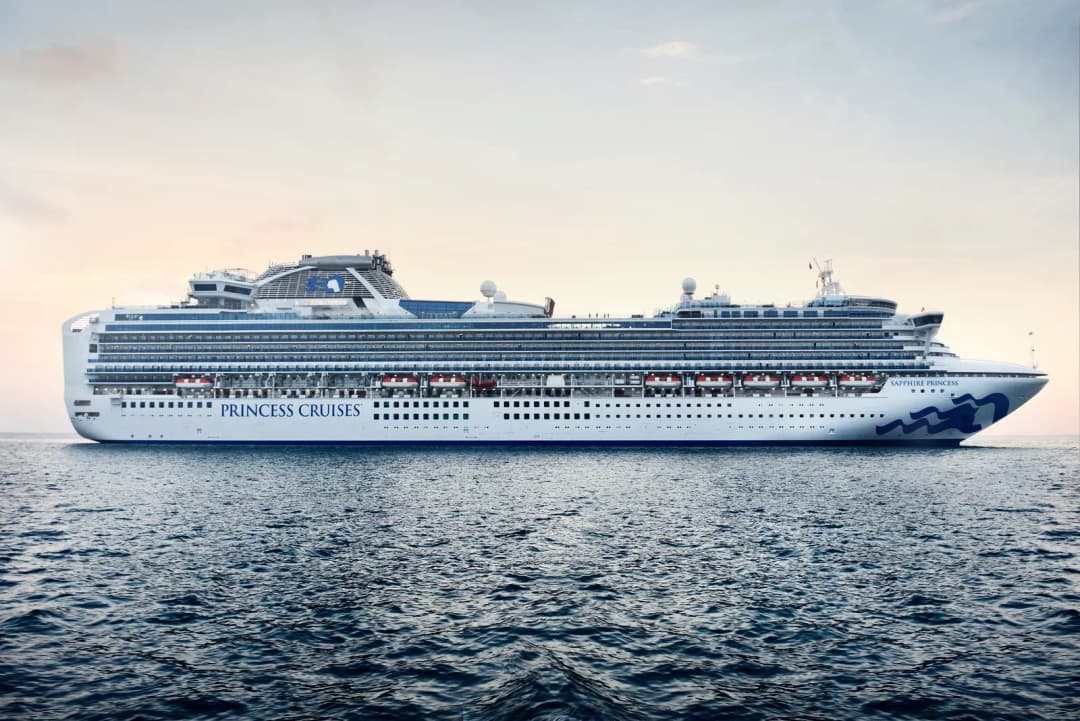
It is understandable to have this misconception if you picture a small fishing boat or yacht. But cruise ships are on a different scale. Large cruise ships commonly exceed 100,000 gross tons, and many ships of 200,000 gross tons are in service. The heavier the ship and the deeper its draft (the depth to which it sits in the water), the less it rolls from side to side and pitches from front to back in response to waves.
People who have been on both small sightseeing boats and large cruise ships often say the difference is substantial. On a small boat, you keep feeling slight motion even in calm seas. On a large cruise ship, they say, the ride can be stable enough to walk without difficulty even in fairly high waves.
Fact: ship size determines half of how much motion you feel
In naval engineering, how a ship's natural oscillation period interacts with the wave period is considered to determine how much motion you feel. The larger and heavier the ship, the longer its natural oscillation period, making resonance with typical ocean waves (around 6–10 seconds) less likely. Put simply, a large ship does not react quickly to waves; it moves slowly and gently. This gentle motion means passengers barely notice the movement.
Myth 2: There is no way to prevent a cruise ship from rocking
This is probably the most common misconception. Most modern large cruise ships have stabilizer fins attached to both sides of the hull. They work on a principle similar to airplane wings: during a voyage, fin-shaped appendages extend from the sides of the hull. Sensors (gyroscopes) detect the ship's roll, and the fins adjust their angle in real time.
When the ship begins to tilt to one side, the fins generate lift in the opposite direction to counteract the motion. You can think of it as an airplane's automatic leveling system adapted for use underwater. The fins fold into the hull when the ship is docked and extend automatically when it reaches speed in open water.
Fact: stabilizers can reduce roll by up to 90%
Technical materials from ship stabilizer manufacturers show that stabilizers can considerably reduce the amount of roll, depending on conditions. However, they cannot eliminate motion completely. They counter side-to-side rolling effectively, but cannot completely control pitching (front-to-back movement) or vertical heave. So you may still feel motion in very rough seas or typhoon-level weather. Under such conditions, though, ships generally change route or detour.
Myth 3: Cabin location has nothing to do with seasickness
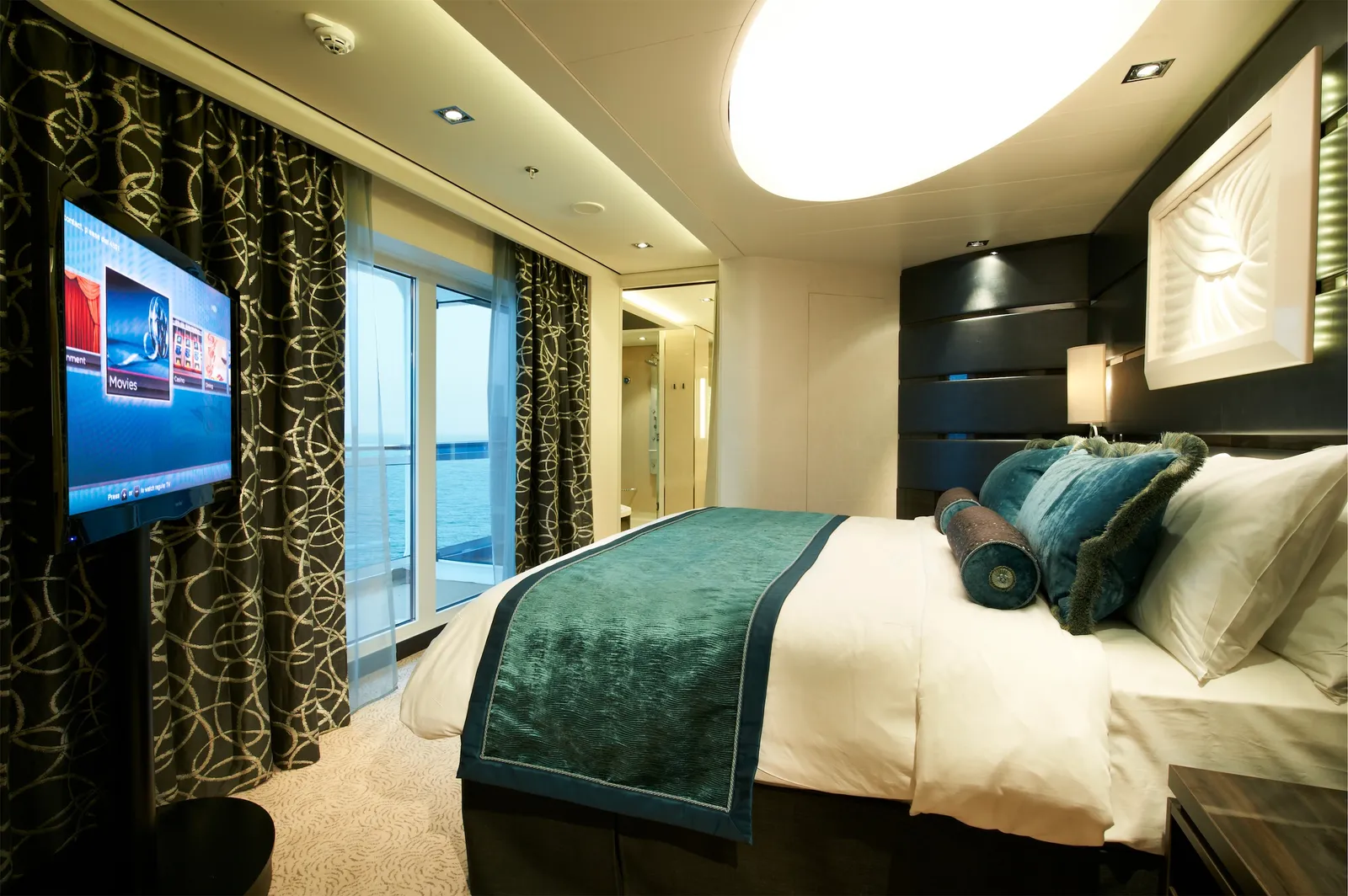
Few people pay much attention to cabin location when booking. But understanding the ship's physical structure shows that cabin location can meaningfully affect how much motion you feel. There are two key factors: the cabin's position from front to back and its deck level.
Fact: the middle of the ship on a lower deck has the least motion
A ship moves around a pivot point. Since that point is roughly in the lower middle of the hull, movement increases farther from the pivot. Cabins at the bow or stern are more affected by pitching, and cabins on higher decks are more affected by rolling. Conversely, cabins in the middle of the ship on lower decks experience the least physical motion.
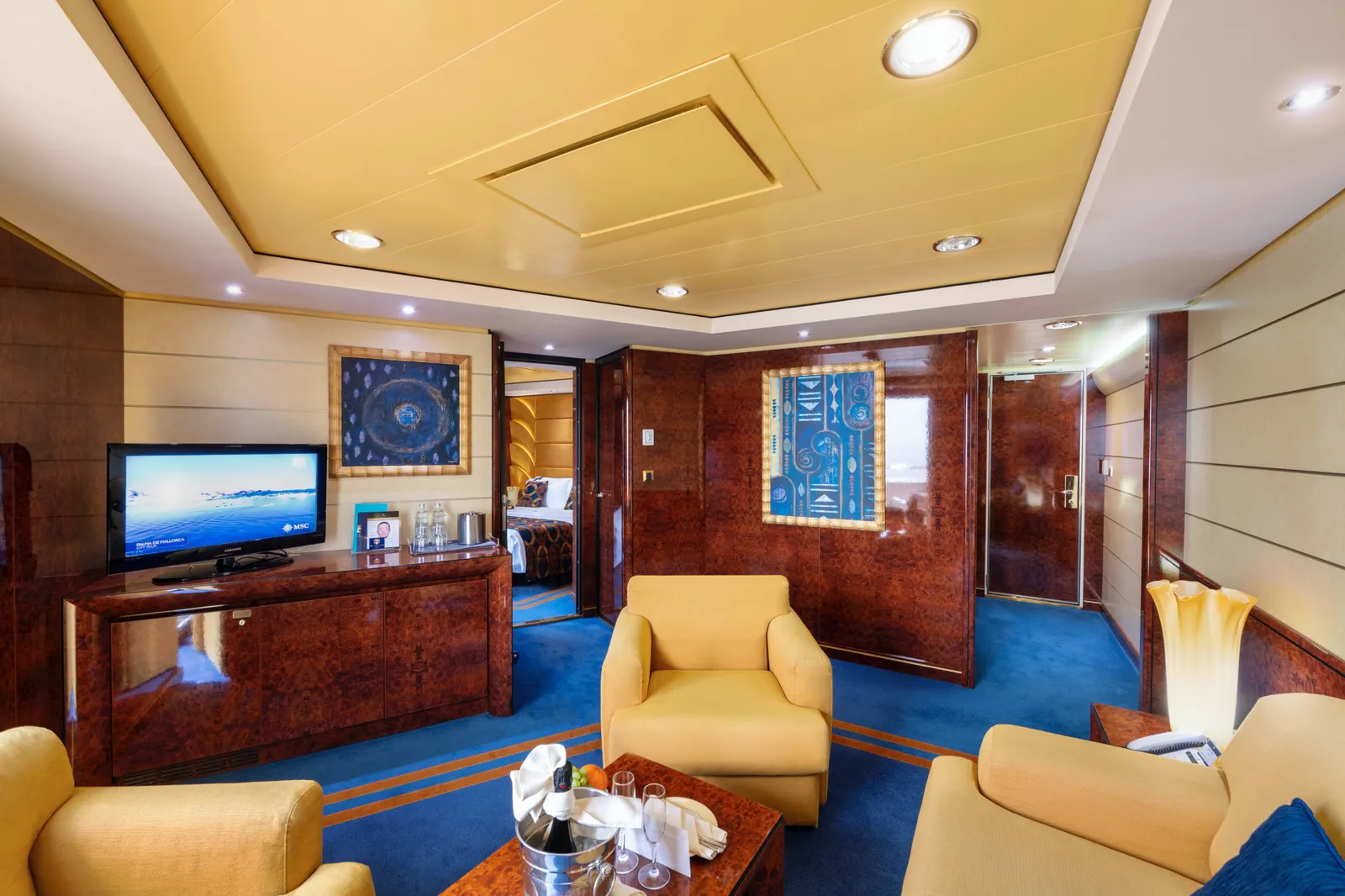
Cruise crew members commonly recommend a midship cabin on a lower deck to passengers who are sensitive to seasickness. However, lower-deck cabins often have no window or only a small one, so you have to weigh less motion against natural light and a view. Interestingly, some people believe that seeing the horizon from a balcony or oceanview cabin can help prevent seasickness. The explanation is that motion sickness is reduced when visual information matches the body's sense of balance: seeing the horizon outside may reduce the brain's confusion compared with a fully enclosed inside cabin. Ultimately, there is no single right answer; it depends on your sensitivity to motion and priorities.
Myth 4: A cruise ship rocks about the same no matter when you sail
Even on the same cruise ship, the amount of motion varies considerably depending on the route, season, and waters you sail through. One of the most common misconceptions is to generalize from one experience and say, “Cruises are always like this.”
Fact: noticeable motion occurs only under specific conditions
Passengers are generally likely to feel distinct motion in situations such as these.
- Passing through bad weather caused by a typhoon or low-pressure system
- Sailing through waters known for high waves where two oceans meet, such as the Drake Passage
- Passing through a narrow strait where currents and winds converge while approaching a port from open water
- Sections where the ship's speed changes sharply or it makes a sharp turn
By contrast, under typical conditions on routes such as the Mediterranean, Caribbean, and most coastal itineraries, stabilizers and the ship's weight mean that passengers barely notice any motion. Cruise ships receive real-time satellite weather information, so the standard practice is to detour around or adjust speed through forecast bad weather. News reports have also covered how cruise ships use satellite weather information to choose safe routes.
Practical ways to manage seasickness if you are still worried
Ships may be structurally stable, but individual experiences vary. If you are usually sensitive to seasickness or car sickness, consider these approaches.
- Consult a pharmacist in advance to choose a motion-sickness medicine and when to take it (the lead time varies by medication, and side effects such as drowsiness should also be checked beforehand).
- When choosing a cabin, focus on the middle of the ship and lower decks, while considering the tradeoff of whether it has an outside view
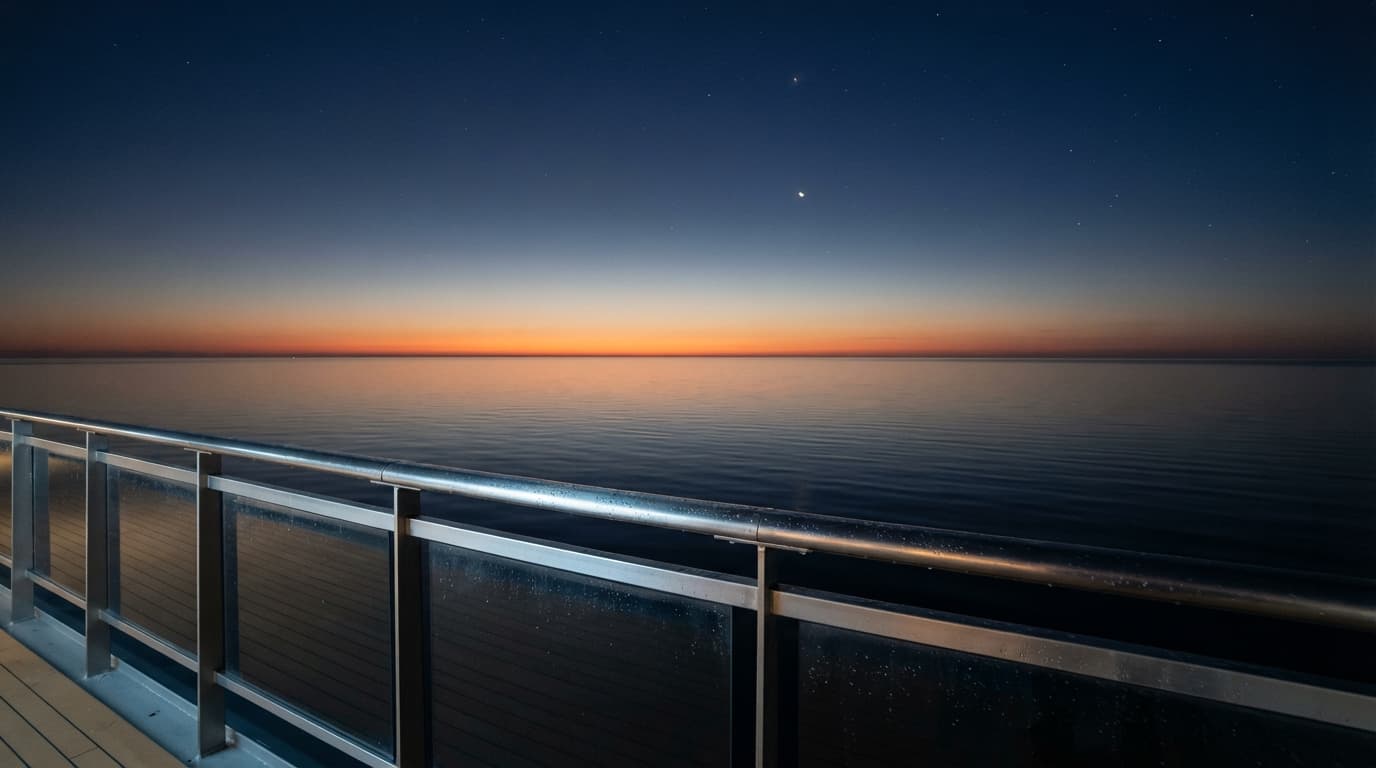
- If you feel motion, look at the horizon from the deck or a window rather than staying indoors to reduce the mismatch between visual and balance cues
- Most cruise ship shops or medical centers carry motion sickness medication, so you can also get help after boarding
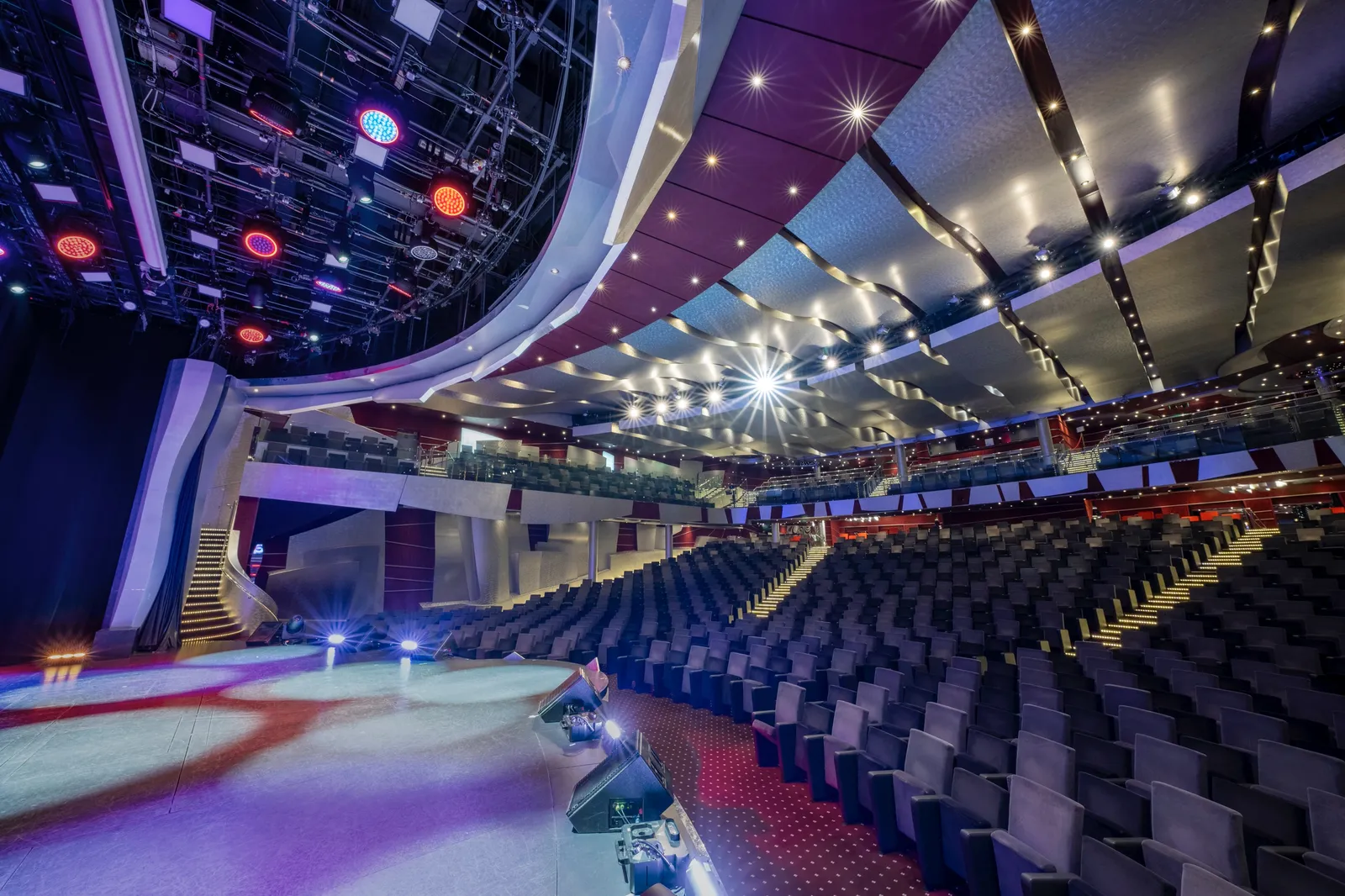
Even people who have worked in the travel industry for a long time often say that cruise seasickness is where “the worry before boarding and the actual experience differ the most.” There is a lot to miss out on if you give up on a trip based only on vague fears without reliable information.
Frequently Asked Questions
Q. Are there cruise ships without stabilizers?
A. Some small ships and certain river cruise ships do not have them. Most large ocean cruise ships have stabilizers as standard equipment, so you can check with the cruise line before booking.Q. When should I take motion sickness medication?
A. It is generally more effective to use motion-sickness medicine before symptoms begin, but when to take or apply it varies by product. Rather than setting a blanket rule such as the night before or the morning of boarding, follow the product instructions and your pharmacist's advice. If you are concerned about side effects such as drowsiness, it is a good idea to consult a pharmacist before your trip.Q. Is there more motion on a sea day (a day spent sailing without a port call)?
A. Not necessarily. Whether the route crosses open water or follows the coast is a more important factor.
What matters more than worrying about motion
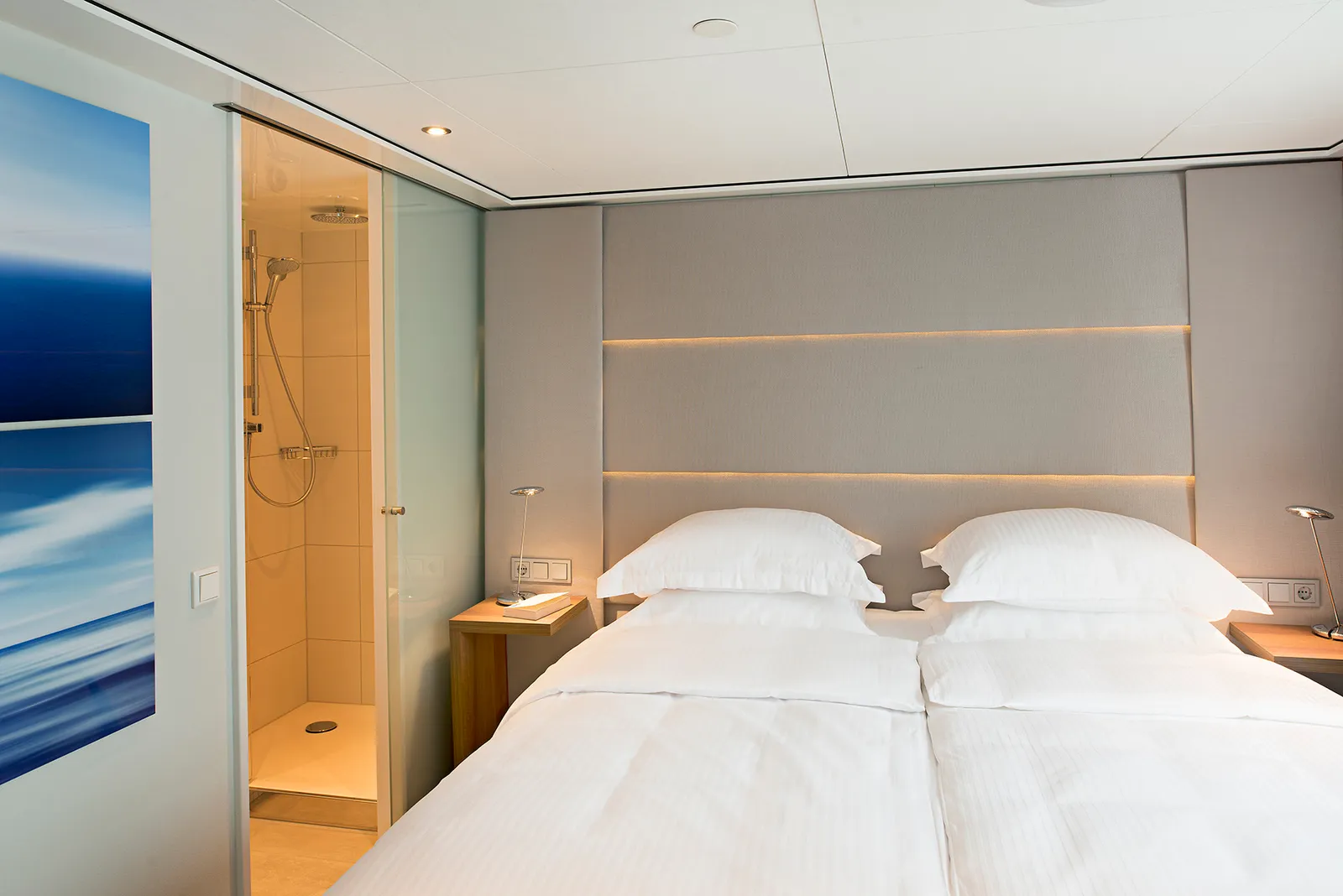
If you are considering a cruise, we recommend understanding how ships work before narrowing your choices because of vague worries. Once you understand the physical stability of large ships, how stabilizers work, and the principles of route planning, you may find that cruises are a more stable way to travel than you expected.
At TravelersMap, our philosophy is “A better world, better travel,” and our priority is providing travelers with accurate information. We see it as our role to help you make travel decisions based on verified facts rather than vague anxiety.
For more detailed travel advice, plan your trip with AI in the Cruise Planner below.