Start by recognizing that each cruise route has its own character
After deciding to take a cruise, the first thing that may hold you up is which sea to choose, rather than which ship. The rhythm of the trip changes completely depending on the route. That is why it is difficult to compare the Mediterranean and Alaska on the same terms: the density of port calls, natural surroundings, and accessibility are different from the outset.
Ultimately, choosing a route is a question of structure before it is a matter of taste. Some seas are designed for visiting cities one after another, while others let you spend a long time admiring a single natural wonder. If you choose without understanding this difference, your expectations may not match the actual itinerary.
The Mediterranean: a route with the highest density of port calls
Mediterranean cruises call at a new port every other day. On a 7-night itinerary from Barcelona calling at Rome, Naples, Santorini, and Mykonos, for example, there may be only one or two sea days, with the remaining days spent in port. The short distances between cities make this possible.
This density makes the Mediterranean an efficient route for travelers who want to visit several European countries in one trip. However, you have to get ready to go ashore every morning, which can become tiring if your goal is a relaxed vacation.
Northern Europe and the Baltic: scenery shaped by the midnight sun and fjords
Northern Europe and Baltic itineraries include routes linking Copenhagen, Stockholm, and Helsinki, as well as routes that venture deep into the Norwegian fjords. Season is the decisive factor on these itineraries. In June and July, the high latitude means the sun can remain above the horizon until around midnight, letting you enjoy the scenery on deck late into the evening.
The highlight of a fjord route is when the ship slowly enters a narrow inlet. In these sections, ships often slow down so passengers have plenty of time to take in the scenery. Rather than quickly visiting cities as on a Mediterranean route, the focus is on slowly admiring a natural landscape.
Alaska: nature in a short season
Alaska cruises are almost the opposite of Mediterranean cruises because their routes are optimized for observing nature. The itinerary centers on glaciers, fjords, and wildlife, with relatively few port calls. Many routes depart from Vancouver or Seattle, call at small towns such as Juneau, Skagway, and Ketchikan, and pass near Tracy Arm Fjord or Glacier Bay National Park.
The most important thing about this route is its short sailing season. Alaska cruises generally operate only from May through September, and most cruise lines suspend operations in winter. Ice conditions and weather make sailing physically difficult at certain times. Within this limited window, June and July are peak season, with long daylight hours close to the midnight sun and relatively mild temperatures. May and September are less crowded, but colder.
If you search for Alaska cruises in winter without knowing this, it is easy to be surprised that there are no itineraries available. That is why it is important to check the sailing season for a route before choosing it.
Asia routes: a different advantage—accessibility
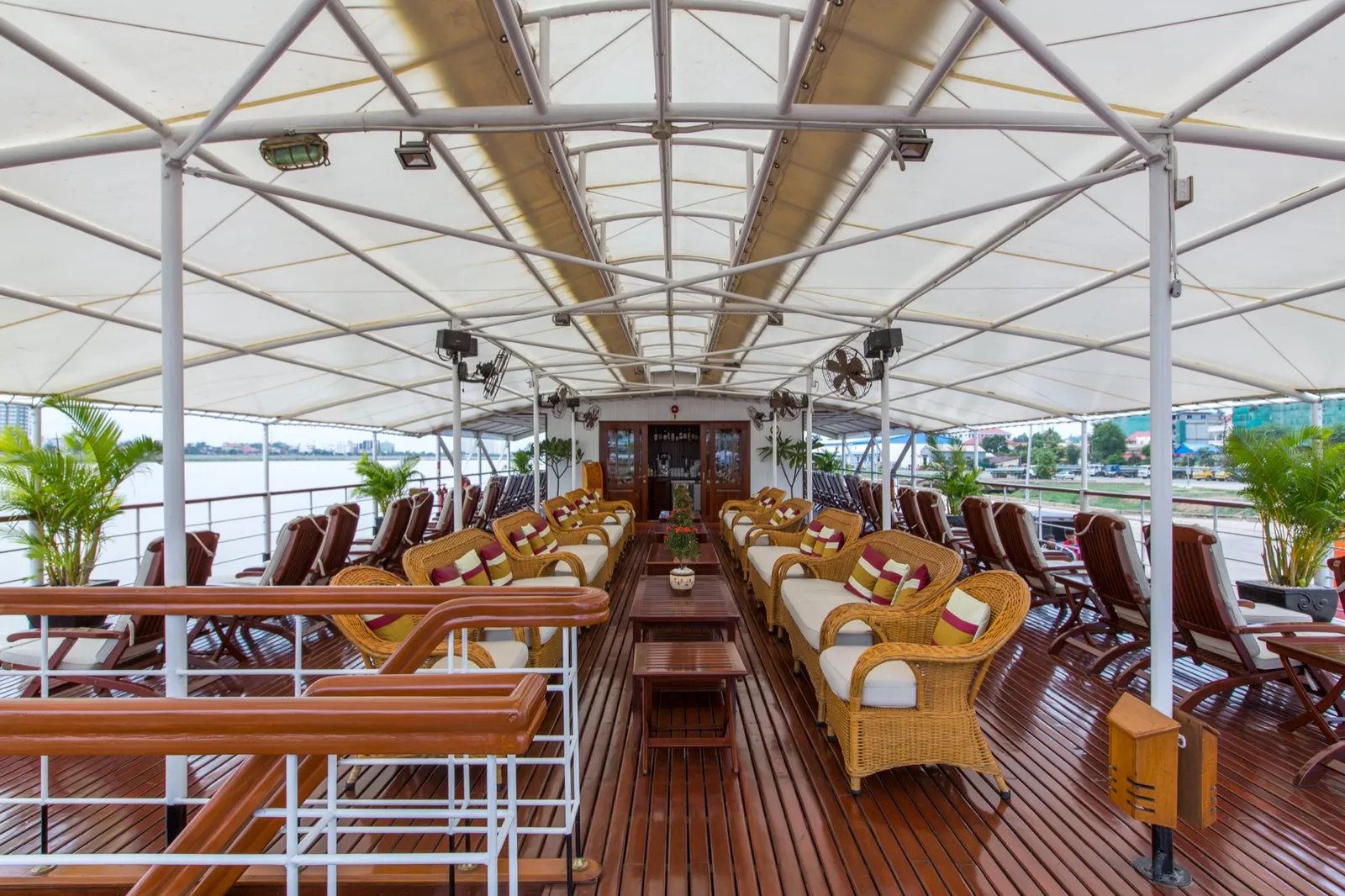
Mediterranean or Alaska cruises can take a day or more of air travel to reach the ship, while the biggest advantage of an Asia route is easy access from Korea. Many short itineraries of 3–5 nights depart from Busan or Incheon and call at Fukuoka, Nagasaki, Okinawa, Shanghai, Taiwan, and other destinations. On cruises departing from Korea, you can board directly at the port without air travel.
Another feature of Asia routes is that many regions operate cruises in every season. However, they may be affected by typhoons in summer, so allow for possible itinerary changes. In winter, the farther north the route, the colder it gets, which can limit time on deck. Asia routes have the lowest barrier to entry for travelers who want to try a cruise on a short leave or experience life onboard without a long-haul flight.
Peak, shoulder, and off-season: crowd levels matter more than weather
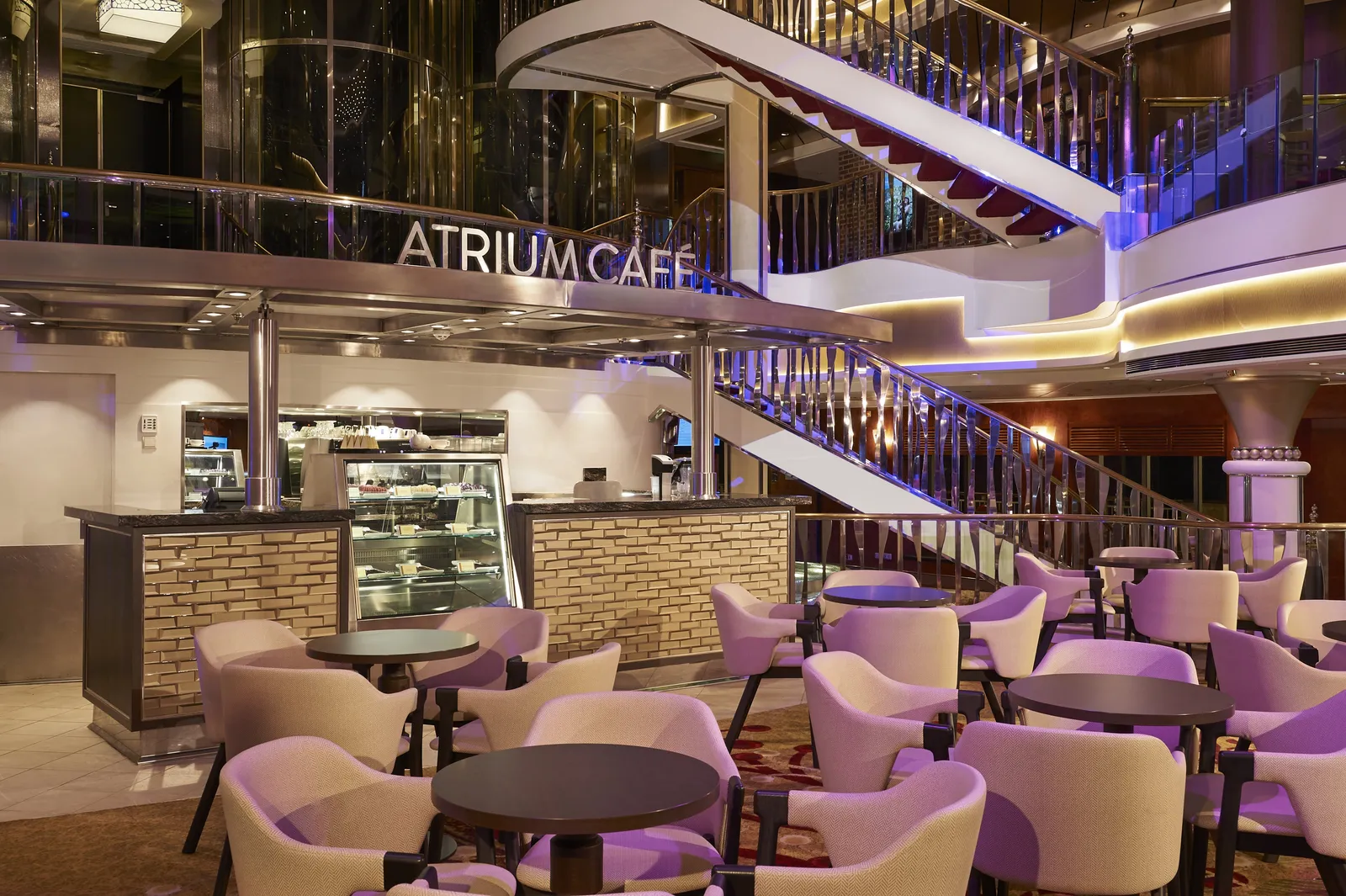
Even on the same route, the experience can change considerably depending on when you travel. The year is often divided into peak, shoulder, and off-seasons, but the biggest difference is often crowd levels rather than weather.
In the Mediterranean, for example, midsummer in July and August brings temperatures well above 30 degrees Celsius. At popular ports such as Santorini and Dubrovnik, passengers coming ashore can surge when multiple cruise ships are docked at once. By contrast, shoulder seasons such as May and June or September and October bring mild temperatures and noticeably smaller crowds at ports, changing how it feels to walk around the same place. In winter, many routes do not operate at all; those that do often have more days with rough seas and stronger motion.
For a route with a short season, such as Alaska, the difference between peak and off-season is even more extreme. During peak season in June and July, competition is high for ships, flights, and shore excursion spaces. At the edges of the season, such as early May or late September, there may be a chance to see the northern lights, but temperatures are lower and warm clothing is essential. Ultimately, choosing between peak, shoulder, and off-season means balancing how much weather you can tolerate against how well you can handle crowds.
Why did 7 nights become the standard cruise length?
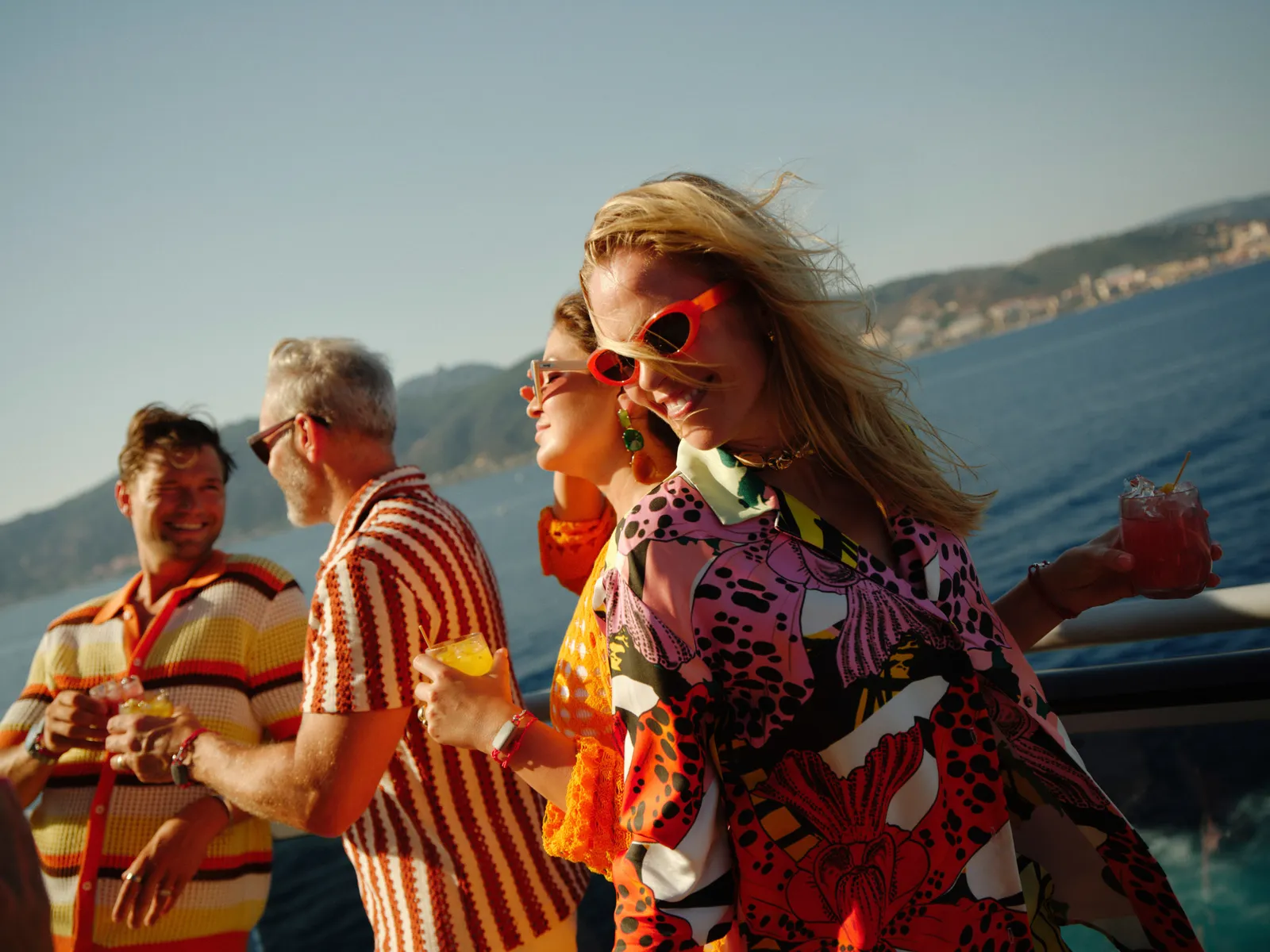
When searching for cruises, you will notice that there are many 7-night, 8-day itineraries. This is no coincidence; it follows from how routes are designed. 7 nights works well with the vacation pattern of people who leave on a weekend and return the following weekend. It is also the minimum length that can accommodate 4–5 major ports, usually one day at each, and still include one or two sea days for enjoying the ship's facilities. Western Mediterranean routes (Barcelona–Rome area), the Caribbean, and Alaska's Inside Passage are all often built around 7 nights as the standard duration.
When itineraries extend to 10 or 14 nights, the only change is not the number of ports. The route may expand from the western to the eastern Mediterranean, or from the western to the southern Caribbean, crossing into a different cultural region in one trip. For example, a 14-night Mediterranean route may include cities in western Europe as well as Greece and the Turkish coast, giving you a much broader experience in one itinerary. Longer trips also tend to include more sea days, so your satisfaction will be higher if you enjoy spending time onboard.
What is a good combination for your first cruise?

If you are planning your first cruise, rather than choosing the most extreme route and season, we recommend balancing them. For example, a 7-night western Mediterranean cruise during the May–June or September–October shoulder season is generally a good first experience, combining frequent port calls, mild weather, and relatively small crowds. If you choose a route with a short season and a focus on nature, such as Alaska, from the outset, book early for June or July to reduce weather-related risks.
Ultimately, the route answers what you want to see, while the season answers what conditions you can accept. Choose the Mediterranean for cities, Alaska or the Northern European fjords for nature, and Asia if you want to try a cruise on a short itinerary. Whichever you choose, the basic fare structure is similar: accommodation, onboard meals, and use of most ship facilities are generally included, while airfare, separate shore excursions, beverage packages, and gratuities are often extra.
For more detailed travel advice, plan your trip with AI in the Cruise Planner below.