Cruise Package or Independent Travel: Which Should You Choose?

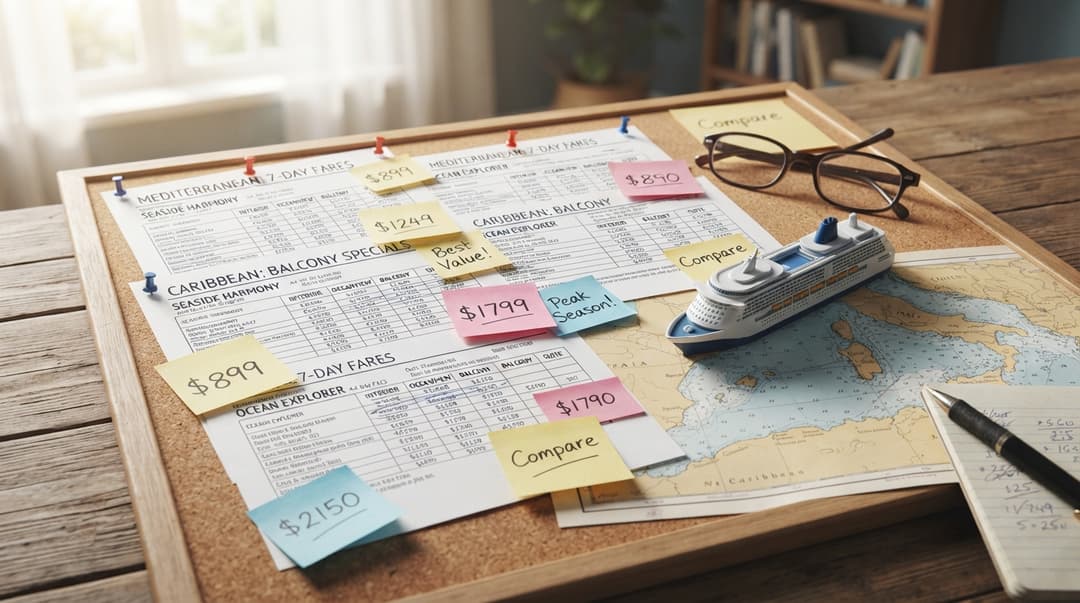
When planning your first cruise, one of the first questions you’ll face is whether to book a cruise package through a travel agency or book only the cruise and arrange everything else yourself. Both options take you on the same ship across the same seas, but the amount you need to organize is entirely different.
A cruise package bundles airfare, accommodation for the night before embarkation, transportation between the airport and port, and an accompanying tour leader. By contrast, booking only the cruise means paying just the cruise fare and planning everything from getting to the ship to returning home after disembarkation. This article isn’t meant to say one option is better than the other. Instead, we’ll look at which travelers each option suits and, step by step, what you’ll actually need to arrange yourself when you book only the cruise.
Cruise Packages vs. Booking Only the Cruise: What’s the Practical Difference?

The key thing about a cruise package is that the dates and ship are already set. A travel agency puts together a package for a particular itinerary on a particular ship at a particular time, reserving either the whole ship or some of the cabins. So rather than choosing your dates, you’re generally fitting your schedule around an itinerary that’s already been arranged. In return, airfare, accommodation for the night before embarkation, transportation from the airport to the cruise terminal, and shore excursion arrangements are all taken care of at once. The biggest advantage of having a tour leader along is having someone to turn to if you run into language difficulties or unexpected problems.
Booking only the cruise is the exact opposite. You can freely choose your preferred ship, date, and cabin category from the many departures offered by cruise lines around the world. If you have your heart set on a particular ship during a particular season, or your vacation dates don’t match the package departure dates, this may be your only option. The trade-off is that you’ll need to plan every connection yourself: flights, accommodation for the night before embarkation, transportation between the airport and terminal, port-day plans, and your return home after disembarkation.
In short, packages offer fewer choices but require less effort, while booking only the cruise gives you more options but leaves you with more to arrange. The following criteria can help you decide which is right for you.
Which Option Is Right for Which Travelers?

There’s no single right answer for every traveler. The quickest way to decide is to consider a few factors and ask yourself some questions.
When a Package Is a Better Fit
If this is your first cruise and the overall process feels unfamiliar, a package can make things less stressful. There are many new steps, from embarkation and life on board to going ashore and returning to the ship at each port. Having a tour leader with you can greatly ease any anxiety along the way. This is especially true if you’re traveling with your parents. Having someone accompany them through long waits at the airport, transfers, and procedures conducted in an unfamiliar language can make a big difference.
A package is also a good choice if you’re not confident in English or the local language and are concerned about communicating at the airport, terminal, or ports of call. Information on board is relatively well organized, but unexpected situations can arise during airport transfers or independent port visits, and the language barrier can feel more daunting than you expect. If you’re a working professional with limited vacation time who needs to make the most of a short trip, following a prearranged itinerary can save time compared with planning every leg of the journey yourself.
When Booking Only the Cruise Is a Better Fit
If the ship or itinerary you want isn’t offered as a package, booking only the cruise may be your only option. If you’re set on a particular ship from a particular cruise line, or an itinerary in a particular season, but that combination isn’t available as a package, booking independently is the only way to go. Travelers with plenty of overseas travel experience who are comfortable with airport transfers and local transportation can plan their trip well without a tour leader. Booking independently also offers more flexibility if you want to visit other cities before or after the cruise, or extend or shorten your stay as you please. A package requires you to stick to the set schedule before and after the cruise, but when you book independently, you can arrive a few days before embarkation to explore the city or travel to another region after disembarkation.
If You Book Only the Cruise, What You’ll Need to Arrange Yourself
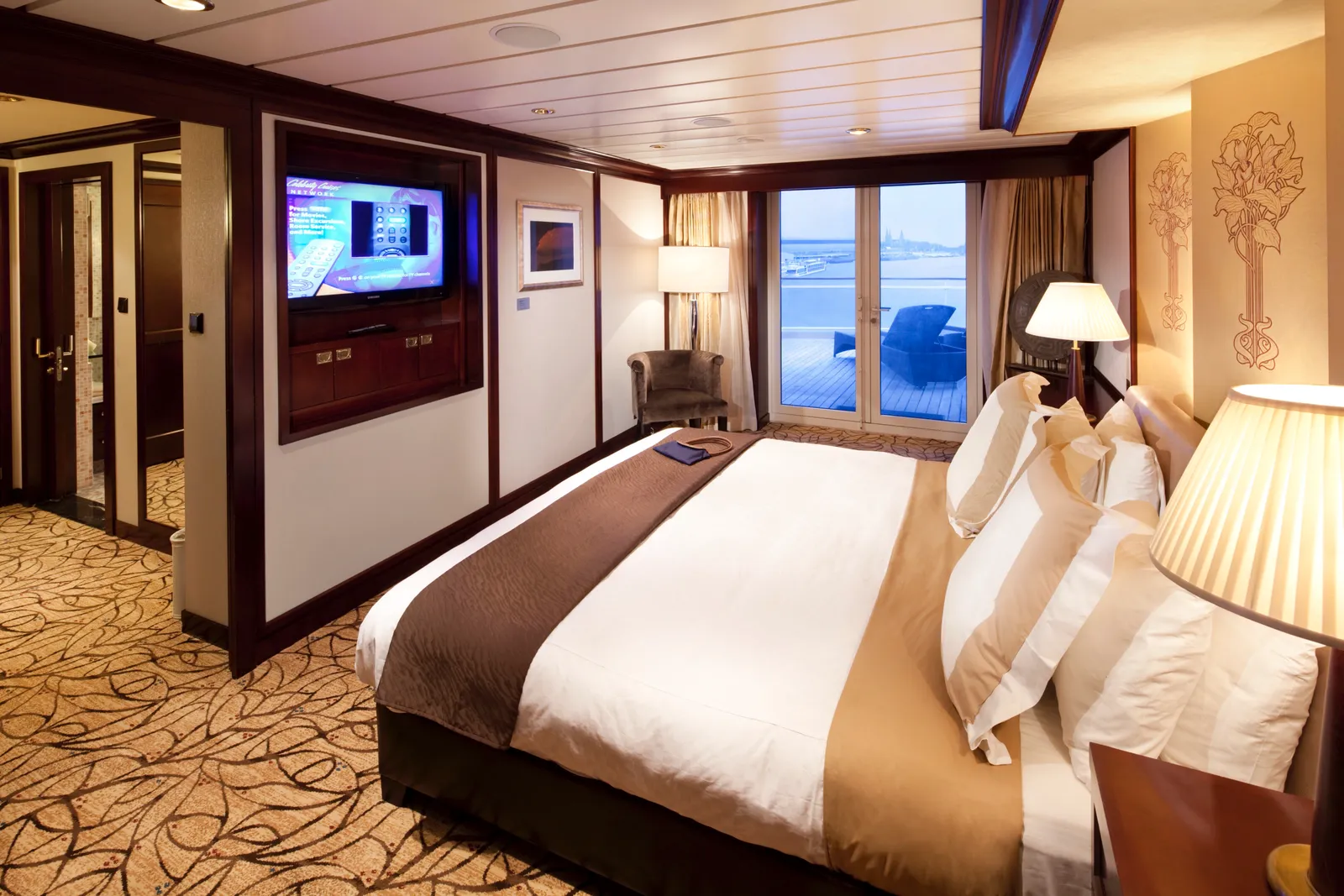
If you’ve decided to book only the cruise, the real planning starts now. Let’s go through it step by step.
1. Flights to the Embarkation Port

Airfare isn’t included in the cruise fare. You’ll need to book a separate flight to the city where the embarkation port is located. The most important rule is not to book a flight that arrives on embarkation day. If your connecting flight is delayed or canceled, the ship won’t wait for you. It will depart at its scheduled time, and if you miss it, you may have to pay your own way to catch up at the next port of call. That’s why it’s safest to plan to arrive the day before embarkation.
2. Accommodation for the Night Before Embarkation

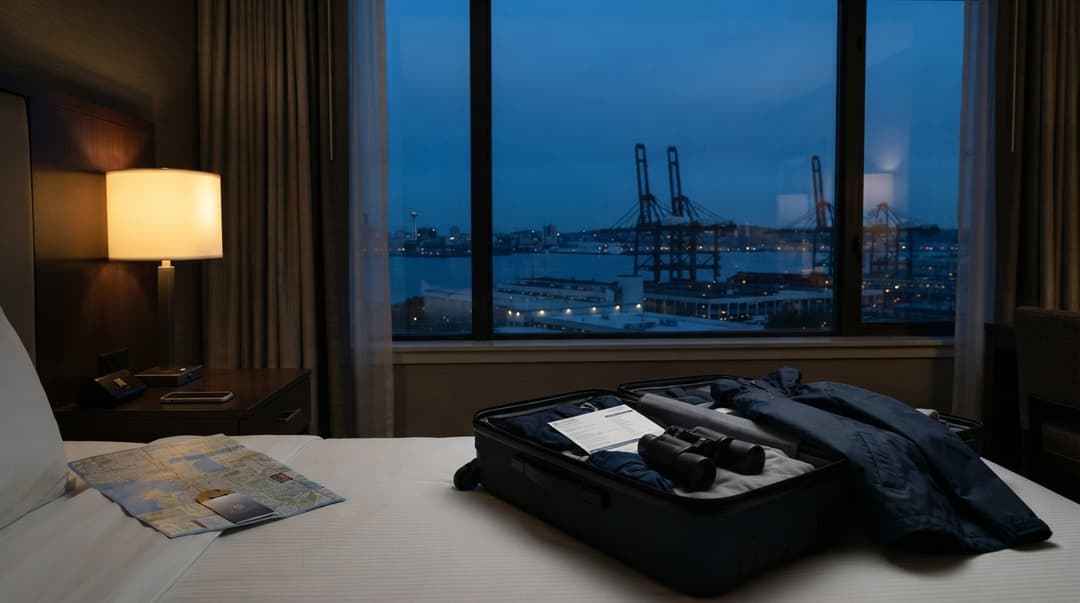
If you arrive the day before, you’ll need somewhere to stay for the night. Choose your accommodation with both the terminal and airport distances in mind. Staying downtown makes sightseeing and dining convenient, but you’ll need to account for travel time and traffic on the way to the terminal on embarkation morning. Staying near the airport or terminal makes getting around easier, but leaves you less time to explore the city. Either way, the key is to leave enough time so you won’t have to rush on embarkation morning.
3. Transportation Between the Airport, Accommodation, and Cruise Terminal
Plan ahead for each leg of the journey: from the airport to your accommodation, and from there to the terminal. In some cities, the terminal may be quite far from the airport, and a prebooked pickup service or taxi may be safer than public transportation. If you misjudge the timing or have to find transportation in a hurry that day, you could end up rushing to meet the check-in deadline. Before you leave, be sure to check at least the estimated travel time and operating hours for your transportation options.
4. Shore Excursions or Independent Port Days

Cruise fares generally don’t include sightseeing at ports of call. When you arrive at a port, you can choose to join an excursion offered by the cruise line, go ashore and explore on your own, or stay on the ship and relax. If it’s your first time in the city and you’re unfamiliar with the transportation or language, a cruise line excursion can be an efficient way to make the most of your time. On the other hand, if you’ve been to the city before or want to explore on foot, an independent day may be more satisfying. Whichever you choose, the most important thing is to meet the ship’s deadline for returning on board. If you go ashore on your own and return after the deadline, the ship may depart without you, leaving you to make your own way to the next port of call.
5. Your Return Flight on Disembarkation Day

On the morning of disembarkation, passengers are let off the ship in sequence, starting from a certain time. This time varies depending on the ship and port conditions, so when booking your return flight, it’s safest to choose a departure time that gives you plenty of leeway for disembarkation and travel to the airport. An early-morning flight on disembarkation day could overlap with busy periods for baggage drop and immigration, putting you at risk of missing your flight. If possible, you’ll have greater peace of mind by choosing a flight at a time that gives you plenty of leeway, rather than one on disembarkation day.
6. Travel Insurance and Documents

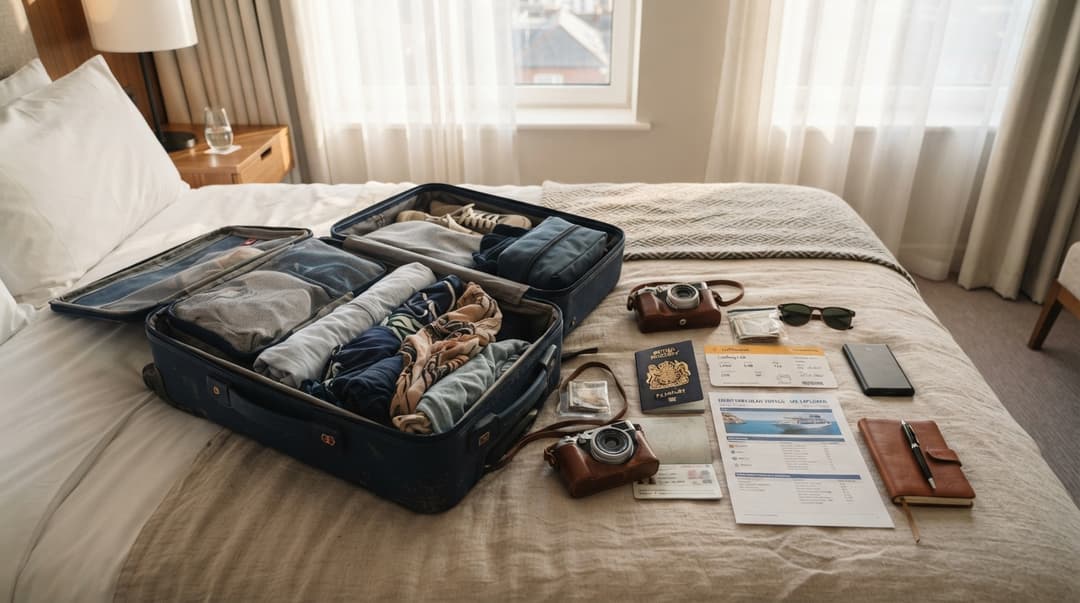
Because a cruise visits the waters and ports of several countries, entry requirements may differ from one country to another. Check in advance whether you need visas for the countries you’ll visit at each port and whether your passport will be valid for long enough. Travel insurance is another essential. Medical treatment on board or an accident at a port of call can be costly, and travel insurance can help cover some of the expense. Each cruise line may have slightly different document requirements and check-in procedures, so be sure to check the cruise line’s official guidance to confirm exactly what documents you’ll need to board.
Putting the Steps in Order
Here’s a recap of what you’ll need to arrange yourself when booking only the cruise, in chronological order:
- Choose your ship and cruise dates first
- Book a flight to the embarkation port that arrives the day before embarkation
- Choose accommodation for the night before, considering access to both the terminal and airport
- Check transportation options and travel times between the airport, accommodation, and terminal
- Decide in advance whether you’ll take an excursion or explore independently at each port of call
- Book a return flight with plenty of time after disembarkation
- Check visa requirements for each country you’ll visit and arrange travel insurance
As you work through these steps, you may realize there’s more to arrange than you expected. After choosing your cruise, you can plan the full itinerary—from flights and accommodation for the night before to transportation between the airport and port, days at each port of call, and your return flight—step by step with a cruise planner. Once the ship and dates are set, you can fill in each of the connections that follow.
Frequently Asked Questions
Q. Is there a big price difference between a cruise package and booking only the cruise?
A simple comparison isn’t very meaningful because the options include different things. Packages bundle airfare, accommodation, transportation, and a tour leader, while booking only the cruise means arranging each of these separately. It’s more accurate to first check what’s included and what’s extra, then compare the full scope of what you’ll need to arrange.
Q. Can I book a cruise independently even if it’s my first one?
Yes. However, you’ll need to take care of things like airport transfers, embarkation procedures, and the time you need to return to the ship at each port of call. If you don’t have much experience traveling overseas, you’ll need to spend more time and effort preparing. If it’s your first cruise and you’re traveling with elderly parents or are concerned about the language barrier, a package may be a more reassuring option.
Q. Do I have to book shore excursions through the cruise line?
No. You can choose a cruise line excursion, a tour with a local travel agency, or an independent day. Whichever option you choose, you must meet the ship’s deadline for returning on board. If you miss it, the ship will depart as scheduled without waiting for you.
Q. Is it okay to arrive on a flight on embarkation day?
We don’t recommend it. Flight delays and cancellations can happen at any time, and cruise ships depart on a fixed schedule and won’t wait for passengers. To give yourself at least a little breathing room, it’s safest to plan to arrive the day before embarkation.
For more detailed travel advice, plan your trip with AI using the cruise planner below.