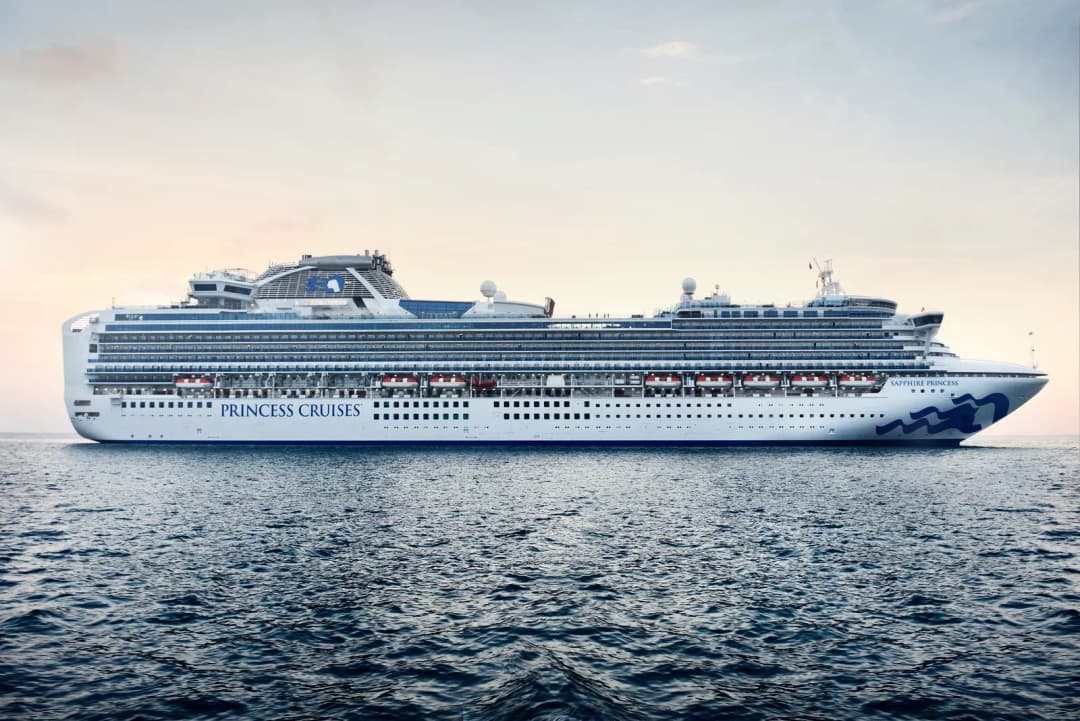
Why You Should Not Choose a Cruise Cabin Based Only on Price
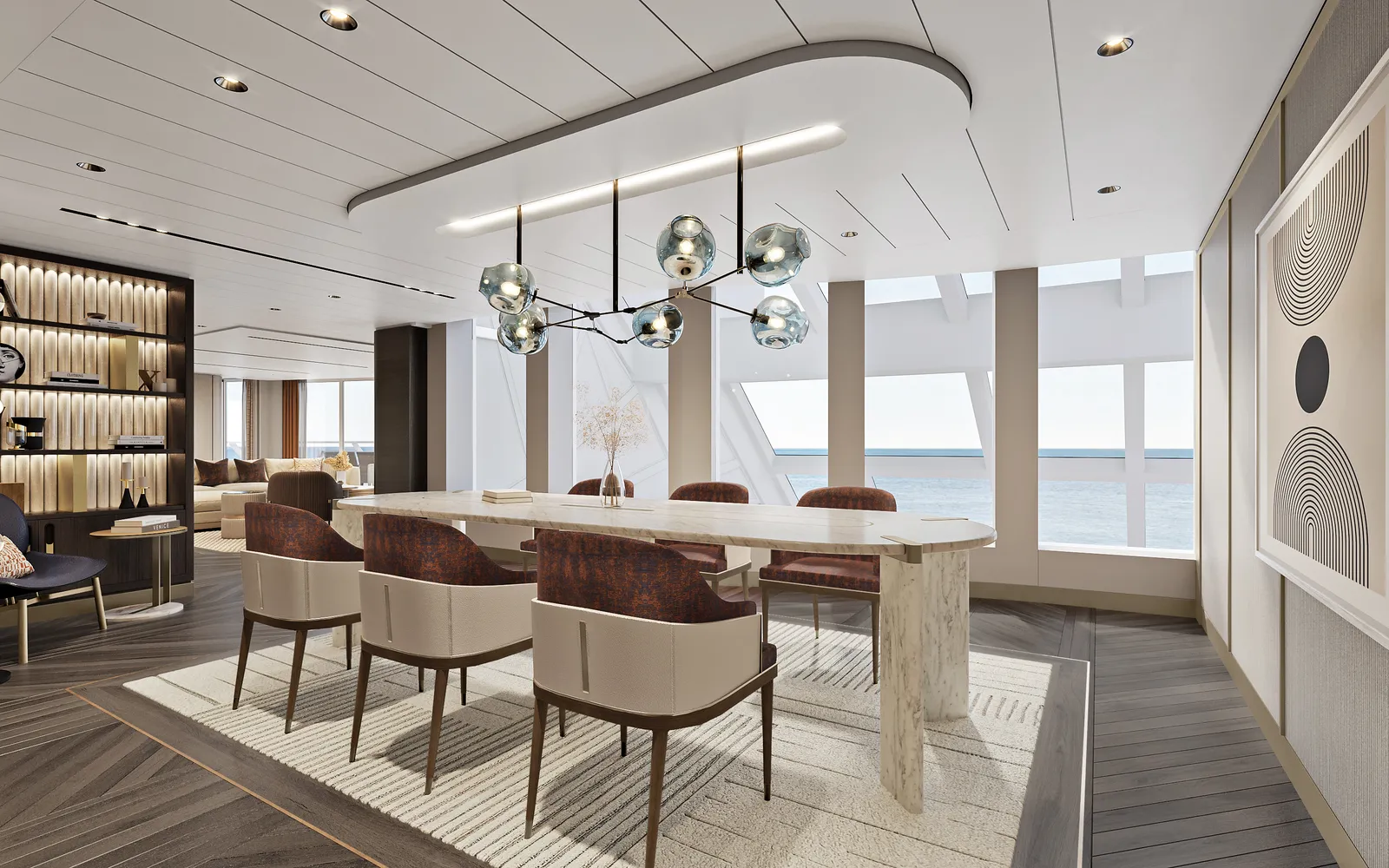
When booking a cruise for the first time, many people hesitate most over the cabin category. It can be surprising to see prices vary by 2 or 3 times for the same ship and route. This price difference is not just because one room is vaguely “better”; it comes from 3 physical factors: whether there is a window, the actual floor area, and the cabin’s location on the ship. Once you know that these factors affect light, noise, and how much motion you feel, the choice becomes much simpler.
Cruise cabins are generally divided into 4 categories: Inside, Oceanview, Balcony, and Suite. The detailed names and number of categories vary slightly by cruise line, but these 4 broad categories apply to most large cruise ships.
Structural Differences by Category: Start with Windows and Floor Area
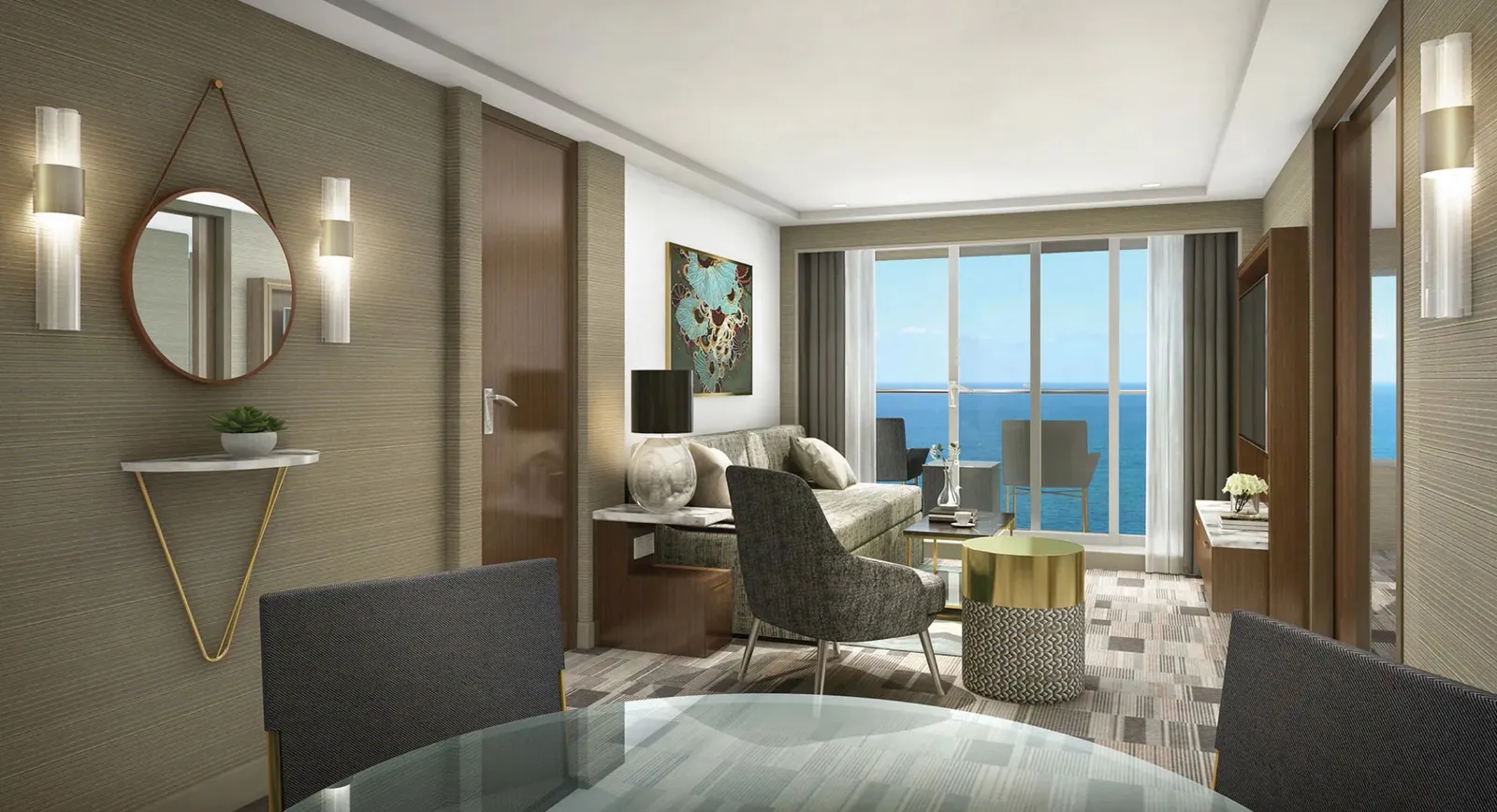
Inside Cabins: Interior Cabins Without Windows
Inside cabins are located within the ship, away from the outer walls. With no windows, there is no natural light, and you rely on lighting and a clock to tell day from night. They are usually around 12–14 m², the smallest of the four categories. However, some recently built ships have virtual balconies that display a live video feed of the outside on the wall, which can make the space feel less enclosed.
These cabins are the least expensive and are a reasonable choice if you do not plan to spend much time in your cabin. They are often concentrated in the middle or lower parts of the ship, which can also mean shorter routes between facilities.
Oceanview Cabins: There Is a Window, but It Does Not Open
Oceanview cabins are located against the outer wall and let you see the sea through a window or round porthole. However, most are fixed and cannot be opened for safety reasons. They are slightly larger than inside cabins, around 15–17 m², and the natural light makes a significant difference in how the room feels.
Some cabins may have a “blocked view,” where a lifeboat or structure is visible outside the window depending on the location, so it is a good idea to check the deck plan before booking.
Balcony Cabins: Having Your Own Outdoor Space
Balcony cabins have a private balcony you can step onto, unlike the window in an oceanview cabin. The biggest difference is that you can open the door and feel the sea breeze. They often have 16–18 m² of indoor space, plus a separate 3–5 m² balcony. These are considered a satisfying category because you can take your coffee outside to watch the sunrise or quietly watch the ship arrive at a port of call from your room.
However, having a balcony also means more exposure to outside noise, including engine sounds, wind, and conversations from neighboring cabins. On lower decks, the sound of the waves may be close, and balcony use may be restricted on some days for protection from wind while sailing.
Suites: A Category with Both Space and Location
Suites have a layout closer to a residential space, with separate living and sleeping areas or a separate dressing room. Floor area varies widely by cruise line and category, but many are 30 m² or larger, while top suites can exceed 60–100 m². Balconies are often larger than standard balcony cabins or designed at a corner, with a more open view.
Some cruise lines offer suite guests additional services such as an exclusive lounge, dedicated dining, and priority embarkation and disembarkation. Since these inclusions vary greatly by cruise line, check the specific included services before booking.
How Cabin Category Affects the Actual Experience
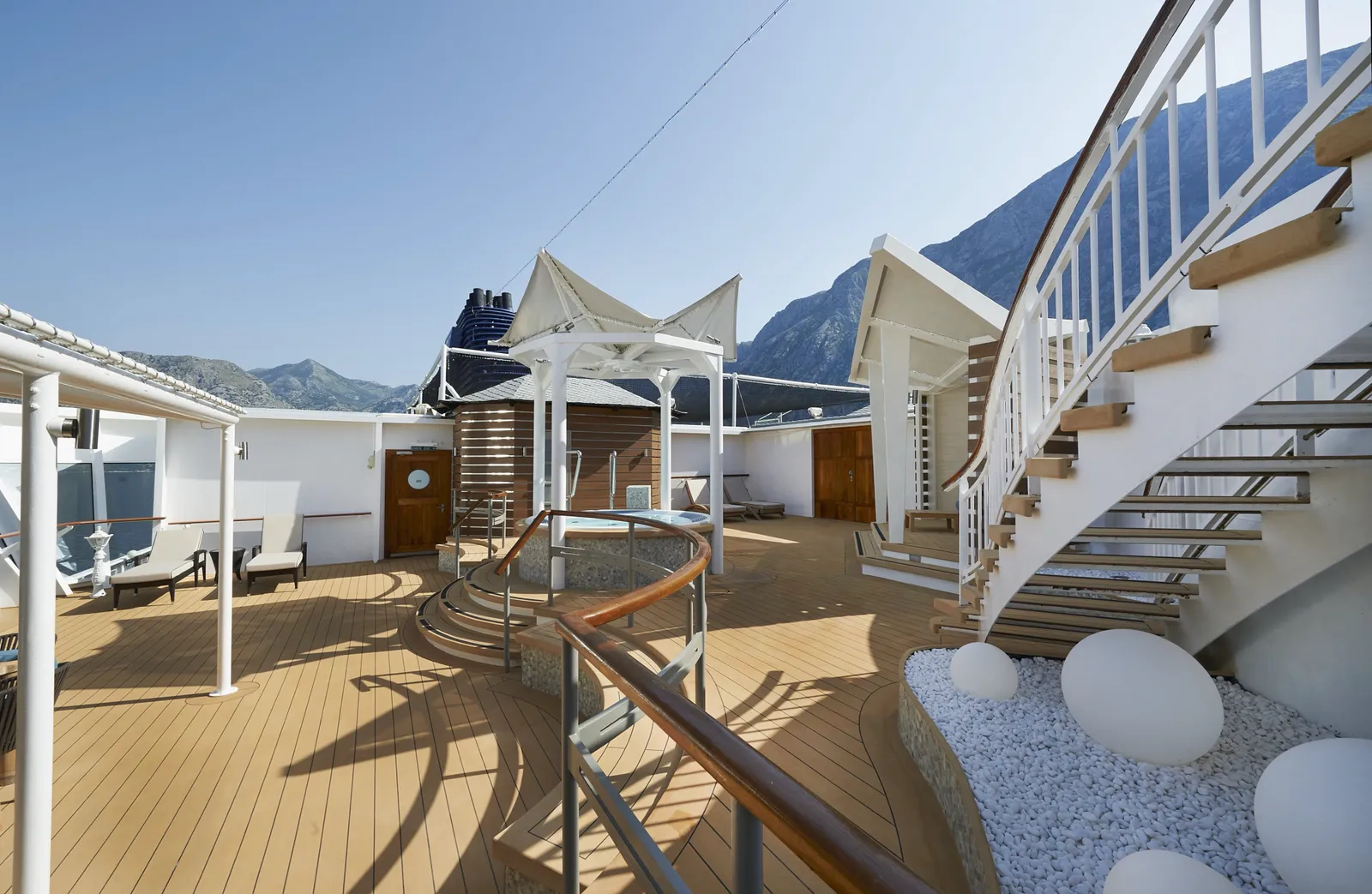
The difference between cabin categories is not just about the interior design; it directly affects the motion, noise, and natural light you experience while sailing. These are the next factors to consider after price.
Motion: Location Can Matter More Than Category
The motion you feel in a cabin depends more on its location on the ship, especially its vertical and fore-and-aft position, than on cabin category. In general, motion is reduced near the center of the ship and on lower decks. Conversely, cabins near the bow or stern, or close to the upper decks, can feel more movement even within the same category. If you are prone to motion sickness, keep in mind that even a suite near the bow or on an upper deck may feel like it moves considerably.
Noise: Nearby Facilities Matter More Than Having a Balcony
Noise depends more on what facilities are above, below, and next to the cabin than on whether it has a balcony. Cabins directly below an upper-deck pool or sports deck, or next to a theater or nightclub, are more vulnerable to noise regardless of category. Checking nearby facilities on the deck plan before booking is as important as choosing a category.
Natural Light and Openness: Inside Cabins vs. Oceanview and Higher Categories
Cruise reviews often share one common observation: the difference in satisfaction when upgrading from an inside cabin to an oceanview cabin feels greater than upgrading from oceanview to balcony. In other words, whether or not there is a window is the biggest turning point in perceived satisfaction. The added benefit tends to diminish with the next steps: a balcony, followed by the extra space of a suite. This pattern has been repeatedly observed in traveler reviews and cruise publications.
Choosing Based on Your Travel Style
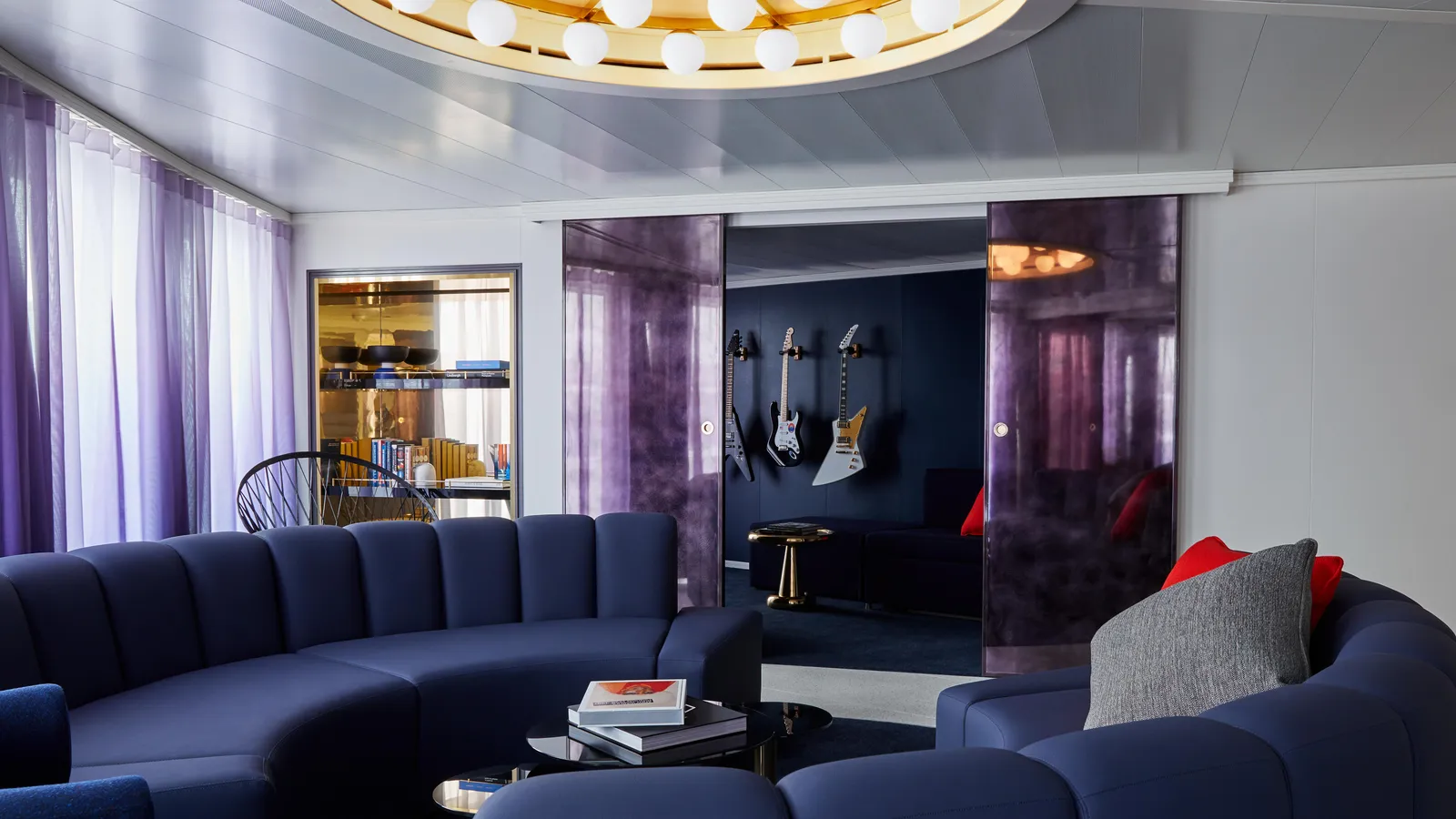
There is no single right answer, but you can use these criteria to estimate which category may suit your travel style.
For Travelers Focused on Onboard Activities Rather Than the Cabin
If you plan to actively enjoy onboard facilities such as pools, shows, casinos, and dining, and sleep only briefly, an inside or oceanview cabin may be enough. In practice, many people spend only about 6–8 hours a day in their cabin, so there may be little reason to pay extra for more space.
For Travelers Who Value Port Views and Relaxation
If watching the ship arrive in port from your room or seeing the sunset from your balcony in the evening is part of the trip for you, a balcony category can clearly increase your satisfaction. The value of a balcony is especially noticeable on routes through fjords or along coastlines.
For Travelers with a Larger Group or a Longer Sailing
If you are traveling as a family or on a long sailing of 7 nights or more, the separate spaces in a suite can affect the quality of your rest. When you are sharing a small space for several days, having a separate living room and bedroom can make a bigger difference than you might expect.
For Travelers Balancing Budget and Satisfaction
Many cruise passengers choose a balcony as a compromise. It gives you the openness of a window and an outdoor space without the cost of a suite, making it a frequently recommended and suitable starting point for first-time cruisers.
Practical Details to Check Before Choosing a Cabin
Once you have chosen a category, it is time to check the details.
- Check the exact location and nearby facilities on the Deck Plan.
- For balcony cabins, check whether the balcony is fully separated from the neighboring cabin or open to it.
- For oceanview cabins, check whether the view is obstructed by a structure (“Obstructed View”).
- Inclusions such as an exclusive lounge or priority embarkation and disembarkation for suites vary by cruise line, so check them separately before booking.
- Keep in mind that prices often increase for higher decks even within the same category.
Ultimately, choosing a cruise cabin category means answering the question: “How long and in what way will I use my cabin?” A single window or balcony may seem like a small difference, but over several days at sea it can have a bigger impact on satisfaction than you might expect. Consider your budget and travel style together to make a choice you are less likely to regret.
For more detailed travel advice, plan your trip with AI in the Cruise Planner below.