
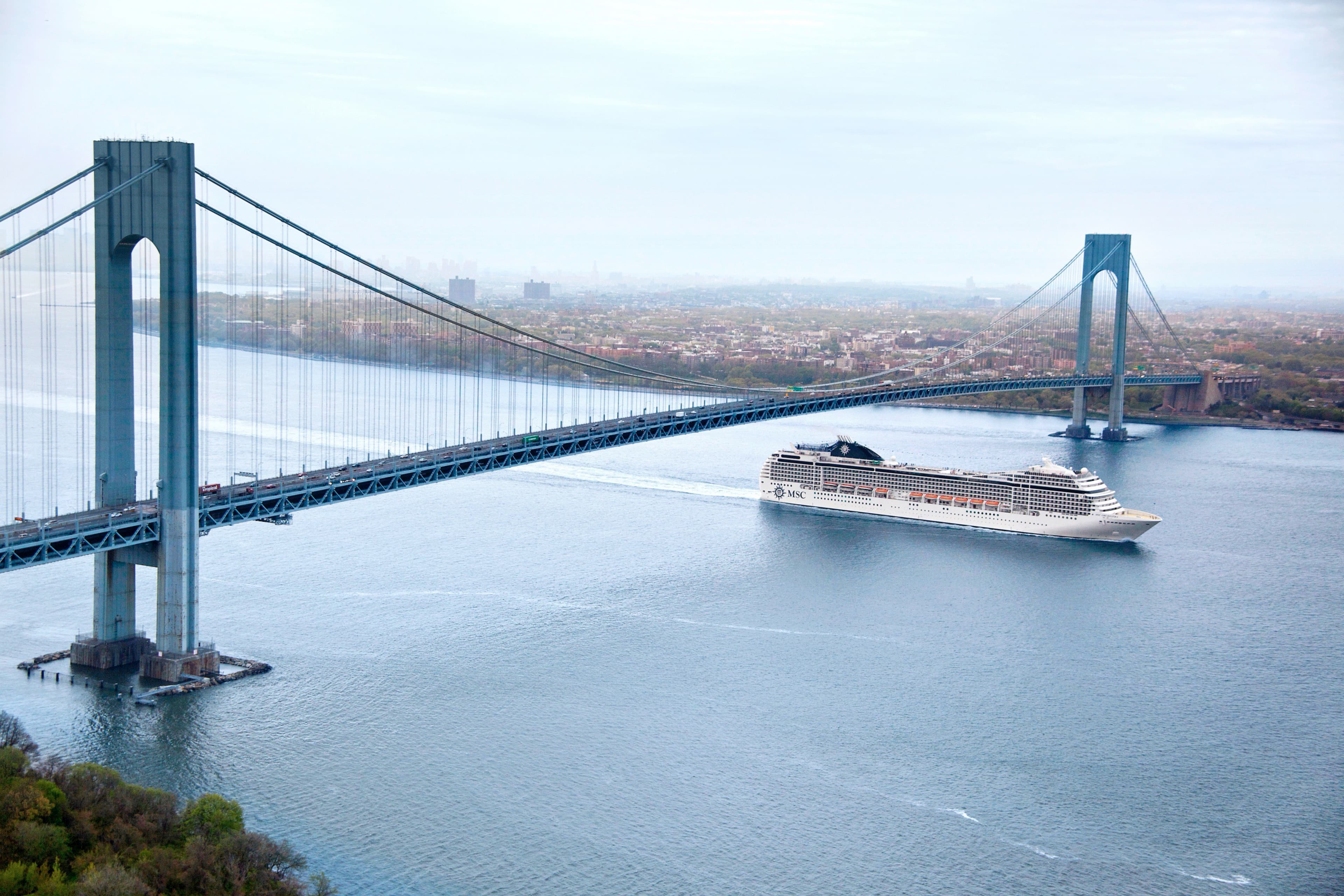
MSC Orchestra
Musica · 92K톤 · 3,223명 수용
2개국 · 7곳
Italy · Greece
2개 등급 · 45개 객실
Solo 1인 가능 · 식사·엔터
한국어 안내
예약·결제·승선 7일까지
여정 소개
Combining spacious, elegant interiors with fine dining, varied entertainment programme and high-quality, resort-style amenities, MSC Orchestra promises you a dream cruise. With a choice of countless different ways to relax and enjoy yourself each day, life aboard can be just what you want it to be.
항해 일정
총 7개 기항지 · 7박8일
 Day 1Italy
Bari
출항 19:00 (출발)
도시 가이드 펼쳐보기▾▴
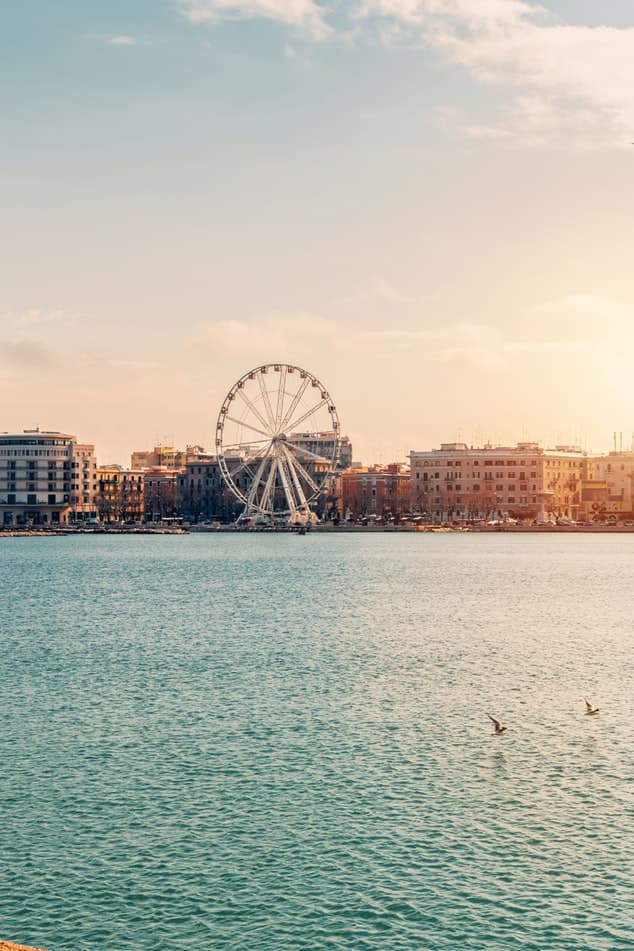
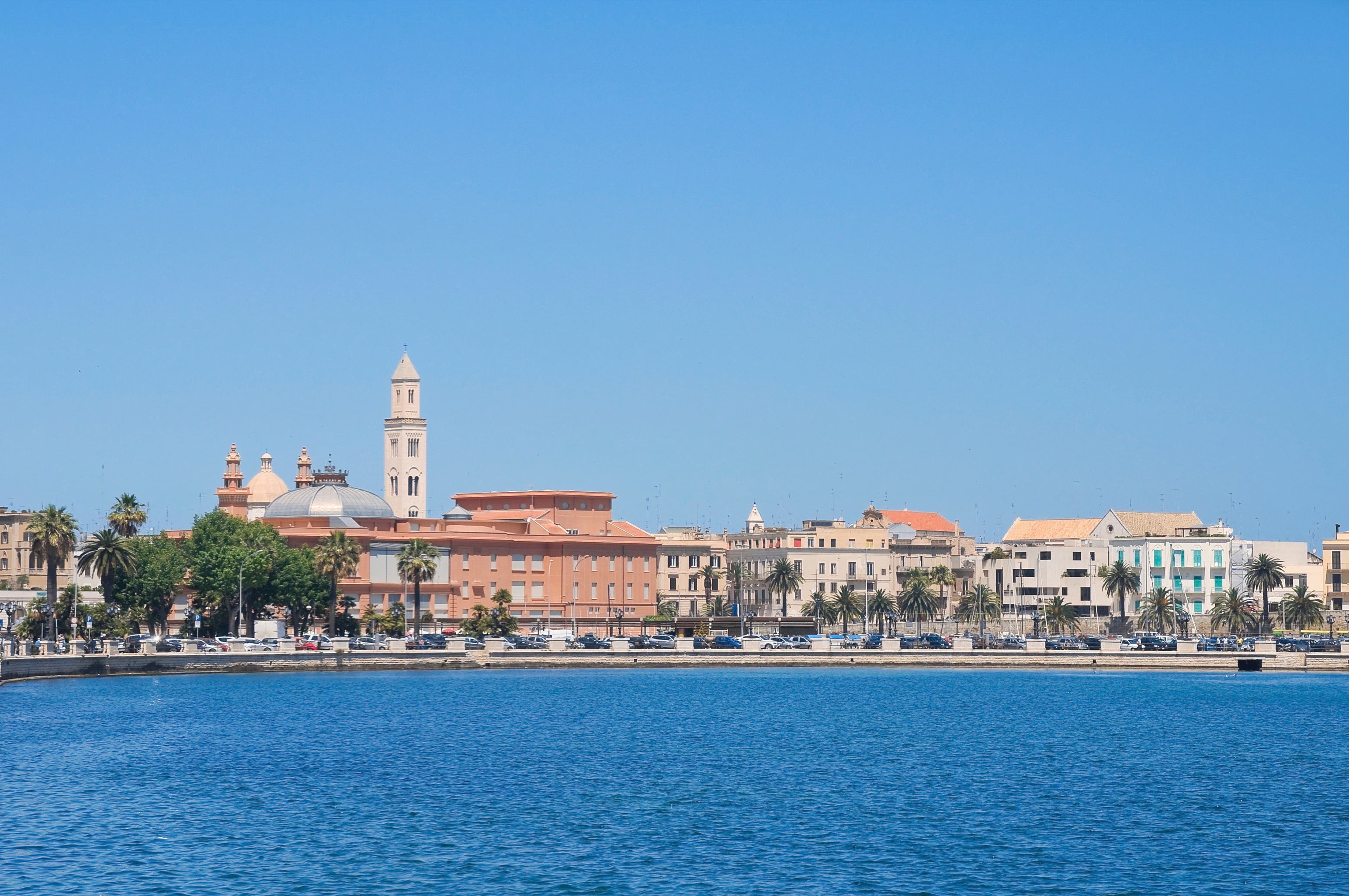
Bari, capital of the province of Apulia, lies on southern Italy's Adriatic coast. Its busy port is a leading commercial and industrial centre as well as a transit point for travellers catching ferries across the Adriatic to Greece. Bari comprises a new and an old town. To the north, on a promontory between the old and new harbours, lies the picturesque old town, or Citta Vecchia, with a maze of narrow, crooked streets. To the south is the spacious and regularly planned new town, which has developed considerably since 1930, when the Levant Fair was first held here. The heart of the modern town is Piazza della Liberta. The busy thoroughfare, Corso Vittorio Emanuele II, separates the new town from the old. At the eastern end of the Corso begins the Lungomare Nazario Sauro, a magnificent seafront promenade that runs along the old harbour. Bari and the Apulian region were long recognized for their strategic location, attracting a succession of colonizers such as the Normans, Moors and Spaniards, each leaving their mark.
📷 3장 사진지도에서 보기 →📷 Bari 사진 더 보기▾

 Day 3Greece
Mykonos
입항 08:00 · 출항 22:00
도시 가이드 펼쳐보기▾▴
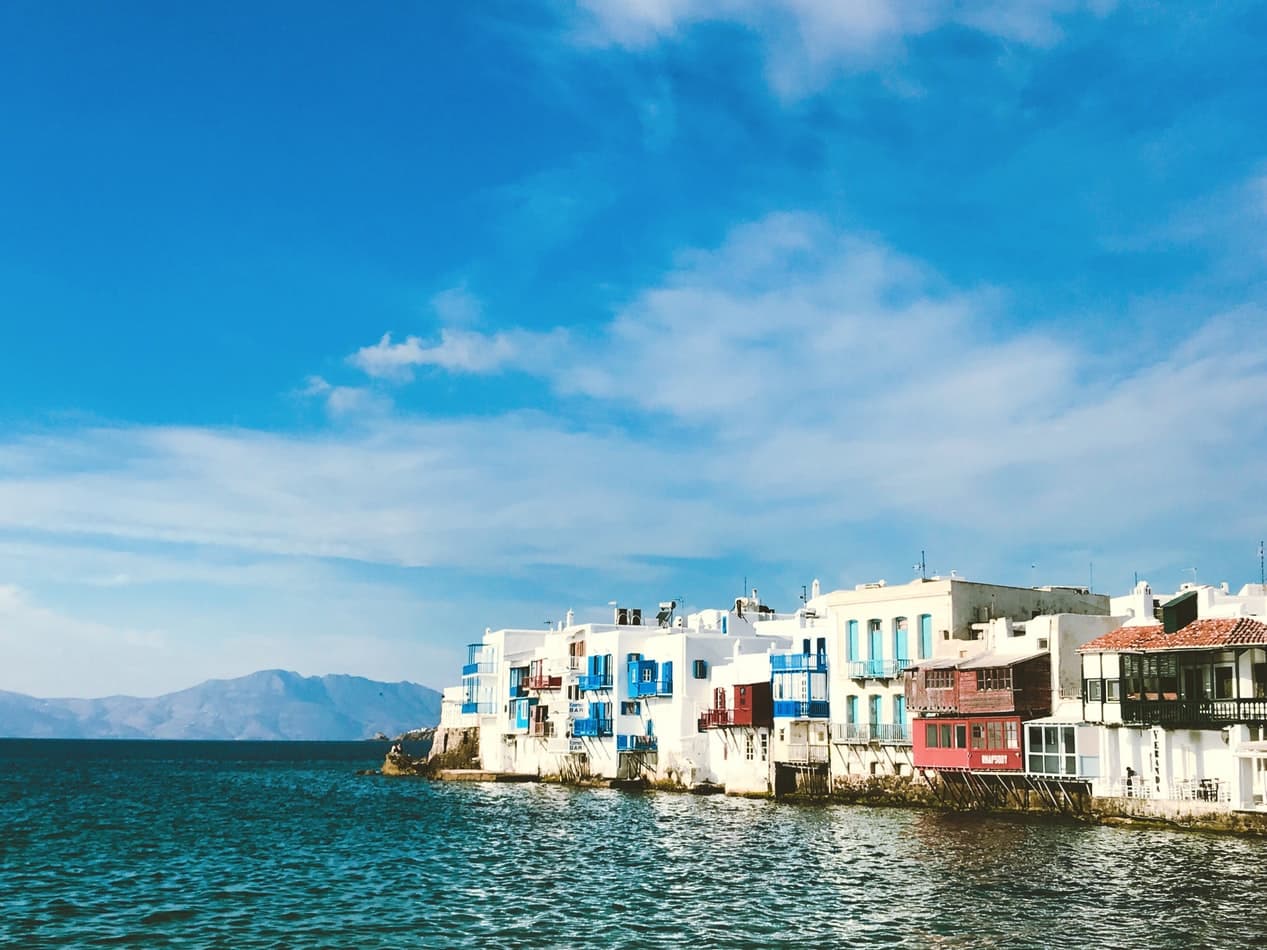
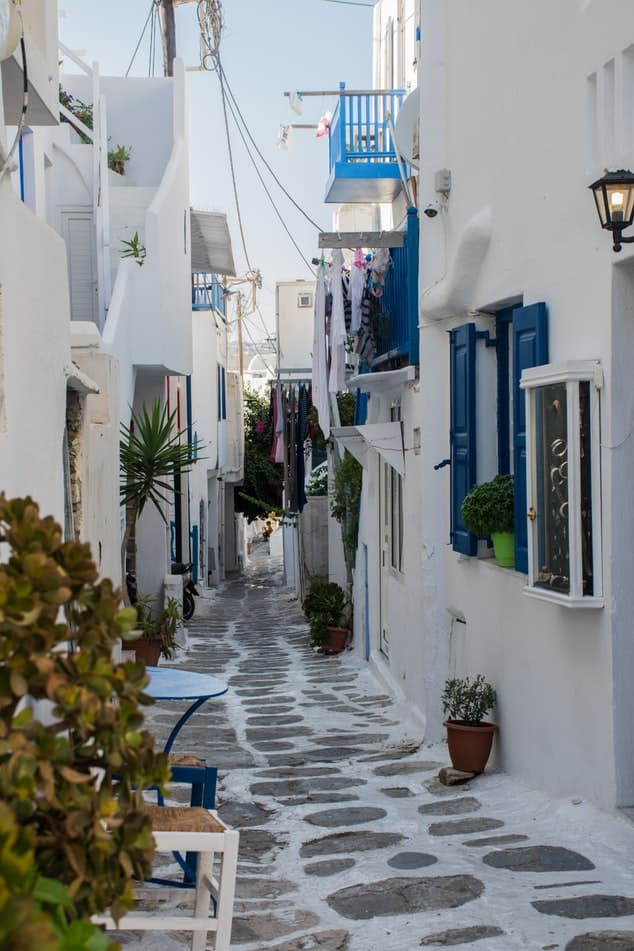
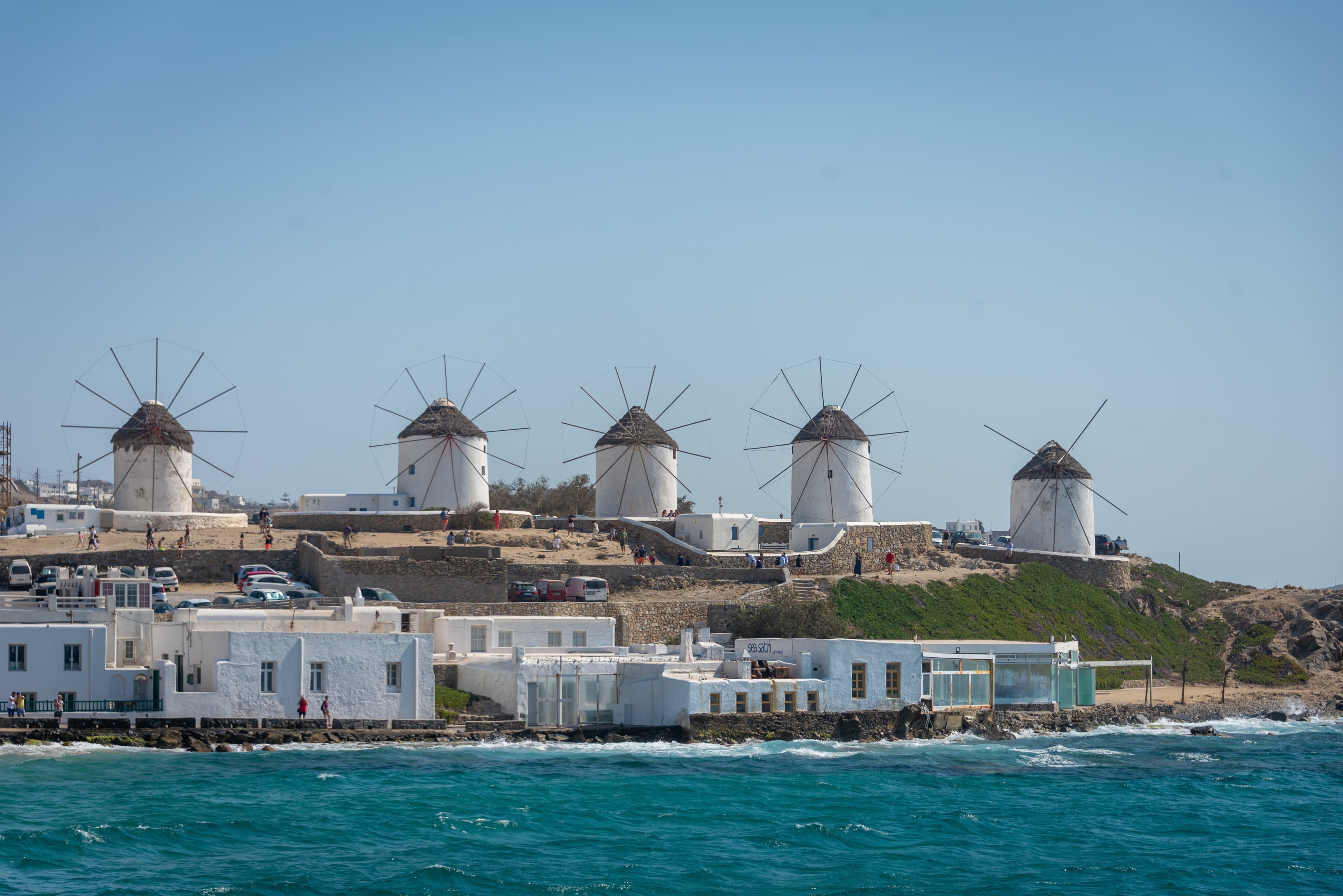
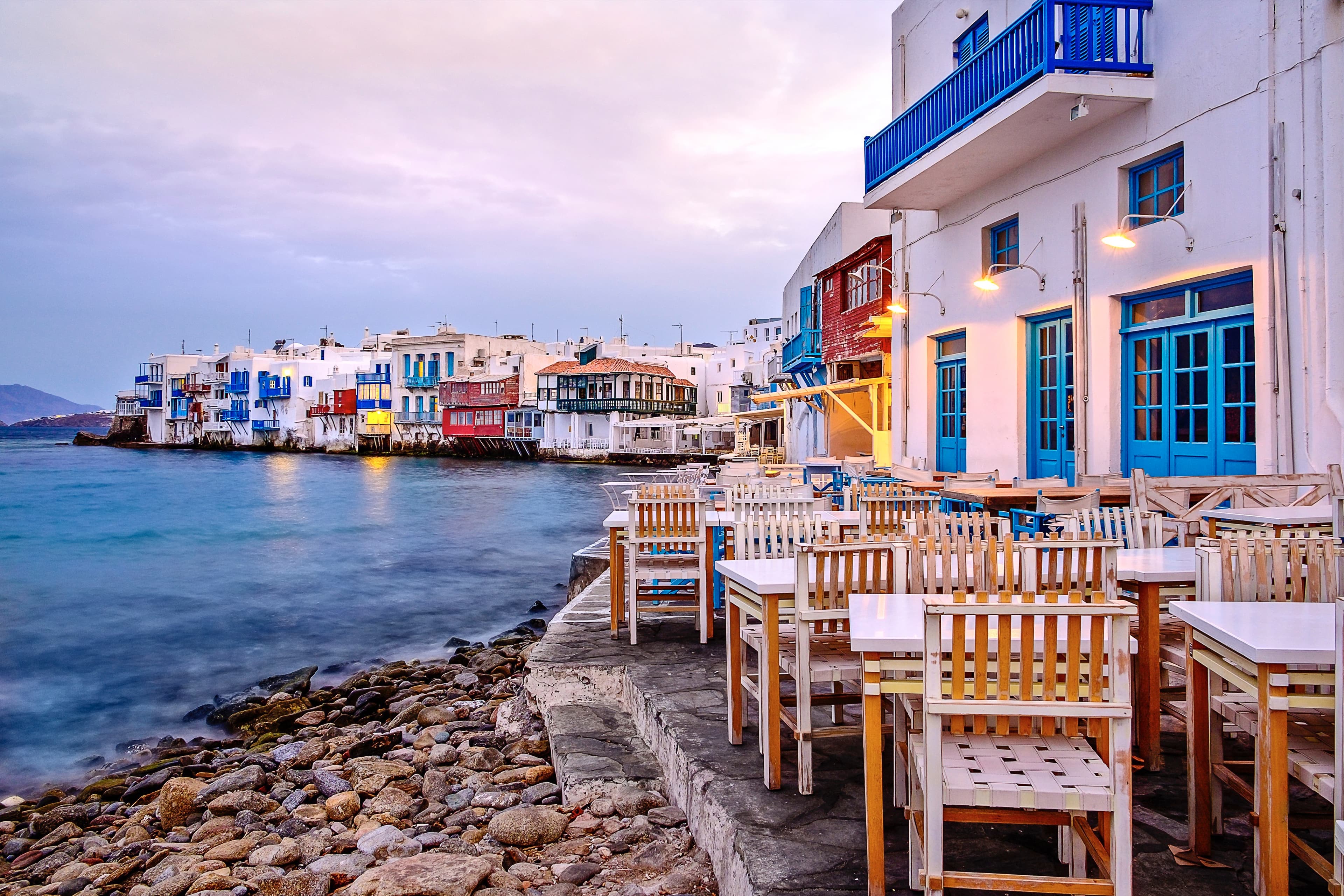
Although the fishing boats still go out in good weather, Mykonos largely makes its living from tourism these days. The summer crowds have turned one of the poorest islands in Greece into one of the richest. Old Mykonians complain that their young, who have inherited stores where their grandfathers once sold eggs or wine, get so much rent that they have lost ambition, and in summer sit around pool bars at night with their friends, and hang out in Athens in winter when island life is less scintillating. Put firmly on the map by Jackie O in the 1960s, Mykonos town—called Hora by the locals—remains the Saint-Tropez of the Greek islands. The scenery is memorable, with its whitewashed streets, Little Venice, the Kato Myli ridge of windmills, and Kastro, the town's medieval quarter. Its cubical two- or three-story houses and churches, with their red or blue doors and domes and wooden balconies, have been long celebrated as some of the best examples of classic Cycladic architecture. Luckily, the Greek Archaeological Service decided to preserve the town, even when the Mykonians would have preferred to rebuild, and so the Old Town has been impressively preserved. Pink oleander, scarlet hibiscus, and trailing green pepper trees form a contrast amid the dazzling whiteness, whose frequent renewal with whitewash is required by law. Any visitor who has the pleasure of getting lost in its narrow streets (made all the narrower by the many outdoor stone staircases, which maximize housing space in the crowded village) will appreciate how its confusing layout was designed to foil pirates—if it was designed at all. After Mykonos fell under Turkish rule in 1537, the Ottomans allowed the islanders to arm their vessels against pirates, which had a contradictory effect: many of them found that raiding other islands was more profitable than tilling arid land. At the height of Aegean piracy, Mykonos was the principal headquarters of the corsair fleets—the place where pirates met their fellows, found willing women, and filled out their crews. Eventually the illicit activity evolved into a legitimate and thriving trade network. Morning on Mykonos town's main quay is busy with deliveries, visitors for the Delos boats, lazy breakfasters, and street cleaners dealing with the previous night's mess. In late morning the cruise-boat people arrive, and the shops are all open. In early afternoon, shaded outdoor tavernas are full of diners eating salads (Mykonos's produce is mostly imported); music is absent or kept low. In mid- and late afternoon, the town feels sleepy, since so many people are at the beach, on excursions, or sleeping in their air-conditioned rooms; even some tourist shops close for siesta. By sunset, people have come back from the beach, having taken their showers and rested. At night, the atmosphere in Mykonos ramps up. The cruise-boat people are mostly gone, coughing three-wheelers make no deliveries in the narrow streets, and everyone is dressed sexy for summer and starting to shimmy with the scene. Many shops stay open past midnight, the restaurants fill up, and the bars and discos make ice cubes as fast as they can. Ready to dive in? Begin your tour of Mykonos town (Hora) by starting out at its heart: Mando Mavrogenous Square.
📷 7장 사진지도에서 보기 →📷 Mykonos 사진 더 보기▾
 Day 4Greece
Piraeus
입항 07:00 · 출항 18:00
도시 가이드 펼쳐보기▾▴
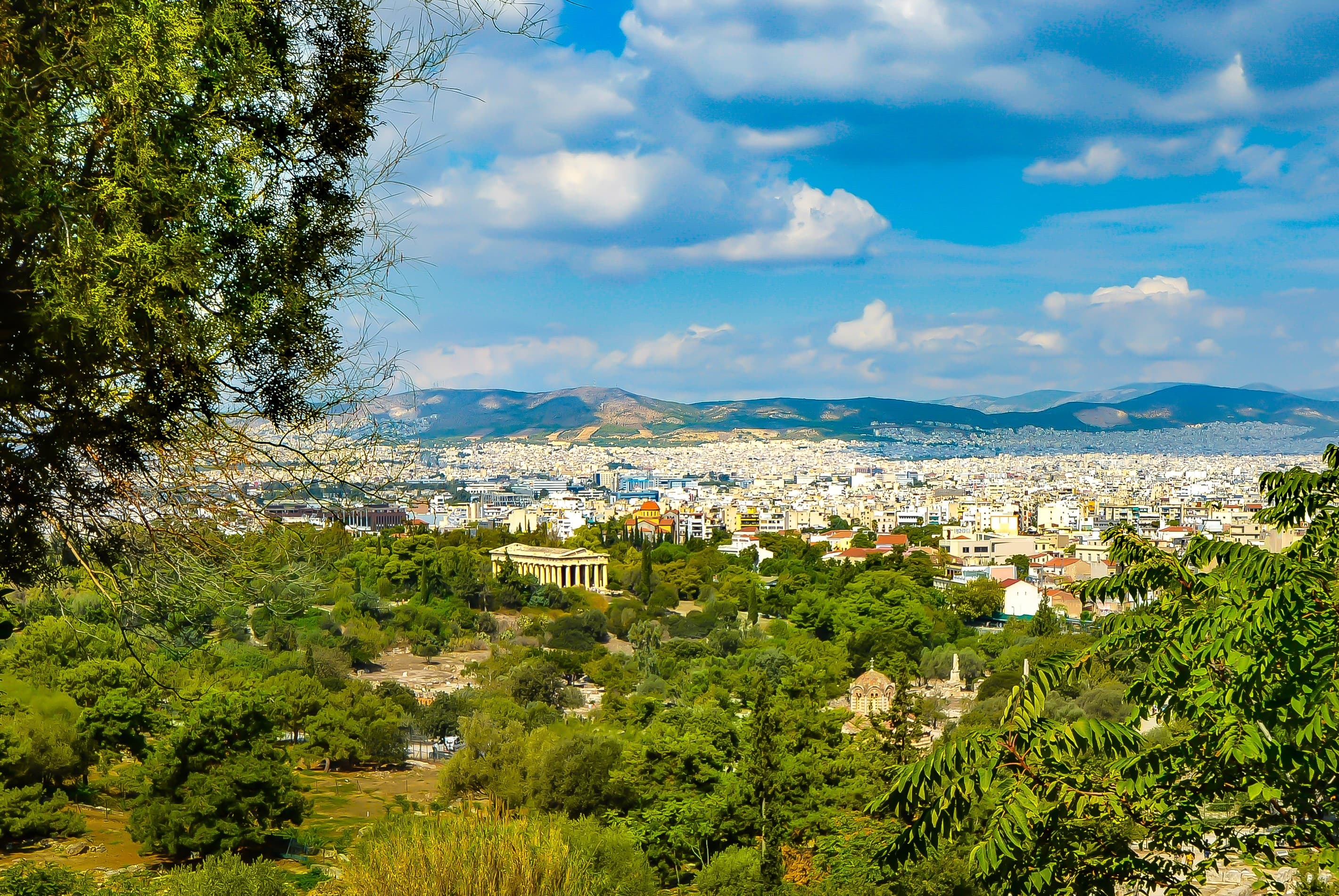
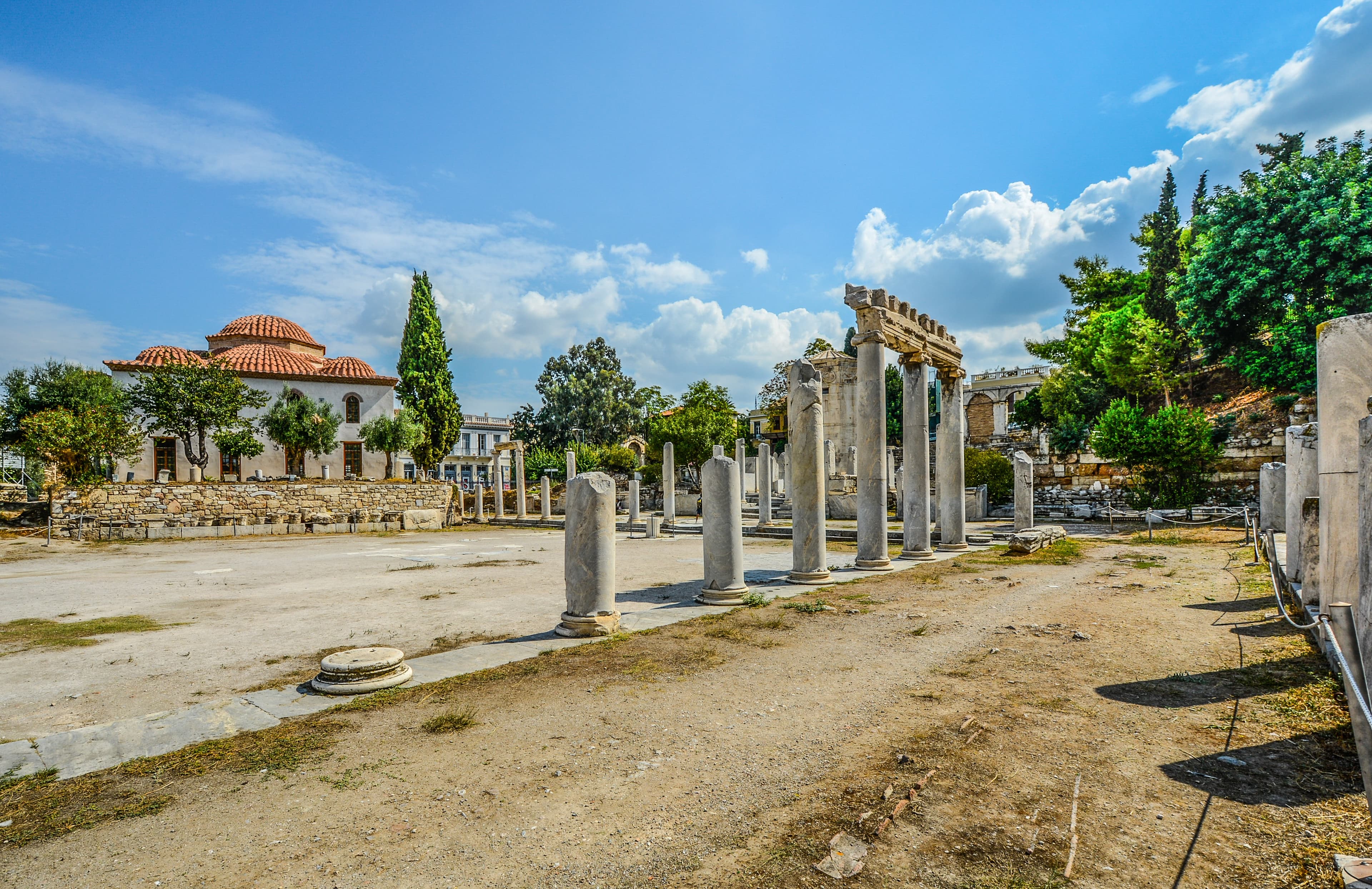
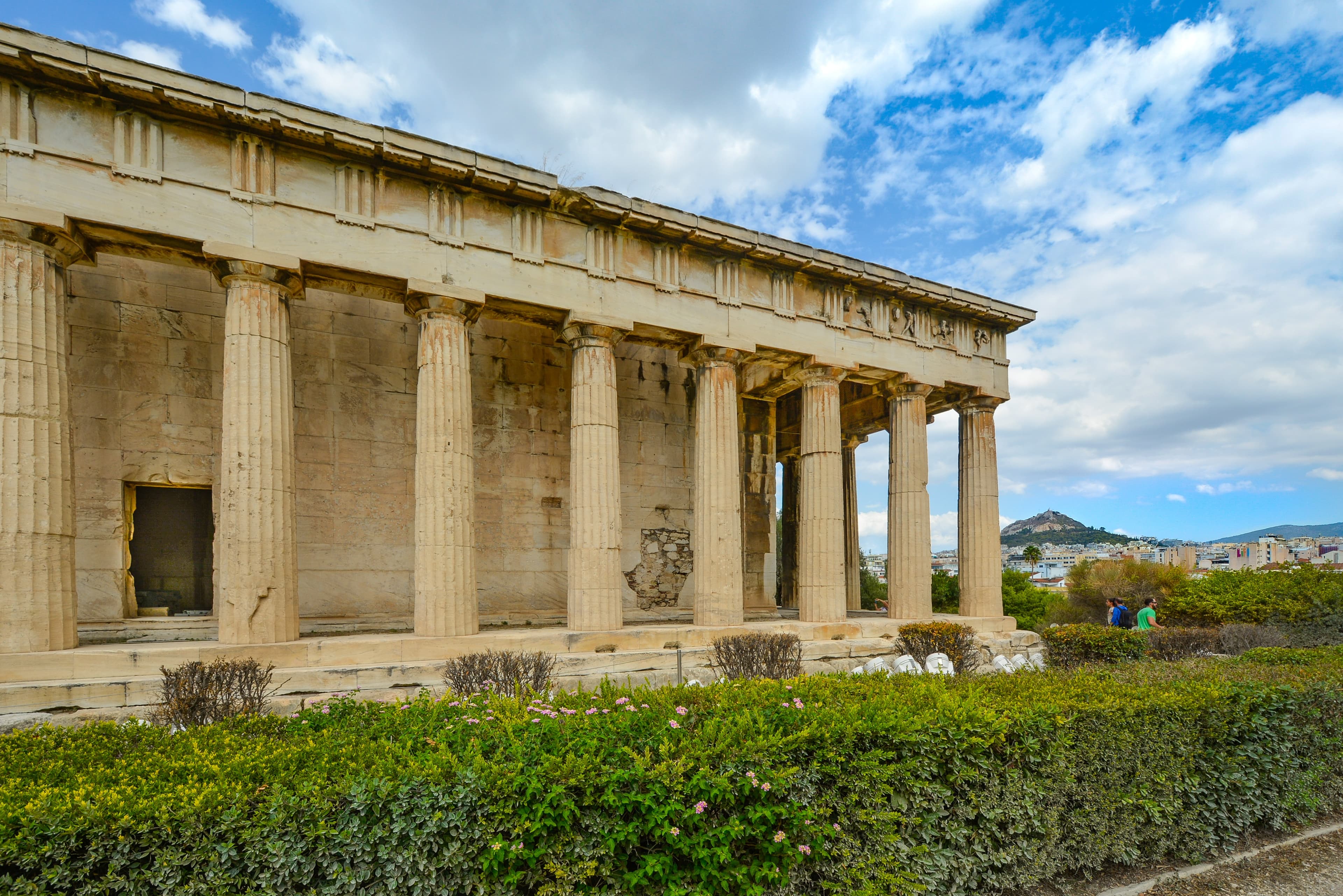
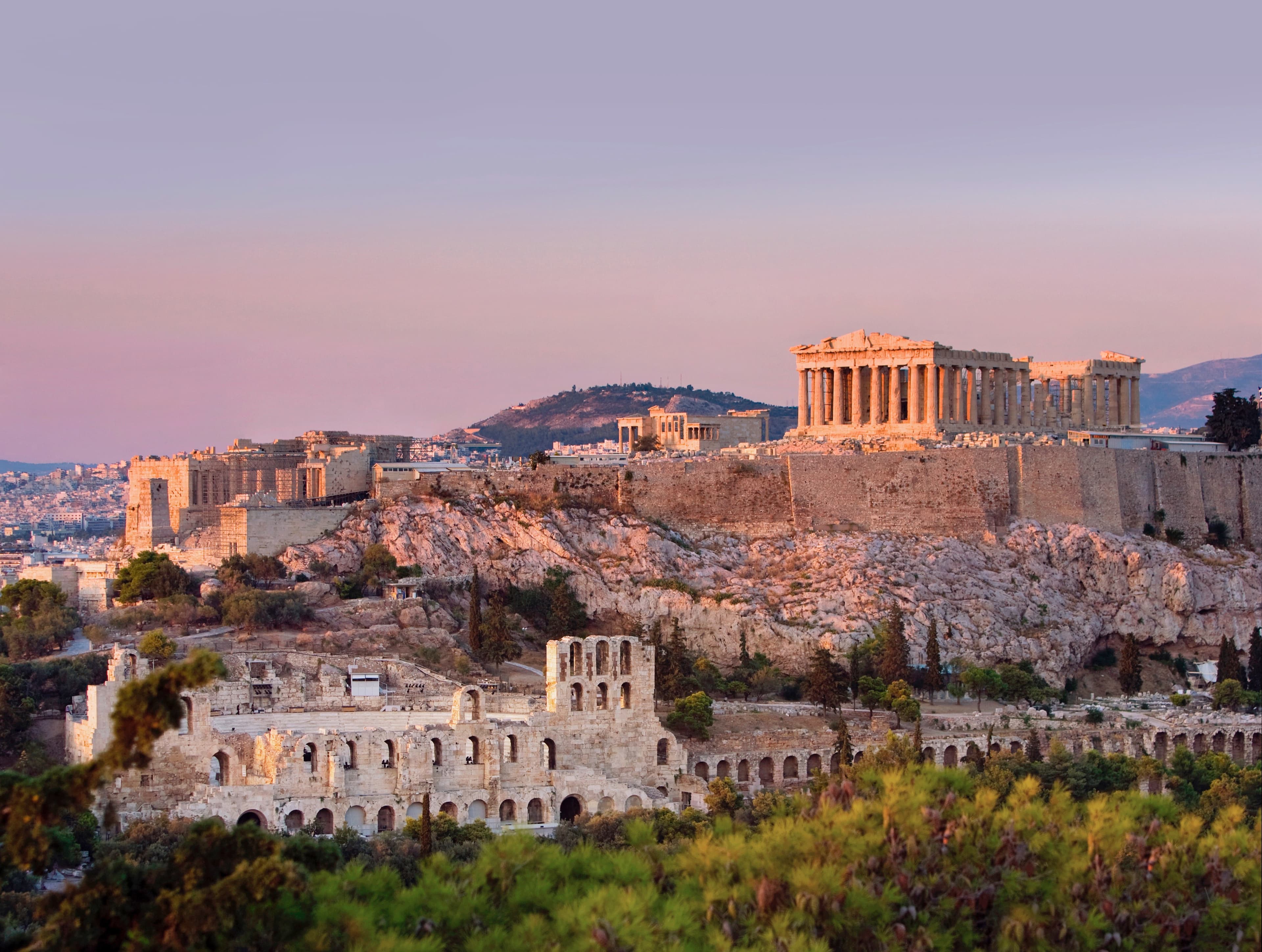
It's no wonder that all roads lead to the fascinating and maddening metropolis of Athens. Lift your eyes 200 feet above the city to the Parthenon, its honey-color marble columns rising from a massive limestone base, and you behold architectural perfection that has not been surpassed in 2,500 years. But, today, this shrine of classical form dominates a 21st-century boomtown. To experience Athens—Athína in Greek—fully is to understand the essence of Greece: ancient monuments surviving in a sea of cement, startling beauty amid the squalor, tradition juxtaposed with modernity. Locals depend on humor and flexibility to deal with the chaos; you should do the same. The rewards are immense. Although Athens covers a huge area, the major landmarks of the ancient Greek, Roman, and Byzantine periods are close to the modern city center. You can easily walk from the Acropolis to many other key sites, taking time to browse in shops and relax in cafés and tavernas along the way. From many quarters of the city you can glimpse "the glory that was Greece" in the form of the Acropolis looming above the horizon, but only by actually climbing that rocky precipice can you feel the impact of the ancient settlement. The Acropolis and Filopappou, two craggy hills sitting side by side; the ancient Agora (marketplace); and Kerameikos, the first cemetery, form the core of ancient and Roman Athens. Along the Unification of Archaeological Sites promenade, you can follow stone-paved, tree-lined walkways from site to site, undisturbed by traffic. Cars have also been banned or reduced in other streets in the historical center. In the National Archaeological Museum, vast numbers of artifacts illustrate the many millennia of Greek civilization; smaller museums such as the Goulandris Museum of Cycladic Art Museum and the Byzantine and Christian Museum illuminate the history of particular regions or periods. Athens may seem like one huge city, but it is really a conglomeration of neighborhoods with distinctive characters. The Eastern influences that prevailed during the 400-year rule of the Ottoman Empire are still evident in Monastiraki, the bazaar area near the foot of the Acropolis. On the northern slope of the Acropolis, stroll through Plaka (if possible by moonlight), an area of tranquil streets lined with renovated mansions, to get the flavor of the 19th-century's gracious lifestyle. The narrow lanes of Anafiotika, a section of Plaka, thread past tiny churches and small, color-washed houses with wooden upper stories, recalling a Cycladic island village. In this maze of winding streets, vestiges of the older city are everywhere: crumbling stairways lined with festive tavernas; dank cellars filled with wine vats; occasionally a court or diminutive garden, enclosed within high walls and filled with magnolia trees and the flaming trumpet-shaped flowers of hibiscus bushes. Formerly run-down old quarters, such as Thission, Gazi and Psirri, popular nightlife areas filled with bars and mezedopoleia (similar to tapas bars), are now in the process of gentrification, although they still retain much of their original charm, as does the colorful produce and meat market on Athinas. The area around Syntagma Square, the tourist hub, and Omonia Square, the commercial heart of the city about 1 km (½ mi) northwest, is distinctly European, having been designed by the court architects of King Otho, a Bavarian, in the 19th century. The chic shops and bistros of ritzy Kolonaki nestle at the foot of Mt. Lycabettus, Athens's highest hill (909 feet). Each of Athens's outlying suburbs has a distinctive character: in the north is wealthy, tree-lined Kifissia, once a summer resort for aristocratic Athenians, and in the south and southeast lie Glyfada, Voula, and Vouliagmeni, with their sandy beaches, seaside bars, and lively summer nightlife. Just beyond the city's southern fringes is Piraeus, a bustling port city of waterside fish tavernas and Saronic Gulf views.
📷 8장 사진지도에서 보기 →📷 Piraeus 사진 더 보기▾



 Day 5Greece
Katakolon
입항 09:00 · 출항 19:00
도시 가이드 펼쳐보기▾▴
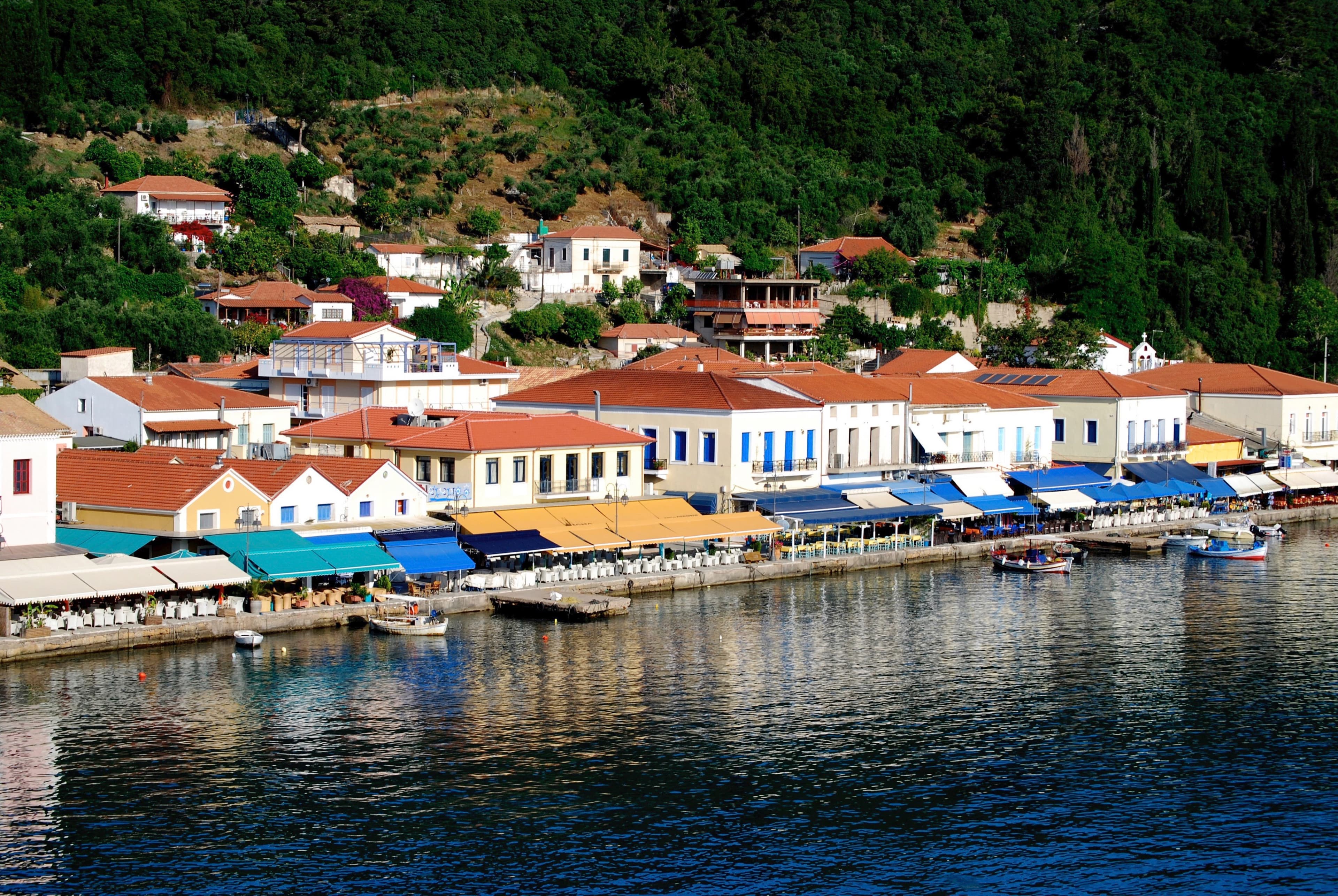
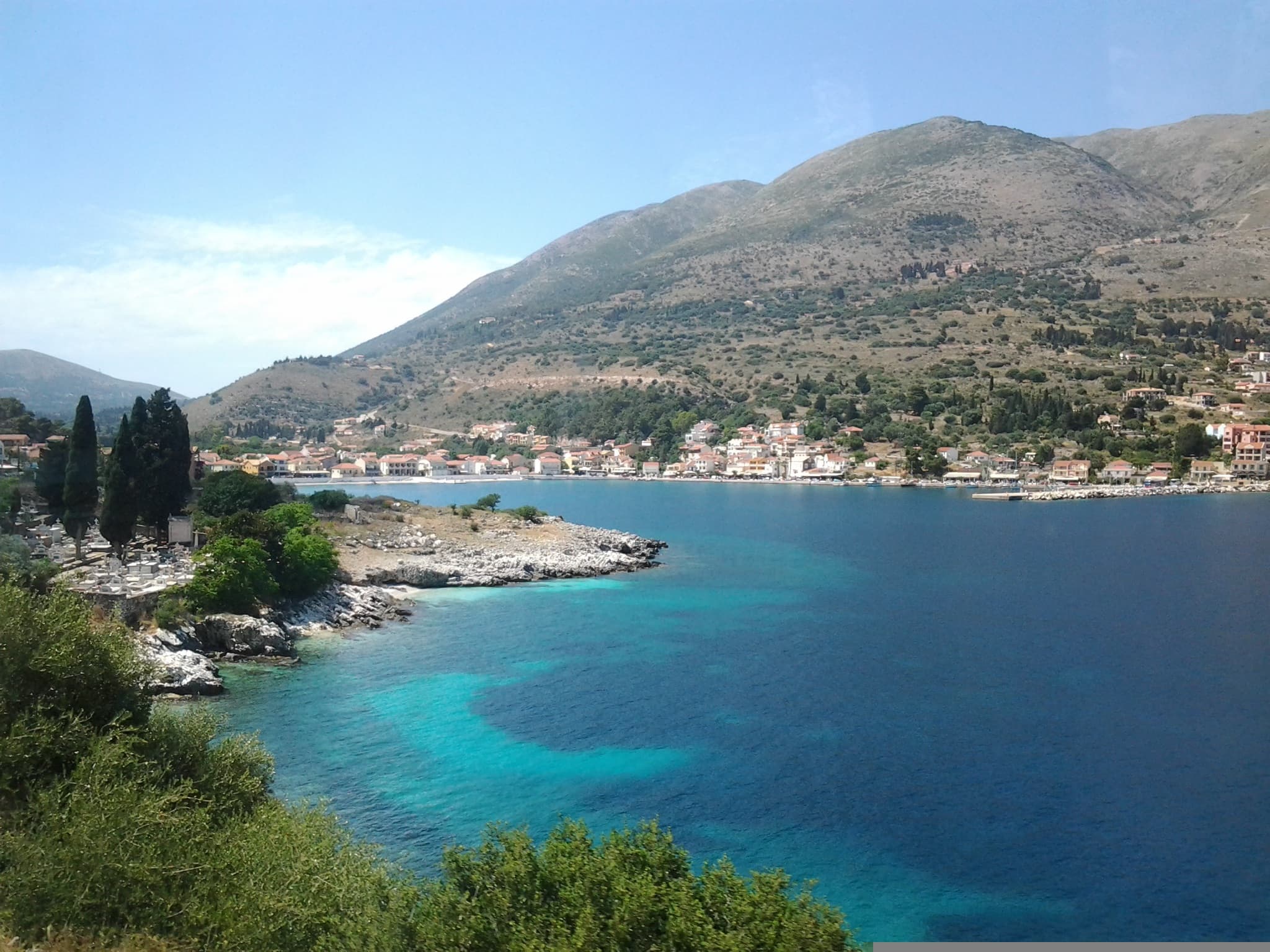
Katakolon could not seem less of a cruise port if it tried. A tiny enclave clinging to the western Peloponnese coast, it's a sleepy place except when ships dock. But it's a popular cruise destination because of its proximity to Olympia. Ancient Olympia was one of the most important cities in classical Greece. The Sanctuary of Zeus was the city's raison d'être, and attracted pilgrims from around the eastern Mediterranean, and later the city played host to Olympic Games, the original athletic games that were the inspiration for today's modern sporting pan-planetary meet. At the foot of the tree-covered Kronion hill, in a valley near two rivers, Katakolon is today one of the most popular ancient sites in Greece. If you don't want to make the trip to Olympia, then Katakolon is an ideal place for a leisurely Greek lunch while you watch the fishermen mend their nets, but there's just not much else to do there.
📷 3장 사진지도에서 보기 →📷 Katakolon 사진 더 보기▾

 Day 6Greece
Argostoli
입항 09:00 · 출항 19:00
도시 가이드 펼쳐보기▾▴
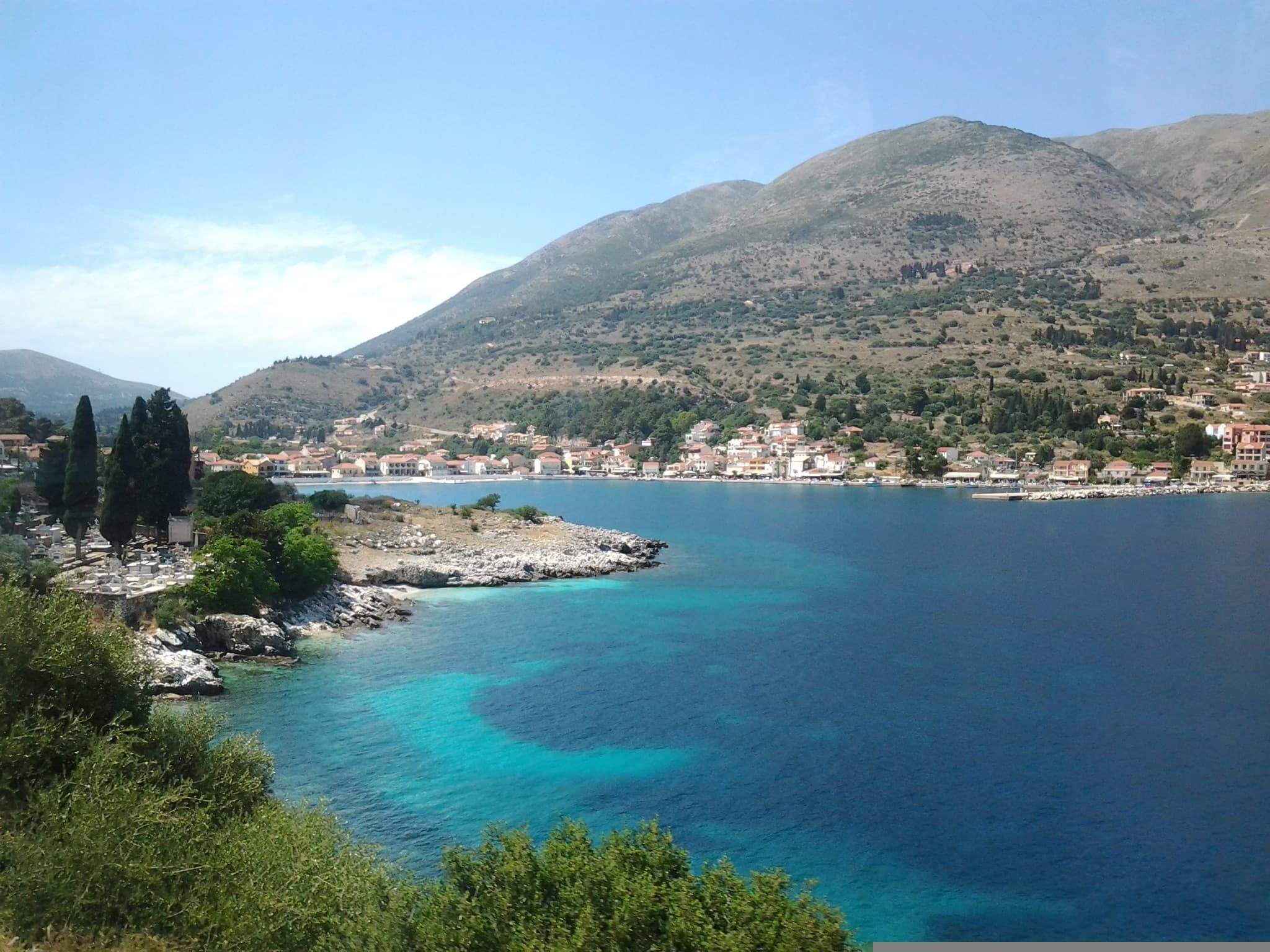
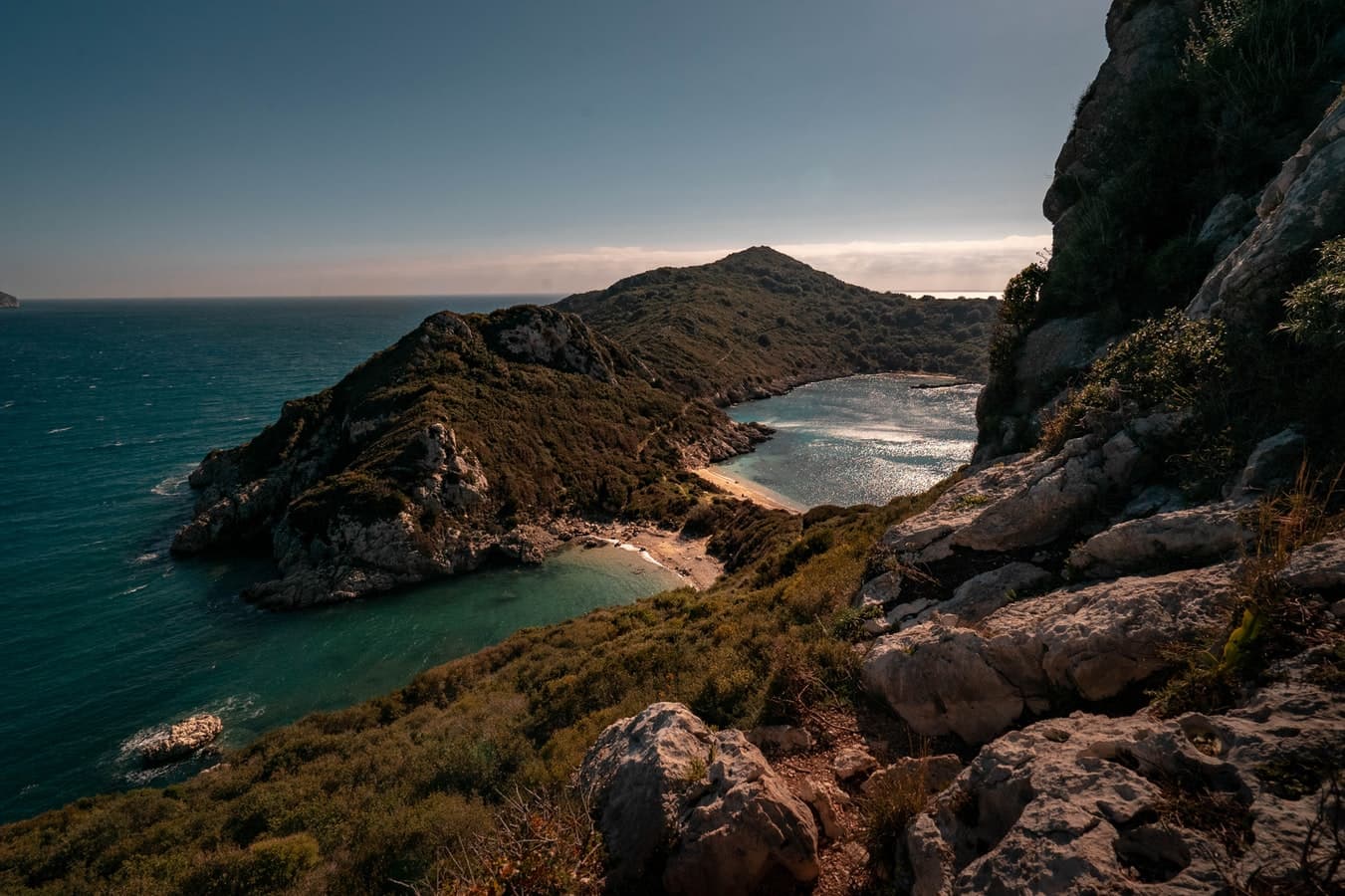
Ground literally to ashes in World War II and wracked by a massive earthquake a decade later, the capital of Kefalonia once more shows pride in its native spirit and natural beauty. The vast harbor on Argostoli’s east side makes an especially attractive port for cruise ships full of visitors who never seem to tire of strolling the cobbled seaside promenade, sipping ouzos in cafés, and stocking up on the succulent Mediterranean fruits in the outdoor markets.
📷 2장 사진지도에서 보기 →📷 Argostoli 사진 더 보기▾
 Day 7Greece
Corfu
입항 08:00 · 출항 19:00
도시 가이드 펼쳐보기▾▴
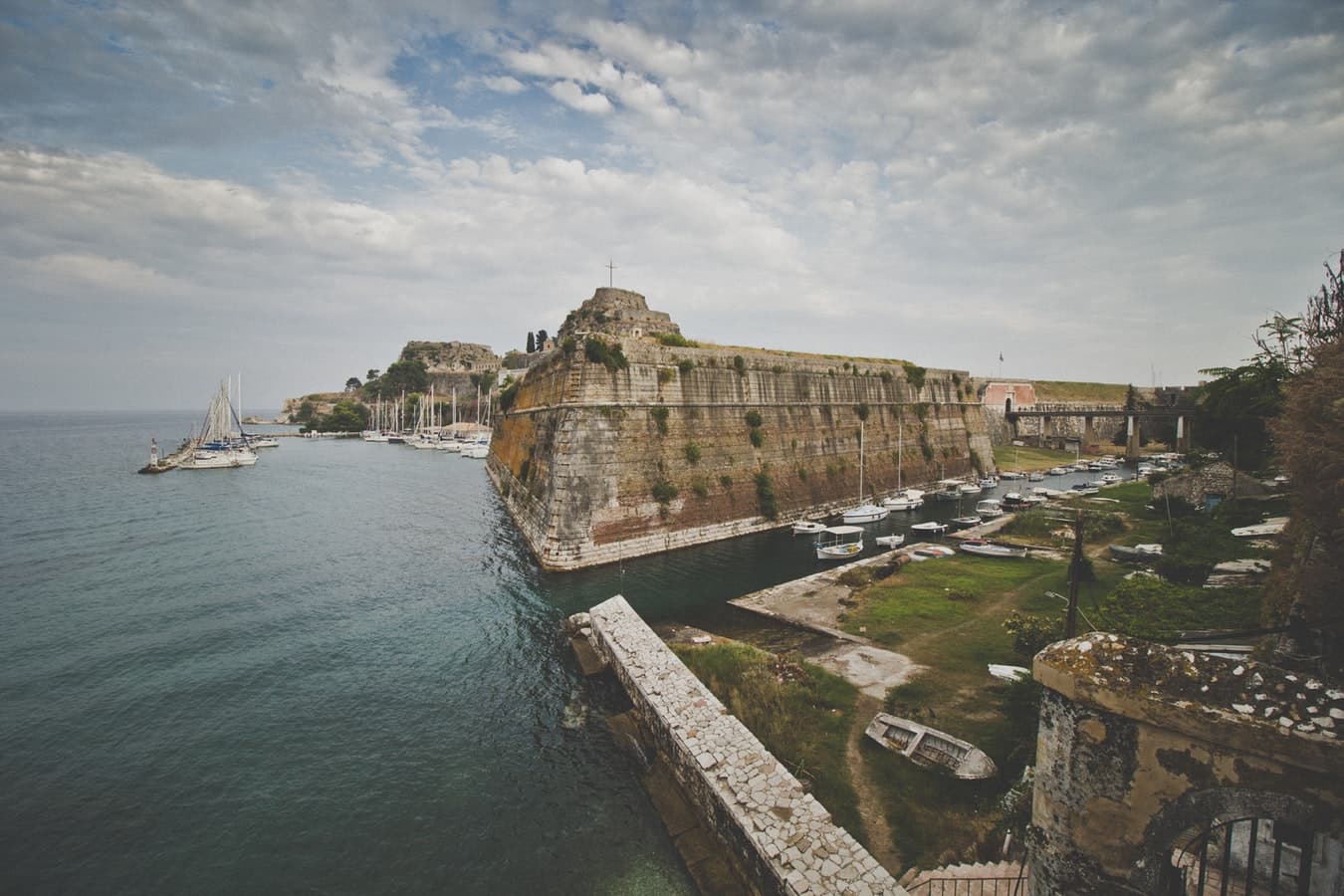
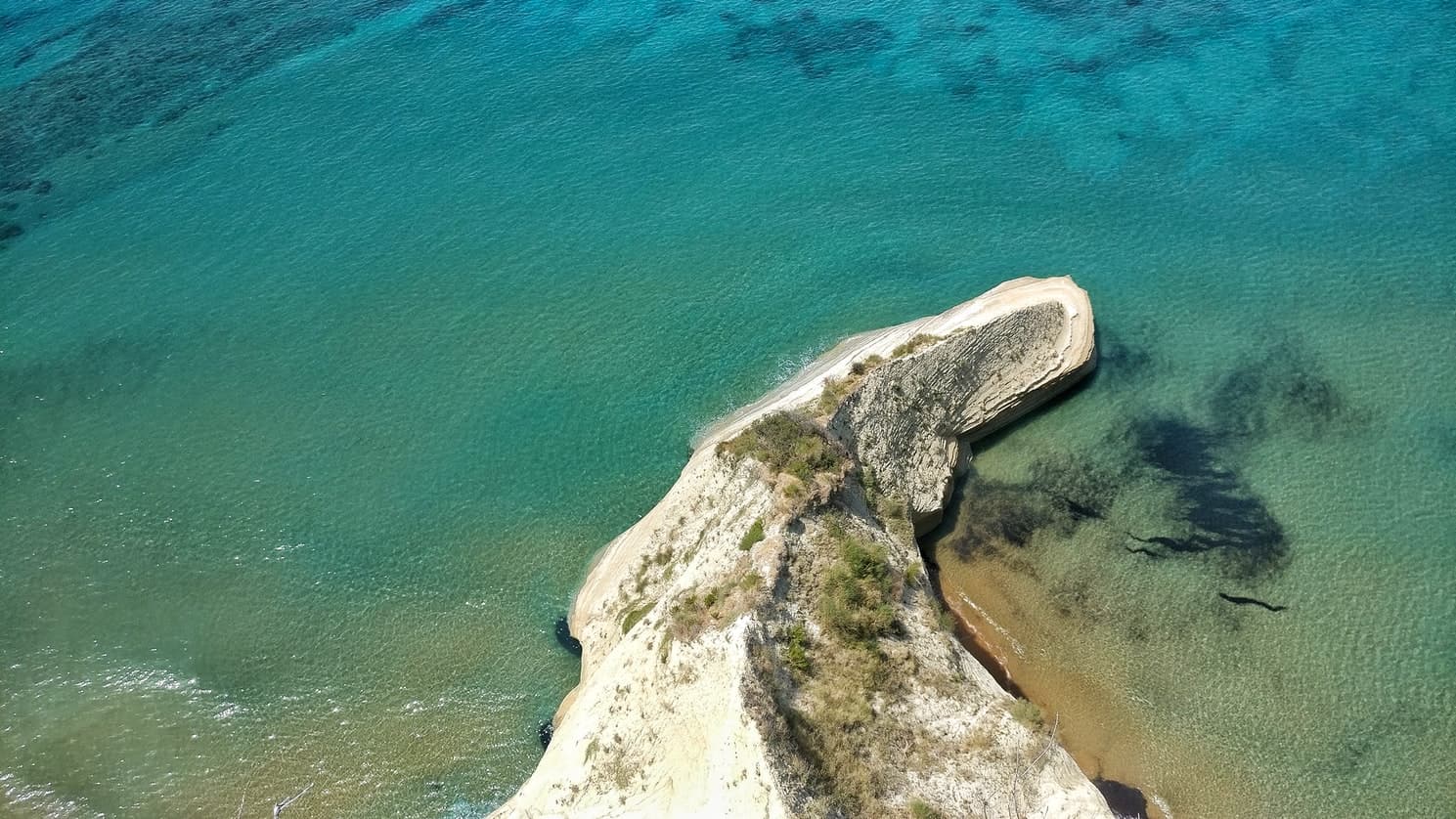
Corfu town today is a vivid tapestry of cultures—a sophisticated weave, where charm, history, and natural beauty blend. Located about midway along the island's east coast, this spectacularly lively capital is the cultural heart of Corfu and has a remarkable historic center that UNESCO designated as a World Heritage Site in 2007. All ships and planes dock or land near Corfu town, which occupies a small peninsula jutting into the Ionian Sea.Whether arriving by ferry from mainland Greece or Italy, from another island, or directly by plane, catch your breath by first relaxing with a coffee or a gelato in Corfu town's shaded Liston Arcade, then stroll the narrow lanes of its pedestrians-only quarter. For an overview of the immediate area, and a quick tour of Mon Repos palace, hop on the little tourist train that runs from May to September. Corfu town has a different feel at night, so book a table at one of its famed tavernas to savor the island's unique cuisine.The best way to get around Corfu town is on foot. The town is small enough so that you can easily walk to every sight. There are local buses, but they do not thread their way into the streets (many now car-free) of the historic center. If you are arriving by ferry or plane, it's best to take a taxi to your hotel. Expect to pay about €10 from the airport or ferry terminal to a hotel in Corfu town. If there are no taxis waiting, you can call for one.
📷 5장 사진지도에서 보기 →📷 Corfu 사진 더 보기▾

- Day 8Italy
Bari
입항 07:00 (도착)
도시 가이드 펼쳐보기▾▴
Bari, capital of the province of Apulia, lies on southern Italy's Adriatic coast. Its busy port is a leading commercial and industrial centre as well as a transit point for travellers catching ferries across the Adriatic to Greece. Bari comprises a new and an old town. To the north, on a promontory between the old and new harbours, lies the picturesque old town, or Citta Vecchia, with a maze of narrow, crooked streets. To the south is the spacious and regularly planned new town, which has developed considerably since 1930, when the Levant Fair was first held here. The heart of the modern town is Piazza della Liberta. The busy thoroughfare, Corso Vittorio Emanuele II, separates the new town from the old. At the eastern end of the Corso begins the Lungomare Nazario Sauro, a magnificent seafront promenade that runs along the old harbour. Bari and the Apulian region were long recognized for their strategic location, attracting a succession of colonizers such as the Normans, Moors and Spaniards, each leaving their mark.
📷 3장 사진지도에서 보기 →📷 Bari 사진 더 보기▾
객실 등급별 가격
Inside·Oceanview·Balcony·Suite + Solo까지 모든 등급을 비교해보세요.
총 45개 등급 · Solo 1인 가능 · $671~ ~ $7,210~
| 등급 | 타입 | 2인 1실 (1인당) |
|---|---|---|
Interior Bella Escape To Sea Cruise Only Bella | Inside (내측) | $1,359~ |
Accomodation with One Cabin Change During the Cruise Escape To Sea Cruise Only | Inside (내측) | $1,359~ |
Deluxe Interior (14 Sqm - Decks 5-11) Escape To Sea Cruise Only | Inside (내측) | $1,389~ |
Deluxe Interior (14 Sqm - Decks 12-15) Escape To Sea Cruise Only | Inside (내측) | $1,399~ |
Ocean View Bella Escape To Sea Cruise Only Bella | Oceanview (오션뷰) | $1,479~ |
Deluxe Ocean View with Obstructed View (Obstructed View - 16 Sqm - Decks 8) Escape To Sea Cruise Only | Oceanview (오션뷰) | $1,489~ |
Deluxe Ocean View (16 Sqm - Decks 5) Escape To Sea Cruise Only | Oceanview (오션뷰) | $1,519~ |
Deluxe Ocean View (16 Sqm - Decks 8) Escape To Sea Cruise Only | Oceanview (오션뷰) | $1,529~ |
Balcony Bella Escape To Sea Cruise Only Bella | Balcony (발코니) | $1,579~ |
Deluxe Balcony with Partial View (Partial View - 18 Sqm - Balcony 5 Sqm - Decks 12) Escape To Sea Cruise Only | Balcony (발코니) | $1,599~ |
Deluxe Balcony (15 Sqm - Balcony 5 Sqm - Decks 8-9) Escape To Sea Cruise Only | Balcony (발코니) | $1,669~ |
Deluxe Balcony (15 Sqm - Balcony 5 Sqm - Decks 10-15) Escape To Sea Cruise Only | Balcony (발코니) | $1,689~ |
Premium Balcony (18 Sqm - Balcony 5 Sqm - Decks 8-9) Escape To Sea Cruise Only | Balcony (발코니) | $1,729~ |
Premium Balcony (18 Sqm - Balcony 5 Sqm - Decks 10-12 and 15) Escape To Sea Cruise Only | Balcony (발코니) | $1,739~ |
Interior Bella Drinks And Wifi Included Bella | Inside (내측) | $1,751~ |
Accomodation with One Cabin Change During the Cruise Drinks And Wifi Included | Inside (내측) | $1,751~ |
Deluxe Interior (14 Sqm - Decks 5-11) Drinks And Wifi Included | Inside (내측) | $1,781~ |
Deluxe Interior (14 Sqm - Decks 12-15) Drinks And Wifi Included | Inside (내측) | $1,791~ |
Ocean View Bella Drinks And Wifi Included Bella | Oceanview (오션뷰) | $1,871~ |
Deluxe Balcony Aurea (18 Sqm - Balcony 5 Sqm - Decks 9-11) Escape To Sea Cruise Only Aurea | Balcony (발코니) | $1,879~ |
Deluxe Ocean View with Obstructed View (Obstructed View - 16 Sqm - Decks 8) Drinks And Wifi Included | Oceanview (오션뷰) | $1,881~ |
Deluxe Ocean View (16 Sqm - Decks 5) Drinks And Wifi Included | Oceanview (오션뷰) | $1,911~ |
Deluxe Ocean View (16 Sqm - Decks 8) Drinks And Wifi Included | Oceanview (오션뷰) | $1,921~ |
Balcony Bella Drinks And Wifi Included Bella | Balcony (발코니) | $1,971~ |
Deluxe Balcony with Partial View (Partial View - 18 Sqm - Balcony 5 Sqm - Decks 12) Drinks And Wifi Included | Balcony (발코니) | $1,991~ |
Deluxe Balcony (15 Sqm - Balcony 5 Sqm - Decks 8-9) Drinks And Wifi Included | Balcony (발코니) | $2,061~ |
Deluxe Balcony (15 Sqm - Balcony 5 Sqm - Decks 10-15) Drinks And Wifi Included | Balcony (발코니) | $2,081~ |
Premium Balcony (18 Sqm - Balcony 5 Sqm - Decks 8-9) Drinks And Wifi Included | Balcony (발코니) | $2,121~ |
Premium Balcony (18 Sqm - Balcony 5 Sqm - Decks 10-12 and 15) Drinks And Wifi Included | Balcony (발코니) | $2,131~ |
Deluxe Balcony Aurea (18 Sqm - Balcony 5 Sqm - Decks 9-11) Drinks And Wifi Included Aurea | Balcony (발코니) | $2,271~ |
Interior Bella Brochure Rates Bella | Inside (내측) | $2,518~ |
Accomodation with One Cabin Change During the Cruise Brochure Rates | Inside (내측) | $2,518~ |
Deluxe Interior (14 Sqm - Decks 5-11) Brochure Rates | Inside (내측) | $2,578~ |
Deluxe Interior (14 Sqm - Decks 12-15) Brochure Rates | Inside (내측) | $2,598~ |
Ocean View Bella Brochure Rates Bella | Oceanview (오션뷰) | $2,758~ |
Deluxe Ocean View with Obstructed View (Obstructed View - 16 Sqm - Decks 8) Brochure Rates | Oceanview (오션뷰) | $2,778~ |
Deluxe Ocean View (16 Sqm - Decks 5) Brochure Rates | Oceanview (오션뷰) | $2,838~ |
Deluxe Ocean View (16 Sqm - Decks 8) Brochure Rates | Oceanview (오션뷰) | $2,858~ |
Balcony Bella Brochure Rates Bella | Balcony (발코니) | $2,958~ |
Deluxe Balcony with Partial View (Partial View - 18 Sqm - Balcony 5 Sqm - Decks 12) Brochure Rates | Balcony (발코니) | $2,998~ |
Deluxe Balcony (15 Sqm - Balcony 5 Sqm - Decks 8-9) Brochure Rates | Balcony (발코니) | $3,138~ |
Deluxe Balcony (15 Sqm - Balcony 5 Sqm - Decks 10-15) Brochure Rates | Balcony (발코니) | $3,178~ |
Premium Balcony (18 Sqm - Balcony 5 Sqm - Decks 8-9) Brochure Rates | Balcony (발코니) | $3,258~ |
Premium Balcony (18 Sqm - Balcony 5 Sqm - Decks 10-12 and 15) Brochure Rates | Balcony (발코니) | $3,278~ |
Deluxe Balcony Aurea (18 Sqm - Balcony 5 Sqm - Decks 9-11) Brochure Rates Aurea | Balcony (발코니) | $3,558~ |
어떤 등급이 좋을지 모르겠다면?
AI 컨시어지에게 5가지(인원·예산·발코니 필수 여부·위치 선호·식사 선호)만 답해주시면 가장 맞는 등급 3개를 추천해드려요.
🇰🇷 한국 고객이 미리 알아야 할 5가지▾
- 팁(Gratuity) — 1인 1박 약 $14~25 자동청구. 7박 부부 = 약 $250 추가.
- Formal Night — 7박 일정 중 1~2회 정장 의무 또는 권장 (선사별 상이).
- Wi-Fi — 기본 무료 분량 0. 일 $25~75 패키지. 한국 KT/SK 로밍과 비교 필요.
- 영문 결제 — 영문 카드 + 명의 일치 필수. 트래블러스맵이 결제 화면 한국어로 안내드려요.
- 미국 모항 시 — ESTA + 여권 잔여기간 6개월 이상 필수.
선박 소개 — MSC Orchestra
선박 풀 가이드 →Musica · large
Combining spacious, elegant interiors with fine dining, varied entertainment programme and high-quality, resort-style amenities, MSC Orchestra promises you a dream cruise. With a choice of countless different ways to relax and enjoy yourself each day, life aboard can be just what you want it to be.
총톤수
92,409 GT
길이
293.8 m
승객
3,223명
승무원
940명
객실
1,275실
갑판
13층
진수
2007
운항속도
22 노트
객실 타입 11종
다이닝 6곳
엔터테인먼트 & 시설 22종
갑판 평면도 13층
클릭하면 평면도 확대해서 볼 수 있어요.
갤러리
MSC Orchestra 외관

Premium Suite Aurea

Deluxe Balcony Aurea
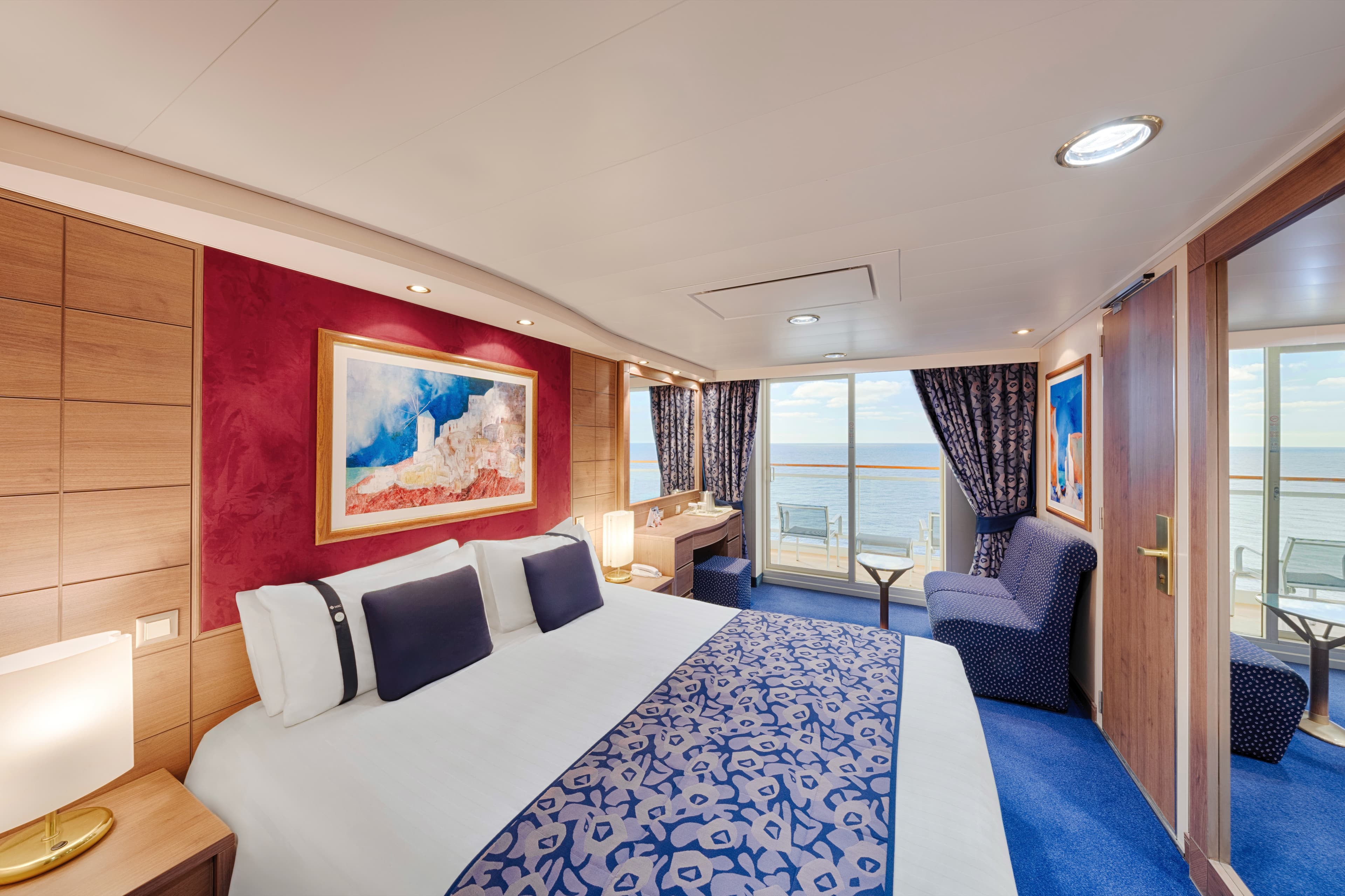
Premium Balcony

Villa Borghese Restaurant
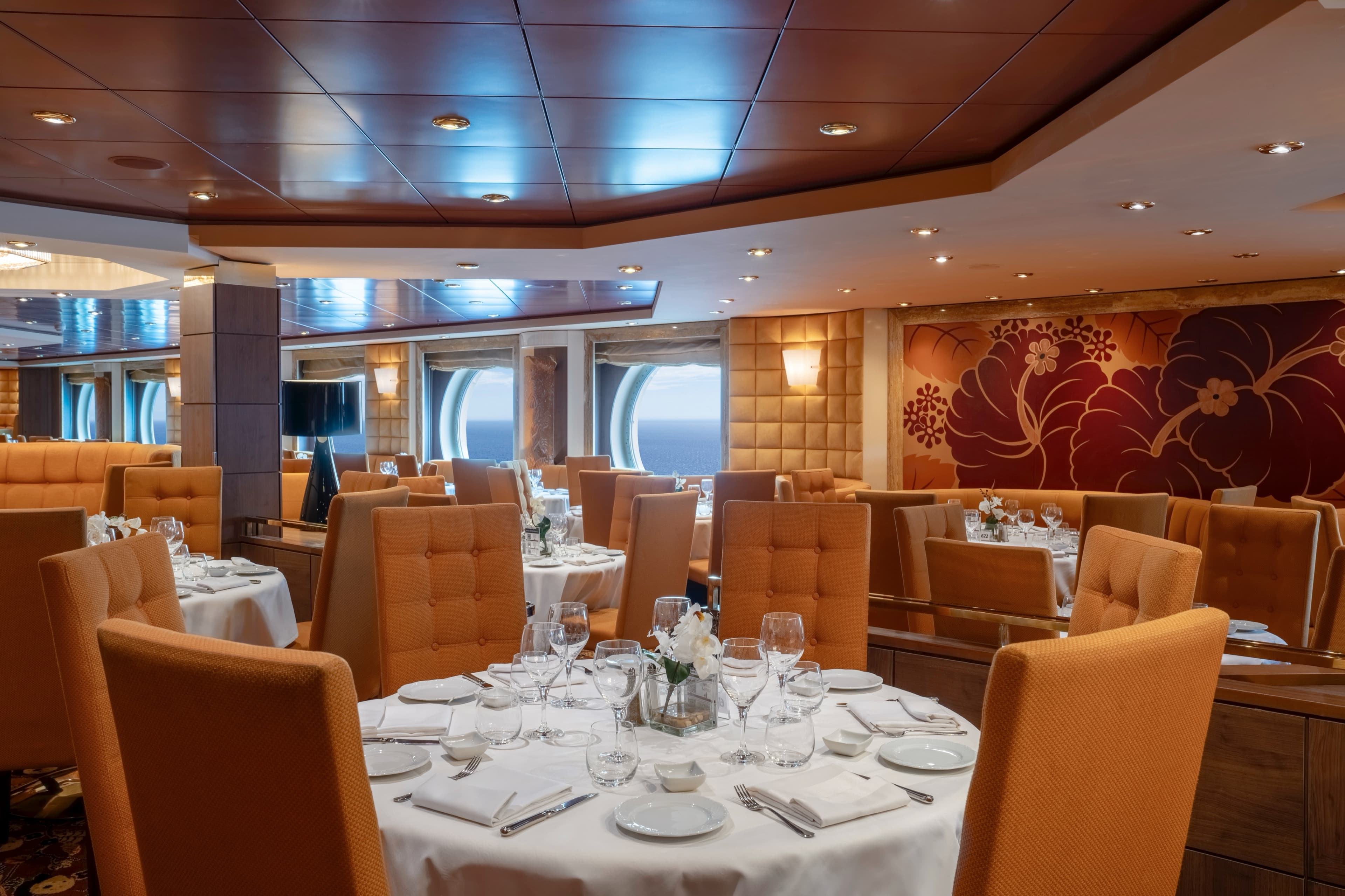
L'Ibiscus Restaurant

Covent Garden Theatre

R32 Disco

Palm Beach Casino
2인 1실 1인당
$1,389~