
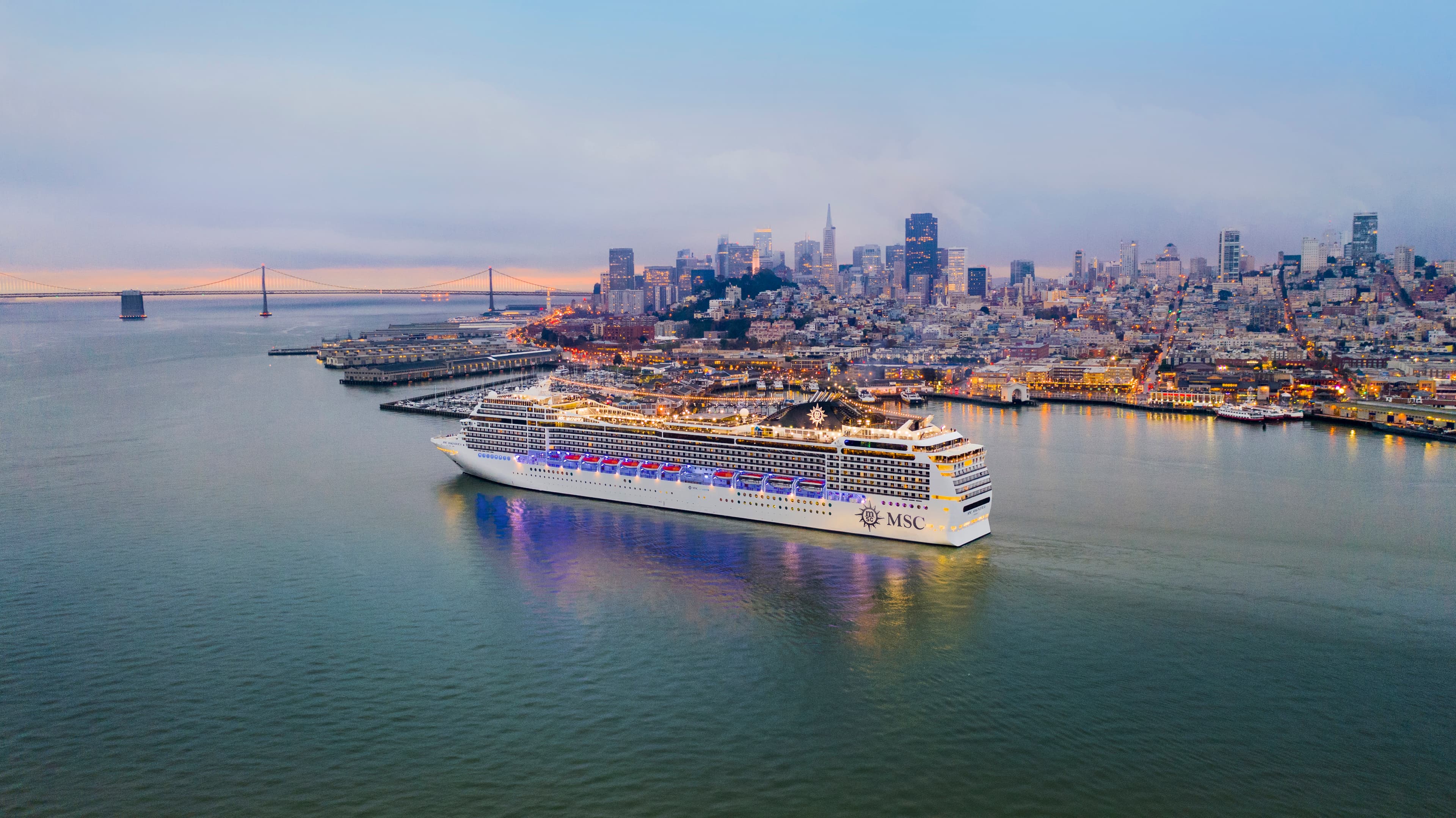
MSC Magnifica · 북유럽 18박
이탈리아, 프랑스, 스페인, 독일, 폴란드, 리투아니아, 라트비아, 에스토니아, 핀란드, 스웨덴
MSC Magnifica
Musica · 95K톤 · 3,223명 수용
10개국 · 15곳
Italy · France · Spain · Germany
3개 등급 · 40개 객실
Solo 1인 가능 · 식사·엔터
한국어 안내
예약·결제·승선 7일까지
여정 소개
MSC Magnifica is thoughtfully designed for longer voyages, offering almost exclusively balcony cabins and exceptionally generous indoor and outdoor spaces. Guests can enjoy a range of water facilities, including an indoor pool ideal for all-weather relaxation, as well as dedicated kids' areas, restaurants where personalised service enhance every dining experience, along with a theatre presenting a spectacular show every evening.
항해 일정
총 15개 기항지 · 18박19일
 Day 1Italy
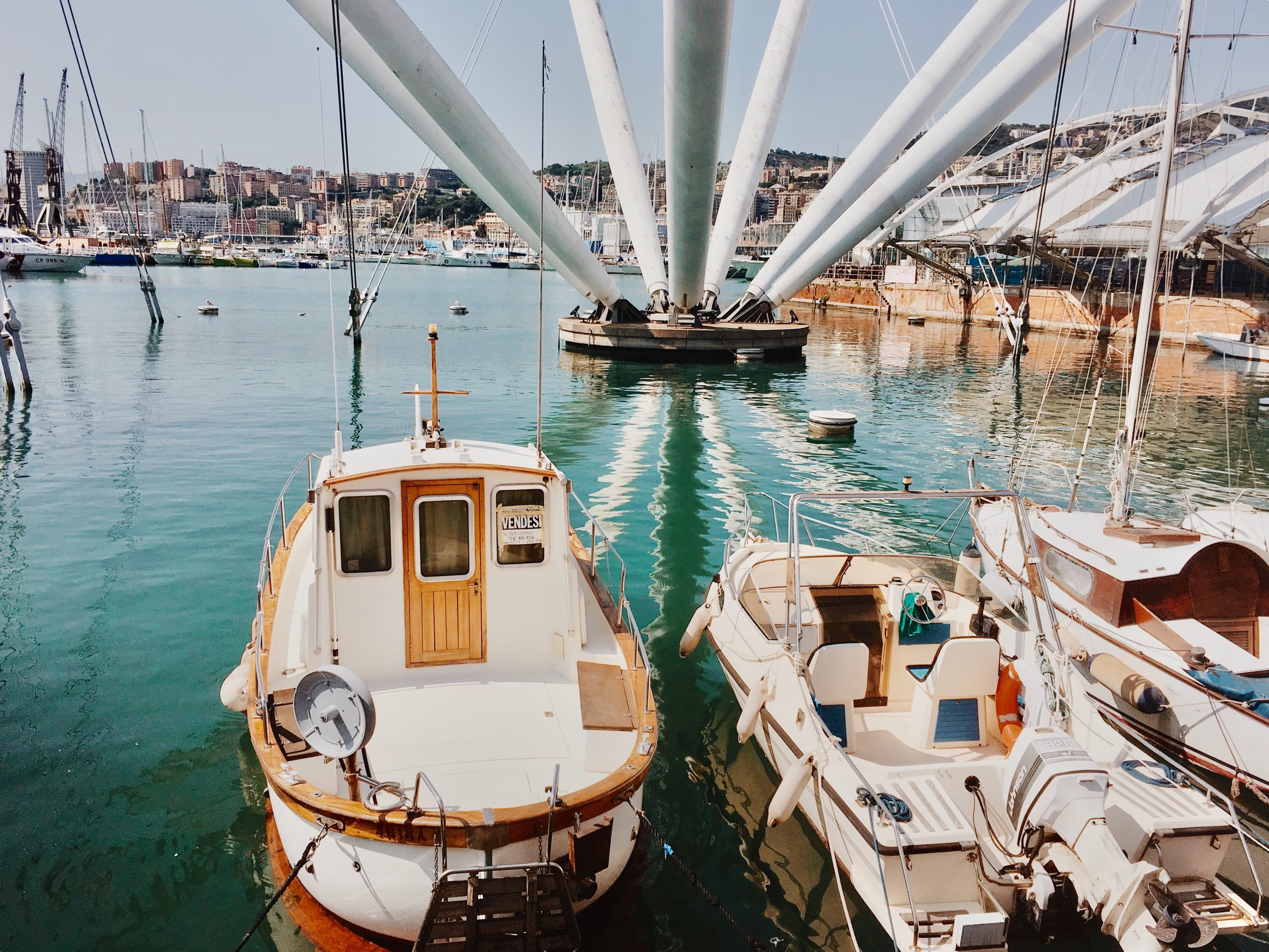
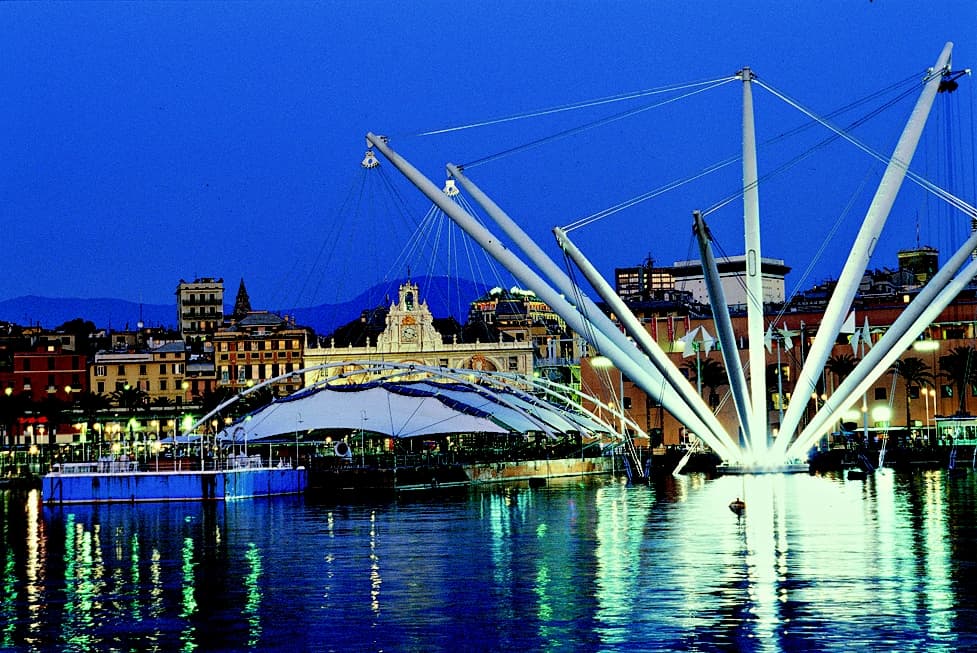
Genoa
출항 18:00 (출발)
도시 가이드 펼쳐보기▾▴
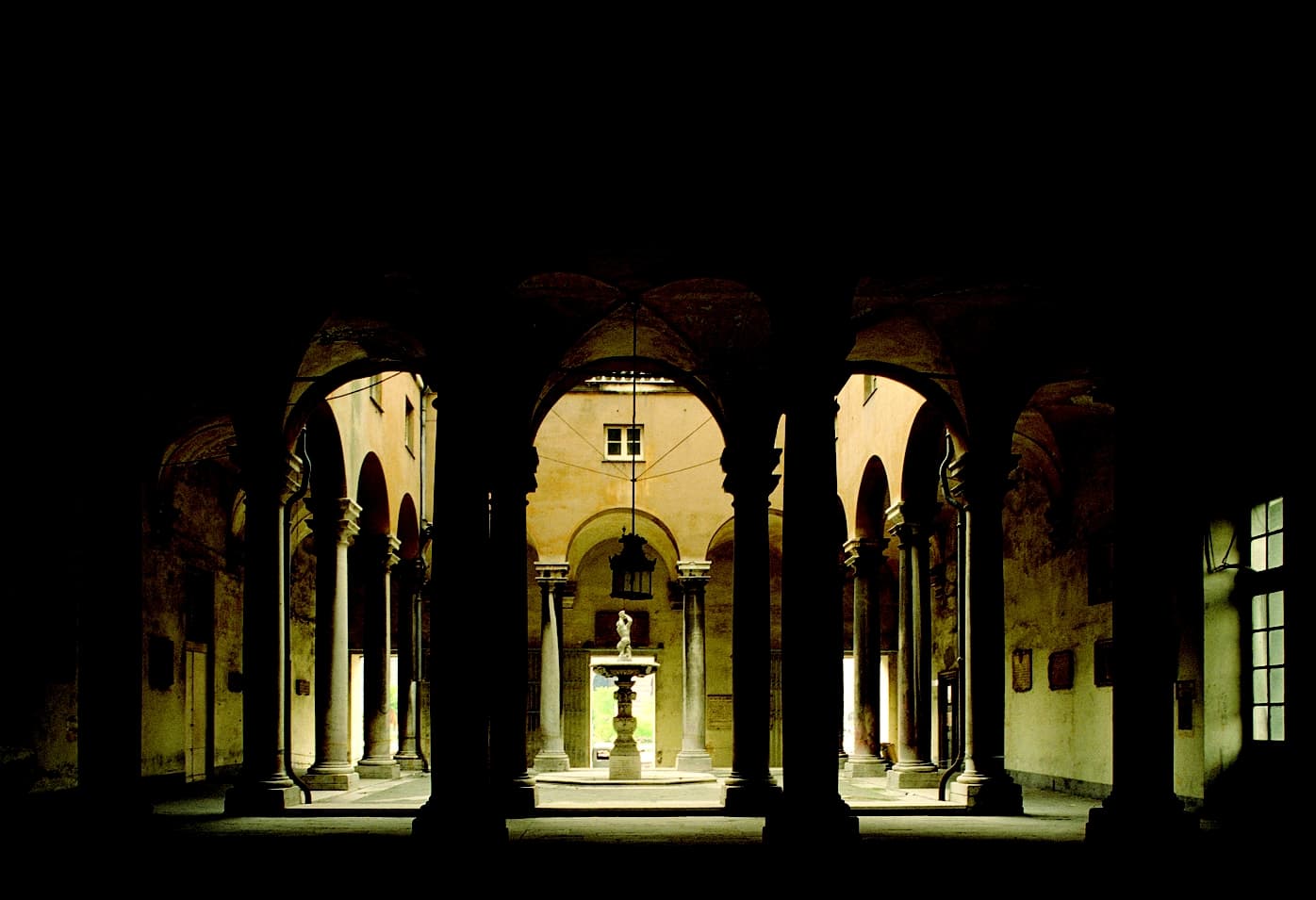
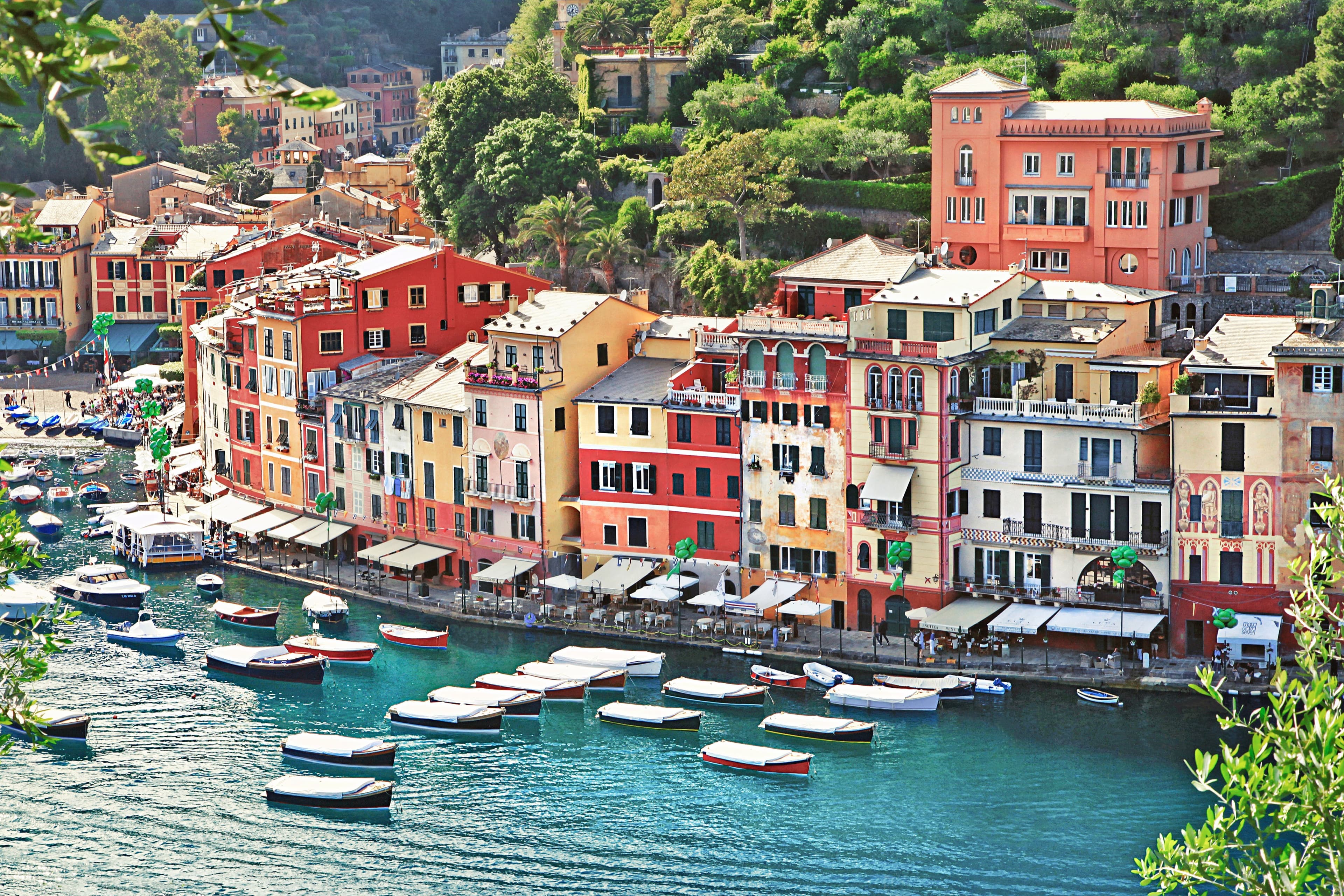
Genoa is a port city in the Northwest of Italy. Home to the Genoa Aquarium, famous for having the largest exposition of biodiversity in Europe, the city is also a great place to visit for anyone interested in architecture.
📷 5장 사진지도에서 보기 →📷 Genoa 사진 더 보기▾
 Day 2France
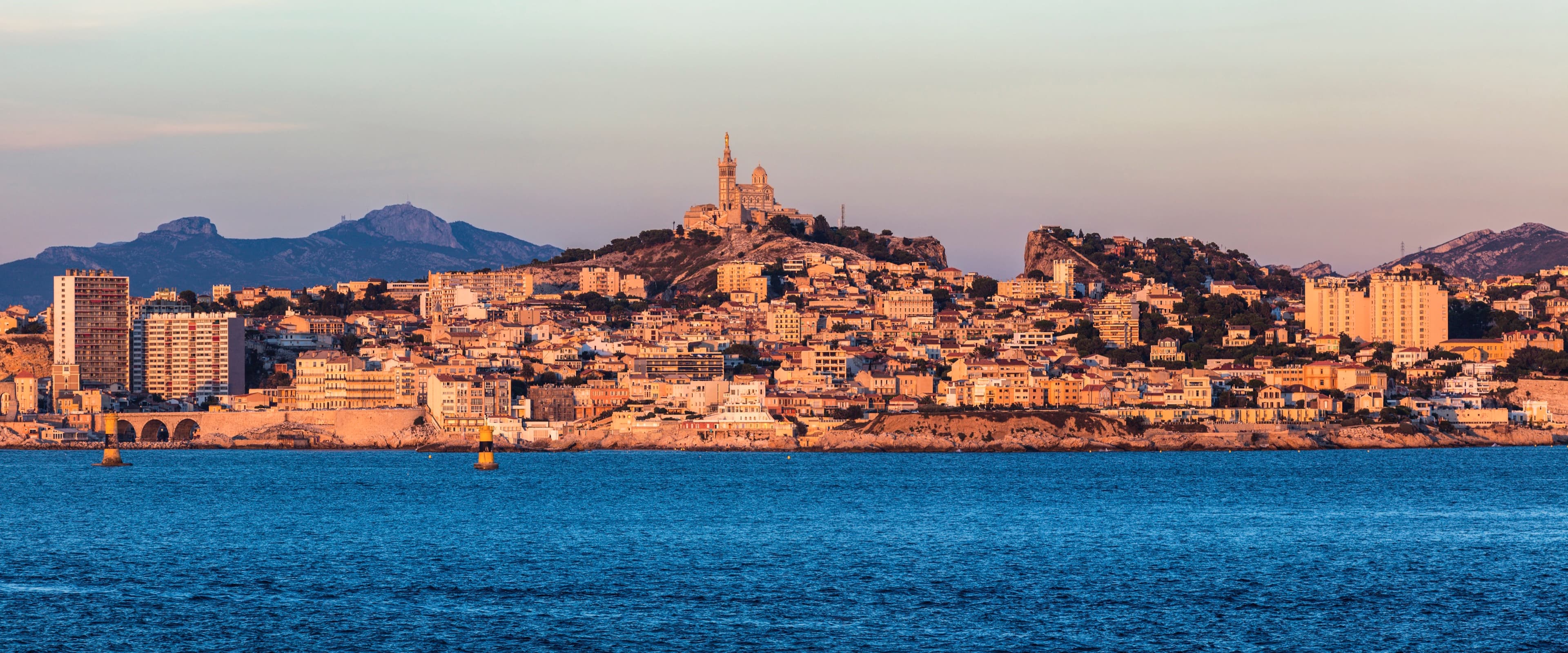
Marseille
입항 08:00 · 출항 18:00
도시 가이드 펼쳐보기▾▴
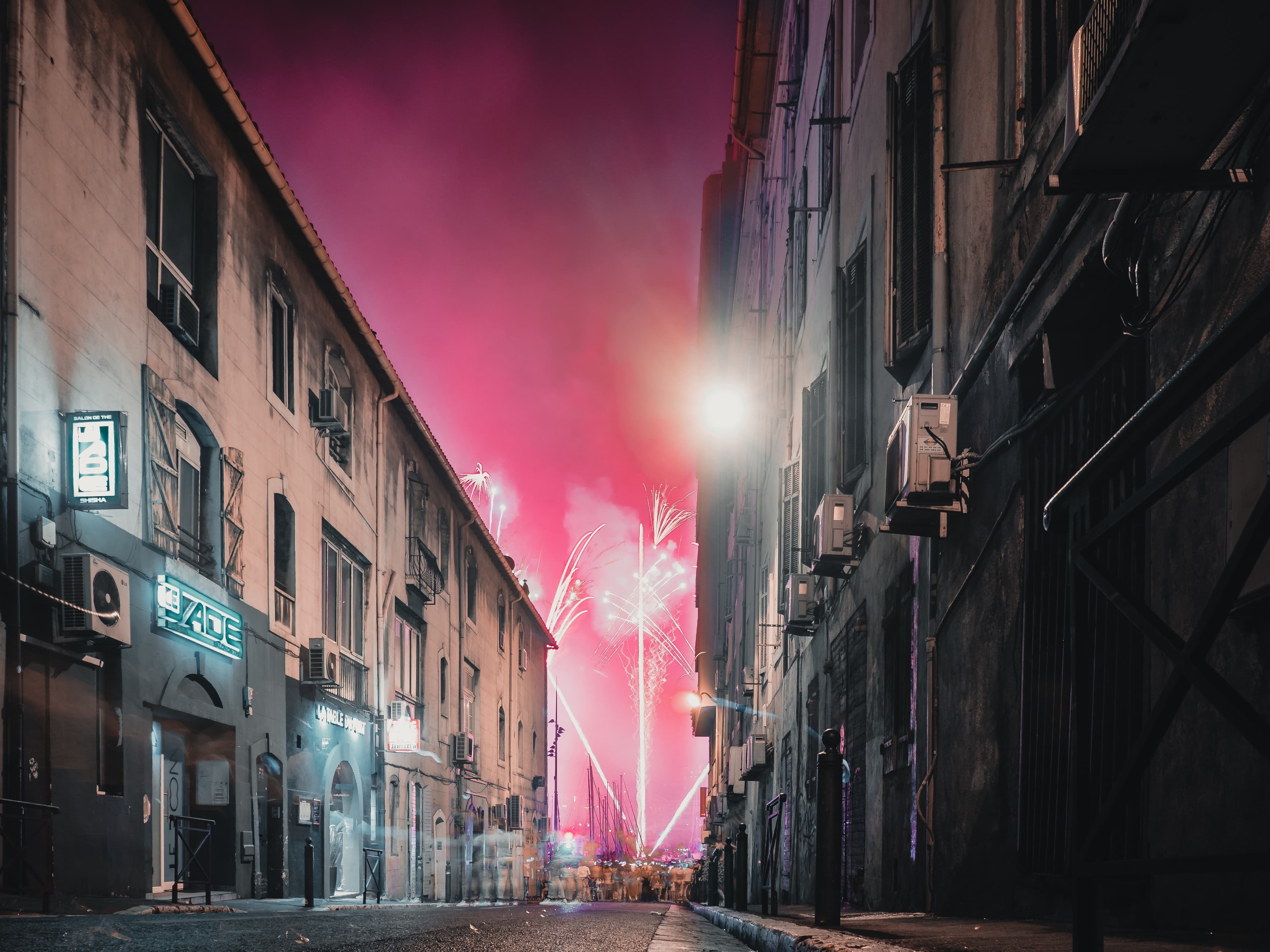
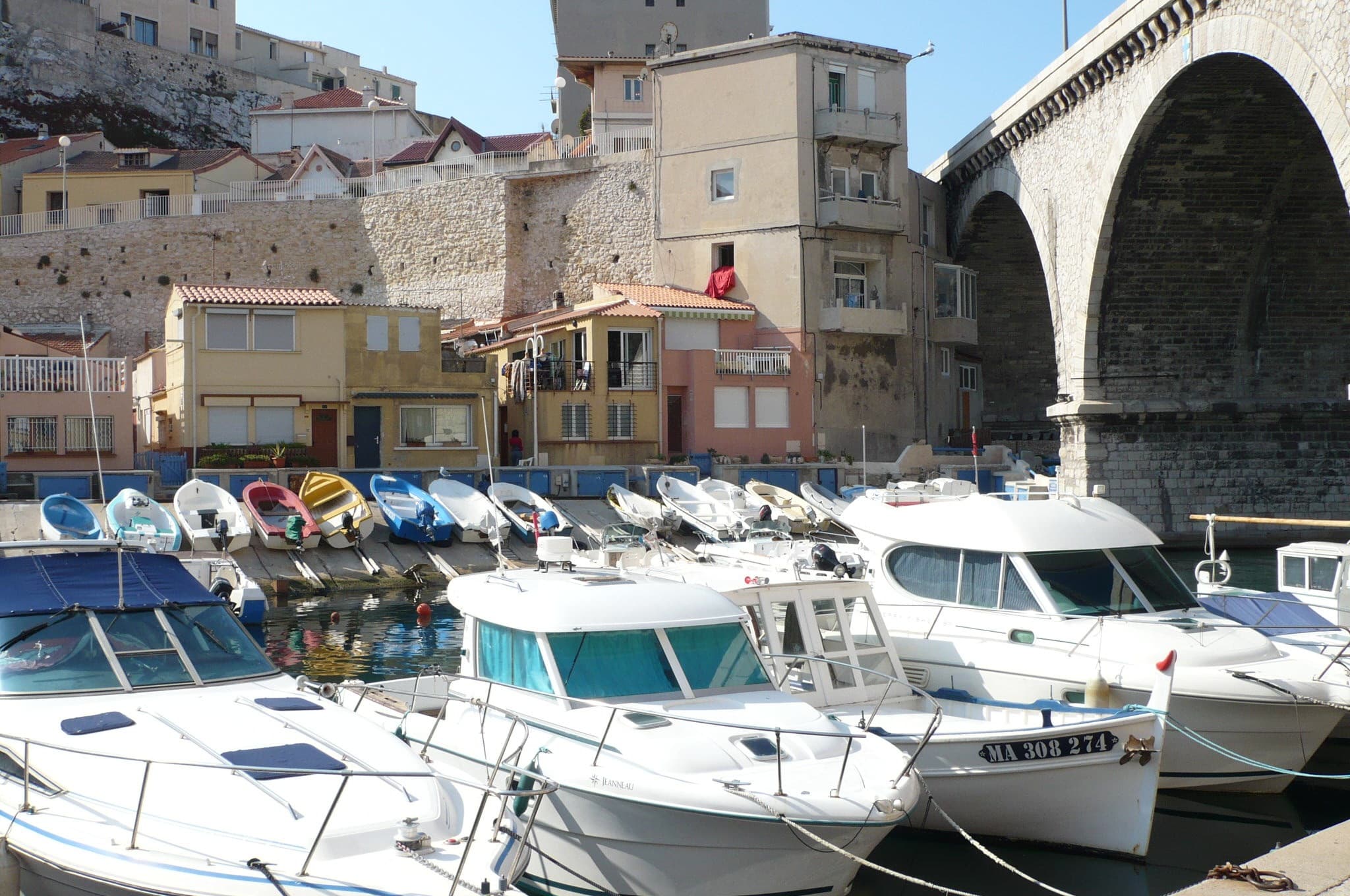
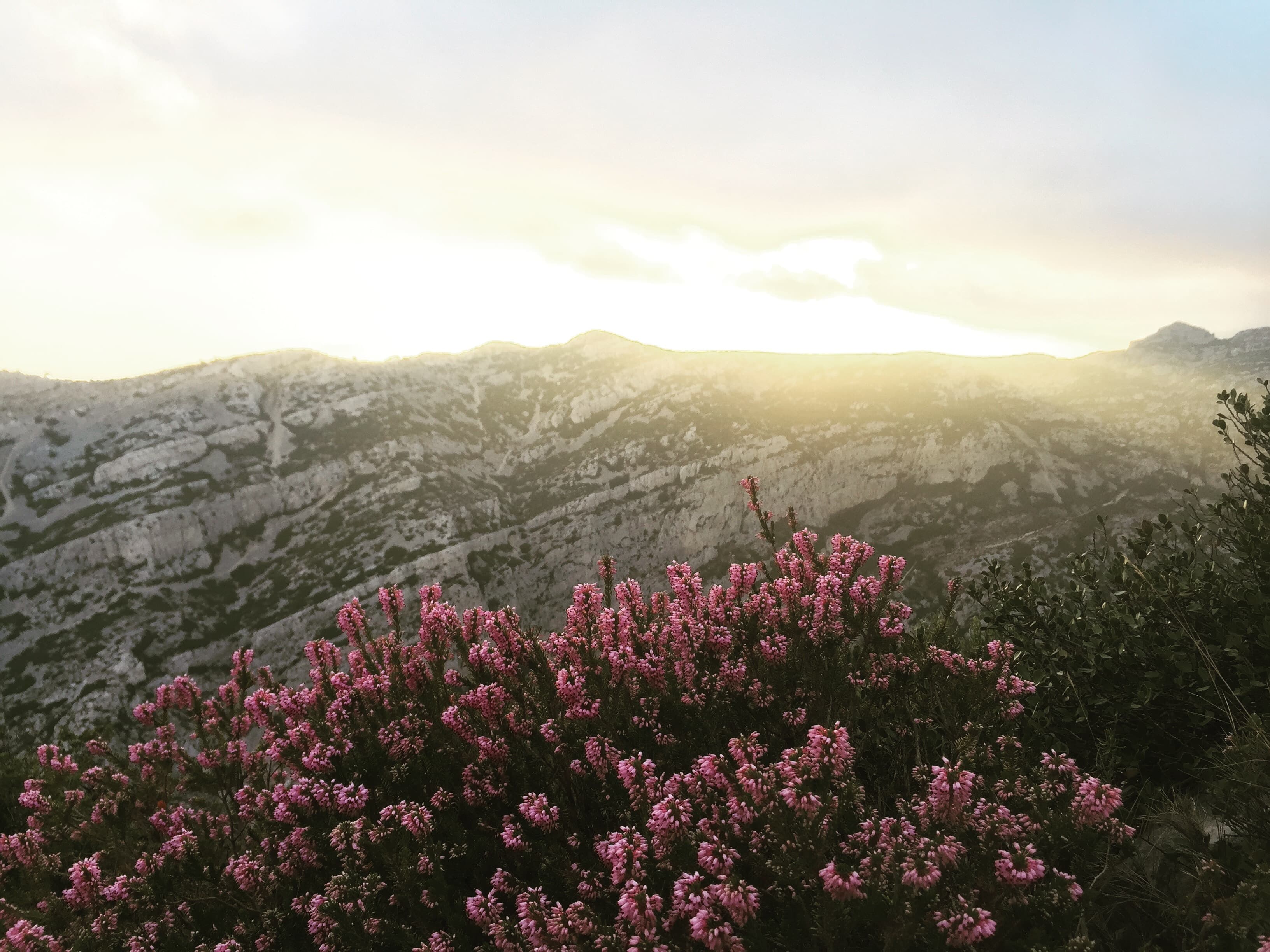
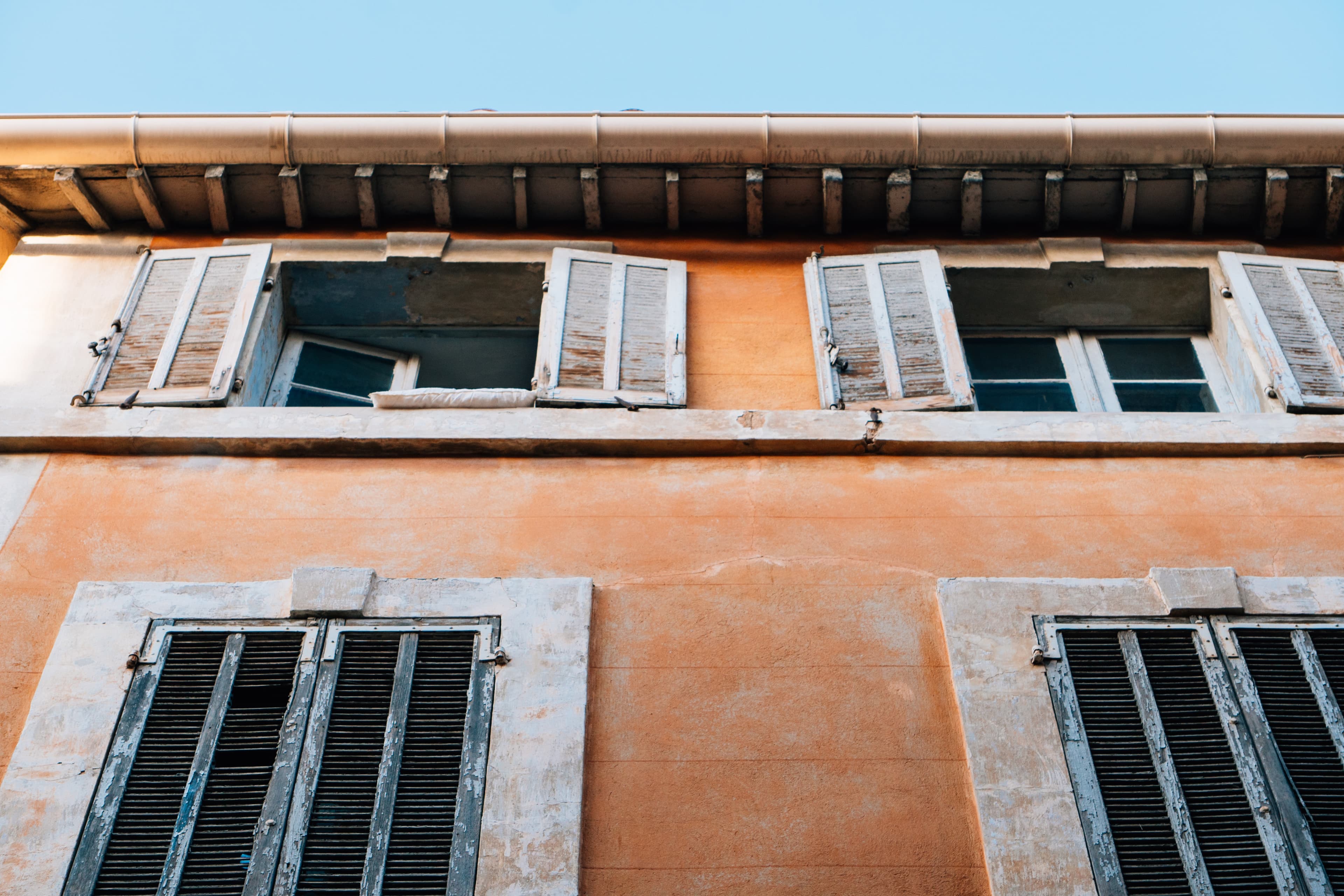
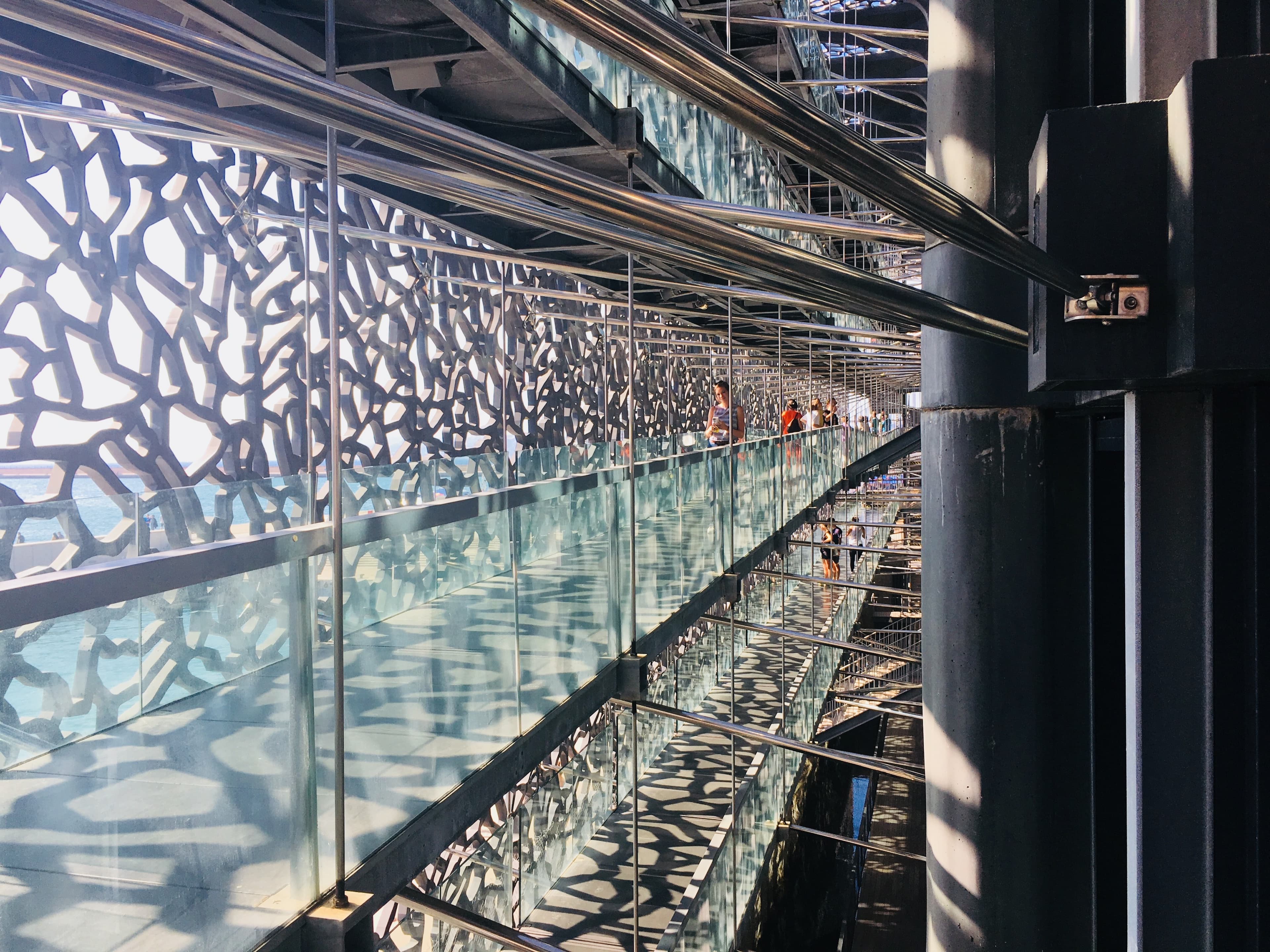
Since being designated a European Capital of Culture for 2013, with an estimated €660 million of funding in the bargain, Marseille has been in the throes of an extraordinary transformation, with no fewer than five major new arts centers, a beautifully refurbished port, revitalized neighborhoods, and a slew of new shops and restaurants. Once the underdog, this time-burnished city is now welcoming an influx of weekend tourists who have colonized entire neighborhoods and transformed them into elegant pieds-à-terre (or should we say, mer). The second-largest city in France, Marseille is one of Europe's most vibrant destinations. Feisty and fond of broad gestures, it is also as complicated and as cosmopolitan now as it was when a band of Phoenician Greeks first sailed into the harbor that is today's Vieux Port in 600 BC. Legend has it that on that same day a local chieftain's daughter, Gyptis, needed to choose a husband, and her wandering eyes settled on the Greeks' handsome commander Protis. Her dowry brought land near the mouth of the Rhône, where the Greeks founded Massalia, the most important Continental shipping port in antiquity. The port flourished for some 500 years as a typical Greek city, enjoying the full flush of classical culture, its gods, its democratic political system, its sports and theater, and its naval prowess. Caesar changed all that, besieging the city in 49 BC and seizing most of its colonies. In 1214 Marseille was seized again, this time by Charles d'Anjou, and was later annexed to France by Henri IV in 1481, but it was not until Louis XIV took the throne that the biggest transformations of the port began; he pulled down the city walls in 1666 and expanded the port to the Rive Neuve (New Riverbank). The city was devastated by plague in 1720, losing more than half its population. By the time of the Revolution, Marseille was on the rebound once again, with industries of soap manufacturing and oil processing flourishing, encouraging a wave of immigration from Provence and Italy. With the opening of the Suez Canal in 1869, Marseille became the greatest boomtown in 19th-century Europe. With a large influx of immigrants from areas as exotic as Tangiers, the city quickly acquired the multicultural population it maintains to this day.
📷 10장 사진지도에서 보기 →📷 Marseille 사진 더 보기▾


 Day 3Spain
Barcelona
입항 07:00 · 출항 17:00
도시 가이드 펼쳐보기▾▴
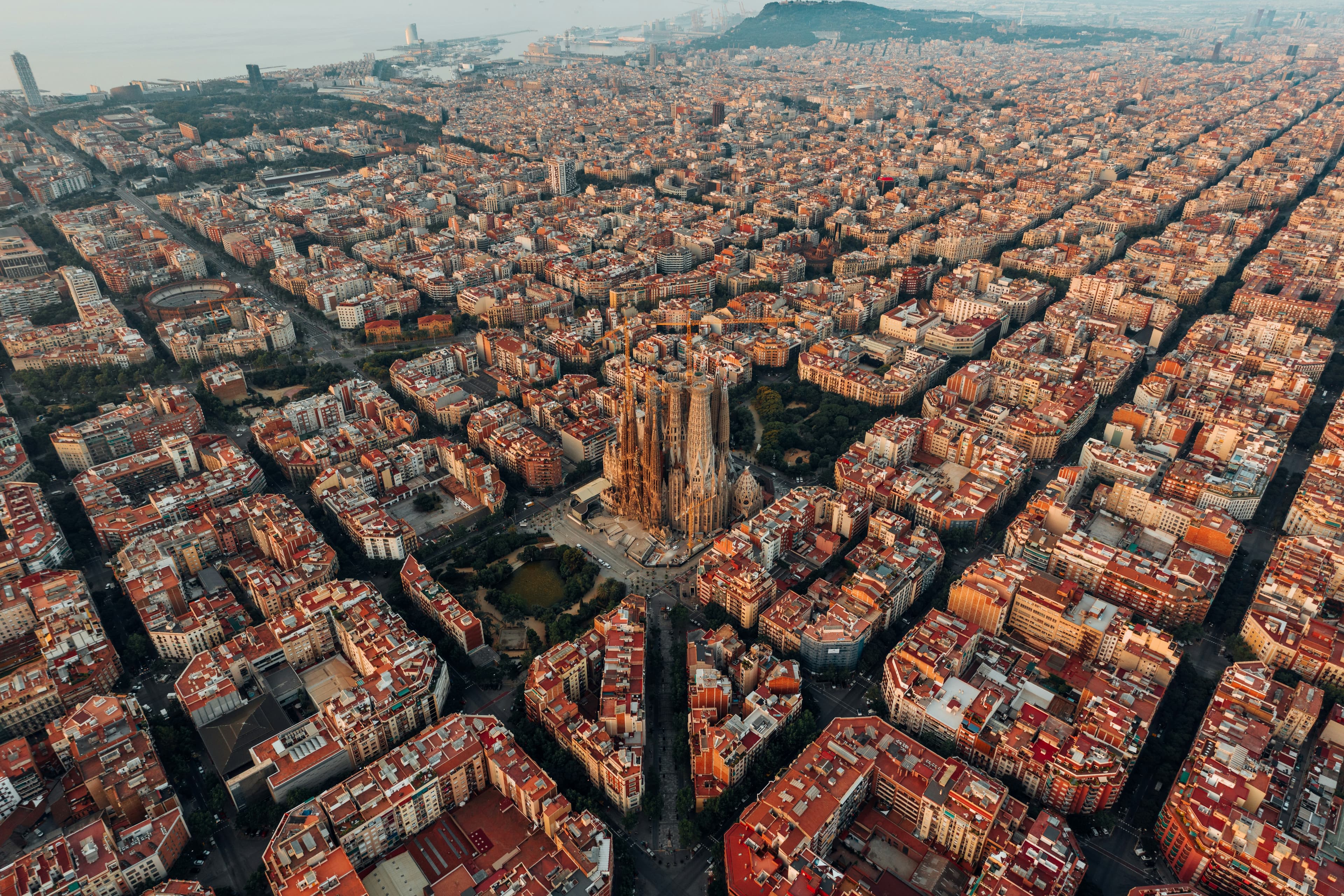
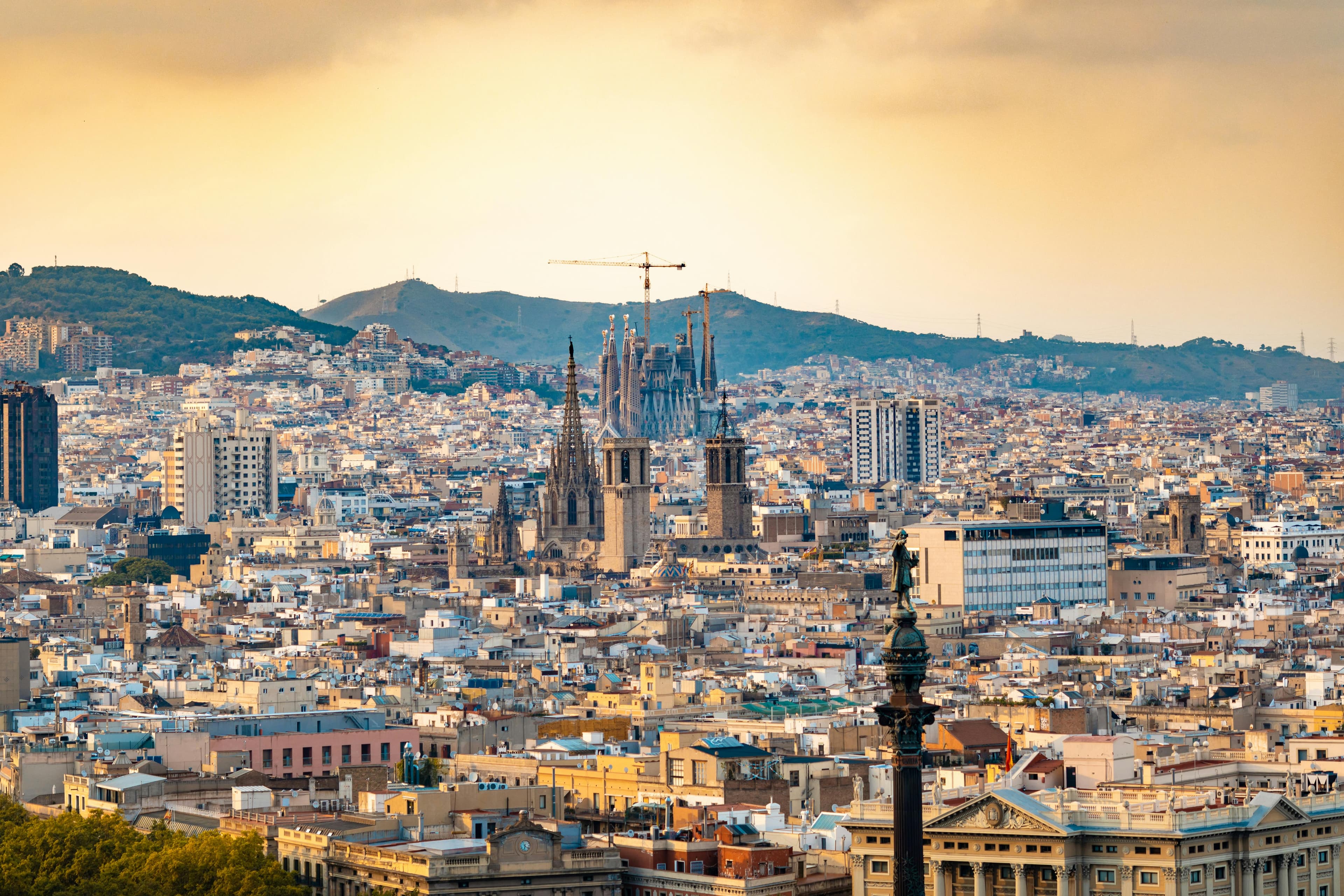
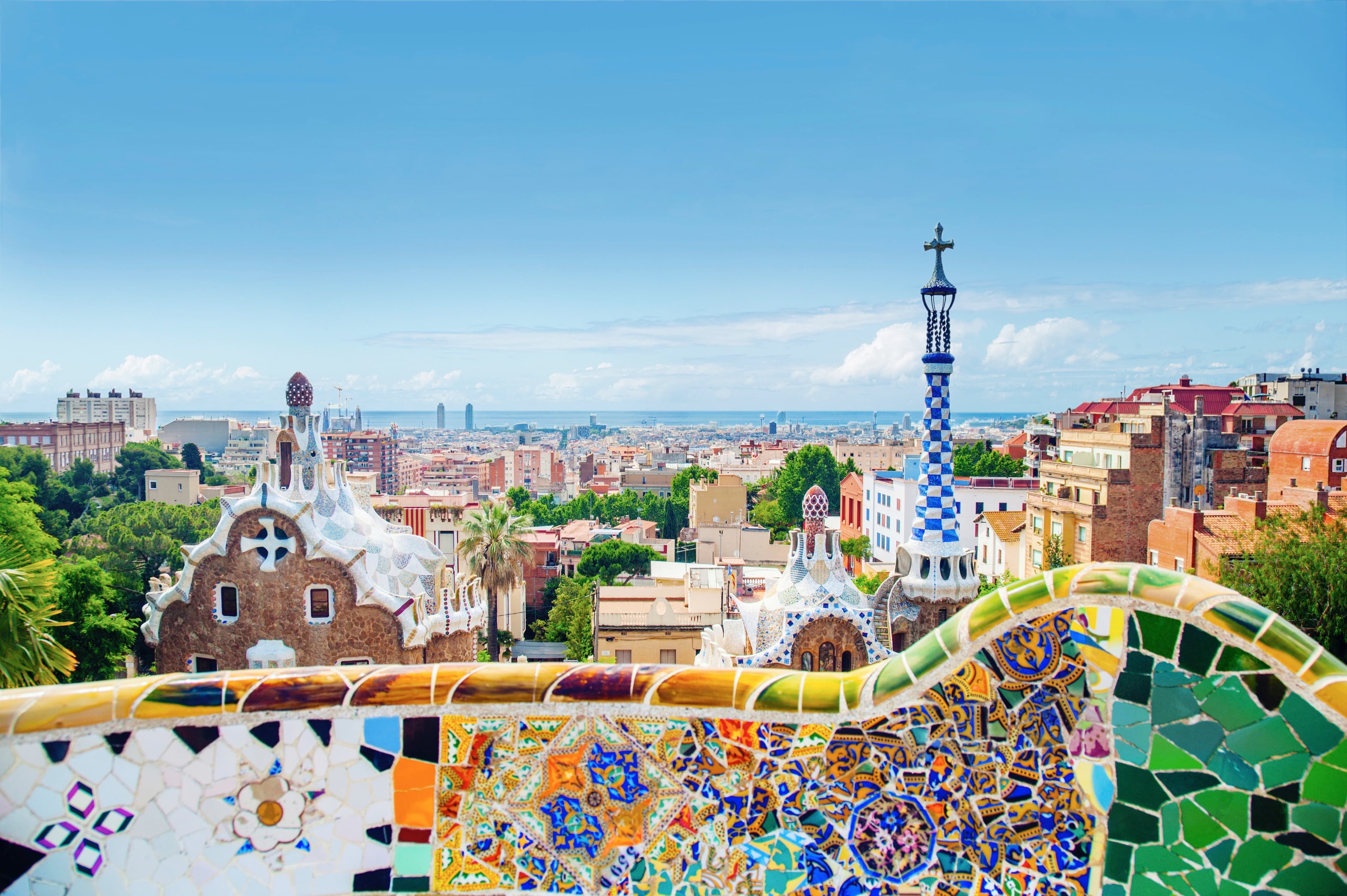
The infinite variety of street life, the nooks and crannies of the medieval Barri Gòtic, the ceramic tile and stained glass of Art Nouveau facades, the art and music, the throb of street life, the food (ah, the food!)—one way or another, Barcelona will find a way to get your full attention. The capital of Catalonia is a banquet for the senses, with its beguiling mix of ancient and modern architecture, tempting cafés and markets, and sun-drenched Mediterranean beaches. A stroll along La Rambla and through waterfront Barceloneta, as well as a tour of Gaudí's majestic Sagrada Famíliaand his other unique creations, are part of a visit to Spain's second-largest city. Modern art museums and chic shops call for attention, too. Barcelona's vibe stays lively well into the night, when you can linger over regional wine and cuisine at buzzing tapas bars.
📷 5장 사진지도에서 보기 →📷 Barcelona 사진 더 보기▾

 Day 6Spain
La Coruña
입항 09:00 · 출항 18:00
도시 가이드 펼쳐보기▾▴
La Coruña, the largest city in Spain's Galicia region, is among the country's busiest ports. The remote Galicia area is tucked into the northwest corner of the Iberian Peninsula, surprising visitors with its green and misty countryside that is so much unlike other parts of Spain. The name "Galicia" is Celtic in origin, for it was the Celts who occupied the region around the 6th-century BC and erected fortifications. La Coruña was already considered an important port under the Romans. They were followed by an invasion of Suevians, Visigoths and, much later in 730, the Moors. It was after Galicia was incorporated into the Kingdom of Asturias that the epic saga of the Pilgrimage to Santiago (St. James) began. From the 15th century, overseas trade developed rapidly; in 1720, La Coruña was granted the privilege of trading with America - a right previously only held by Cadiz and Seville. This was the great era when adventurous men voyaged to the colonies and returned with vast riches. Today, the city's significant expansion is evident in three distinct quarters: the town centre located along the isthmus; the business and commercial centre with wide avenues and shopping streets; and the "Ensanche" to the south, occupied by warehouses and factories. Many of the buildings in the old section feature the characteristic glazed façades that have earned La Coruña the name "City of Crystal." Plaza Maria Pita, the beautiful main square, is named after the local heroine who saved the town in 1589 when she seized the English standard from the beacon and gave the alarm, warning her fellow townsmen of the English attack.
📷 3장 사진지도에서 보기 →📷 La Coruña 사진 더 보기▾


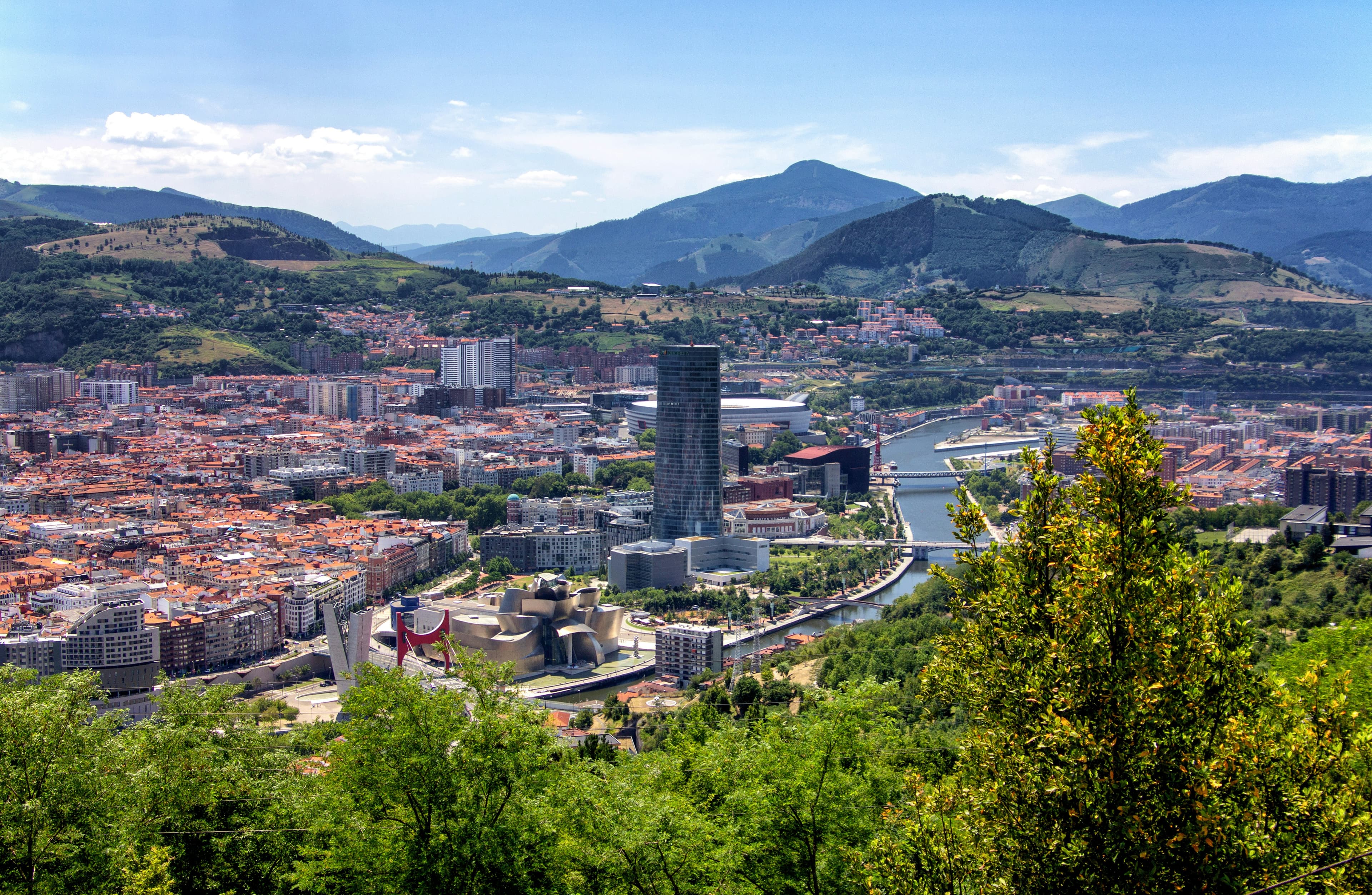 Day 7Spain
Bilbao
입항 09:00 · 출항 18:00
도시 가이드 펼쳐보기▾▴
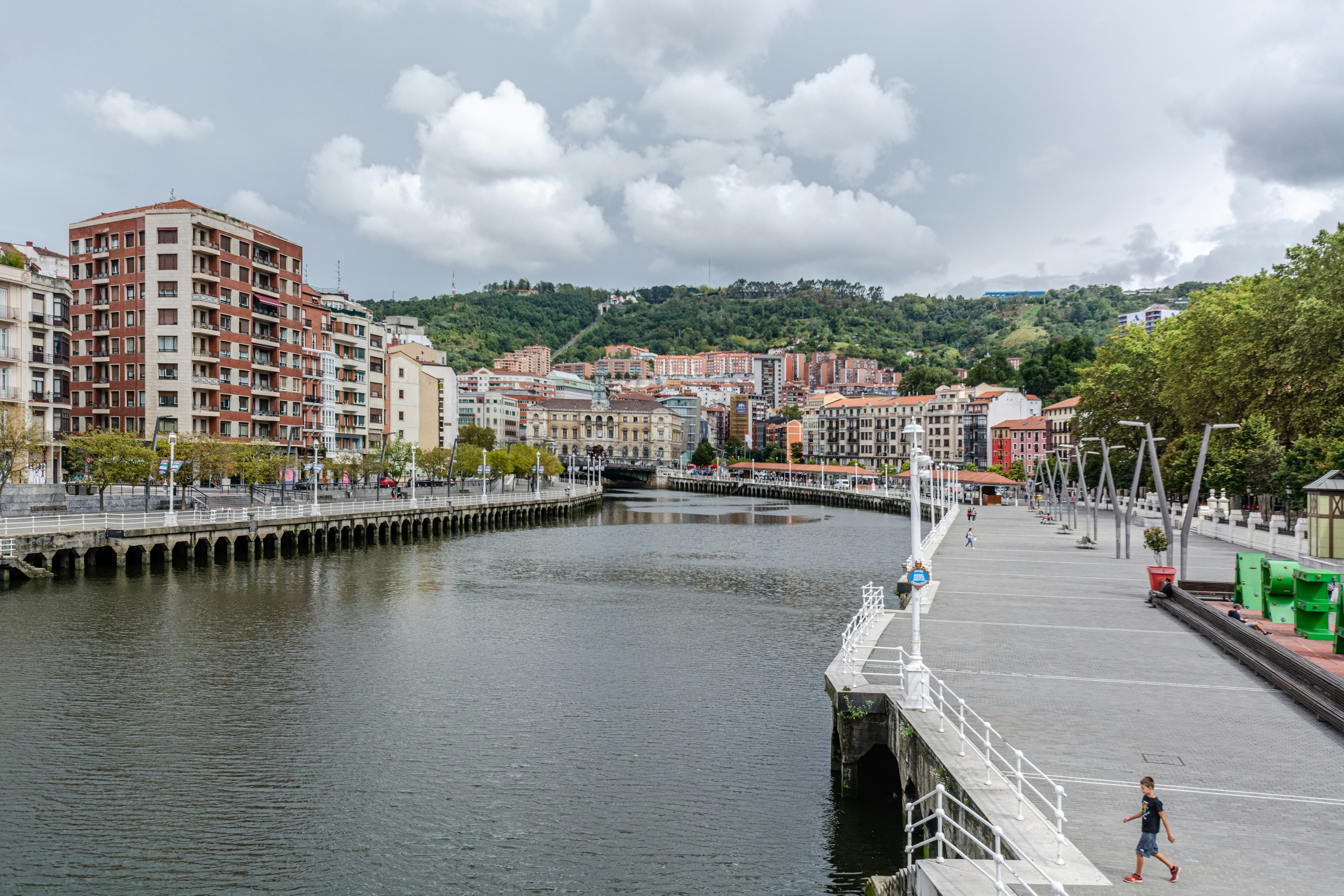
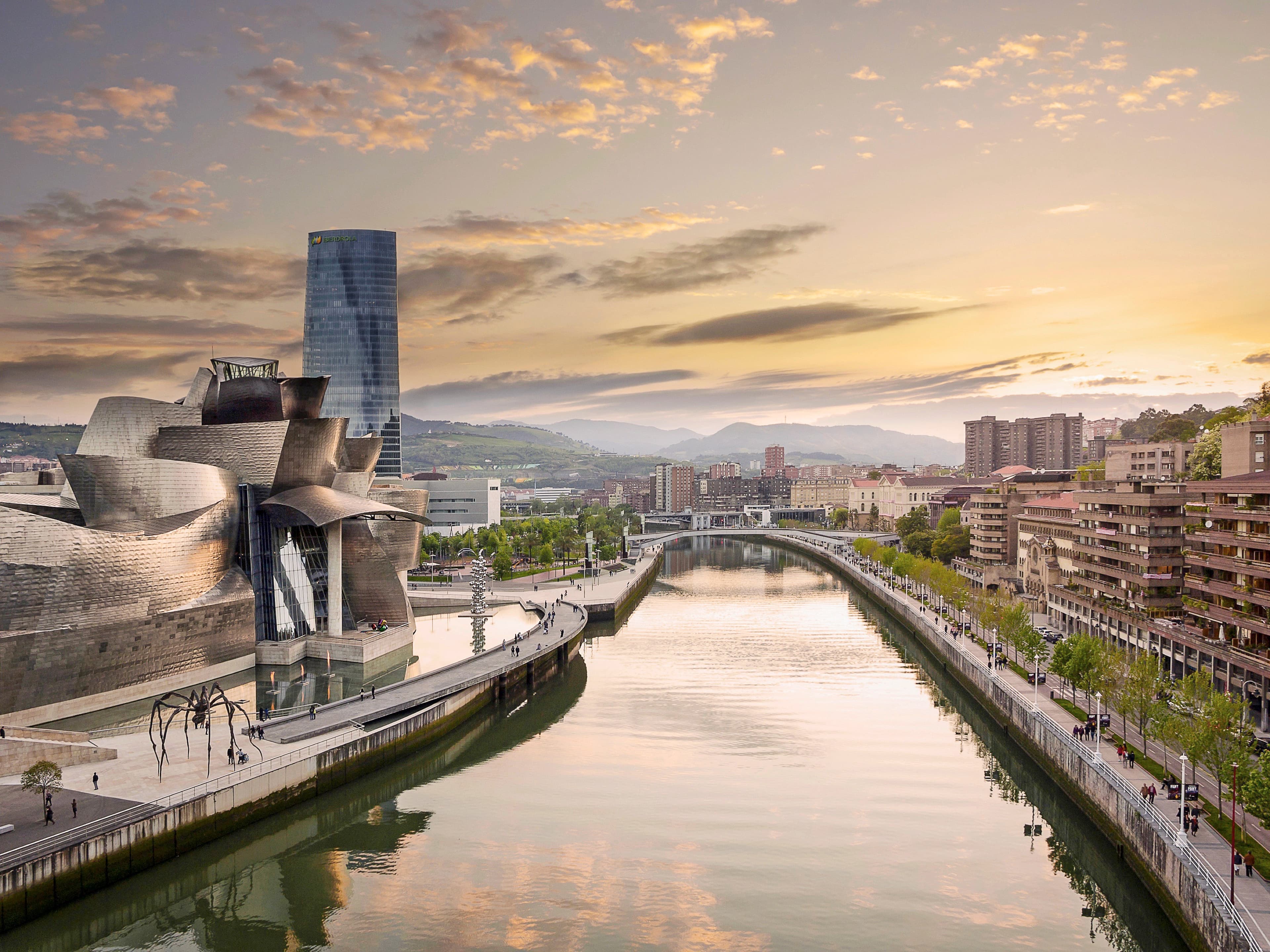
Time in Bilbao (Bilbo, in Euskera) may be recorded as BG or AG (Before Guggenheim or After Guggenheim). Never has a single monument of art and architecture so radically changed a city. Frank Gehry's stunning museum, Norman Foster's sleek subway system, the Santiago Calatrava glass footbridge and airport, the leafy César Pelli Abandoibarra park and commercial complex next to the Guggenheim, and the Philippe Starck AlhóndigaBilbao cultural center have contributed to an unprecedented cultural revolution in what was once the industry capital of the Basque Country.Greater Bilbao contains almost 1 million inhabitants, nearly half the total population of the Basque Country. Founded in 1300 by Vizcayan noble Diego López de Haro, Bilbao became an industrial center in the mid-19th century, largely because of the abundance of minerals in the surrounding hills. An affluent industrial class grew up here, as did the working class in suburbs that line the Margen Izquierda (Left Bank) of the Nervión estuary.Bilbao's new attractions get more press, but the city's old treasures still quietly line the banks of the rust-color Nervión River. The Casco Viejo (Old Quarter)—also known as Siete Calles (Seven Streets)—is a charming jumble of shops, bars, and restaurants on the river's Right Bank, near the Puente del Arenal bridge. This elegant proto-Bilbao nucleus was carefully restored after devastating floods in 1983. Throughout the Casco Viejo are ancient mansions emblazoned with family coats of arms, wooden doors, and fine ironwork balconies. The most interesting square is the 64-arch Plaza Nueva, where an outdoor market is pitched every Sunday morning.Walking the banks of the Nervión is a satisfying jaunt. After all, this was how—while out on a morning jog—Guggenheim director Thomas Krens first discovered the perfect spot for his project, nearly opposite the right bank's Deusto University. From the Palacio de Euskalduna upstream to the colossal Mercado de la Ribera, parks and green zones line the river. César Pelli's Abandoibarra project fills in the half mile between the Guggenheim and the Euskalduna bridge with a series of parks, the Deusto University library, the Meliá Bilbao Hotel, and a major shopping center.On the left bank, the wide, late-19th-century boulevards of the Ensanche neighborhood, such as Gran Vía (the main shopping artery) and Alameda de Mazarredo, are the city's more formal face. Bilbao's cultural institutions include, along with the Guggenheim, a major museum of fine arts (the Museo de Bellas Artes) and an opera society (Asociación Bilbaína de Amigos de la Ópera, or ABAO) with 7,000 members from Spain and southern France. In addition, epicureans have long ranked Bilbao's culinary offerings among the best in Spain. Don't miss a chance to ride the trolley line, the Euskotram, for a trip along the river from Atxuri Station to Basurto's San Mamés soccer stadium, reverently dubbed "la Catedral del Fútbol" (the Cathedral of Football).
📷 3장 사진지도에서 보기 →📷 Bilbao 사진 더 보기▾

📷 La Rochelle 사진 더 보기▾


 Day 12Germany
Warnemünde
입항 08:00 · 출항 17:00
도시 가이드 펼쳐보기▾▴
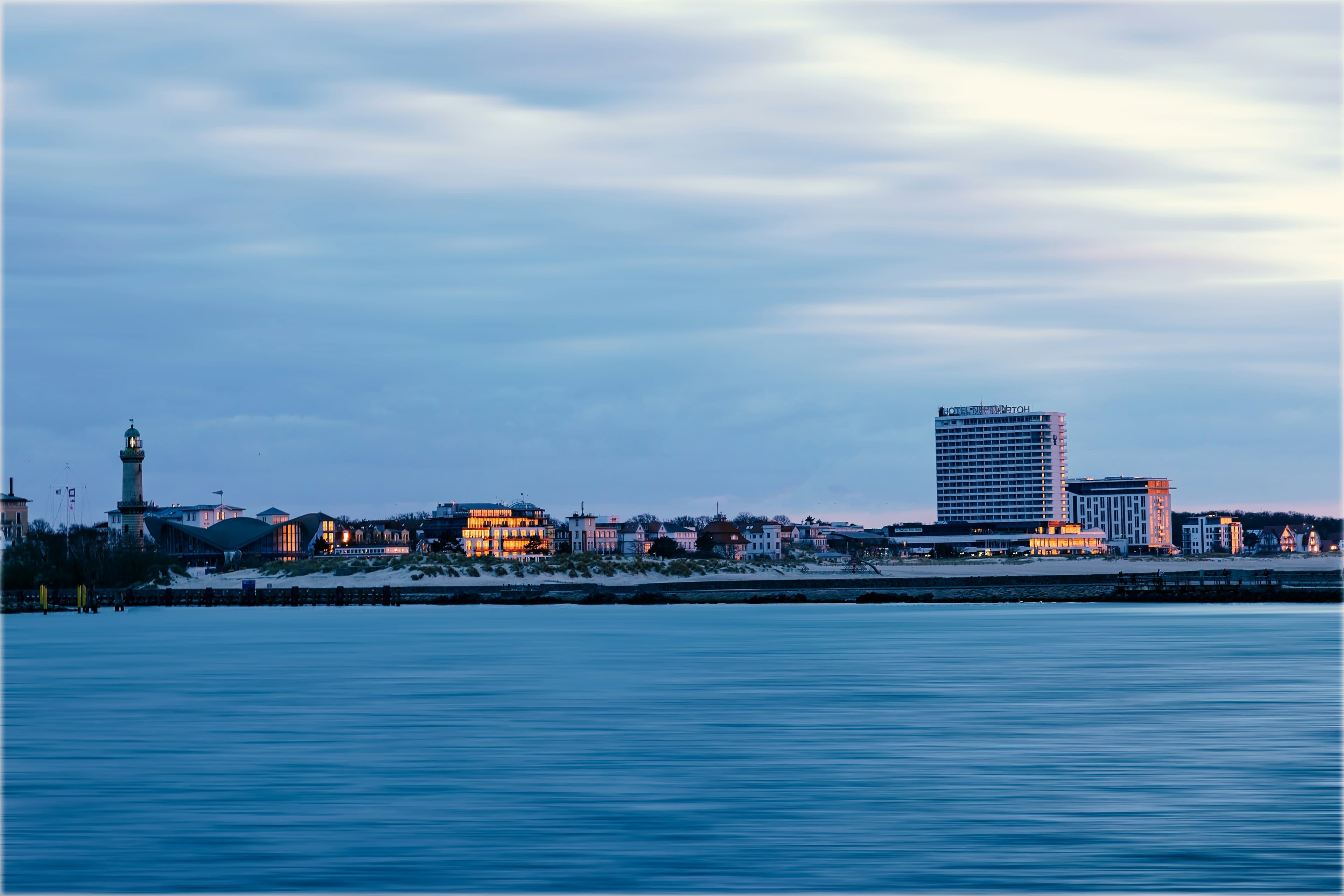
Warnemünde, officially a suburb of Rostock, is a quaint seaside resort town with the best hotels and restaurants in the area, as well as 20 km (12 miles) of beautiful white-sand beach. It's been a popular summer getaway for families in eastern Germany for years.There is little to do in Warnemünde except relax, and the town excels brilliantly at that. However, Warnemünde is a major cruise-ship terminal. Whenever there is more than one ship at dock, the town explodes with a county fair–like atmosphere, and shops and restaurants stay open until the ships leave at midnight. The city celebrates the dreifache Anlauf, when three ships dock simultaneously, with fireworks.
📷 5장 사진지도에서 보기 →📷 Warnemünde 사진 더 보기▾



📷 Gdynia 사진 더 보기▾
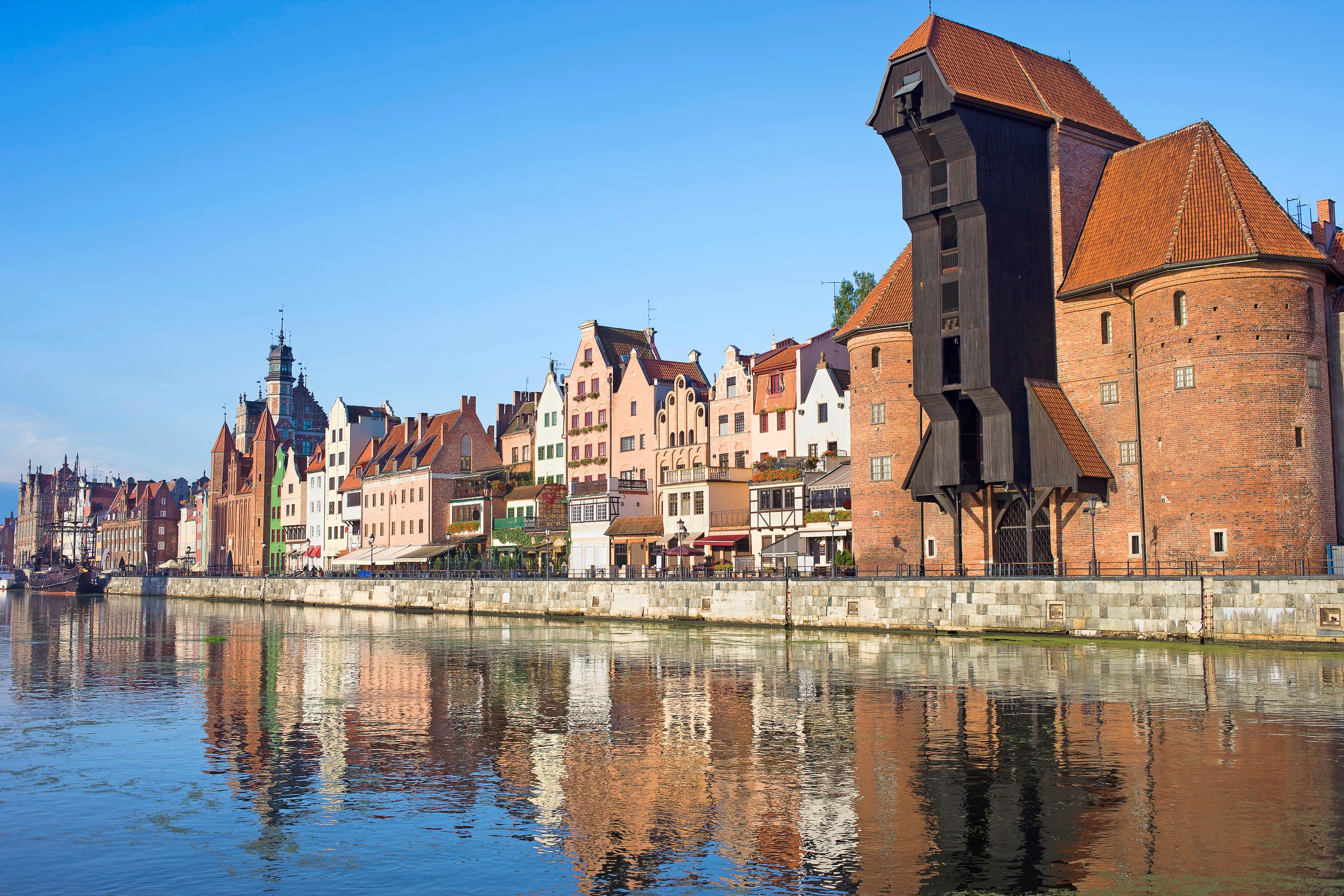
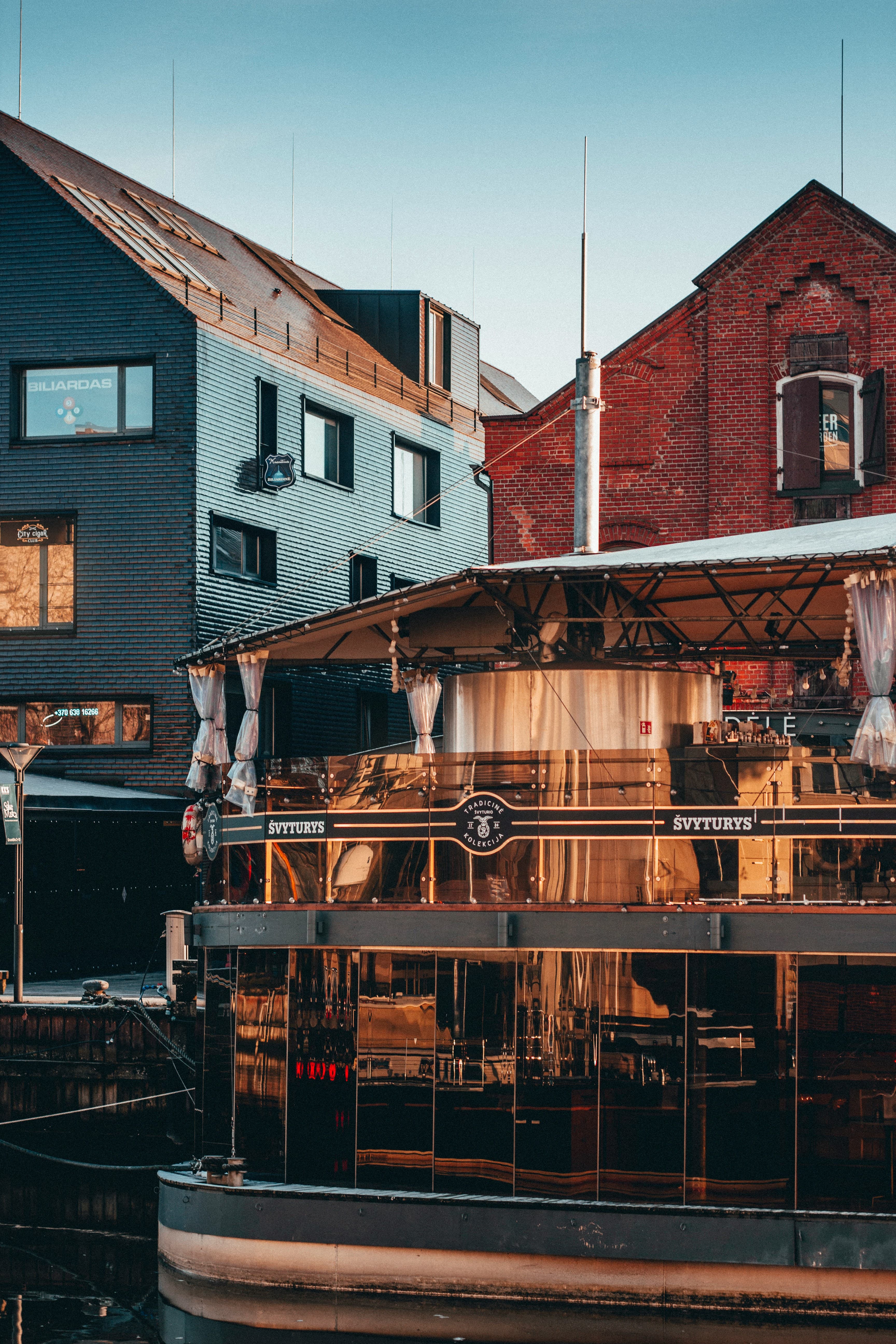
📷 Klaipeda 사진 더 보기▾
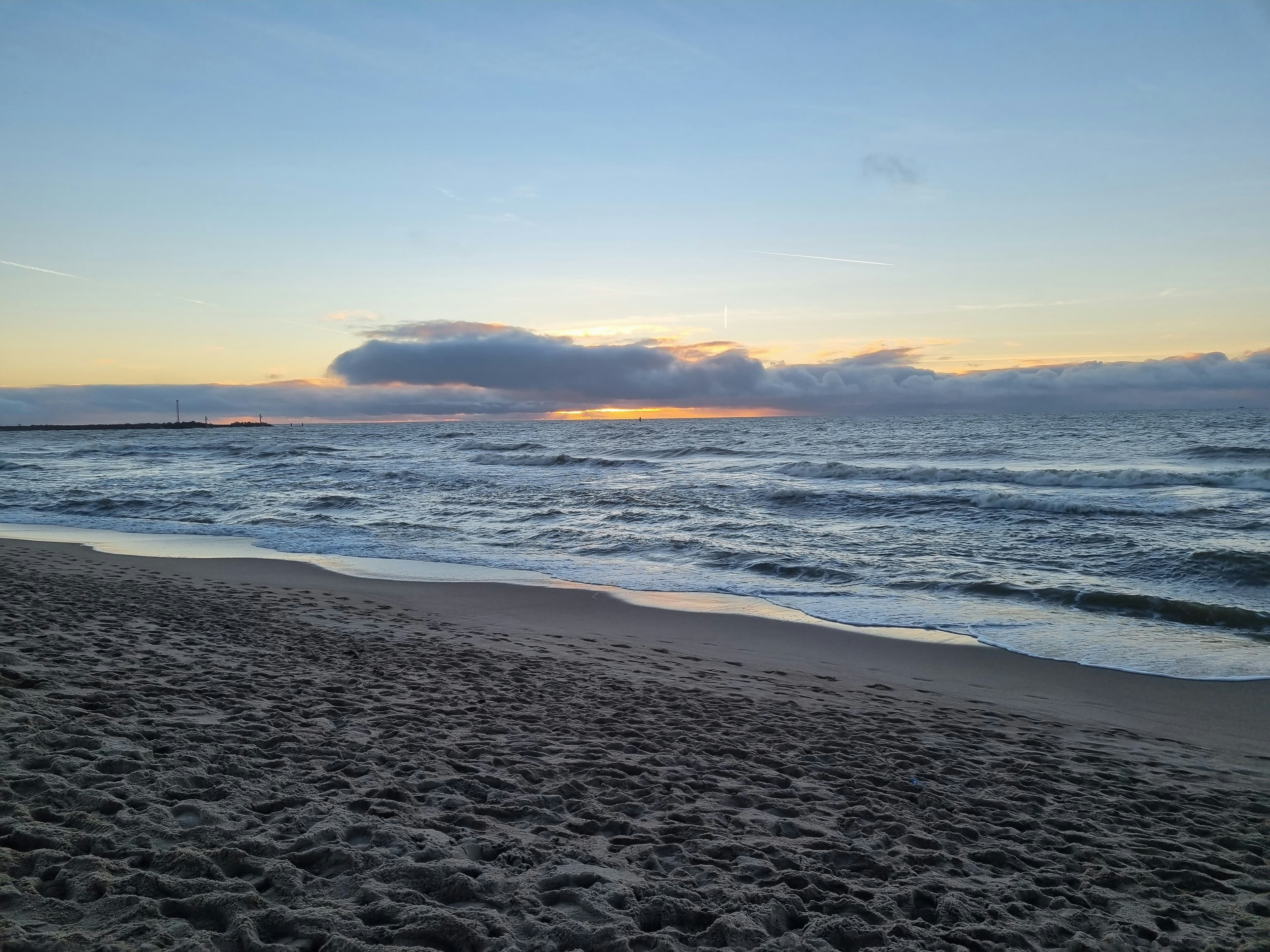
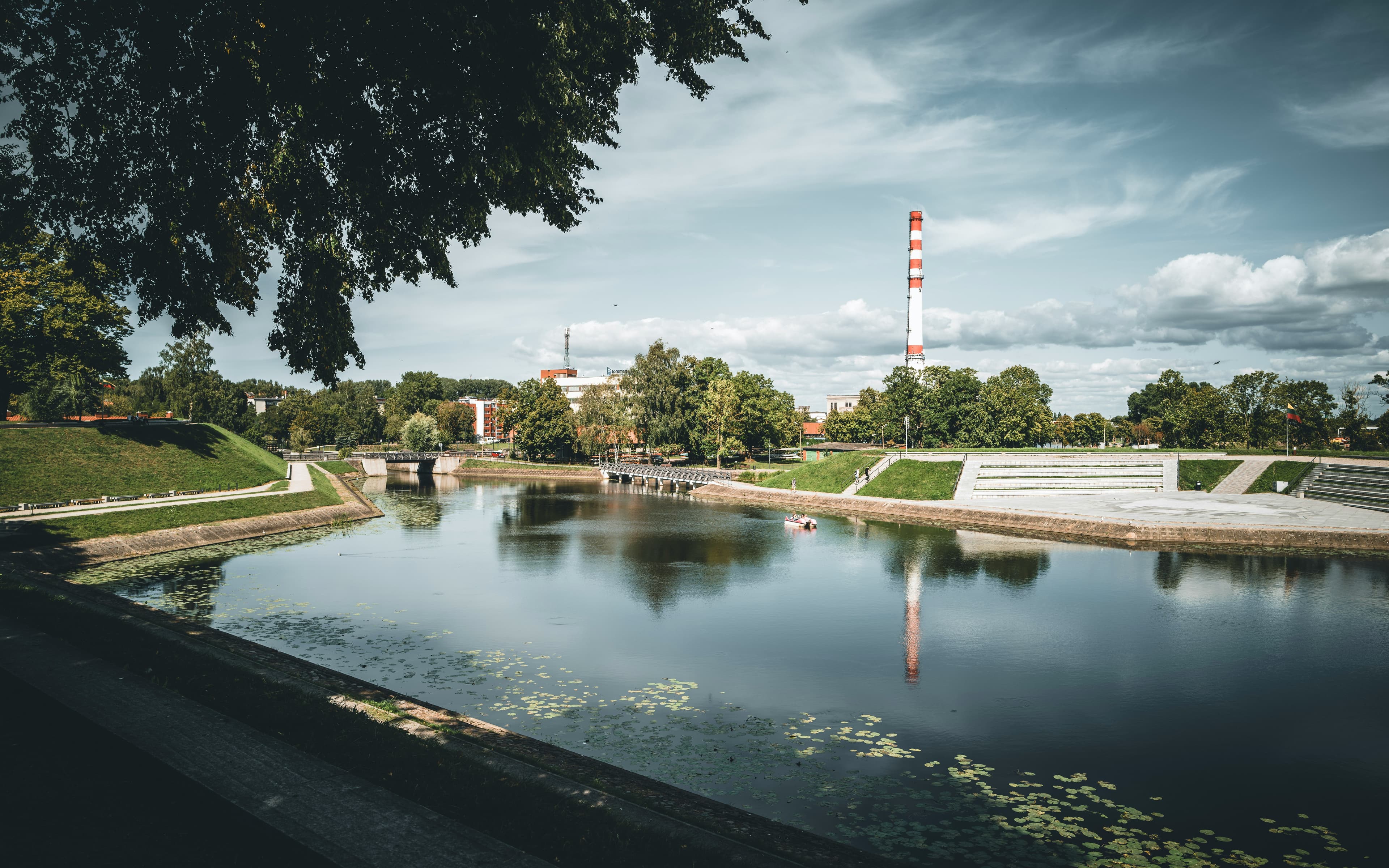
 Day 15Latvia
Riga
입항 07:00 · 출항 15:00
도시 가이드 펼쳐보기▾▴
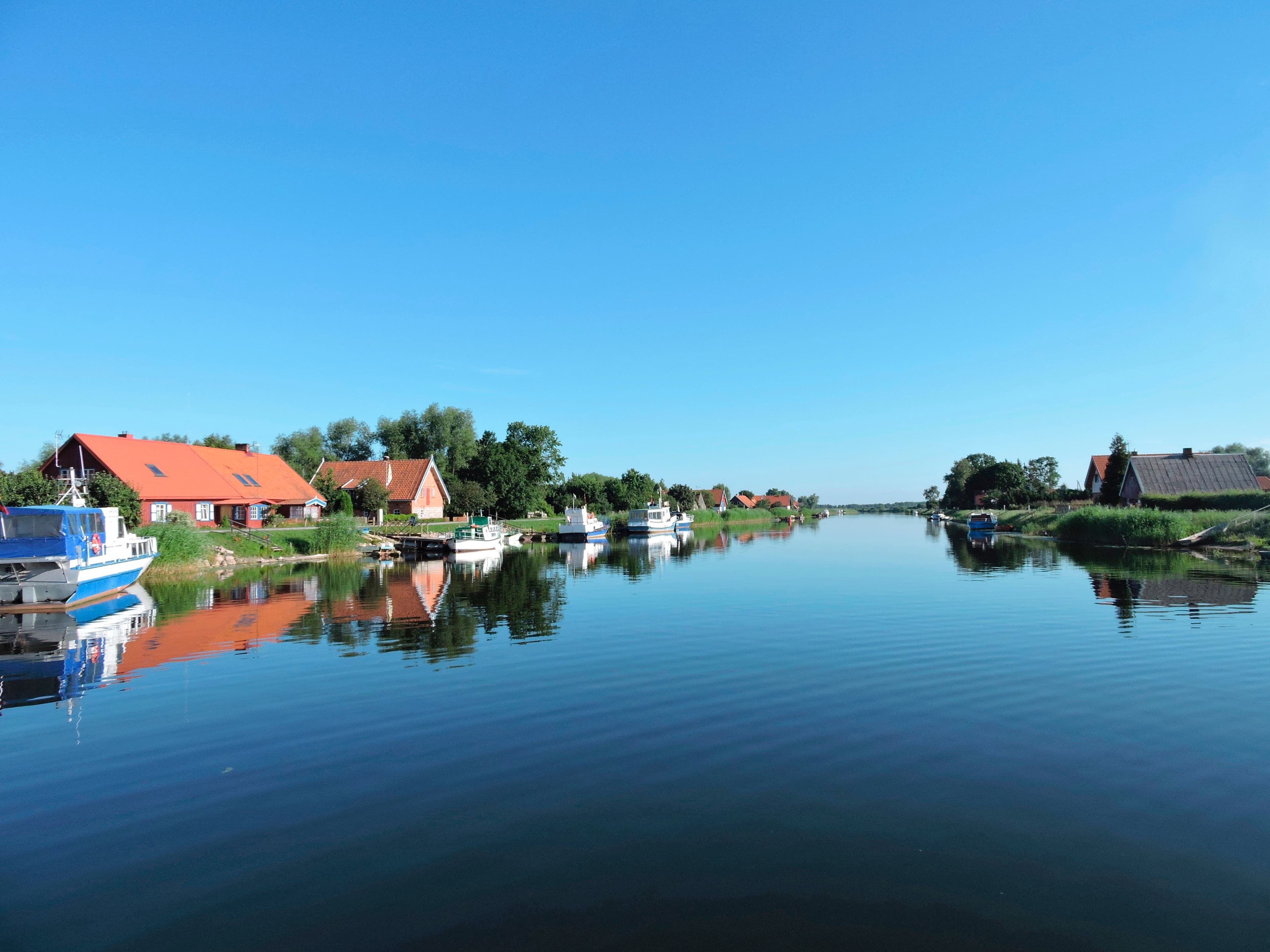
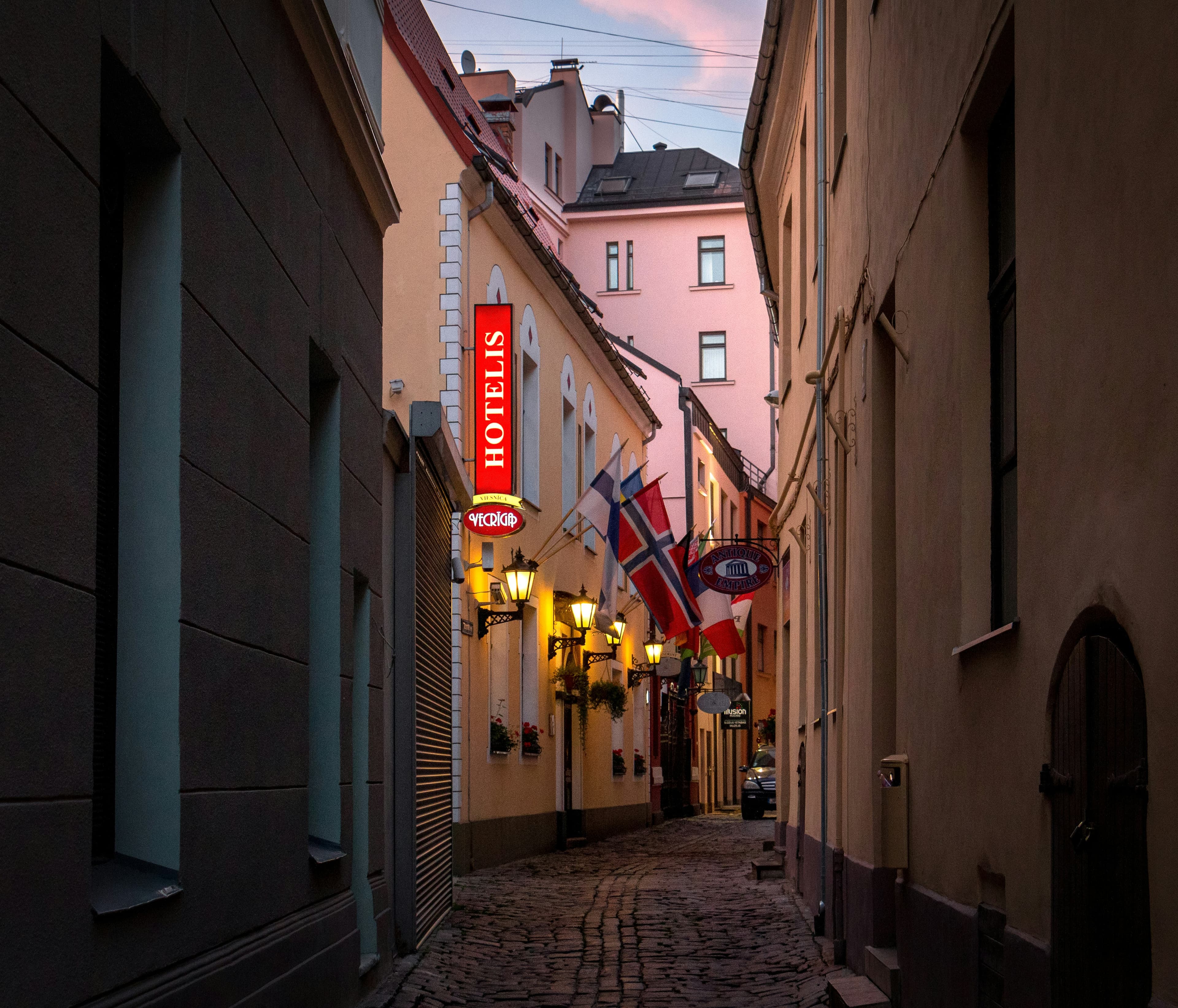
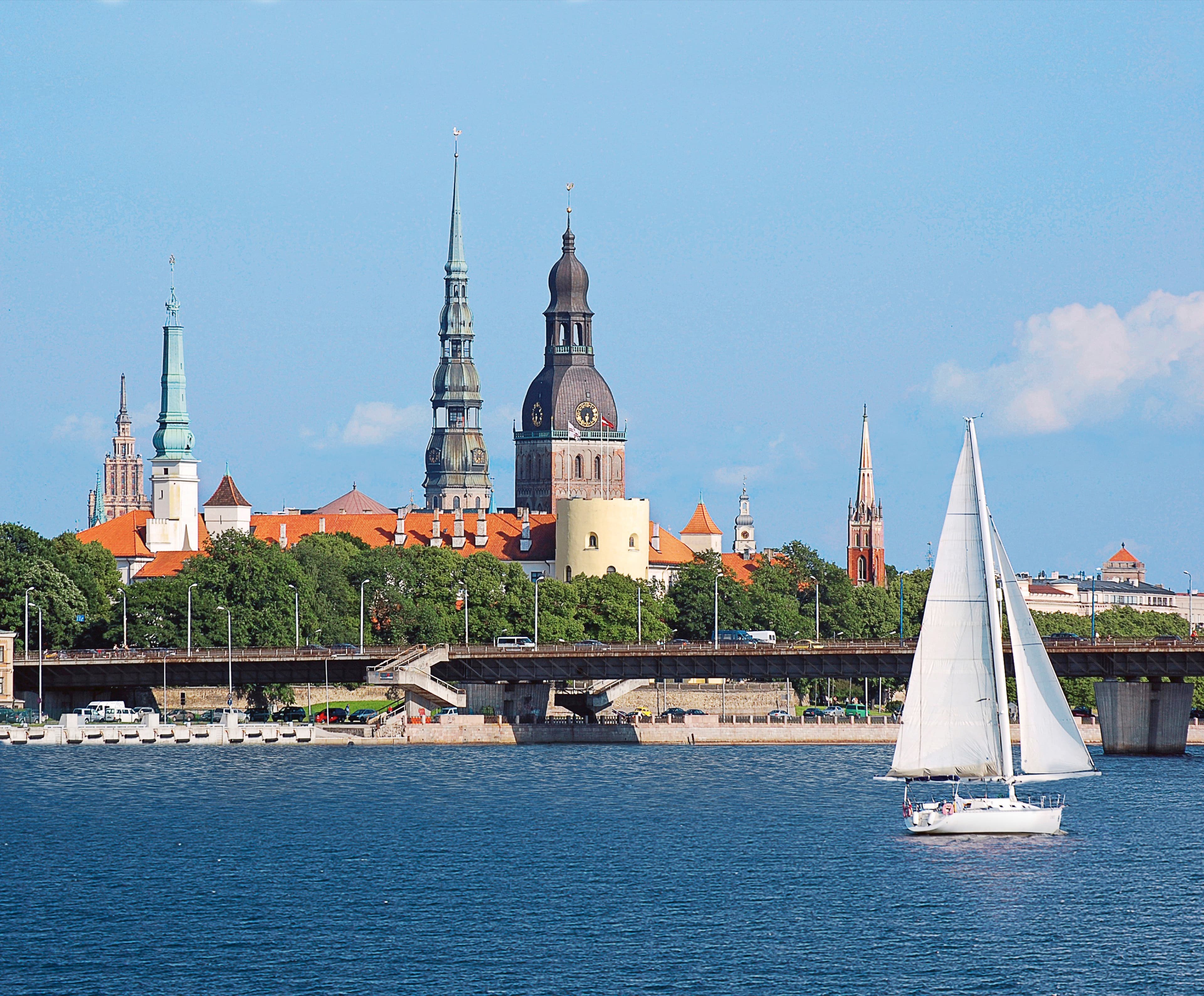
Rīga has an upscale, big-city feel unmatched in the region. The capital (almost as large as Tallinn and Vilnius combined) is the business center of the area while original, high-quality restaurants and hotels have earned Rīga some bragging rights among its Western European counterparts. The city also doesn't lack for beauty—Rīga's Old Town (now a UNESCO World Heritage site) is one of Europe’s most striking examples of the art nouveau architectural style. Long avenues of complex and sometimes whimsical Jugendstil facades hint at Rīga's grand past. Many were designed by Mikhail Eisenstein, the father of Soviet director Sergei. This style dominates the city center. In many ways, the wonder of Rīga resides less in its individual attractions and more in the fabric of the town itself. In the medieval Old Town, an ornate gable or architrave catches the eye at every turn. The somber and the flamboyant are both represented in this quarter's 1,000 years of architectural history. Don't hesitate to just follow where your desire leads—the Old Town is compact and bounded by canals, so it's difficult to get totally lost. When the Old Town eventually became too crowded, the city burst out into the newer inner suburbs. The rich could afford to leave and build themselves fine fashionable mansions in the style of the day; consequently, city planners created a whole new Rīga. Across the narrow canal, you'll find the Esplanāde, a vast expanse of parkland with formal gardens and period mansions where the well-heeled stroll and play. Surrounding this is the art nouveau district. Encompassing avenues of splendid family homes (now spruced up in the postcommunist era), the collection has been praised by UNESCO as Europe's finest in the art nouveau style. The best examples are at Alberta 2, 2a, 4, 6, 8, and 13; Elizabetes 10b; and Strēlnieku 4a. If the weather permits, eschew public transport and stroll between the two districts, taking in the varied skylines and multifaceted facades, and perhaps stopping at a café or two as you go. The city has churches in five Christian denominations and more than 50 museums, many of which cater to eclectic or specialist tastes.
📷 4장 사진지도에서 보기 →📷 Riga 사진 더 보기▾

 Day 16Estonia
Tallinn
입항 09:00 · 출항 18:00
도시 가이드 펼쳐보기▾▴
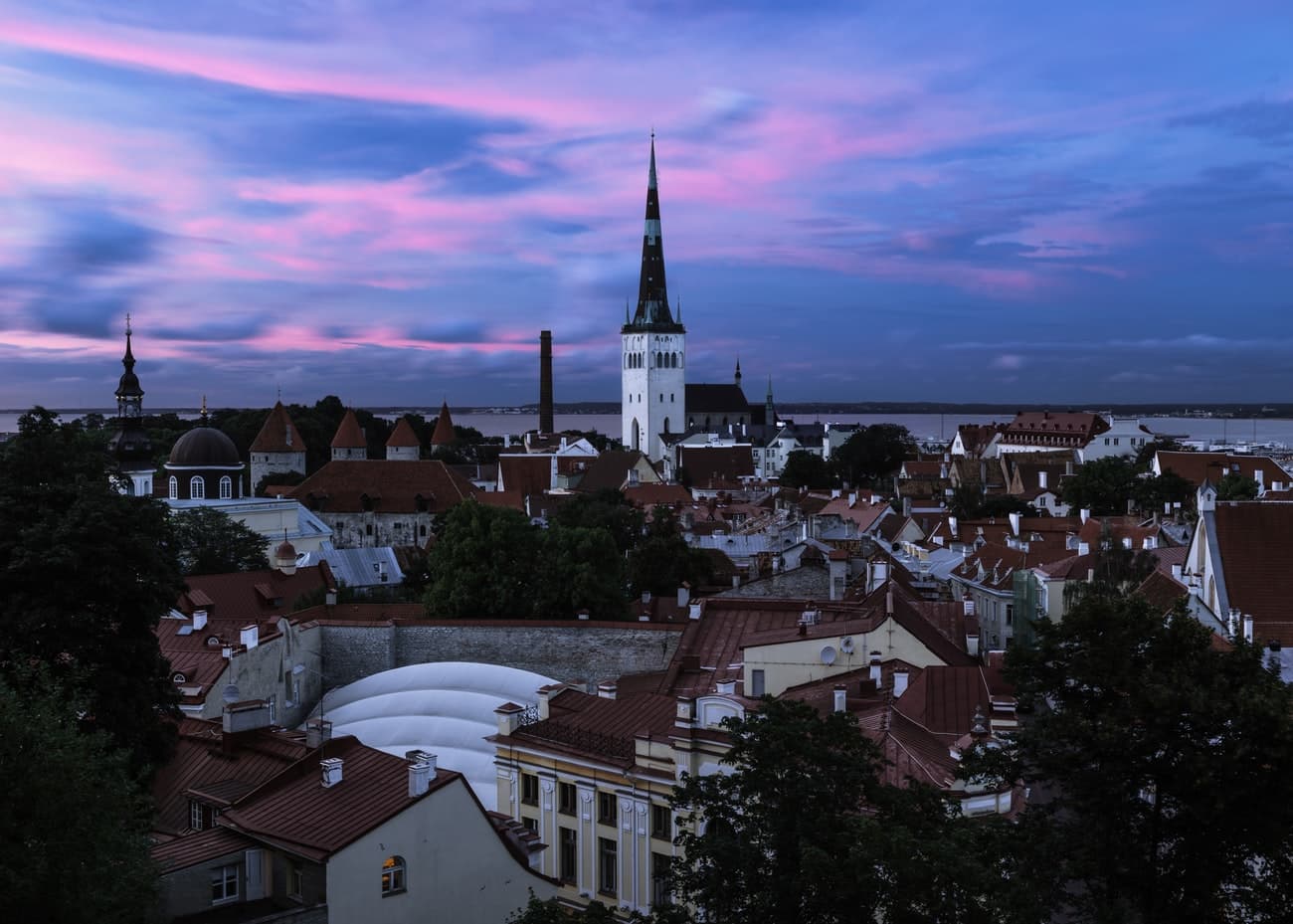
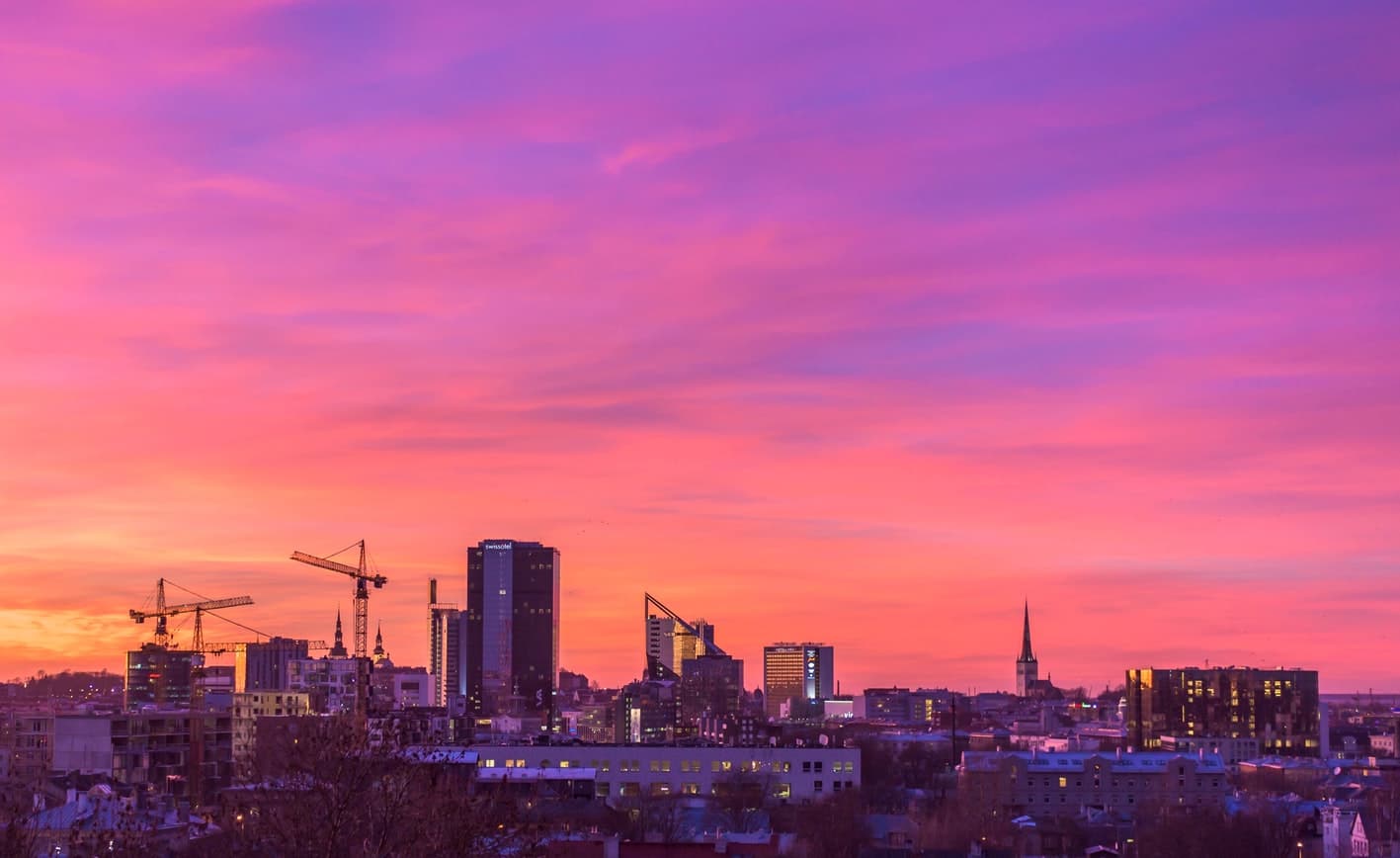
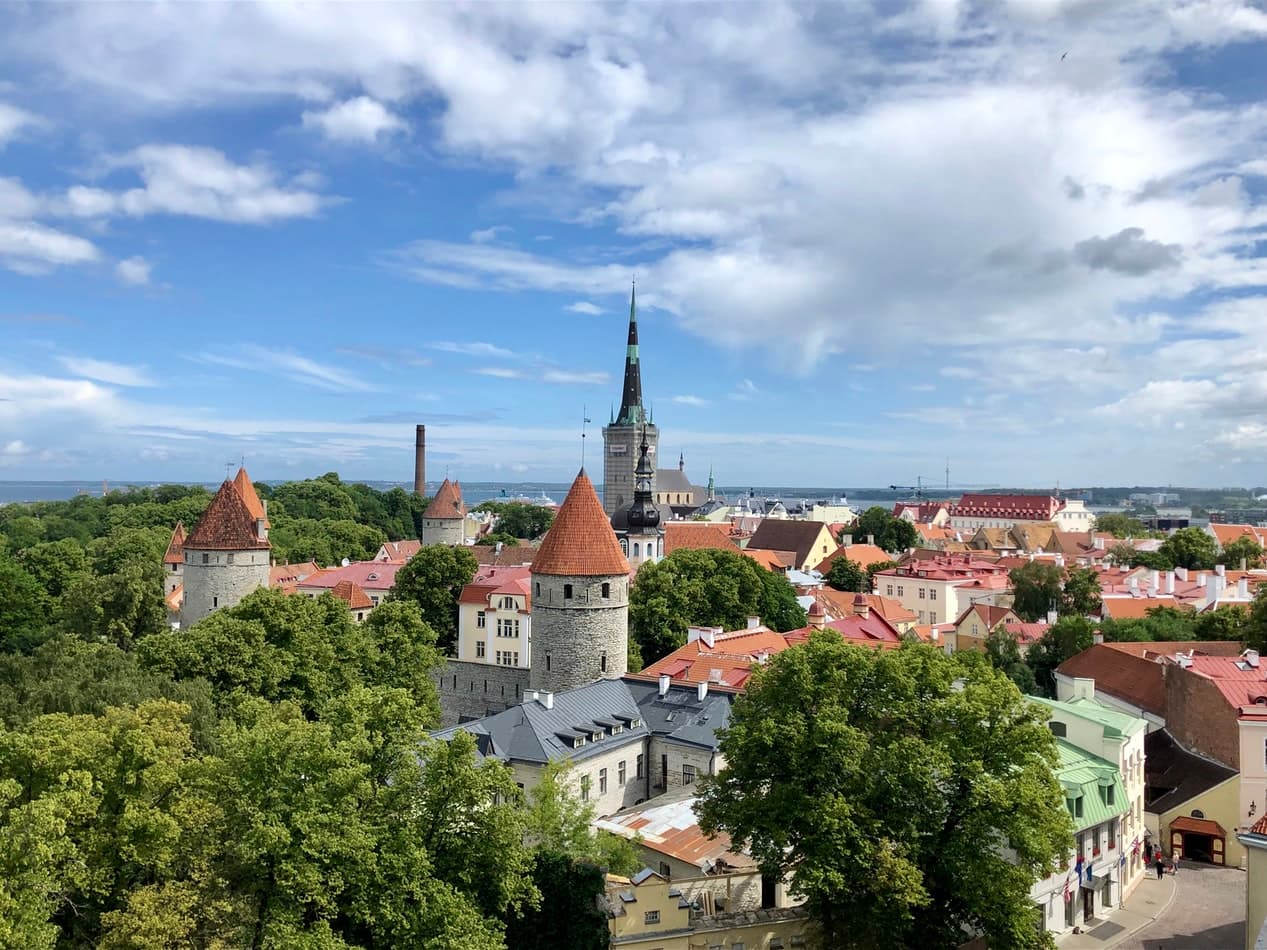
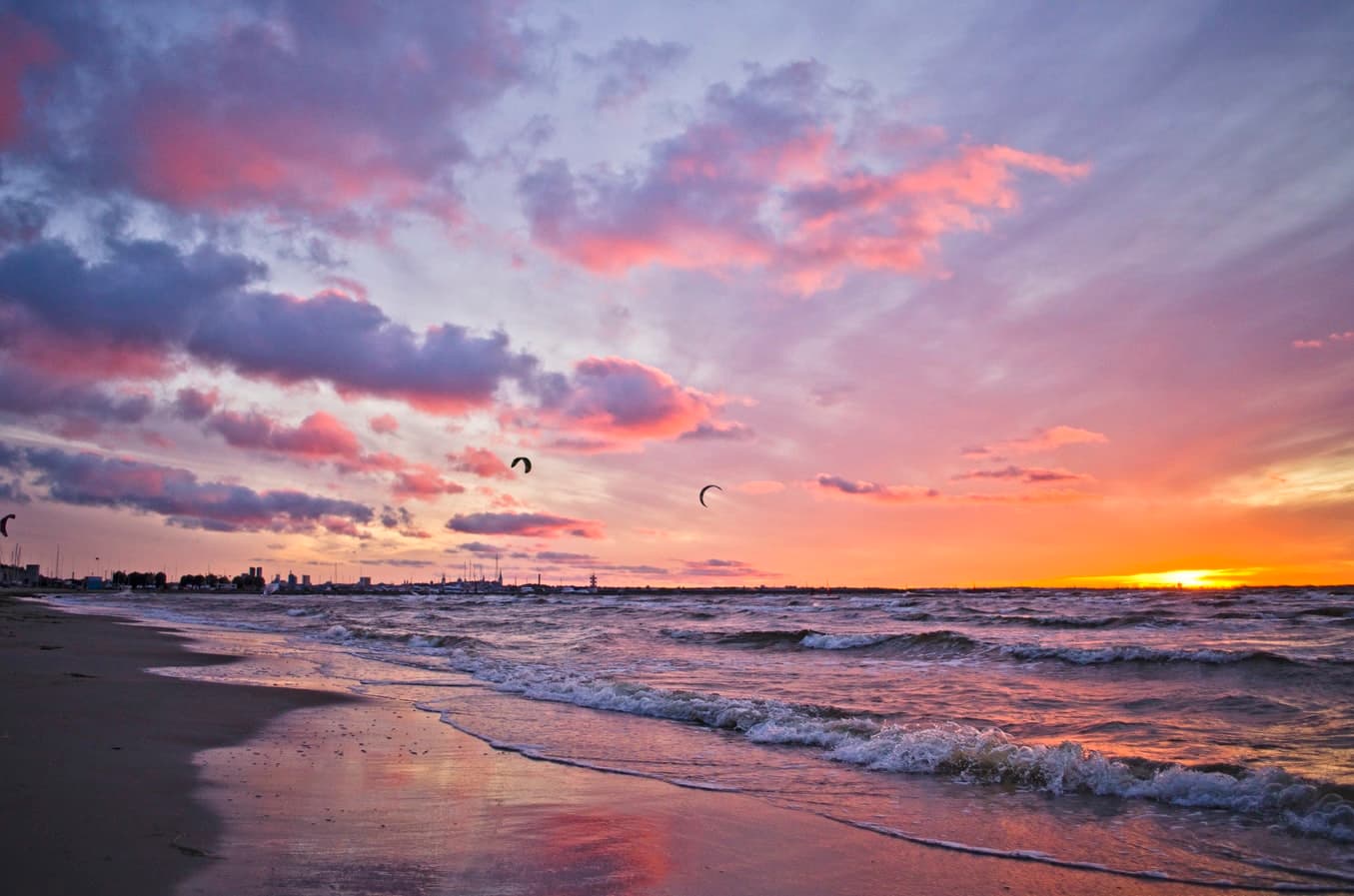
Estonia's history is sprinkled liberally with long stretches of foreign domination, beginning in 1219 with the Danes, followed without interruption by the Germans, Swedes, and Russians. Only after World War I, with Russia in revolutionary wreckage, was Estonia able to declare its independence. Shortly before World War II, in 1940, that independence was usurped by the Soviets, who—save for a brief three-year occupation by Hitler's Nazis—proceeded to suppress all forms of national Estonian pride for the next 50 years. Estonia finally regained independence in 1991. In the early 1990s, Estonia's own Riigikogu (Parliament), not some other nation's puppet ruler, handed down from the Upper City reforms that forced Estonia to blaze its post-Soviet trail to the European Union. Estonia has been a member of the EU since 2004, and in 2011, the country and its growing economy joined the Eurozone. Tallinn was also named the European City of Culture in 2011, cementing its growing reputation as a cultural hot spot.
📷 5장 사진지도에서 보기 →📷 Tallinn 사진 더 보기▾

 Day 17Finland
Helsinki
입항 08:00 · 출항 18:00
도시 가이드 펼쳐보기▾▴
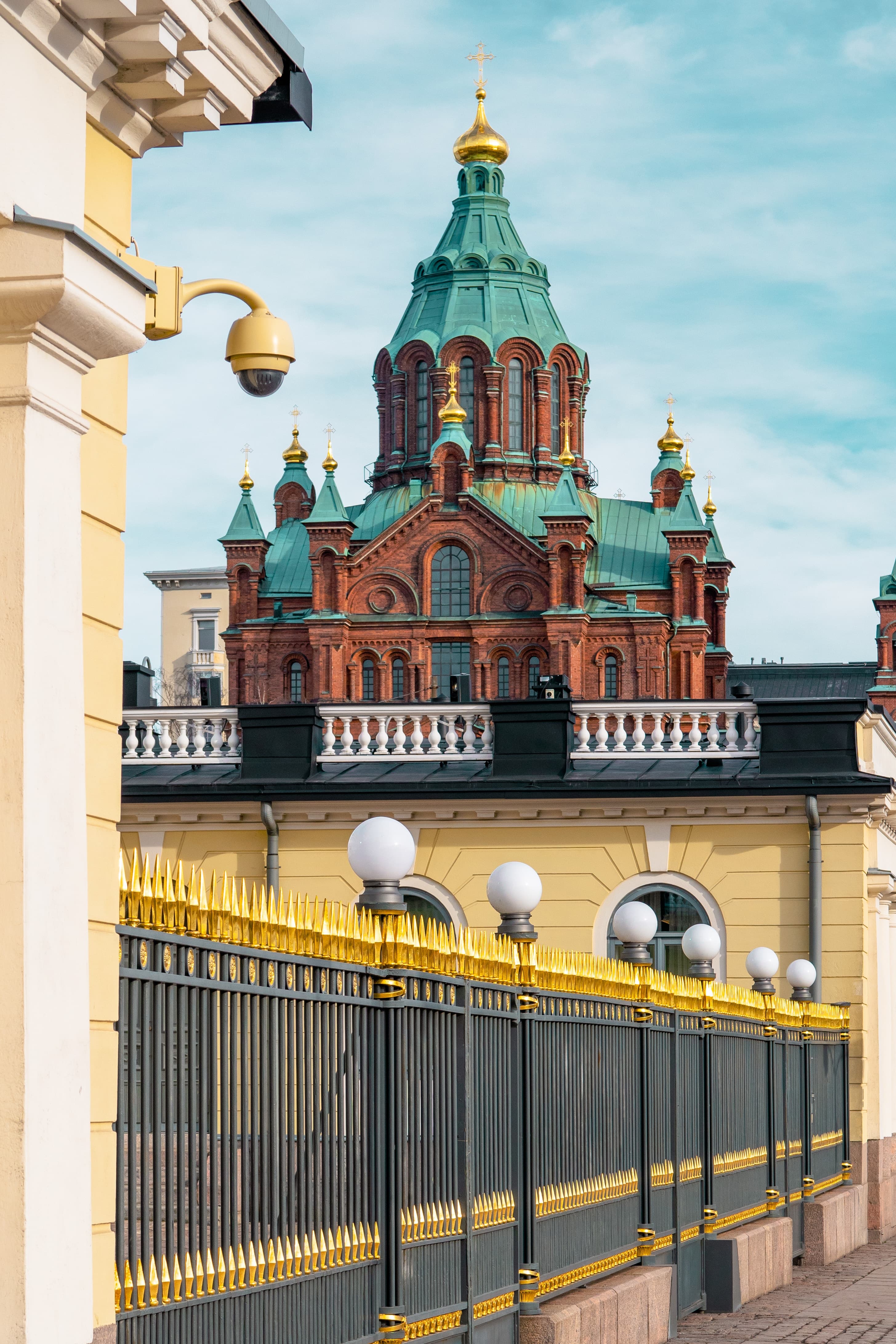
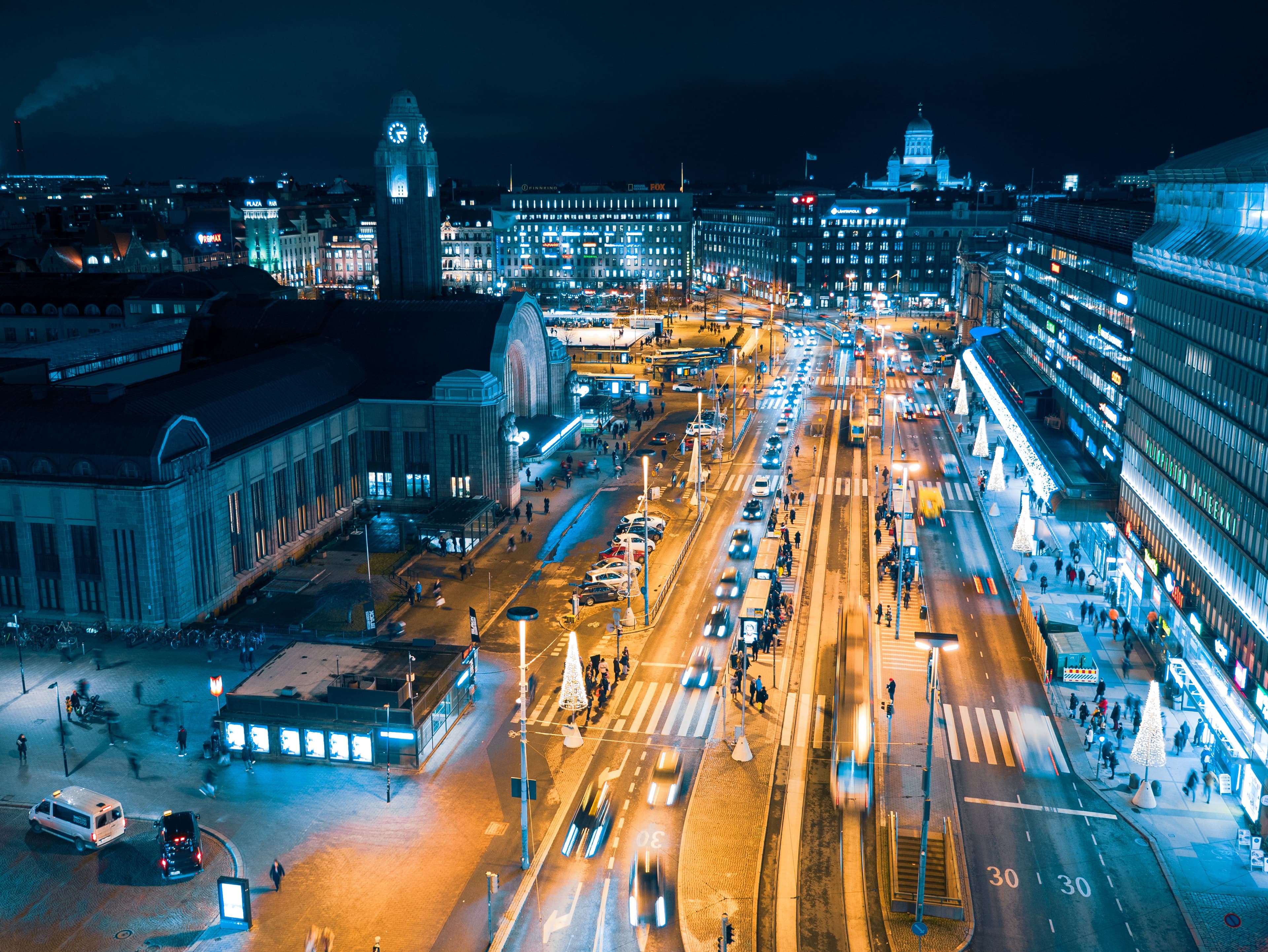
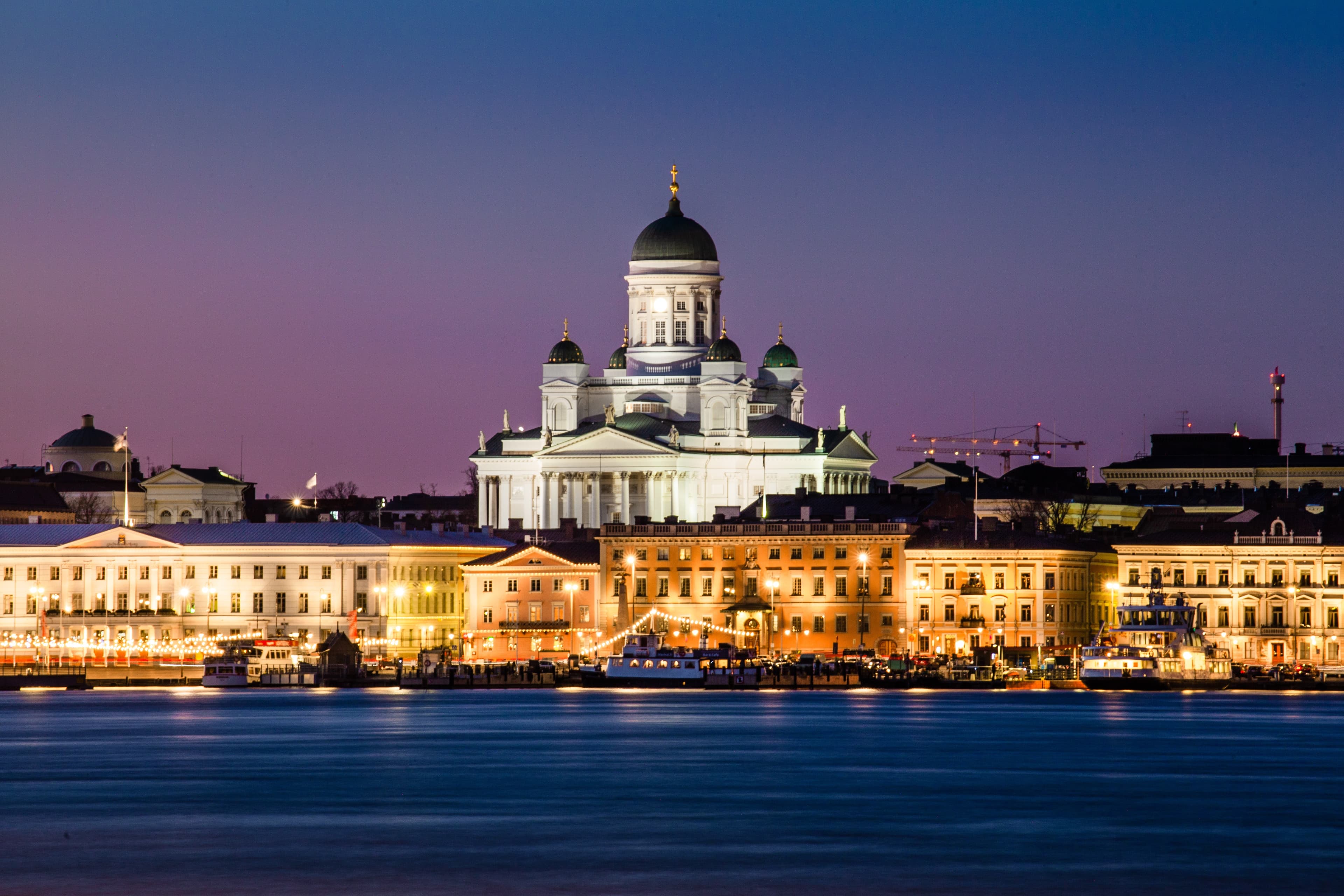
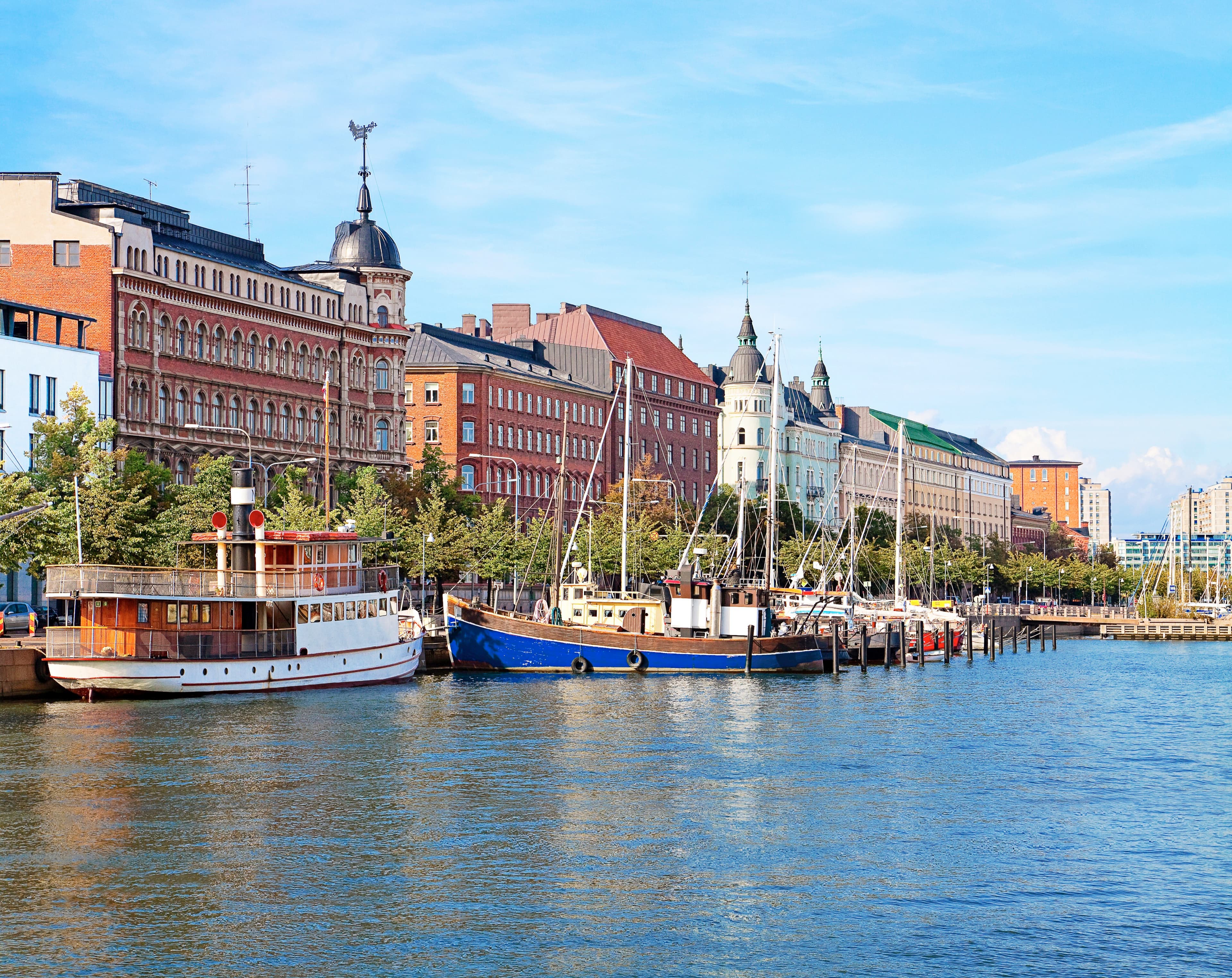
A city of the sea, Helsinki was built along a series of oddly shaped peninsulas and islands jutting into the Baltic coast along the Gulf of Finland. Streets and avenues curve around bays, bridges reach to nearby islands, and ferries ply among offshore islands.Having grown dramatically since World War II, Helsinki now absorbs more than one-tenth of the Finnish population. The metro area covers 764 square km (474 square miles) and 315 islands. Most sights, hotels, and restaurants cluster on one peninsula, forming a compact central hub. The greater Helsinki metropolitan area, which includes Espoo and Vantaa, has a total population of more than a million people.Helsinki is a relatively young city compared with other European capitals. In the 16th century, King Gustav Vasa of Sweden decided to woo trade from the Estonian city of Tallinn and thus challenge the Hanseatic League's monopoly on Baltic trade. Accordingly, he commanded the people of four Finnish towns to pack up their belongings and relocate to the rapids on the River Vantaa. The new town, founded on June 12, 1550, was named Helsinki.For three centuries, Helsinki (Helsingfors in Swedish) had its ups and downs as a trading town. Turku, to the west, remained Finland's capital and intellectual center. However, Helsinki's fortunes improved when Finland fell under Russian rule as an autonomous grand duchy. Czar Alexander I wanted Finland's political center closer to Russia and, in 1812, selected Helsinki as the new capital. Shortly afterward, Turku suffered a disastrous fire, forcing the university to move to Helsinki. The town's future was secure.Just before the czar's proclamation, a fire destroyed many of Helsinki's traditional wooden structures, precipitating the construction of new buildings suitable for a nation's capital. The German-born architect Carl Ludvig Engel was commissioned to rebuild the city, and as a result, Helsinki has some of the purest neoclassical architecture in the world. Add to this foundation the influence of Stockholm and St. Petersburg with the local inspiration of 20th-century Finnish design, and the result is a European capital city that is as architecturally eye-catching as it is distinct from other Scandinavian capitals. You are bound to discover endless engaging details—a grimacing gargoyle; a foursome of males supporting a balcony's weight on their shoulders; a building painted in striking colors with contrasting flowers in the windows. The city's 400 or so parks make it particularly inviting in summer.Today, Helsinki is still a meeting point of eastern and western Europe, which is reflected in its cosmopolitan image, the influx of Russians and Estonians, and generally multilingual population. Outdoor summer bars ("terrassit" as the locals call them) and cafés in the city center are perfect for people watching on a summer afternoon.
📷 4장 사진지도에서 보기 →📷 Helsinki 사진 더 보기▾
 Day 18Sweden
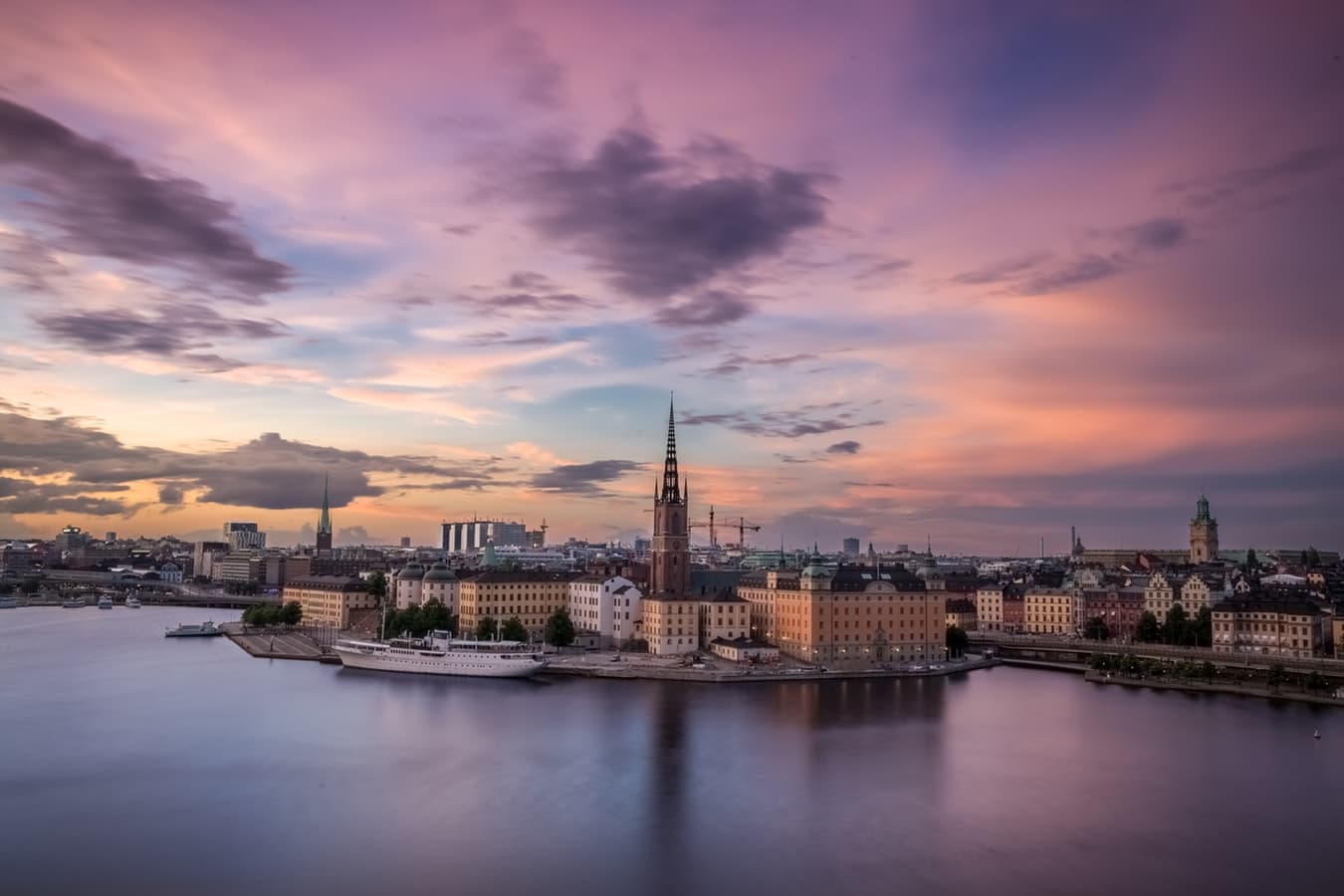
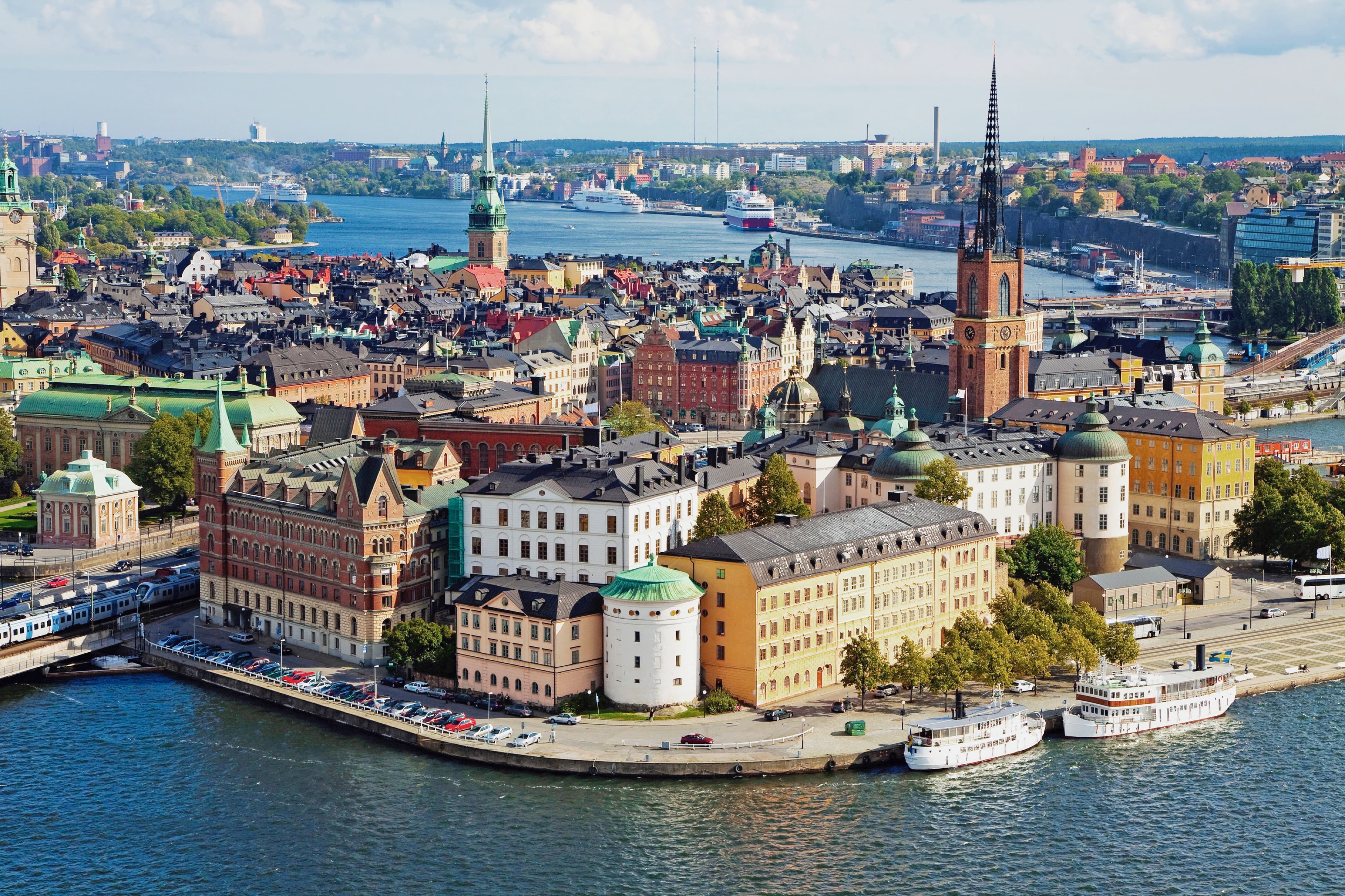
Stockholm
입항 10:00 · 출항 23:59
도시 가이드 펼쳐보기▾▴
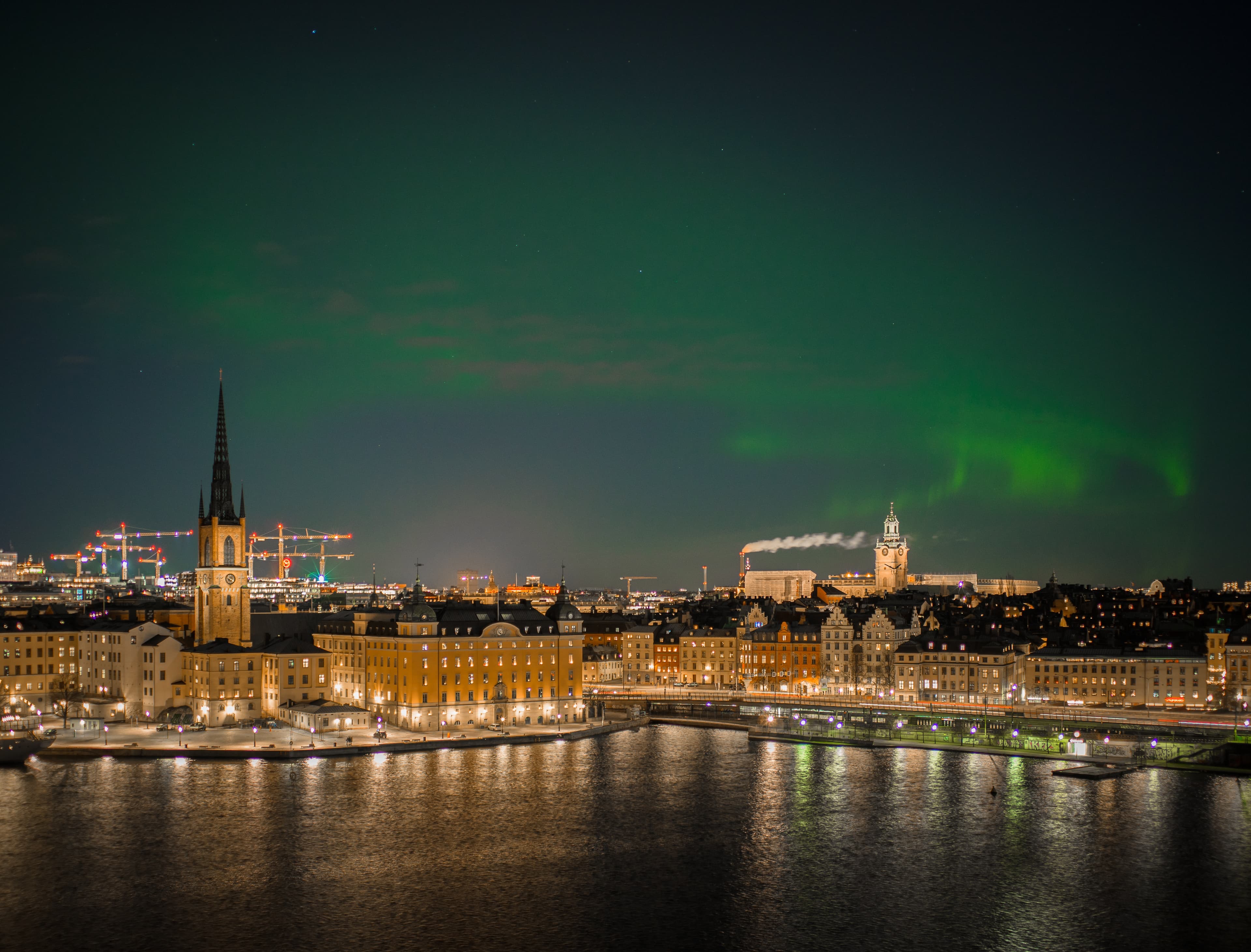
Stockholm is a city in the flush of its second youth. Since the mid-1990s, Sweden's capital has emerged from its cold, Nordic shadow to take the stage as a truly international city. What started with entry into the European Union in 1995 gained pace with the extraordinary IT boom of the late 1990s, strengthened with the Skype-led IT second wave of 2003, and solidified with the hedge-fund invasion that is still happening today as Stockholm gains even more global confidence. And despite more recent economic turmoil, Stockholm's 1 million or so inhabitants have, almost as one, realized that their city is one to rival Paris, London, New York, or any other great metropolis.With this realization comes change. Stockholm has become a city of design, fashion, innovation, technology, and world-class food, pairing homegrown talent with an international outlook. The streets are flowing with a young and confident population keen to drink in everything the city has to offer. The glittering feeling of optimism, success, and living in the here and now is rampant in Stockholm.Stockholm also has plenty of history. Positioned where the waters of Lake Mälaren rush into the Baltic, it’s been an important trading site and a wealthy international city for centuries. Built on 14 islands joined by bridges crossing open bays and narrow channels, Stockholm boasts the story of its history in its glorious medieval old town, grand palaces, ancient churches, sturdy edifices, public parks, and 19th-century museums—its history is soaked into the very fabric of its airy boulevards, built as a public display of trading glory.
📷 5장 사진지도에서 보기 →📷 Stockholm 사진 더 보기▾


- Day 19Sweden
Stockholm
입항 00:01 (도착)
도시 가이드 펼쳐보기▾▴
Stockholm is a city in the flush of its second youth. Since the mid-1990s, Sweden's capital has emerged from its cold, Nordic shadow to take the stage as a truly international city. What started with entry into the European Union in 1995 gained pace with the extraordinary IT boom of the late 1990s, strengthened with the Skype-led IT second wave of 2003, and solidified with the hedge-fund invasion that is still happening today as Stockholm gains even more global confidence. And despite more recent economic turmoil, Stockholm's 1 million or so inhabitants have, almost as one, realized that their city is one to rival Paris, London, New York, or any other great metropolis.With this realization comes change. Stockholm has become a city of design, fashion, innovation, technology, and world-class food, pairing homegrown talent with an international outlook. The streets are flowing with a young and confident population keen to drink in everything the city has to offer. The glittering feeling of optimism, success, and living in the here and now is rampant in Stockholm.Stockholm also has plenty of history. Positioned where the waters of Lake Mälaren rush into the Baltic, it’s been an important trading site and a wealthy international city for centuries. Built on 14 islands joined by bridges crossing open bays and narrow channels, Stockholm boasts the story of its history in its glorious medieval old town, grand palaces, ancient churches, sturdy edifices, public parks, and 19th-century museums—its history is soaked into the very fabric of its airy boulevards, built as a public display of trading glory.
📷 5장 사진지도에서 보기 →📷 Stockholm 사진 더 보기▾
객실 등급별 가격
Inside·Oceanview·Balcony·Suite + Solo까지 모든 등급을 비교해보세요.
총 40개 등급 · Solo 1인 가능 · $1,122~ ~ $32,507~
| 등급 | 타입 | 2인 1실 (1인당) |
|---|---|---|
Accomodation with One Cabin Change During the Cruise Escape To Sea Cruise Only | Inside (내측) | $2,042~ |
Interior Bella Escape To Sea Cruise Only Bella | Inside (내측) | $2,042~ |
Junior Interior (13 Sqm - Decks 5-10) Escape To Sea Cruise Only | Inside (내측) | $2,202~ |
Junior Interior (13sqm - Decks 11-12) Escape To Sea Cruise Only | Inside (내측) | $2,232~ |
Ocean View Bella Escape To Sea Cruise Only Bella | Oceanview (오션뷰) | $2,492~ |
Deluxe Ocean View with Obstructed View (Obstructed View - 15 Sqm - Deck 8) Escape To Sea Cruise Only | Oceanview (오션뷰) | $2,612~ |
Deluxe Ocean View (16 Sqm - Decks 5-12) Escape To Sea Cruise Only | Oceanview (오션뷰) | $2,772~ |
Interior Bella Drinks And Wifi Included Bella | Inside (내측) | $3,014~ |
Accomodation with One Cabin Change During the Cruise Drinks And Wifi Included | Inside (내측) | $3,014~ |
Balcony Bella Escape To Sea Cruise Only Bella | Balcony (발코니) | $3,072~ |
Deluxe Balcony with Partial View (Partial View - 16 Sqm - Balcony 5 Sqm - Deck 12) Escape To Sea Cruise Only | Balcony (발코니) | $3,132~ |
Junior Interior (13 Sqm - Decks 5-10) Drinks And Wifi Included | Inside (내측) | $3,174~ |
Junior Interior (13sqm - Decks 11-12) Drinks And Wifi Included | Inside (내측) | $3,204~ |
Junior Balcony (14 Sqm - Balcony 5 Sqm - Decks 8-9) Escape To Sea Cruise Only | Balcony (발코니) | $3,282~ |
Junior Balcony (14 Sqm - Balcony 5 Sqm - Decks 10-14) Escape To Sea Cruise Only | Balcony (발코니) | $3,312~ |
Deluxe Balcony (16 Sqm - Balcony 5 Sqm - Deck 9) Escape To Sea Cruise Only | Balcony (발코니) | $3,432~ |
Deluxe Balcony (16 Sqm - Balcony 5 Sqm - Decks 10-15) Escape To Sea Cruise Only | Balcony (발코니) | $3,462~ |
Ocean View Bella Drinks And Wifi Included Bella | Oceanview (오션뷰) | $3,464~ |
Premium Balcony (18 Sqm - Balcony 4 Sqm - Decks 8-9) Escape To Sea Cruise Only | Balcony (발코니) | $3,572~ |
Deluxe Ocean View with Obstructed View (Obstructed View - 15 Sqm - Deck 8) Drinks And Wifi Included | Oceanview (오션뷰) | $3,584~ |
Deluxe Ocean View (16 Sqm - Decks 5-12) Drinks And Wifi Included | Oceanview (오션뷰) | $3,744~ |
Deluxe Balcony Aurea (16 Sqm - Balcony 5 Sqm - Decks 10-11) Escape To Sea Cruise Only Aurea | Balcony (발코니) | $3,822~ |
Balcony Bella Drinks And Wifi Included Bella | Balcony (발코니) | $4,044~ |
Deluxe Balcony with Partial View (Partial View - 16 Sqm - Balcony 5 Sqm - Deck 12) Drinks And Wifi Included | Balcony (발코니) | $4,104~ |
Junior Balcony (14 Sqm - Balcony 5 Sqm - Decks 8-9) Drinks And Wifi Included | Balcony (발코니) | $4,254~ |
Junior Balcony (14 Sqm - Balcony 5 Sqm - Decks 10-14) Drinks And Wifi Included | Balcony (발코니) | $4,284~ |
Deluxe Balcony (16 Sqm - Balcony 5 Sqm - Deck 9) Drinks And Wifi Included | Balcony (발코니) | $4,404~ |
Deluxe Balcony (16 Sqm - Balcony 5 Sqm - Decks 10-15) Drinks And Wifi Included | Balcony (발코니) | $4,434~ |
Premium Balcony (18 Sqm - Balcony 4 Sqm - Decks 8-9) Drinks And Wifi Included | Balcony (발코니) | $4,544~ |
Junior Suite Aurea (23 Sqm - Balcony 4 Sqm - Decks 9-12) Escape To Sea Cruise Only Aurea | Suite (스위트) | $4,682~ |
Deluxe Balcony Aurea (16 Sqm - Balcony 5 Sqm - Decks 10-11) Drinks And Wifi Included Aurea | Balcony (발코니) | $4,794~ |
Msc Yacht Club Interior Suite (20sqm - Deck 12) Escape To Sea Cruise Only Yacht Club | Inside (내측) | $4,802~ |
Msc Yacht Club Interior Suite (20sqm - Deck 12) Drinks And Wifi Included Yacht Club | Inside (내측) | $4,802~ |
Junior Suite Aurea (23 Sqm - Balcony 4 Sqm - Decks 9-12) Drinks And Wifi Included Aurea | Suite (스위트) | $5,654~ |
Msc Yacht Club Deluxe Suite (module 25sqm - Balcony 6sqm - Decks 14-15) Escape To Sea Cruise Only Yacht Club | Suite (스위트) | $7,412~ |
Msc Yacht Club Deluxe Suite (module 25sqm - Balcony 6sqm - Decks 14-15) Drinks And Wifi Included Yacht Club | Suite (스위트) | $7,412~ |
Msc Yacht Club Executive and Family Suites with Balcony (module 32 Sqm - Balcony 12 Sqm - Deck 14) Escape To Sea Cruise Only Yacht Club | Suite (스위트) | $10,362~ |
Msc Yacht Club Executive and Family Suites with Balcony (module 32 Sqm - Balcony 12 Sqm - Deck 14) Drinks And Wifi Included Yacht Club | Suite (스위트) | $10,362~ |
Msc Yacht Club Royal Suite with Whirlpool Bath (module 50sqm - Balcony 78sqm - Deck 15) Escape To Sea Cruise Only Yacht Club | Suite (스위트) | $15,612~ |
Msc Yacht Club Royal Suite with Whirlpool Bath (module 50sqm - Balcony 78sqm - Deck 15) Drinks And Wifi Included Yacht Club | Suite (스위트) | $15,612~ |
어떤 등급이 좋을지 모르겠다면?
AI 컨시어지에게 5가지(인원·예산·발코니 필수 여부·위치 선호·식사 선호)만 답해주시면 가장 맞는 등급 3개를 추천해드려요.
🇰🇷 한국 고객이 미리 알아야 할 5가지▾
- 팁(Gratuity) — 1인 1박 약 $14~25 자동청구. 7박 부부 = 약 $250 추가.
- Formal Night — 7박 일정 중 1~2회 정장 의무 또는 권장 (선사별 상이).
- Wi-Fi — 기본 무료 분량 0. 일 $25~75 패키지. 한국 KT/SK 로밍과 비교 필요.
- 영문 결제 — 영문 카드 + 명의 일치 필수. 트래블러스맵이 결제 화면 한국어로 안내드려요.
- 미국 모항 시 — ESTA + 여권 잔여기간 6개월 이상 필수.
선박 소개 — MSC Magnifica
선박 풀 가이드 →Musica · super
MSC Magnifica is thoughtfully designed for longer voyages, offering almost exclusively balcony cabins and exceptionally generous indoor and outdoor spaces. Guests can enjoy a range of water facilities, including an indoor pool ideal for all-weather relaxation, as well as dedicated kids' areas, restaurants where personalised service enhance every dining experience, along with a theatre presenting a spectacular show every evening.
총톤수
95,128 GT
길이
293 m
승객
3,223명
승무원
987명
객실
1,259실
갑판
13층
진수
2010
운항속도
22 노트
객실 타입 19종
다이닝 8곳
엔터테인먼트 & 시설 22종
갑판 평면도 12층
클릭하면 평면도 확대해서 볼 수 있어요.
갤러리
MSC Magnifica 외관
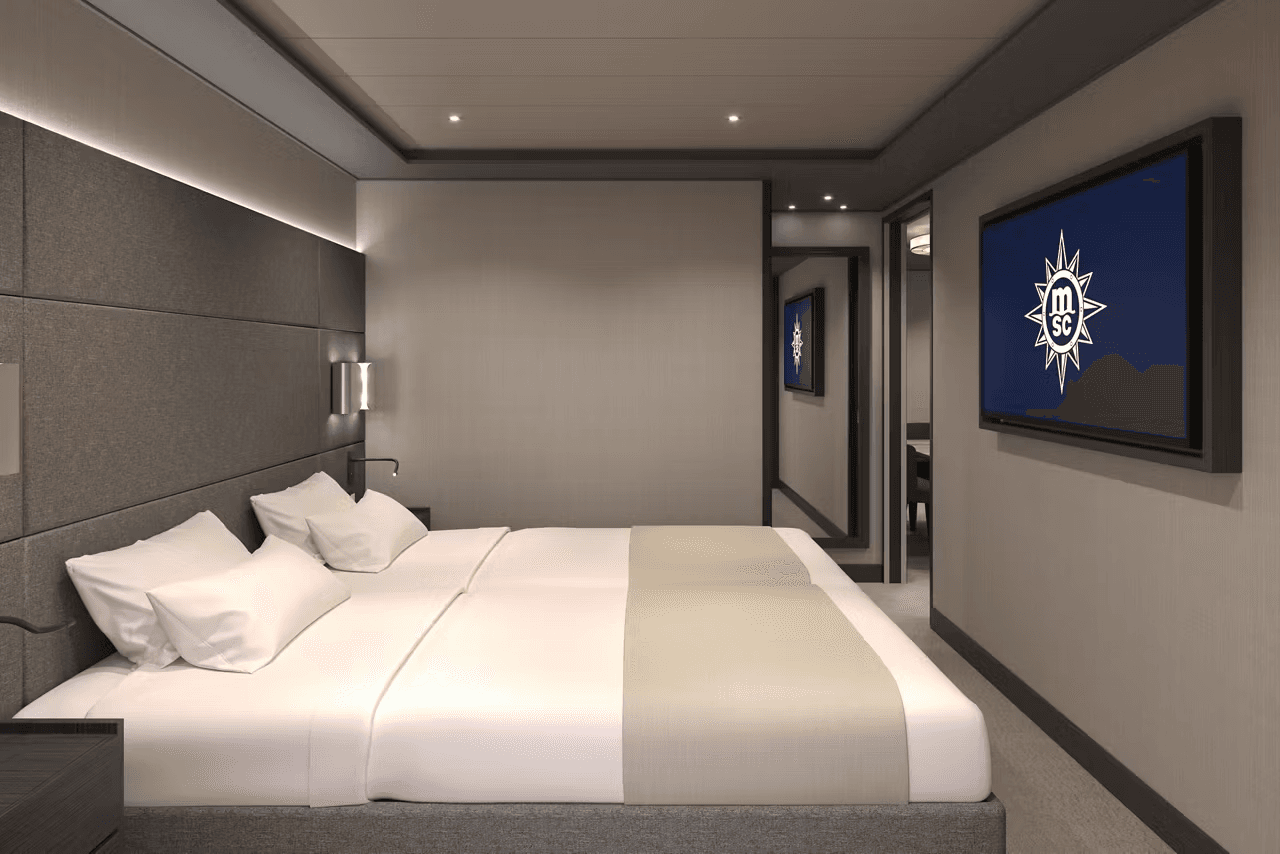
Yacht Club Royal Suite with Whirlpool Bath
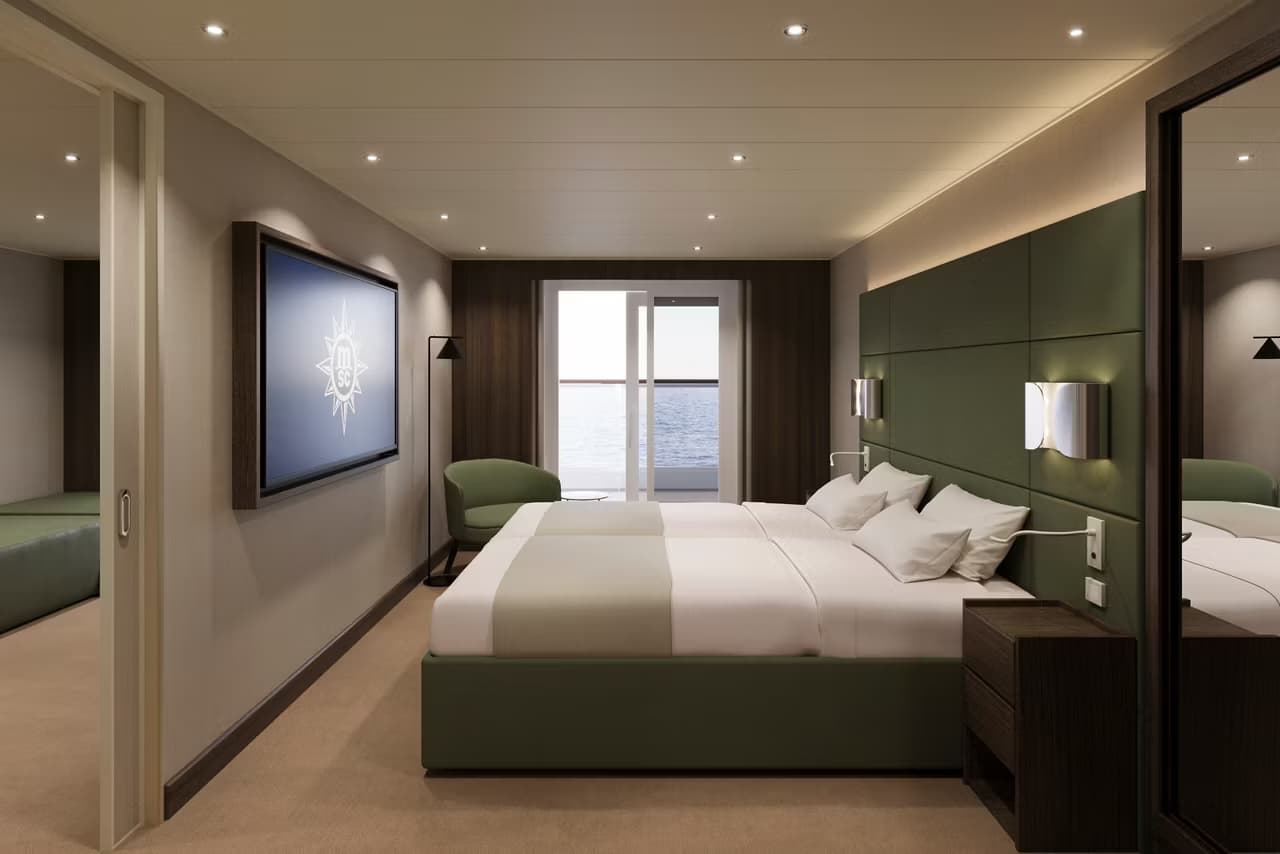
Yacht Club Executive and Family Suite with Balcony Suite
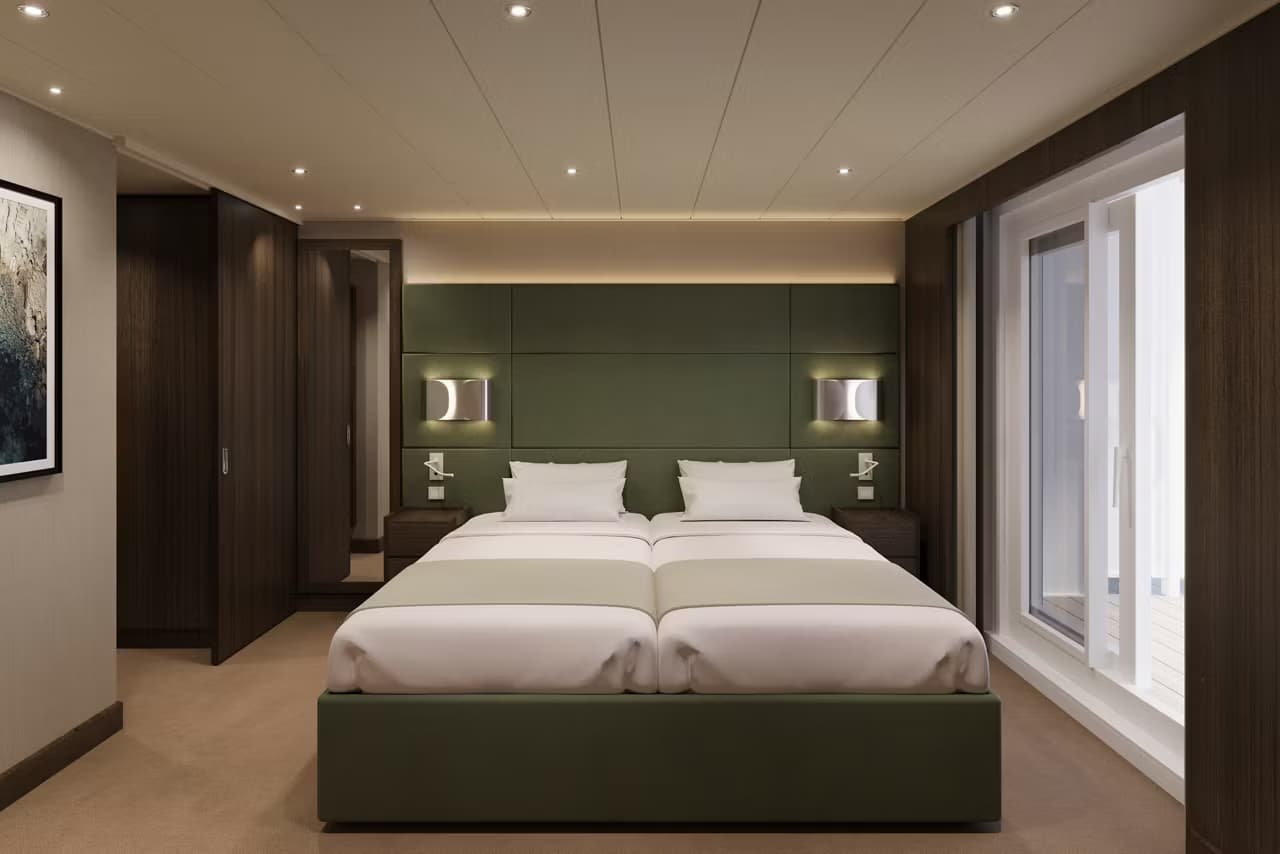
Yacht Club Two-Room Grand Suite
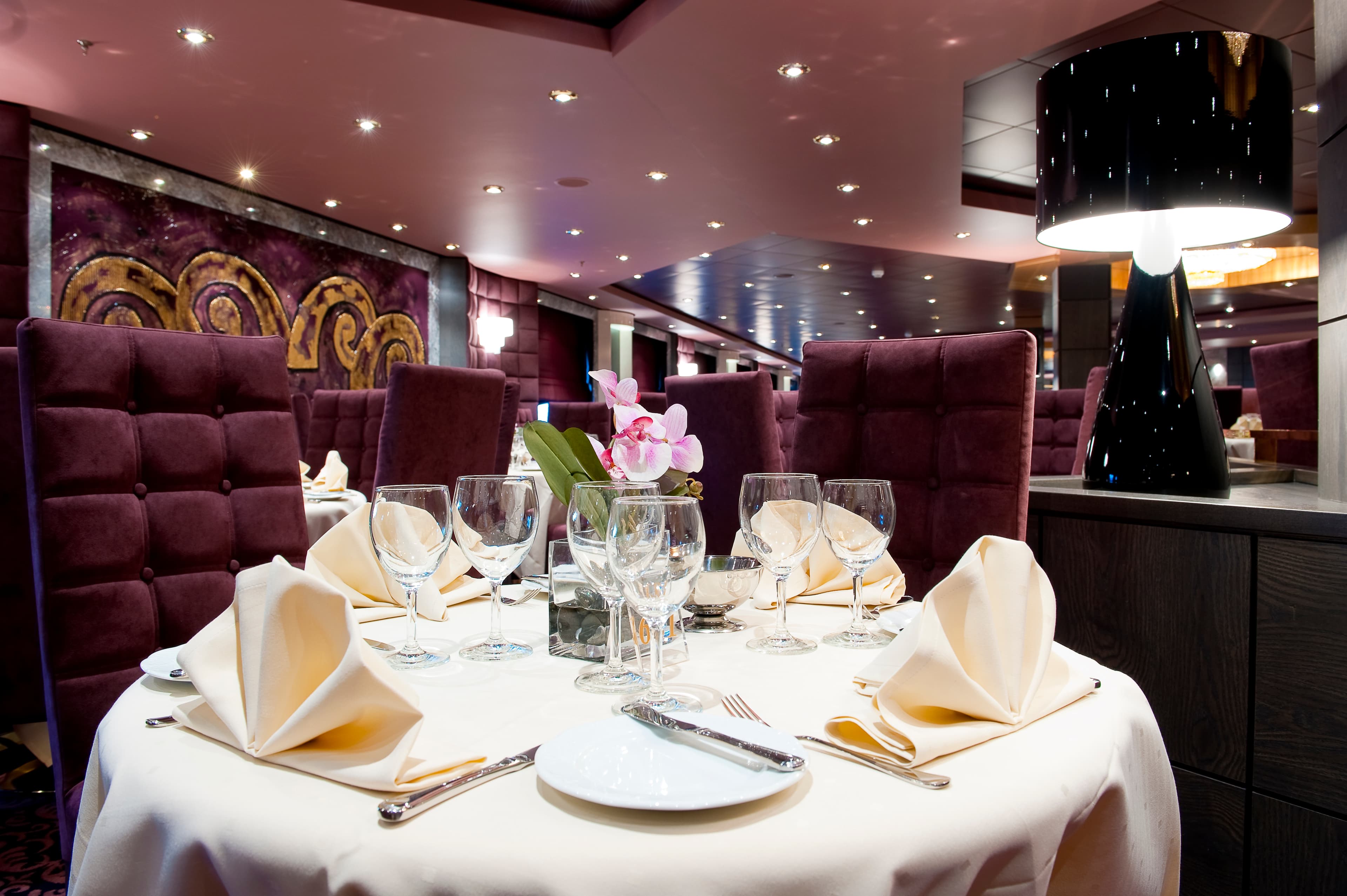
Quattro Venti Restaurant

L'Edera Restaurant
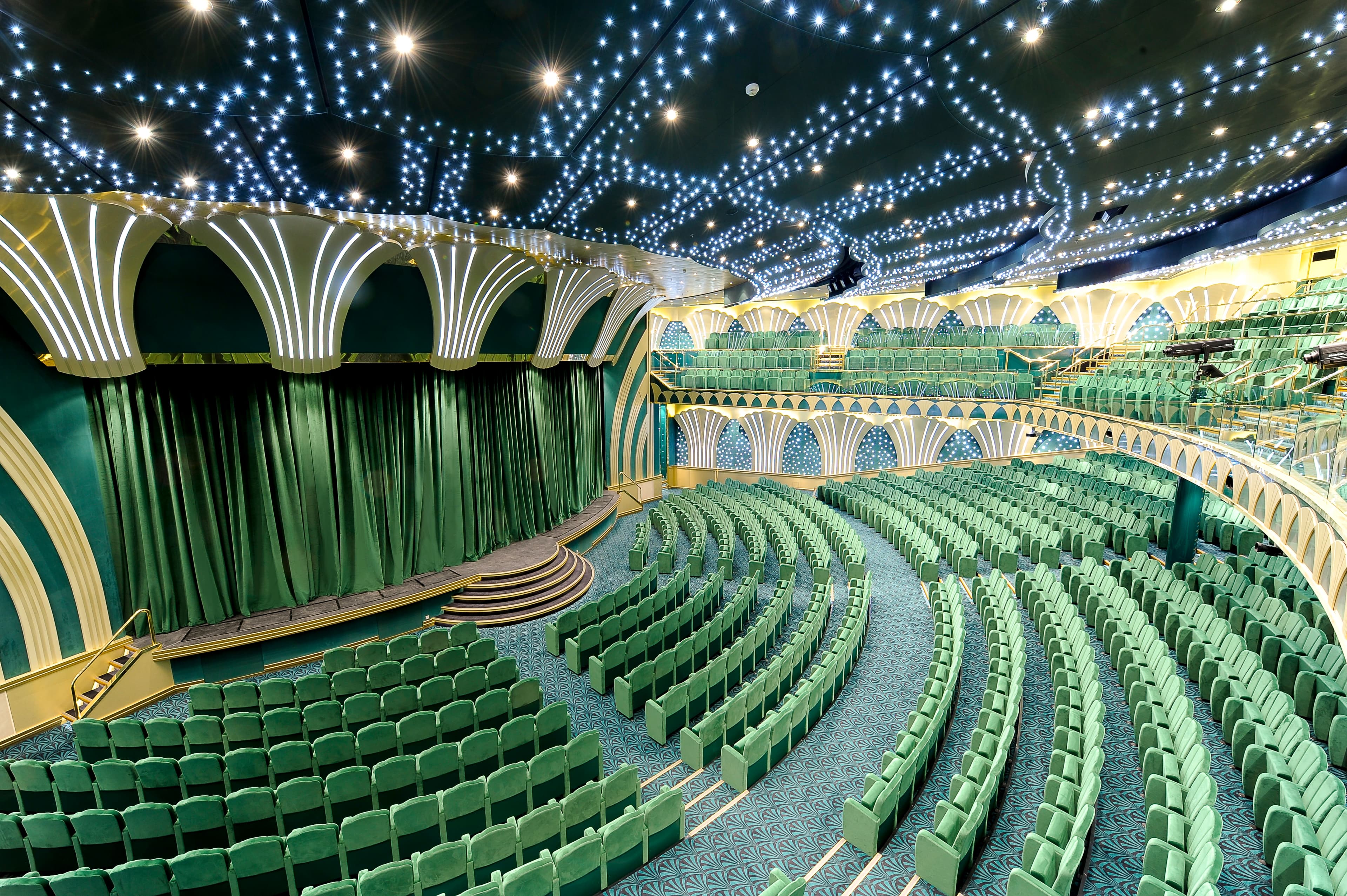
Royal Theatre

T32 Disco

Atlantic City Casino
2인 1실 1인당
가격 문의